
Ever thought your outlets could do more than just power devices? Z‑Wave smart plugs make it easy to control your gadgets and monitor energy use, even when your internet isn't the best. They work smoothly with trusted hubs like SmartThings, so you can schedule simple tasks, such as automatically turning off an appliance. With a setup that connects directly to your local network, this plug simplifies daily routines and keeps your home operating effortlessly. Stick around to see how this smart plug can transform the way you manage energy every day.
Z-Wave Smart Plug: Features, Benefits, and Use Cases
A Z-Wave smart plug makes everyday devices smart and easy to control. For example, models like the Minoston MP31ZP not only switch devices on and off but also keep track of how much energy they use. It runs on a 908 MHz mesh network that works well even when the internet is a bit unstable.
It also pairs with popular hubs like Zooz, Ecolink, Aeotec, GE/Jasco, Lutron, and Leviton. With systems such as Home Assistant, you can see real-time energy use and set up custom routines, like turning off appliances when energy prices are high.
Some versions are built to handle heavier loads, supporting up to 15 A or 1800 W, which means they’re great for devices that need more power. Plus, you can choose indoor or outdoor models for different needs, whether it’s a table lamp or a garden pool pump.
Imagine plugging in your coffee maker and being able to check its energy use while also scheduling it to turn off automatically if it stays on too long. These plugs simplify managing energy use, combining convenience with smart safety features.
Built tough for everyday use, they are easy to install and integrate. They’re a top pick for anyone looking to fine-tune their smart home setup without dealing with a complicated system.
z wave smart plug Elevates Smart Home Living

Minoston’s Z-Wave smart plugs work easily with leading smart home hubs. They let you control your gadgets right from your local network, no need to rely on third-party cloud servers. In Home Assistant, simply go to Settings > Devices & Integrations to add the new plug to your system. With secure S2 pairing, your Z-Wave controller keeps things safe while still delivering fast responses.
It pairs nicely with hubs like SmartThings or Wink, so you can use voice commands with Alexa or Google Home. Imagine saying, "Alexa, turn off the living room lamp," and seeing it happen in seconds. This kind of flexibility makes it a great choice if you're looking to boost your home automation.
Before you set up the plug, note that it comes in basic packaging. You’ll need to check the firmware and update it if needed to keep everything running securely.
Setup steps:
| Step | Description |
|---|---|
| 1 | Open Home Assistant and navigate to Settings > Devices & Integrations |
| 2 | Initiate S2 secure inclusion with your preferred Z-Wave hub |
| 3 | Verify the plug’s firmware and complete the pairing process |
| 4 | Test the plug using voice commands to ensure proper connectivity |
Following these simple steps will give you a secure and responsive smart home setup you can rely on.
Installing Your Z-Wave Smart Plug: Step-by-Step Tutorial
Setting up your Z-Wave smart plug is simple. This guide walks you through both the physical installation and how to link it to Home Assistant. If you run into trouble, there's an easy reset option.
- First, plug the smart plug into a wall outlet.
- Switch your Z-Wave hub into inclusion mode.
- To pair the device, either hold down the plug’s button for 3 seconds or, if that doesn’t work, unplug it and plug it back in.
- Check that the smart plug shows up on your hub’s dashboard.
- In Home Assistant, go to Settings > Devices & Integrations, choose Z-Wave, and then add the new device.
- Give it a friendly name so you can easily spot it.
- Test the on/off functions using your favorite smart home app.
- If the plug still isn’t responding, perform a factory reset by holding the plug button for 10 seconds.
Energy Monitoring and Automation Features in Z-Wave Smart Plugs
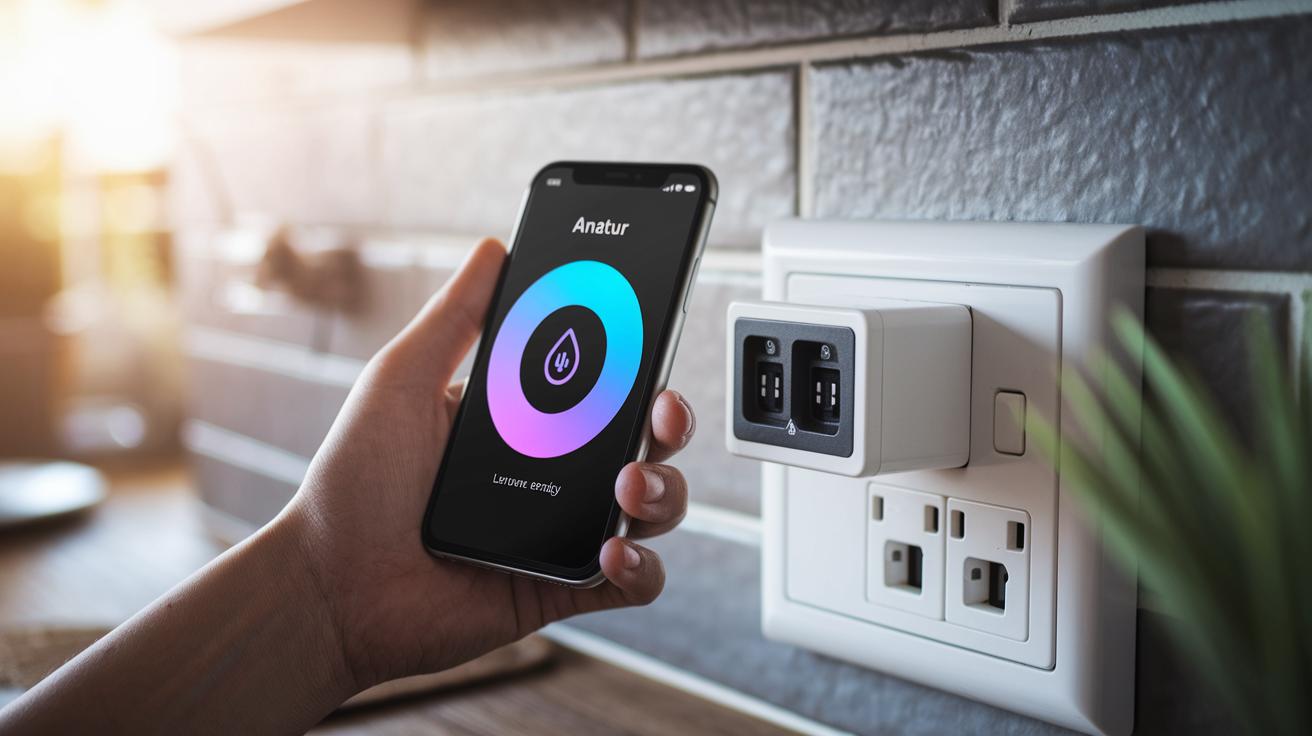
Z-Wave smart plugs like the MP21ZP now let you track power use in real time with readings in kWh. This means you can easily see how much energy your devices consume and plan your day accordingly. For instance, Home Assistant shows live usage and logs past data so you can set up custom automations. One tester even mentioned that watching his coffee maker's energy consumption in real time helped him adjust its runtime.
These smart plugs let you create automated schedules that turn off appliances during expensive peak hours, saving you money without the hassle of manual control. Imagine your plug automatically shutting down non-essential devices when energy costs rise. This kind of smart scheduling helps you keep your home efficient and your bills lower.
However, some users have found that a few units might mistakenly signal over-voltage or over-current issues, putting the plug in an open-circuit state until you manually reset it. That's why it's a good idea to test the plug in a low-risk setup before using it in essential daily routines.
The built-in app control adds another layer of convenience. With an easy-to-use interface in Home Assistant, you can adjust energy-saving strategies and fine-tune automation settings on the fly. By combining real-time energy data with smart scheduling, you can effectively manage your energy use while keeping your smart home running smoothly.
Comparing Z-Wave Smart Plugs to Wi-Fi Alternatives
Z-Wave smart plugs use a 908 MHz mesh network that helps build a stronger connection. This system lets each plug boost the signal for others, making it ideal for larger homes or spots where walls get in the way. In contrast, Wi-Fi plugs rely on a direct connection to your router and might struggle if you’re too far away.
Another big plus for Z-Wave is that it works locally. Instead of waiting for signals to travel to a remote server, these plugs talk straight to your hub. This means your lights turn on and your appliances switch off right when you need them, even if your internet is slow or temporarily down. Many Wi-Fi plugs, on the other hand, depend on the cloud, which can lead to delays or hiccups.
Plus, power ratings set them apart. Some Z-Wave units, like the Zlink module, can handle up to 15 A/1800 W, making them a better match for heavy-duty appliances. Most Wi-Fi plugs are usually rated around 10 A/1200 W. When it comes to cost, Z-Wave plugs tend to run between $25 and $35, while Wi-Fi alternatives are generally more pocket-friendly at around $10 to $20.
| Feature | Z-Wave Plug | Wi-Fi Plug |
|---|---|---|
| Protocol | 908 MHz mesh | 2.4/5 GHz direct |
| Network Range | Extended with repeaters | Limited to router’s range |
| Cloud Dependency | Local control | Often cloud reliant |
| Power Rating | Up to 15 A/1800 W | Typically 10 A/1200 W |
| Price | $25–$35 | $10–$20 |
Pricing, Popular Models, and User Feedback for Z-Wave Smart Plugs
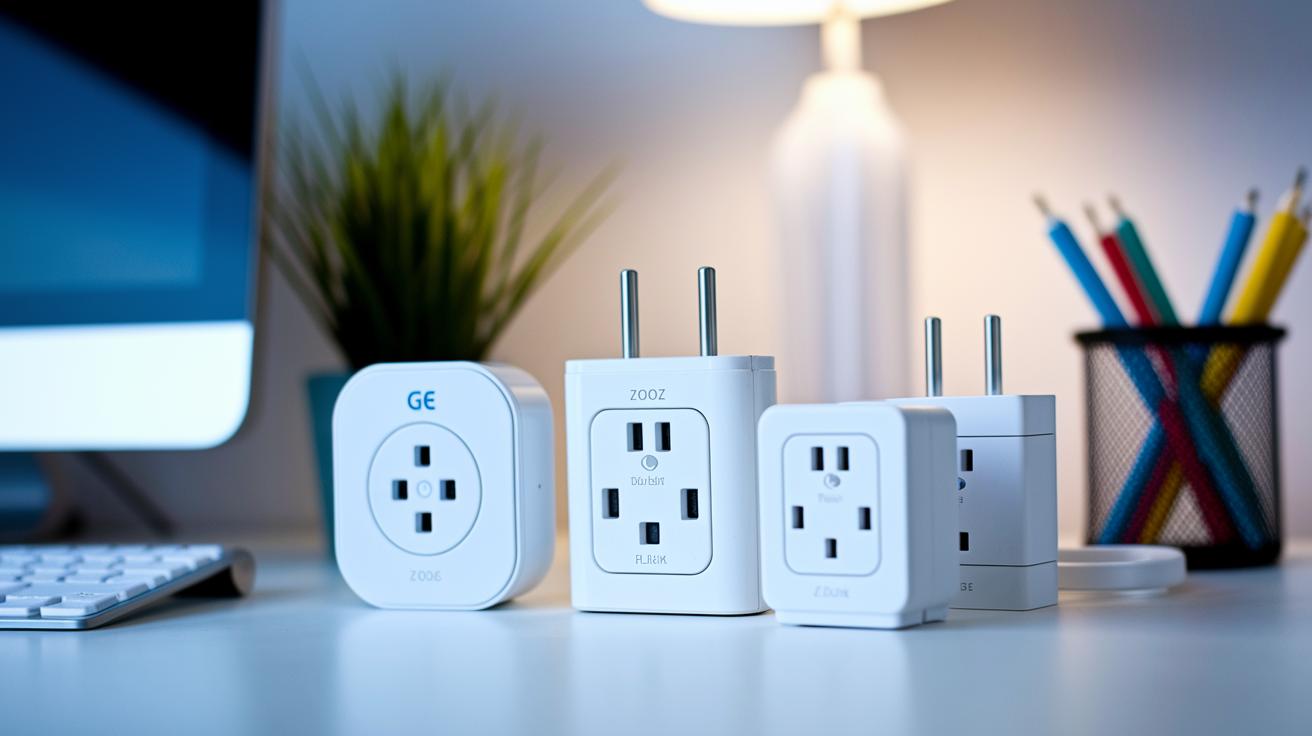
Z-Wave smart plugs come in a range of prices that work well for budget-minded users. For example, GE’s Z-Wave Outlet modules used to cost about $35, placing them at the higher end. On the other hand, the Zooz dual-outlet plug, with a handy USB charging port, is often available for around $30, making it a good choice if you need two outlets in one device. If you’re looking for a plug that can handle more power, the Zlink appliance module is priced at about $29 and can support up to 15 A or 1800 W. This makes it a practical pick for powering small appliances without costing a fortune.
Users appreciate the easy installation and solid build quality of these plugs. There are even some attractive discount offers, for instance, prices like $29.79 dropping to $25.32, $28.99 to $24.64, $29.99 to $25.49, and $31.00 reducing to $26.35. These deals give shoppers a nice way to save while upgrading their home automation set-up.
Some feedback does point out minor issues. Models such as the MP21Z and MP21ZP can sometimes register false over-voltage or over-current alerts. This may temporarily disable the plug until you perform a manual reset. This mix of solid reviews and honest criticism helps you decide which smart plug best meets your needs.
Troubleshooting and Maintenance for Z-Wave Smart Plugs
When your smart plug acts up or stops responding altogether, the first move is to give it a power cycle reset. Some MP21ZP plugs mistakenly sense an over-current, which stops the circuit from working properly until you unplug it for a few minutes. Try this: unplug the device, wait a couple of minutes, then plug it back in. This simple reset often clears that false fault detection.
If a power cycle doesn’t fix the problem, go for a factory reset. Just press and hold the plug’s button for 10 seconds. Doing so resets its pairing defaults and lets you start fresh. In one case, a tester shared, "I pressed the button for ten seconds, and my plug rejoined the network without any issues."
It also helps to keep your hub and plug within 30 to 50 feet of each other. Staying close ensures strong signal coverage and minimizes pairing issues. If the plug still won’t work after a few resets, try removing it from your network and then adding it back in.
Lastly, make sure you update the firmware over the air through your hub if your plug supports it. These updates can iron out glitches and boost performance, keeping your smart plug reliable even amid network challenges.
Final Words
In the action, we covered everything from key features and installation steps to energy monitoring and troubleshooting tips. We walked through how a z wave smart plug connects with hubs, compares to Wi-Fi alternatives, and fits different budgets. Our guide helped break down real-world performance and noted common issues, making smart home automation less daunting. We hope you feel more confident managing your devices and optimizing your setup. Enjoy the simplicity and reliability that smart plugs can bring to your everyday routine.
FAQ
What is a Z-Wave smart plug?
The Z-Wave smart plug is a device that lets you turn outlets on or off remotely and monitor energy use over a mesh network that operates locally without heavy cloud reliance.
How do I set up a Z-Wave smart plug?
The setup process involves plugging in the unit, putting your hub in inclusion mode, pressing the plug button, and naming the device; a factory reset by holding the button for 10 seconds fixes pairing issues.
What smart hub works with Z-Wave?
Z-Wave smart plugs connect with hubs like Zooz, SmartThings, Wink, and Home Assistant, which also enable integration with voice assistants such as Alexa and Google Home.
Is Z-Wave obsolete?
Z-Wave is not obsolete; it remains favored for its reliable mesh networking, robust local control, and broad compatibility with a vast range of smart home devices.
How do I use a Z-Wave smart plug with Home Assistant?
Home Assistant integration is straightforward: add the Z-Wave integration, select the smart plug during inclusion, and then control functions and energy monitoring through the app interface.
What are some popular Z-Wave smart plug models?
Popular models include the Zooz 700 and 800 Series, Leviton Z-Wave Outlet, and various Z-Wave Plus iterations, each offering features from dual outlets and energy monitoring to extended range and secure pairing.
How do I monitor power usage with a Z-Wave outlet?
Z-Wave outlets with power monitoring report real-time energy use in kilowatt-hours via their companion app, allowing you to track consumption, set schedules, and manage utility costs efficiently.
What does Z-Wave Plus add to smart plugs?
Z-Wave Plus enhances smart plugs with increased range, faster response times, improved security, and sometimes higher power ratings, offering a more robust and feature-rich smart home experience.