
Have audiophile headphones always been just about sound, or did they change the whole music experience? They started as simple telephone headsets and evolved into studio-quality devices that truly transform how we listen. In this post, we explore the key milestones that reshaped our music journey. We cover early designs that focused solely on clear voice calls and trace the evolution to models that deliver rich, engaging sound. Read on to see how each breakthrough added a new beat to the history of audiophile headphones.
Timeline of Audiophile Headphone Evolution
Headphone technology has come a long way. What started off as bulky telephone headsets evolved into sophisticated gear that delivers a natural, high-fidelity sound. Here is a quick rundown of key milestones:
- Early 1900s: Early telephone prototypes used heavy magnets and leather head straps. These early designs laid the groundwork for future headphone innovations.
- 1958: Koss SP/3 introduced the first stereo consumer headphone. This design opened up a whole new world for music enjoyment.
- 1962: Plantronics MS50 offered a lightweight headset that was even used during Apollo missions for clear audio communication.
- 1968: Sennheiser HD 414 became the first open-back hi-fi headphone. Its design created a natural and spacious listening experience.
- 1978: Bang & Olufsen U70 combined luxurious materials with a deep bass emphasis, offering a refined audio experience.
- 1982: Stax Lambda took a leap forward with electrostatic technology. This design brought a new level of precision and clarity.
- 1984: Koss Porta Pro delivered a portable and collapsible design that balanced great sound with convenience.
- 1985: Beyerdynamic DT 770 Pro earned praise for its studio-grade closed-back isolation, making it a favorite for professional use.
- 1988: Sennheiser HD 25 set industry standards with its excellent monitoring capabilities, becoming a top choice for many.
- 1989: Sony MDR-R10 featured unique touches such as zelkova wood cups and bio-cellulose diaphragms, enhancing its high-end acoustics.
Acoustic Engineering Foundations: Early Challenges and Innovations
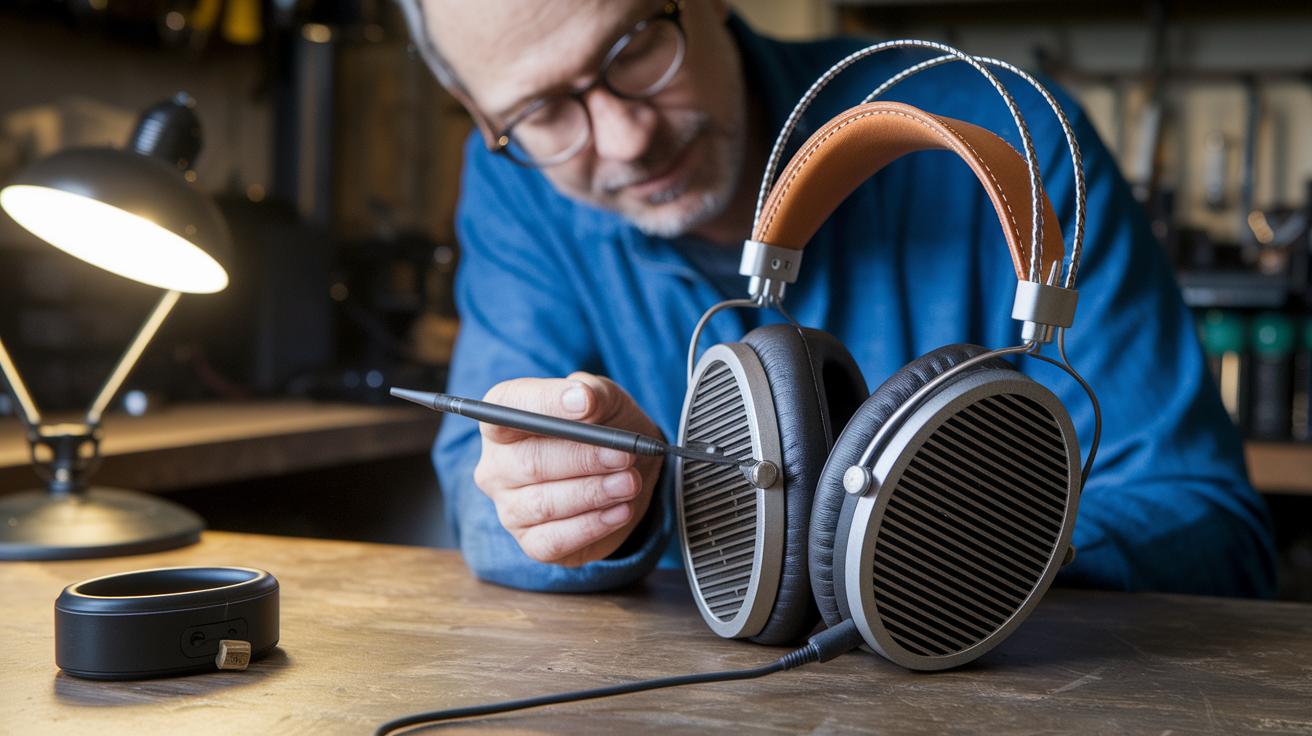
Headphone engineers have always faced tough challenges. In the beginning, audiophile headphones used iron-core drivers with huge diaphragms that limited the range of sounds they could play and made it hard to capture the finer details in music. This meant that early headphones were better suited for clear voice transmission rather than a rich, balanced musical experience.
The heavy magnets in these early devices required strong support, so designers used leather straps to handle the weight. Unfortunately, those straps ended up creating awkward and uncomfortable designs. Not only did the bulky build add extra weight, but it also restricted natural movement. This pushed engineers to reexamine the materials and overall structure of headphones.
As industry pressures and user feedback increased, engineers were driven to innovate. The discomfort from poor ergonomics led to a complete redesign of headbands that now use lighter materials for a better fit and increased durability. Through constant testing and small improvements, sound quality and wearing comfort improved significantly. These early breakthroughs laid the groundwork for the modern, high-quality headphones we enjoy today.
History of Audiophile Headphones: Iconic Milestones
Early on, headphone makers introduced dual dynamic drivers, which meant that the left and right channels were handled separately. This breakthrough created a true stereo experience, letting you hear music with clear spatial cues that really bring it to life. Engineers and designers experimented with driver alignment and diaphragm materials to capture every nuance without distortion, setting the stage for the accuracy and detail we now expect.
The open-back design was another major leap forward. By letting air and sound flow through the ear cups, these headphones created a wide, natural soundstage. While they didn’t block out ambient noise as well as closed-back models, designers worked hard to blend this open sound with comfortable wearability. Adjustments to headband stiffness, padding, and clamping force helped early models overcome the challenges of bulky or overly tight designs.
To achieve both durability and lightweight comfort, innovators began using materials like aluminum and leather. This smart mix offered the strength needed for clear sound reproduction while keeping the headphones light enough for long listening sessions. Every tweak in driver setup and ergonomic design paved the way for today’s high-fidelity headphones, marking key milestones in the evolution of audiophile technology.
Evolution of Driver Technologies: Electrostatic and Planar Magnetic Designs

Electrostatic transducers use ultra-thin diaphragms and a high-voltage bias to respond with incredible speed. This low-inertia design captures every subtle detail in your music. The diaphragm is stretched over a stator and moved by electrical charge, giving it clarity and precise timing that many standard drivers just can’t match. Because of their special build, these drivers need tailored amplifiers, making them a niche choice for those who really care about sound.
Planar magnetic drivers take a different approach by spreading a uniform magnetic field across the entire diaphragm. This setup keeps the tension even, which cuts down on distortion and ensures the sound stays consistent across the whole surface. While early models used bio-cellulose diaphragms, newer designs favor modern polymer films that boost durability and performance. The result is a balanced, natural tone with clear bass and detailed midrange, making these drivers a great pick for studios and high-end home listening alike.
Both types of drivers shine in their own ways. Electrostatic designs are prized for their fast response and crisp high frequencies, while planar magnetic drivers offer a smooth, well-balanced sound with very little distortion. These improvements have transformed audiophile headphones into precision tools that deliver lifelike sound for listeners who demand clarity and depth.
Market Dynamics and the Rise of Premium Audiophile Culture
Headphones have come a long way from basic tools used for clear voice calls. Early designs were simple work devices. Over time, as technology advanced and lifestyles evolved, the focus shifted to a richer listening experience that combines excellent sound with stylish design.
Brand names and collector passion drove this change. Limited editions, unique looks, and exciting brand collaborations made certain headphones feel exclusive. These devices moved beyond mere sound tools to become art pieces and status symbols with prices that reflect their premium appeal. Sales through mail-order catalogs, specialized audio shows, and early online forums only added to their allure.
At the same time, consumers started to seek both easy portability for everyday use and the high-quality sound of a professional studio. Manufacturers responded by crafting headphones that deliver top-notch performance whether you're at home or on the move. This evolution has turned common listening gear into coveted collector items and cemented the special role of premium audiophile headphones in today's culture.
Transition to Digital Era and Modern Material Innovations

Digital technology has changed how we experience music. Modern audio setups now blend everyday routines with studio-quality sound. External digital converters (DACs) and streamlined audio processes work together to keep the sound clean and clear. Plus, wireless tools like LDAC and aptX HD let you stream high-resolution audio smoothly without losing quality. Manufacturers have even redesigned internal circuits and amps, so you can enjoy crisp music whether you're at home or on the go.
New materials have also reshaped headphone design. Neodymium magnets boost efficiency in tighter spaces, making drivers more powerful. Soft memory-foam earpads paired with durable thermoplastic elastomers ensure comfort during long listening sessions. These upgrades not only improve sound quality but also create a stylish and ergonomic design that today's fans appreciate.
Sustainability is now part of the plan, too. Companies are exploring recyclable headbands and bio-based diaphragm options that meet eco-friendly standards without sacrificing performance. With built-in amps and better wireless options, the industry is mixing digital smarts with modern materials. This ongoing trend lets you enjoy top-notch sound, lasting comfort, and a greener, more forward-thinking design.
Final Words
In the action of exploring key milestones, we traced the history of audiophile headphones from early wireless experiments to today's modern, digital marvels.
We reviewed major milestones, design shifts, and driver technology advances. This timeline shows how practical engineering met passion to drive innovation. The evolution illustrates a rich journey that inspires positive expectations for future audio breakthroughs.
FAQ
What is the timeline for the evolution of audiophile headphones?
The timeline for the evolution of audiophile headphones begins with early single-ear prototypes from the 1900s, advances with the 1958 Koss SP/3 stereo model, and continues through innovations in design and technology that shaped hi‑fi audio today.
What is the history of wireless and Bluetooth headphones?
The history of wireless and Bluetooth headphones starts with the transition from wired devices to untethered designs, later incorporating Bluetooth standards to deliver improved battery life, connectivity, and on‑the‑go convenience.
How have headphones been integrated into computers?
The integration of headphones in computers evolved from simple audio output devices to sophisticated peripherals that provide high‑resolution sound, noise cancellation, and compatibility with various digital platforms.
What is the definition of an earphone?
The definition of an earphone refers to a compact audio device designed to fit either inside the ear canal or on the outer ear, offering portable and personalized sound for music, calls, and multimedia use.
orlistat capsules moa
orlistat capsules moa
can doxycycline affect teeth
can doxycycline affect teeth
using metronidazole gel while pregnant
using metronidazole gel while pregnant
flagyl for trichomonas dose
flagyl for trichomonas dose
taking acyclovir when breastfeeding
taking acyclovir when breastfeeding
ketoconazole mechanism summary page
ketoconazole mechanism summary page
ivermectin clinical FAQ
ivermectin clinical FAQ
Sildenafil vs Tadalafil Duration Comparison
Sildenafil vs Tadalafil Duration Comparison
Sildenafil vs Avanafil Peak Metrics
Sildenafil vs Avanafil Peak Metrics
sildenafil prescribing indications
sildenafil prescribing indications
TadalafilCentral bioequivalence guide
TadalafilCentral bioequivalence guide