
Ever thought your headphones might be holding back your mix? Studio-grade audiophile headphones give you clear, true-to-life sound while still being practical enough for everyday use. We put several models to the test and found that they deliver precision audio and smart design ideal for long sessions and creative flow. We even looked at both open-back and closed-back styles to help you figure out the best match for your needs. In this guide, we break down the strengths and weaknesses of each option so you can choose the perfect tool for flawless sound.
Top Studio Audiophile Headphones for Professional Mixing and Mastering
We've picked these headphones because they nail accurate sound, offer flexible designs, and perform reliably under an engineer's watchful eye. Each model fuses studio-level precision with practical everyday use. Whether you're in a full-on studio setup or working from your home space, these headphones promise clear monitoring along with neat features such as environment simulation and versatile design. We also took into account factors like the difference between open-back and closed-back sound and long-session comfort.
| Model | Type | Key Feature |
|---|---|---|
| Sennheiser HD 490 PRO | Open-back | Swappable oval ear pads and free dearVR MIX-SE plugin |
| Audio-Technica ATH-R30x | Open-back | Smooth transition from consumer to studio sound |
| Sennheiser HD 800 S | Open-back | Hemisphere-shaped ear cups, lightweight build and velour pads |
| AKG K371 | Closed-back | Slim, foldable ear cups with one-ear monitoring rotation |
| Sony MDR-MV1 | Open-back | Preserves three-dimensional soundstage for immersive mixes |
Each model meets specific creative and technical needs. The HD 490 PRO and ATH-R30x stand out when you require an open, natural sound stage for mixing. If you're chasing pure detail on long sessions, the HD 800 S becomes your go-to choice. For recording settings where keeping outside noise at bay is crucial, the AKG K371 offers the isolation you need. And if your projects call for an expansive, immersive sound, the Sony MDR-MV1 delivers the space and clarity to bring it all to life. No matter what your workflow is, mixing, mastering, or recording, there's a headphone here designed to keep up with your high standards.
Technical Specifications for Studio Audiophile Headphones
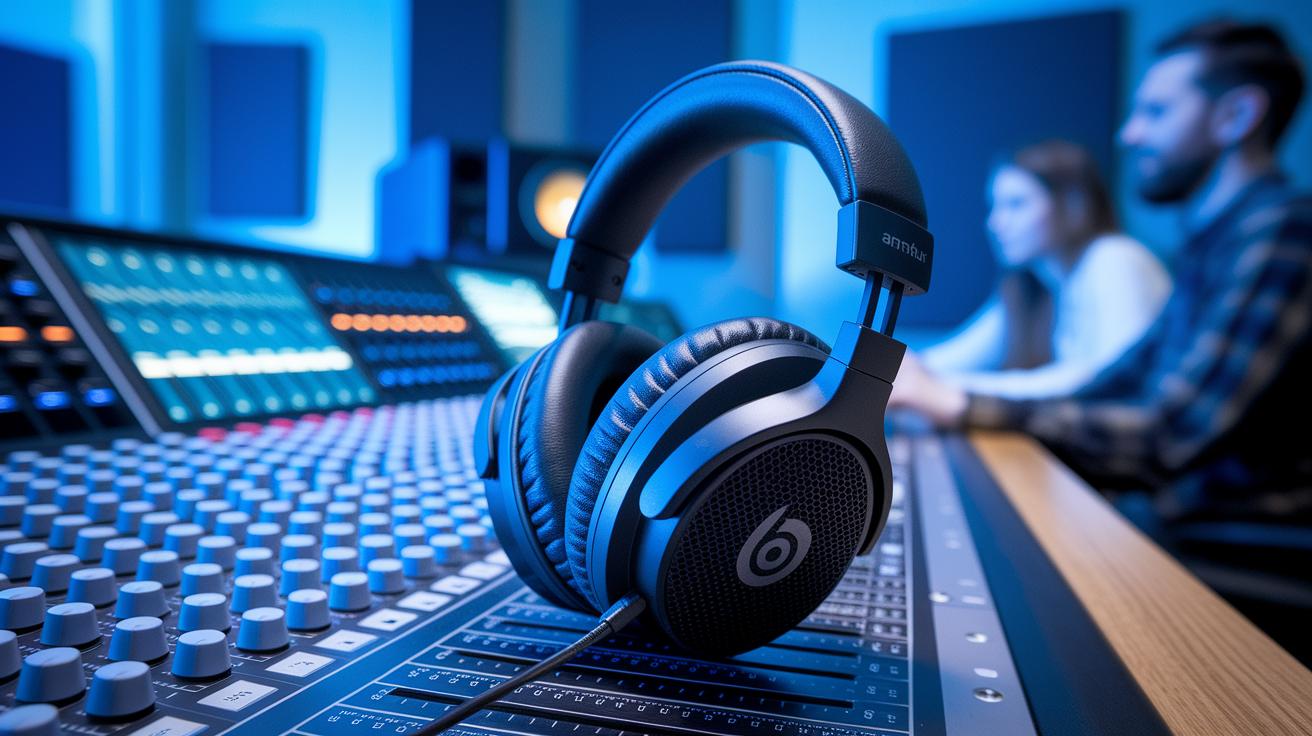
Specs matter because they cut through the fluff and give clear, measurable data. We run strict tests to show whether these headphones can deliver the truth needed for mixing and mastering. This helps engineers and producers trust that their studio sound remains true in every listening situation.
- Frequency Response: A nearly flat curve, like what we see with the Sennheiser HD 600, means the headphones reproduce sound accurately. This is great for detailed audio work.
- Impedance: Low (under 100 Ω) compared to high (over 100 Ω) tells you if the headphones work best with portable devices or need a beefier amplifier for balanced performance.
- Driver Type: Dynamic drivers pump out natural mids and crisp highs, providing a well-rounded sound that's true to the original mix.
- Total Harmonic Distortion (THD): Using setups like the Neumann KU 100 binaural head and REW testing software alongside the Harman Curve, we see very low distortion. This shows that the playback remains clean and undistorted.
- Sensitivity: These ratings indicate how well the headphones turn power into sound, which is key when matching them with different amplifiers.
These numbers aren't just stats, they're the core of reliable audio monitoring. By checking these metrics, engineers and producers know that the mix they create in the studio will sound just as faithful in any playback setting.
Open-Back vs Closed-Back Studio Audiophile Headphones
When you're mixing tracks, the right headphones can make all the difference. Open-back models, like the HD 490 PRO and ATH-R30x, offer a wide, three-dimensional soundstage that brings every subtle detail into focus. Their design allows natural room interaction, which makes reverb, panning, and instrument separation feel more lifelike.
On the other hand, closed-back headphones such as the AKG K371 excel during recording sessions. Their sealed build keeps outside sounds out, ensuring a clean capture of vocals and instruments while reducing mic bleed. This isolation is key when you need to monitor without interference.
Ultimately, your choice depends on your setup and needs. If you value a natural, spacious sound for mixing, open-back headphones are ideal. But if you're in a setting where noise leaks or external sounds could disrupt recordings, a closed-back design is the way to go.
Comfort and Build Quality of Studio Audiophile Headphones
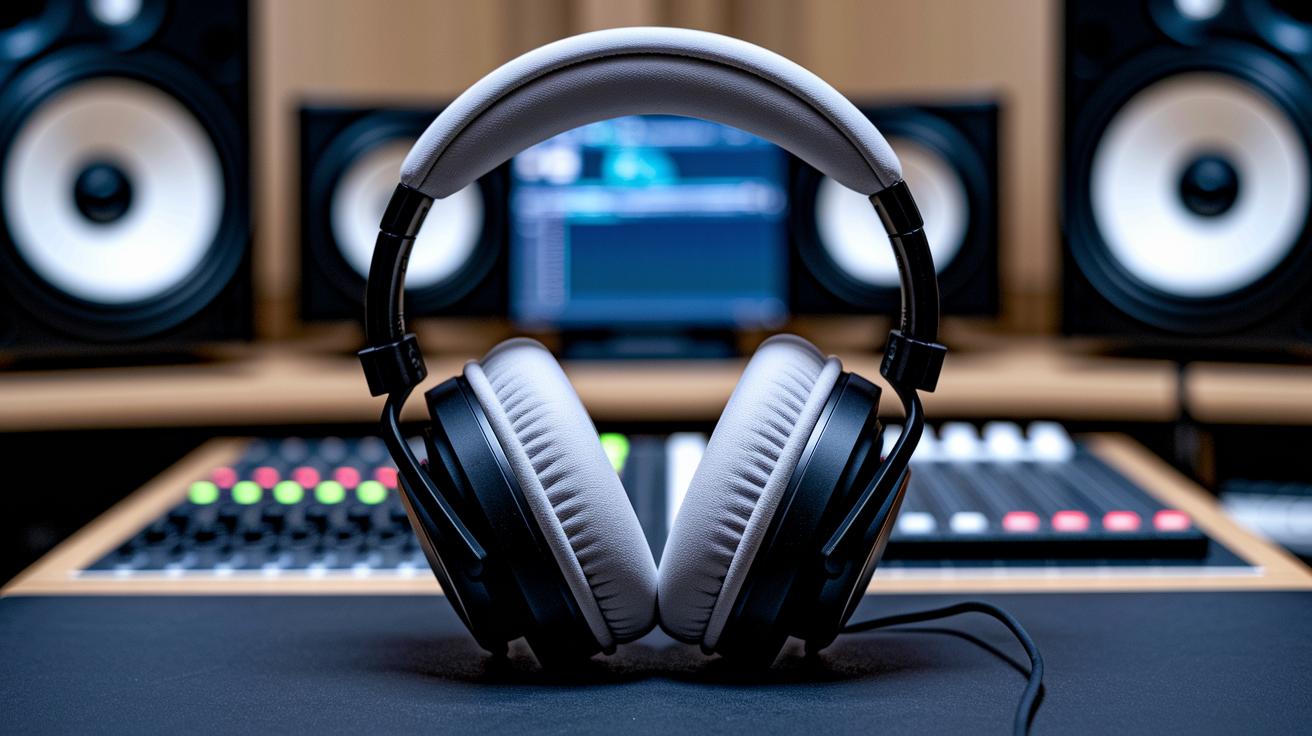
When diving into a long listening session, the headband really makes the difference. The HD 490 PRO features an adjustable headband and oval ear pads that you can swap out to suit your head shape. This design reduces pressure points and keeps you comfortable even during marathon studio sessions.
Good ear cup cushioning is just as important. The HD 800 S uses soft velour ear pads and a lightweight frame that lets you enjoy hours of clear, natural sound without fatigue. Its clever design means every beat comes through while keeping your ears relaxed for extended critical listening.
Solid build quality is key for a reliable setup, and the AKG K371 delivers on that front. With a tough hinge design, foldable cups, and even an option for one-ear monitoring, it’s built to handle on-the-go use. Many high-end headphone models also include custom, high-purity cables and premium connectors to ensure your signal remains steady no matter how demanding the session.
Connectivity and Amplifier Requirements for Studio Audiophile Headphones
If your studio headphones don’t give you that extra bass boost like typical consumer models, it might be time to add a dedicated headphone amp or DAC. High-impedance headphones (those that need more power) require a strong amp to give you plenty of headroom, while low-impedance options usually pair well with portable gear. Matching your amp to your headphones means you can enjoy digital audio enhancements without losing any clarity. For example, the HD 490 PRO comes with a free dearVR MIX-SE plugin that lets you test spatial audio without extra hardware, showing how the right pairing can boost performance.
USB audio interfaces are another great option for keeping your sound clear and detailed. They make digital signal transfers simple and can even let you skip a separate amplifier, especially if you’re using portable headphones. These interfaces handle impedance issues smoothly, ensuring your final mix keeps the accuracy and detail you need for professional listening. This method works best when you require a clean, undistorted signal for those critical listening sessions.
Calibration Techniques for Studio Audiophile Headphones
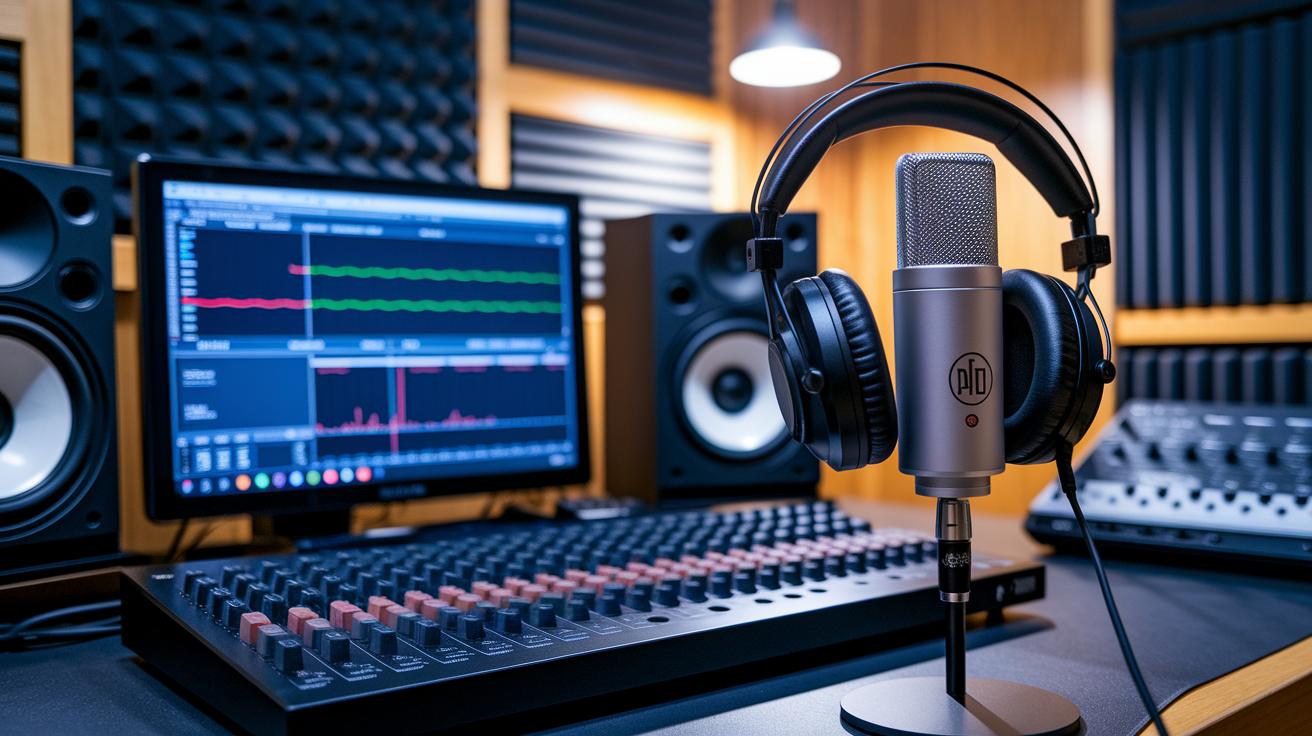
Calibration is key to getting the best sound from your studio headphones. By fine-tuning the response, you ensure your headphones deliver true reference quality for mixing and mastering. We use tools like the Neumann KU 100 and REW software to compare against the Harman Curve. This approach reduces frequency hiccups and provides the headroom needed for fine adjustments, setting you up to meet professional studio standards.
Room Acoustic Calibration
To get a true sound in your space, start by measuring how room acoustics affect your headphones. Place a calibrated microphone like the Neumann KU 100 in your listening area to capture room reflections. Use REW software to spot any deviations from a flat response. Then, adjust your EQ manually to neutralize the room's influence. This process sharpens sound accuracy and makes sure your listening sessions match the mix’s intended balance.
Software-Based EQ and Reference Plugins
Digital calibration tools make fine-tuning a breeze. With digital EQ apps boasting presets based on Harman standards, you can adjust your headphone frequency response in real-time. Using reference plugins such as the free dearVR MIX-SE lets you simulate different listening environments without moving hardware around. These software methods give you the freedom to experiment with EQ settings while keeping consistent headroom. The result is a reliably calibrated setup that delivers the audio performance you need for mixing and mastering.
Final Words
In the action, we broke down the best studio audiophile headphones for professional mixing and mastering. We touched on selection criteria, sound accuracy, build quality, connectivity, and calibration techniques to help you pick the right set for your studio work.
Our review offers straightforward insights to balance performance and comfort whether you’re in a home studio or a professional setup. With real-world testing and thoughtful analysis, you can trust these findings to guide you toward impressive audio clarity and lasting value. Enjoy your next listening session!
FAQ
What is a studio audiophile headphone review?
A studio audiophile headphone review explains each model’s sound accuracy, design, and build quality to help professionals and enthusiasts choose headphones that provide precise monitoring for mixing and mastering.
Which headphones are considered the best studio audiophile headphones?
The best studio audiophile headphones combine accurate frequency response and robust build quality, making them ideal for critical listening tasks like mixing and mastering while offering comfort during long sessions.
Do any studio audiophile headphones come with a built-in microphone?
Some studio audiophile headphones feature a built-in microphone, which is useful for tracking sessions that require voice communication or recording without compromising on audio fidelity.
What are the best audiophile headphones available in wireless options?
Best wireless audiophile headphones deliver high-quality sound without cables, offering convenience and clarity for users who require mobility while still enjoying studio-grade audio.
What are the strengths of professional studio headphones for mixing?
Professional studio headphones are designed to provide a balanced audio profile, clear detail retrieval, and sustained comfort, making them especially capable of handling extended studio sessions.
How do Sony MDR-7506 headphones perform in a studio setting?
Sony MDR-7506 headphones deliver precise, clear sound reproduction and effective isolation, which are crucial for detecting subtle audio details during mixing and tracking in professional studios.
What key features characterize Audio-Technica ATH-M50x Monitor Headphones?
Audio-Technica ATH-M50x Monitor Headphones are known for their accurate sound staging, comfortable design, and durable build, providing dependable performance for both mixing and everyday listening.
How do Beyerdynamic DT 770 PRO Studio Headphones compare to other models?
Beyerdynamic DT 770 PRO Studio Headphones offer excellent sound clarity, robust construction, and secure fit, making them a strong choice for studio work that demands detailed audio reproduction.
Why are Audio-Technica ATH-M20x Monitor Headphones popular among studio users?
Audio-Technica ATH-M20x Monitor Headphones deliver studio-grade accuracy at a budget-friendly price, making them an appealing option for entry-level professionals and home studio creators.
How does the performance of Beyerdynamic DT 1770 Pro differ from DT 900 PRO X models?
Beyerdynamic DT 1770 Pro and DT 900 PRO X offer distinct designs, with the DT 1770 Pro providing tight bass response and the DT 900 PRO X delivering an open-back design for a wider, more natural soundstage.