
Are smart thermostats really cutting your energy bills, or are they just another expensive gadget? These devices learn your habits and adjust your home's temperature based on both your routine and the weather so that you only pay for what you actually use. Our tests have shown that many users can save up to 20% on their heating and cooling bills each year.
In this review, we're taking a close look at how smart thermostats use adaptive scheduling and real-time energy data to deliver real savings. We break down the features and benefits to help you decide if investing in one is the right move for your home.
Smart Thermostat Savings Overview
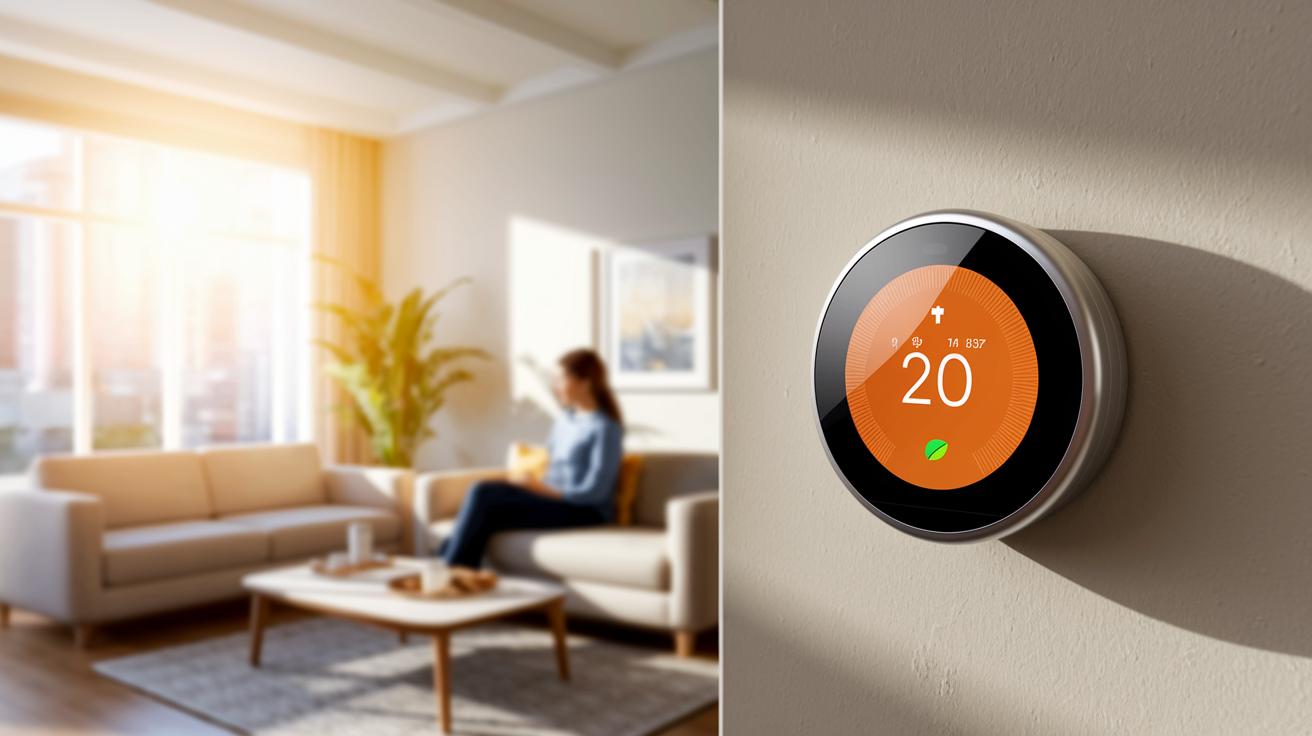
Smart thermostats let you control your home’s temperature right from your smartphone, tablet, or even with a voice command. They hook up to your home Wi-Fi, learn your daily habits, and adjust heating and cooling based on the weather and your schedule. This means you stay comfy while saving energy.
They even show you real-time energy use so you can see where you might cut your utility bills. In our tests, many users have slashed their heating and cooling costs by about 10% to 20% every year. In some places with extreme weather or efficient HVAC systems, savings have reached up to 23% annually. The exact amount depends on your climate, home size, the type of HVAC you have, and how often you use smart features like adaptive scheduling and remote control.
For example, adaptive learning gets your home ready before the hottest or coldest part of the day hits, which cuts down on wasted energy. And with live energy data at your fingertips, you can fine-tune settings to get the best savings possible. This smart approach not only cuts your bills but makes handling your home's temperature a breeze.
Many people love the ability to adjust their home's settings from anywhere, which brings both regular savings and peace of mind. This innovative tech makes comfort and efficiency easy to achieve.
Does a Smart Thermostat Save Money: Bright Savings
Smart thermostats learn your daily habits to keep your home comfortable without wasting energy. They track when you're home or away and adjust heating and cooling accordingly. For instance, if they notice you're off to work, they lower the heat or adjust the cooling so you're not paying for unused comfort.
They also keep an eye on the weather. When outdoor temperatures start to spike or drop, these devices prep your home in advance. Imagine coming home to a cool house on a hot day without waiting for the AC to kick in fully. This smart move saves energy and cuts down on high bills.
Another handy feature is geofencing. When the last person walks out the door, the thermostat switches to an energy-saving mode. And when someone comes back, it quickly brings the house back to your preferred temperature. This prevents your HVAC system from running when it isn’t needed.
Plus, energy-usage reports give you a clear picture of when your system works the hardest. With easy-to-read graphs, you can pinpoint peak energy times and tweak your settings for even more savings. These insights help you use your smart thermostat in the most efficient way.
In short, by fine-tuning your schedule and using advanced energy features, a smart thermostat can lower your bills while keeping your home just right.
Calculating Your Potential Savings with a Smart Thermostat
Smart thermostats can cut your heating and cooling bills by 10% to 23% every year. They learn your daily routine and adjust the temperature automatically. In extreme climates like Montana, you might save close to 23%, while in milder places, expect savings of around 15%. Plus, bigger homes with central heating systems tend to benefit more than those using simple window units.
Using scheduling and eco-modes is crucial. When your thermostat switches to an energy-saving setting while you're away, it stops wasting energy and keeps the temperature steady. You also get detailed energy reports that show when your system is working hardest, helping you fine-tune settings to save even more.
| Scenario | Savings (%) | Estimated $ Savings |
|---|---|---|
| Cold Climate (e.g., Montana) | 20–23% | $240–$280 |
| Moderate Climate | 12–15% | $120–$150 |
| Small Home (Central HVAC) | 10–18% | $100–$180 |
| Frequent Traveler Home | 15–20% | $150–$200 |
By reviewing your energy use and tweaking your schedule, you can maximize your savings even more over time.
Comparing Smart Thermostats to Traditional Programmable Models
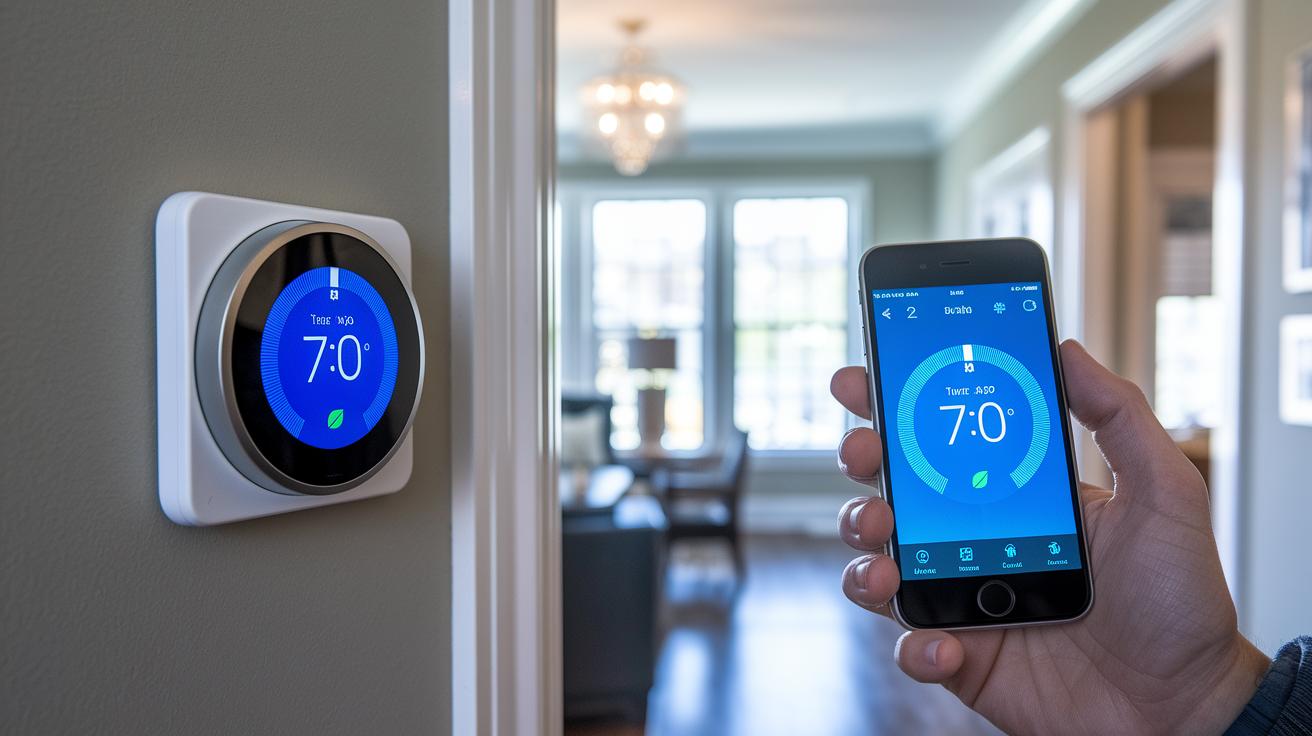
Traditional programmable thermostats mean you have to set different time blocks by hand. They don’t adjust automatically when the weather changes or when your daily routine shifts unless you update them every time. Smart thermostats, on the other hand, pick up on your habits over time and automatically adjust your home’s temperature. That way, you don’t have to fiddle with the schedule, and your heating or cooling moves with your lifestyle.
They also let you control the settings remotely using your smartphone or voice assistant. When you’re away from home, you can still make changes easily. Plus, with real-time energy reports, you see exactly how much energy you’re using, which helps you tweak your habits to save on bills.
Here is a quick rundown of the pros and cons:
- Pro: Learns your schedule so you don’t have to update it constantly
- Pro: Remote control via smartphone or voice assistant lets you manage settings anywhere
- Pro: Real-time energy reports help you see where you can save energy
- Con: Upfront cost is higher than traditional models
- Con: Requires reliable Wi-Fi and a dedicated power setup
- Con: May not offer as much benefit for homes with irregular occupancy
Smart thermostats add a lot of convenience and efficient energy use compared to traditional models. While you might pay a bit more upfront and need continuous connectivity, their automatic adjustments and detailed data make managing your home’s temperature much simpler.
Installation Costs and Compatibility Considerations

Professional setup for a smart thermostat usually costs between $75 and $200. That fee covers wiring, compatibility checks, and any adjustments needed for a smooth running system. For most central HVAC systems, the installation is done in under an hour. However, split systems might need extra adapters or more setup time because their wiring and airflow management differ.
Many smart thermostats need a C-wire (a wire that supplies steady power) or a power extender kit to work reliably. Without one, the thermostat can act erratically. That's why many homeowners choose a certified HVAC technician. A pro can double-check that your wiring matches the manufacturer's directions, which lowers the chance of issues later.
Before buying a smart thermostat, check if your current system supports it. Older setups may require some tweaks or even part replacements. Confirming compatibility right away can help you avoid surprise costs and delays. Spending a little extra on professional installation now can save you from expensive troubleshooting later, so you can start enjoying energy savings immediately.
Smart Thermostat Case Studies and Real-World Results
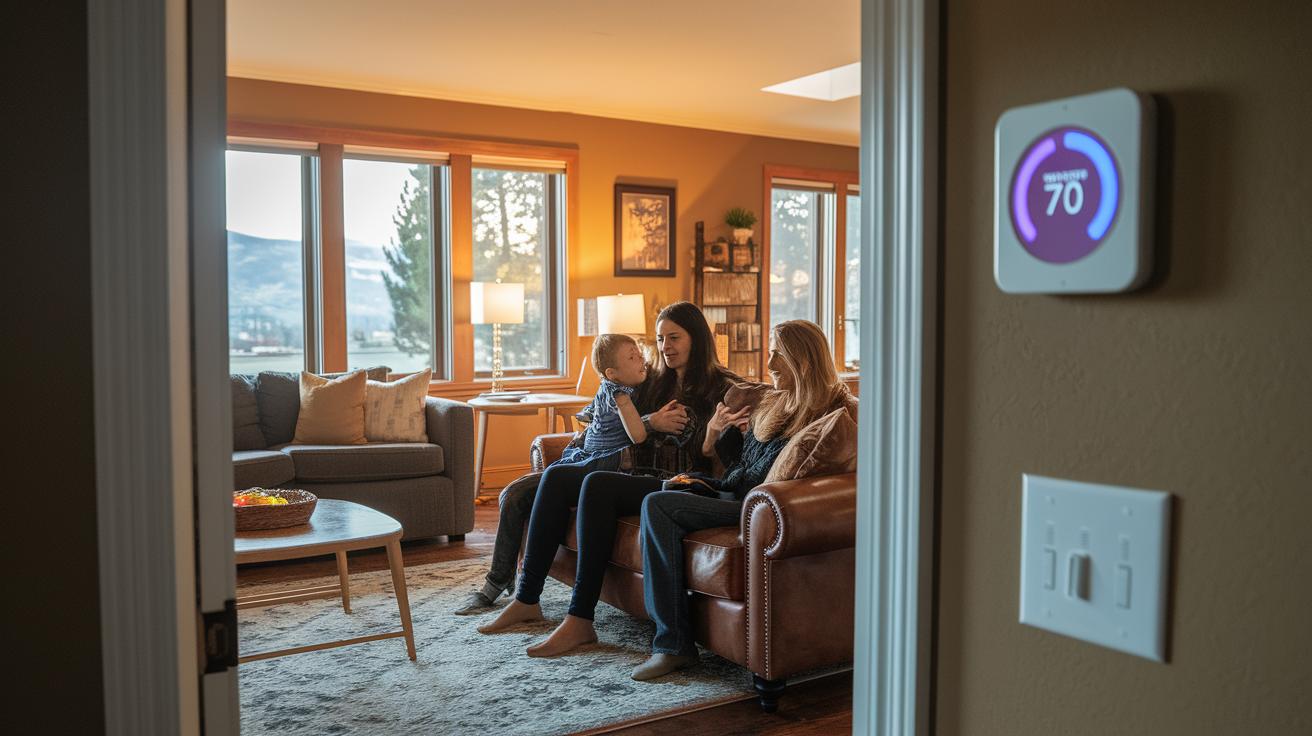
In Montana, one household slashed their heating bills by 23% over the year. They set up the thermostat to adjust ahead of frost or heatwaves, so they came home to a warm house on a chilly day without overworking the furnace. This simple, weather-based tweak not only kept things comfortable but also delivered solid monthly savings.
A suburban family in a 2,000-sq-ft home enjoyed similar benefits. By using features like geofencing (a tool that detects when you're nearby) and adaptive hold (which keeps your preferred settings active), they cut their HVAC costs by 15%. The system automatically switched to energy-saving mode when the house was empty and returned to the saved setting once the residents were detected. One family member explained that their energy reports helped them spot when the system was working too hard, allowing them to tweak the settings for better efficiency.
Smart thermostats also shine for frequent travelers. One user shared that remotely adjusting the temperature helped them save about 20% on yearly heating and cooling bills. The ability to control home comfort from afar boosts both efficiency and peace of mind. Additionally, owners with a central HVAC system have experienced more consistent efficiency compared to homes using multiple zones or window units.
Taken together, these examples show that smart thermostats deliver real, measurable savings while making home temperature management hassle-free.
Advanced Energy-Saving Features
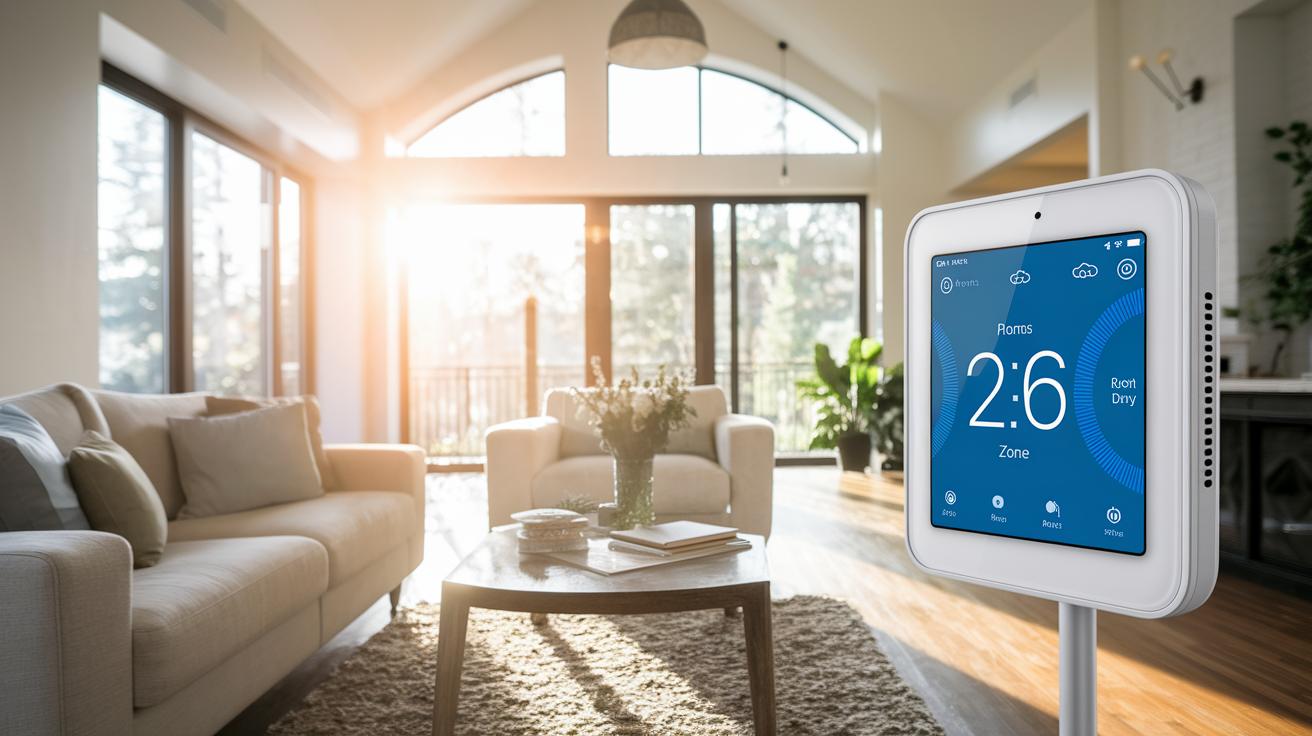
We already know simple fixes like lowering the temperature when no one’s home and tweaking schedules based on energy reports can save a good amount of energy. Now, let’s look at two advanced ideas that take these basics to the next level.
First up, think about adding window or door sensors. These sensors alert your system right away when a window or door is open, so it can automatically adjust the temperature to avoid wasting energy. In fact, one homeowner saw a 7% drop in wasted energy within just the first month.
Next, consider grouping your thermostats into zones. This means only heating or cooling the areas you actually use, rather than treating the whole house the same. This zone-based setup cuts energy waste in empty rooms while still keeping you comfortable.
Final Words
In the action, we saw how smart thermostats adjust home temperatures using adaptive learning, geofencing, and real-time energy reports. We covered saving potentials ranging from 10% to 23% on heating and cooling, a significant benefit overall.
The review broke down installation and compatibility factors, compared these devices to programmable models, and highlighted actual user savings. So, does a smart thermostat save money? It sure can, proving to be a smart choice for lasting comfort and energy efficiency.
FAQ
Does a smart thermostat save money?
A smart thermostat saves money by learning your routine and adjusting temperatures accordingly, resulting in average annual savings of 10% to 20% on heating and cooling costs.
How long does a smart thermostat save money?
A smart thermostat continues to save money over its lifetime by automatically optimizing temperature settings every season without extra ongoing fees.
How much money can you save with a smart thermostat?
Smart thermostats can decrease your heating and cooling bills by 10% to 23% annually, with savings varying by climate, home size, and your HVAC system.
Which smart thermostat saves the most money?
The model that maximizes savings uses features like adaptive learning, geofencing, and detailed energy reports, but the best pick depends on your specific home environment.
Are smart thermostats worth it?
Smart thermostats are often worth it as they offer seamless energy management, convenience, and ongoing cost reductions through automatic temperature adjustments.
How do programmable thermostats compare in saving money?
Programmable thermostats require manual schedule updates, while smart models automatically adjust settings, leading to more efficient and consistent energy savings.
What are the disadvantages or downsides of smart thermostats?
Smart thermostats can have a higher upfront cost, depend on reliable Wi-Fi and proper wiring, and may show limited benefits in homes with irregular occupancy patterns.
Can a thermostat cause a high electric bill?
A thermostat itself doesn’t usually cause high bills, but improper wiring or settings can lead to inefficient heating or cooling, which may raise your energy usage.
Is 72°F a good temperature to keep your house?
Keeping your house at 72°F is comfortable for many, though the optimal temperature depends on personal preferences and energy efficiency goals.