
Ever wonder if your headphones can block out engine noise on a long flight? Picture settling into your seat while crisp audio lifts you away from the cabin chaos. Noise canceling technology now lets you tune out unwanted sounds and enjoy clear music or calls. In this review, we take a close look at leading models from Sony, Bose, and others to see which ones deliver lasting comfort, strong battery life, and top-notch noise reduction. Ready to find your ideal travel companion? Let's dive in.
Top Picks: Noise Cancelling Headphones Built for Long-Haul Flights
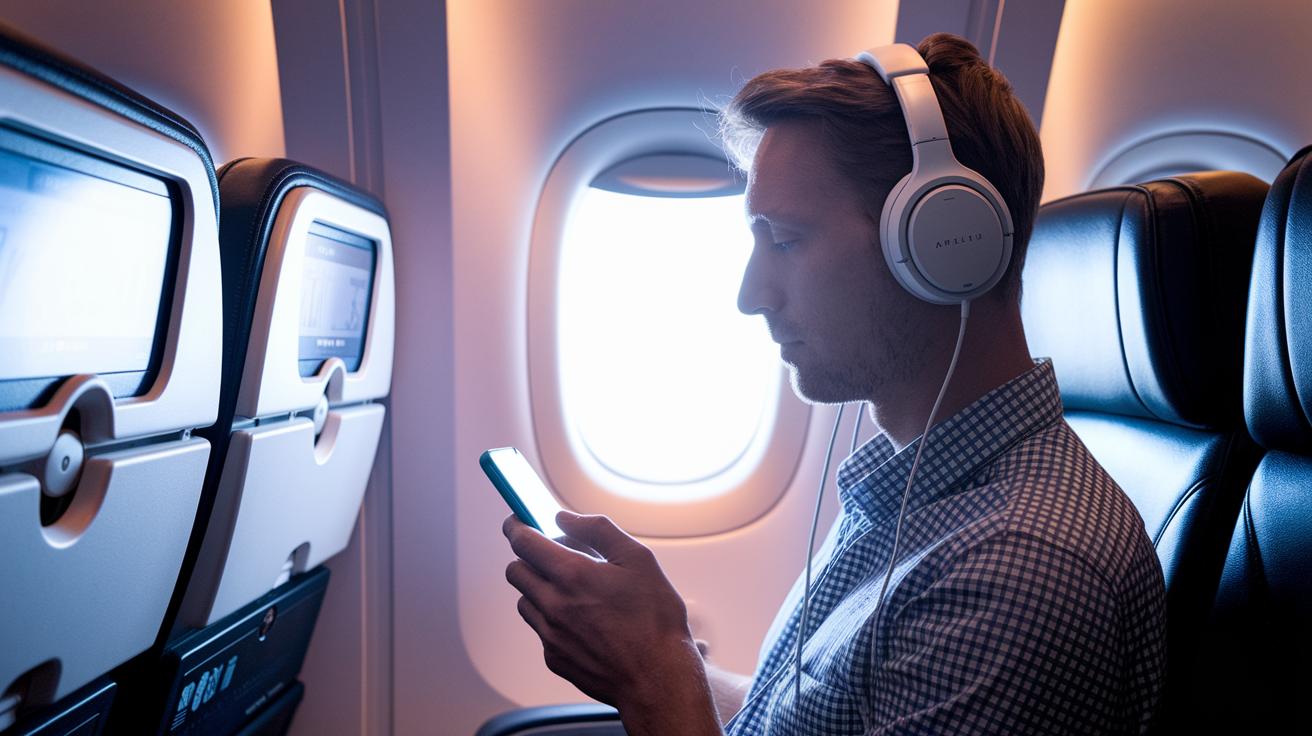
If you're planning a long flight, you'll want headphones that cut out the engine hum and offer the kind of immersive sound that makes journeys fly by. These headphones mix smart noise cancelling tech with features designed for comfort and performance. For instance, the Sony WH-1000XM6 impresses with a 12-microphone system that handles calls well and runs for 30 hours. Bose QuietComfort Ultra wraps you in soft ear cups while blocking nearly every background sound, making it ideal for those long trips. And if you need both style and endurance, the Sennheiser Momentum 4 Wireless brings strong bass and up to 60 hours of playtime.
For true wireless lovers, Sony WF-1000XM5 earbuds offer premium ANC in a small package, while Apple’s AirPods Pro 3 and AirPods Max add smart features like a built-in heart rate monitor and spatial audio support. Those watching their budget can check out the JLab JBuds Lux ANC and EarFun Air Pro 4, which do a great job at noise reduction without a steep price tag.
| Model | ANC Performance | Battery Life | Comfort Features | Price |
|---|---|---|---|---|
| Sony WH-1000XM6 | Excellent, with a 12-mic system | 30 h | Soft cushioning and balanced clamping | $350 |
| Bose QuietComfort Ultra | Top noise cancellation | 20 h | Memory-foam ear cups and adjustable headband | $400 |
| Sennheiser Momentum 4 Wireless | Superb ANC with punchy bass | 60 h | Light and comfy ear pads | $350 |
| Sony WF-1000XM5 | Excellent true wireless ANC | 8 h | Secure in-ear design | $250 |
| AirPods Pro 3 | Strong noise cancellation | 6 h | Sleek, integrated fit | $250 |
| AirPods Max | Premium, with eight mics | 20 h | Elegant over-ear cushioning | $549 |
| JLab JBuds Lux ANC | Solid noise reduction for the price | 14 h | Compact and comfy | $60 |
| EarFun Air Pro 4 | Adjustable ANC modes (5 levels) | 9 h | Ergonomic and secure fit | $80 |
When picking the right headphones, consider what matters most on your flight. Maybe you need the battery to last the entire trip, or perhaps you prefer the flexibility of true wireless earbuds with app-controlled noise settings. Each option has been put to the test for comfort, sound quality, and how well it blocks out the noise of an airplane cabin. If you love deep, detailed sound and all-day comfort, a high-end over-ear model might be your best bet. On the other hand, if you need something more compact and versatile, true wireless earbuds can be a perfect travel companion.
Understanding ANC Technology for Long Flights
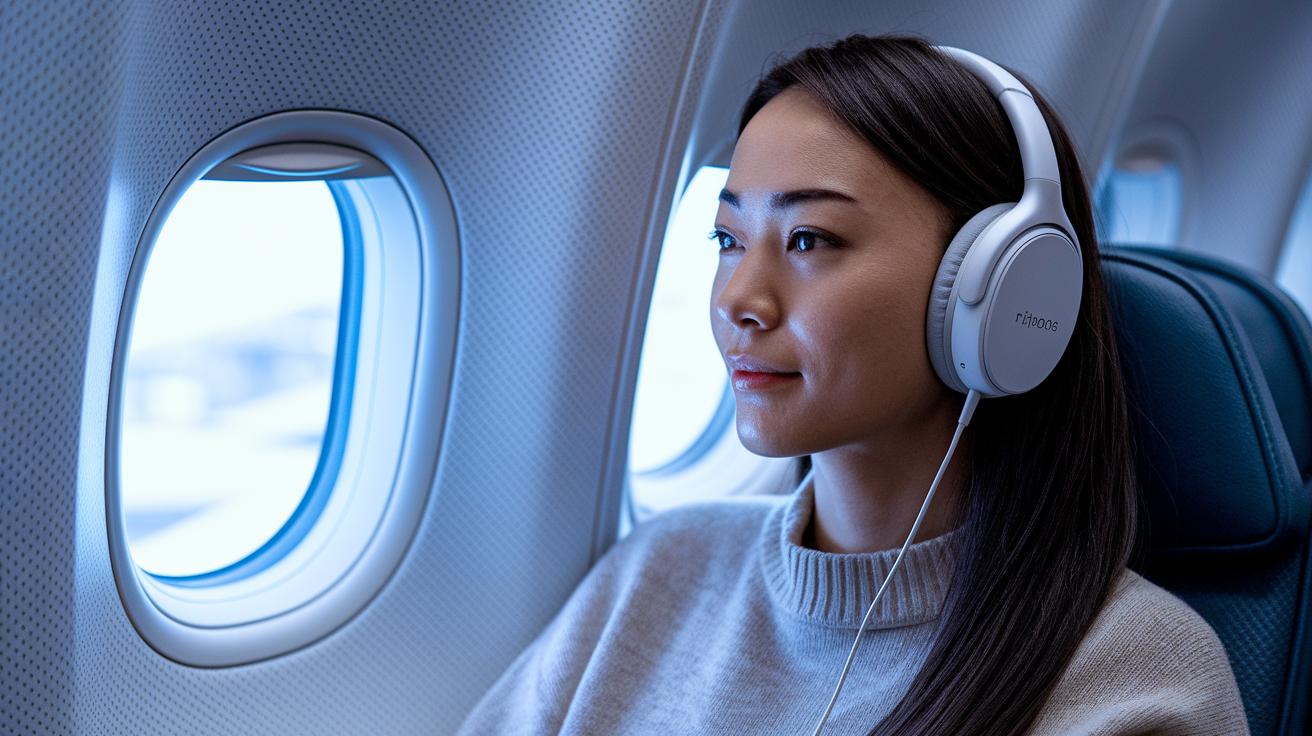
Active noise cancellation (ANC) makes long flights more pleasant by tackling the constant drone of airplane engines and chatter. Using built-in microphones, ANC listens to the surrounding sounds and quickly creates an opposing sound wave that cancels the noise before it reaches your ears. For example, the Sony WH-1000XM6 features a processor that works with 12 microphones, while the AirPods Max uses eight microphones to deliver a consistently quiet cabin sound. The system analyses incoming noise in real time, ensuring that you enjoy a smoother, quieter journey.
Active vs Passive Noise Cancellation
Active noise cancellation uses electronics to fight low-frequency sounds by generating counter sound waves. In contrast, passive noise cancellation depends on how well the ear cups or tips seal your ears, physically blocking outside noise. In simple terms, active systems, like those found in many advanced models, actively cancel out the noise using smart technology. Meanwhile, passive methods rely on design and materials to keep unwanted sounds at bay. Some headphones, like the EarFun Air Pro 4, smartly combine both approaches. They offer multiple ANC modes while ensuring the design forms a comfy, secure seal. The result is a well-rounded defense that softens both high and low sounds, giving you a truly peaceful flight experience.
Ergonomic Fit and Comfort for In-Air Listening
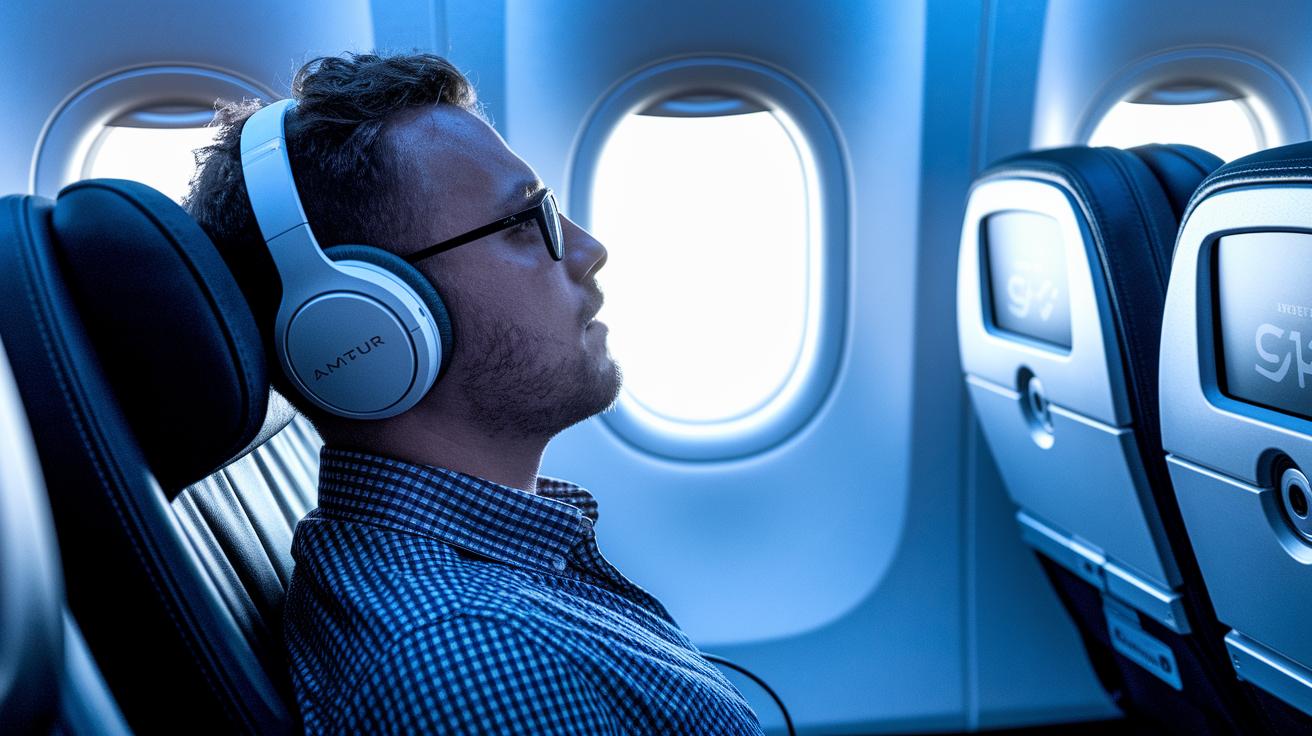
Getting comfortable during a flight starts with a well-balanced clamping force. If your headphones grip too tightly, they can tire your head; if they sit too loosely, unwanted noise might seep in. The Sony WH-1000XM6 gets it right by combining gentle clamping with soft cushioning, so you stay comfortable while still blocking out cabin noise. This smart design lets you wear them for hours without feeling strained.
The materials used also play a big role in comfort. Headphones like the Bose QC Ultra use high-quality memory-foam ear cups that mold gently to your ears, creating a snug seal against background hum. Plus, the adjustable headband lets you fine-tune the fit, keeping the headphones secure on long-haul flights.
Even weight distribution is key for long listening sessions. The Sennheiser Momentum 4 Wireless, for instance, features a lightweight design with soft pads that spread the pressure evenly around your head. This balanced setup stops any one spot from feeling too heavy, allowing you to enjoy your flight without distraction.
Battery Life Chart: ANC Solutions for Extended Voyages

If you're gearing up for a long flight, you need headphones that won't quit on you. This guide lays out each model's battery endurance when noise canceling is active and notes if it offers a quick-charge option. That quick-charge feature can really save the day when your schedule gets tight and you need a fast boost.
| Model | ANC-On Battery Life | Quick-Charge Support |
|---|---|---|
| Sennheiser Momentum 4 | 60 h | Yes |
| Sony WH-1000XM6 | 30 h | Yes |
| Bose QC Ultra | 20 h | Yes |
| Focal Bathys MG | 20 h | No |
| Sony WF-1000XM5 | 8 h | Yes |
| AirPods Pro 3 | 6 h | Yes |
| AirPods Max | 20 h | No |
| JLab JBuds Lux ANC | 14 h | Yes |
| EarFun Air Pro 4 | 9 h | Yes |
Over-Ear vs True Wireless: Choosing Your Flight Headset
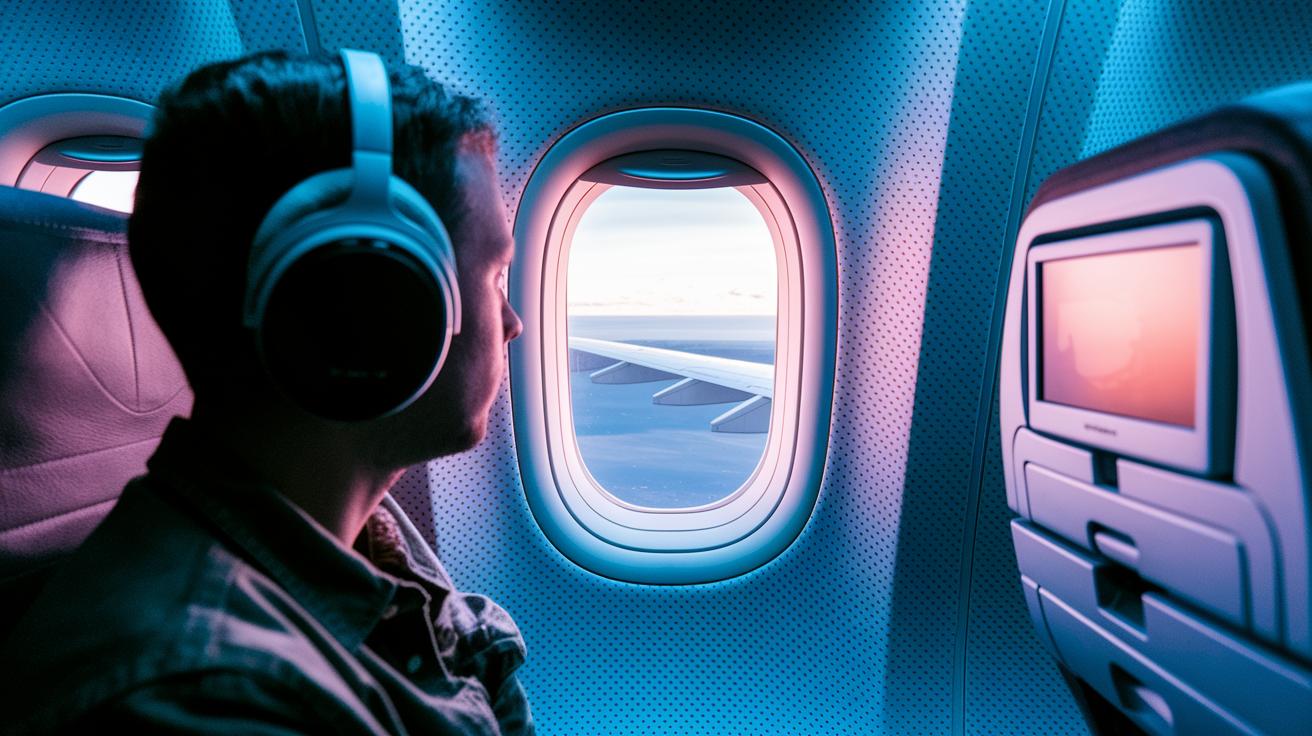
For long flights, the choice often comes down to two key factors: how well the headset blocks noise and how comfortable it feels. Over-ear headphones use large ear cups to block out background sounds naturally, while true wireless earbuds offer a compact design that fits easily into your travel bag and come with smart noise-cancellation features you can tweak using an app.
Over-Ear Headphones:
Headphones like the Sony WH-1000XM6 and Bose QC Ultra create a snug fit that cuts down on ambient noise. They also let you use a wired connection if you want to watch in-seat movies. Plus, they generally hold a charge for the whole day. The trade-off is that they tend to be bulkier, which might add a bit of extra weight to your carry-on.
True Wireless Earbuds:
Options such as the Sony WF-1000XM5 and EarFun Air Pro 4 are all about convenience. They’re small, pair quickly, and fit neatly into even the tiniest bag. They also offer adjustable active noise cancellation controlled via an app, so you can personalize your listening experience.
Ultimately, the best headset for your flight depends on what matters most to you. If you need top-notch noise isolation and long battery life, over-ear headphones are a solid pick. But if you’re all about portability and a lighter footprint, true wireless earbuds could be just what you need.
Budget-Friendly Noise Cancelling Headphones for Travel
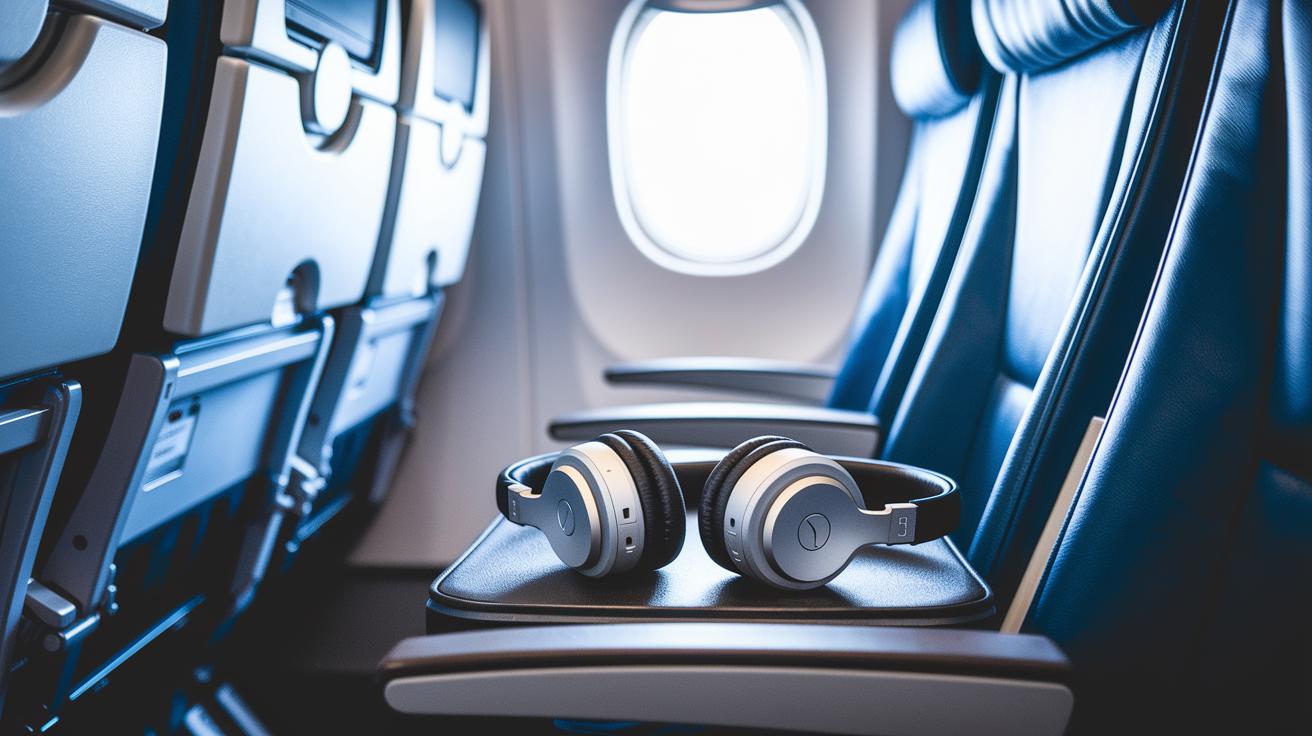
If you fly often and want to save money, these headphones offer a smart way to cut through cabin noise. For example, the JLab JBuds Lux ANC and EarFun Air Pro 4 might not have every fancy extra, but they do a solid job blocking engine hum and chatter on board. With the EarFun Air Pro 4, you can switch between five different noise-cancelling settings to adapt to the varying sounds inside the plane. The JLab model lasts about 14 hours and the EarFun around 9 hours, which works well for most flights, though you might notice a little less richness compared to high-end options during extended travel.
Hands-on tests during flights show these headphones provide enough sound isolation for most passengers. Even cheaper over-ear options, typically around $100 and offering roughly 15 hours of playtime with basic noise reduction, can deliver a decent in-flight experience. In short, if you’re looking to keep costs low without giving up essential noise-cancelling performance, these budget-friendly models can be a practical choice.
5. noise cancelling headphones for long flights shine

Before you board your flight, give your headphones a quick fit check to ensure they seal well around your ears. This helps keep the cabin noise out. If your over-ear headphones allow wired mode, plug in during in-flight entertainment for clearer sound and a more stable connection. Use the companion app to adjust the active noise cancellation until you get the right mix of quiet and situational awareness. Also, check your ear tips regularly and clean or replace them as needed; fresh, secure tips really improve noise blocking. Finally, keep your headphones in the cabin rather than in the cargo hold to protect the battery and avoid harsh temperatures, so they work great throughout your trip.
FAQs on Noise Cancelling Headphones for Long Flights
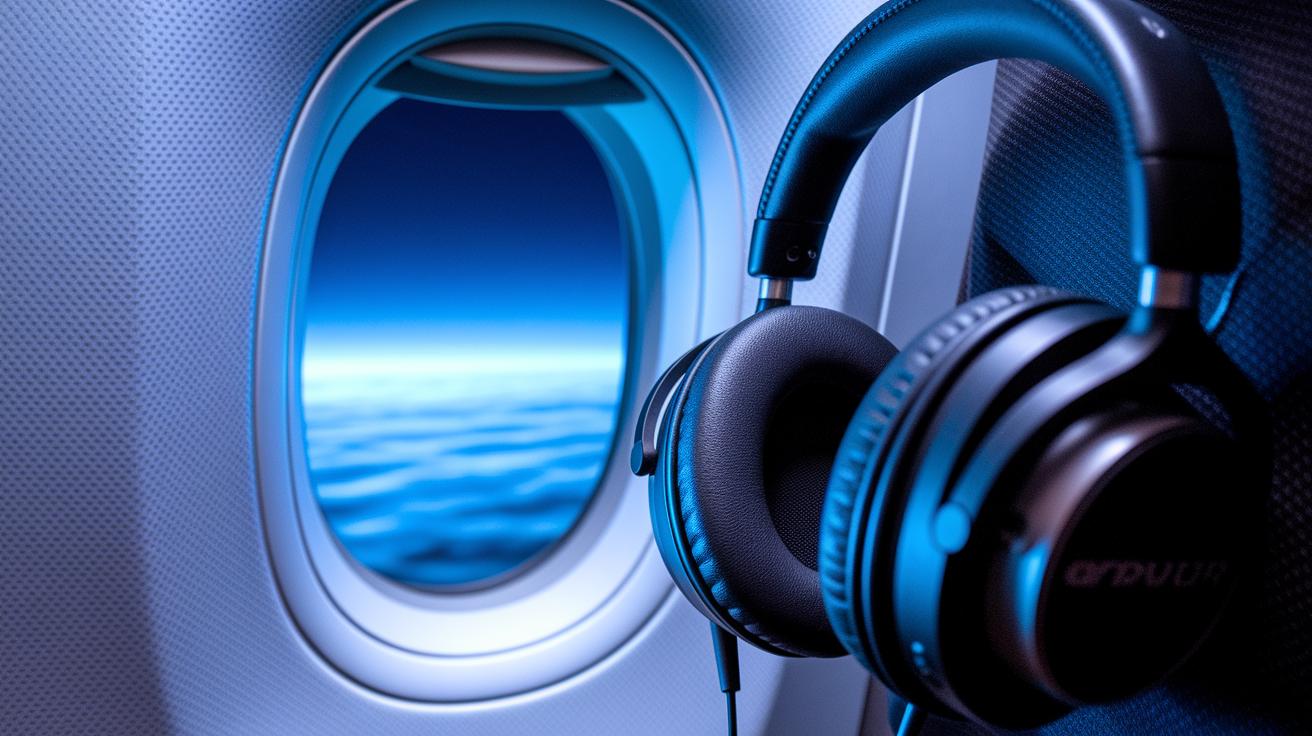
Active noise cancellation (ANC) works by using built-in microphones to pick up low-frequency engine hum and then creating counter sound waves to cancel it out. It performs best when paired with a snug, physical fit that naturally blocks external noise.
Both active and passive noise reduction techniques help during flights. ANC sends anti-noise signals through built-in mics, while the headphones’ design and cushioning physically block ambient sounds.
A wired connection can cut down on delay and improve sound clarity, which is a big plus for keeping in-flight entertainment smooth and reliable.
For long-haul flights, we recommend choosing models with at least 20 hours of ANC battery life. This ensures you can enjoy your journey without worrying about charging.
Even premium wireless earbuds, such as the WF-1000XM5, can offer noise isolation that rivals over-ear models. Still, it’s important to check that they fit well to get the most out of their noise cancellation capabilities.
Final Words
In the action, we covered top models, from battery life and active noise cancellation to fit and price. We compared over-ear headphones and true wireless earbuds, helping you see which design suits long-haul flights best.
We tackled key questions and shared practical tips to beat airport chatter. Enjoy your travels with your noise cancelling headphones for long flights and make every journey a quieter, more comfortable experience.
FAQ
Q: What are the best wireless noise cancelling headphones for long flights?
A: The best wireless noise cancelling headphones for long flights combine effective ANC, long battery life, and comfortable design. They reduce cabin noise to deliver clear sound through models like Sony WH-1000XM4 and Bose QuietComfort Ultra.
Q: Are wired noise cancelling headphones a better option for flights?
A: Wired noise cancelling headphones offer low latency and a stable connection, making them ideal for users who value consistent performance over battery convenience during flights, though they sacrifice wireless mobility.
Q: Where can I find affordable noise cancelling headphones for flying?
A: Affordable options for flying are available on platforms like Amazon, where budget models deliver basic ANC and comfort, providing a cost-efficient way to reduce ambient in-flight noise.
Q: Which headphones deliver a great experience for airplane movies?
A: Headphones that deliver a great movie experience in-flight offer crisp audio and effective noise cancellation. Over-ear models like those from Sony or Bose provide immersive sound with comfortable pads for long movie sessions.
Q: How effective are noise cancelling earbuds on flights?
A: Noise cancelling earbuds, such as premium true wireless models, are effective for flights by offering compact design and strong ANC. They create a quieter environment, making them a great choice for travelers on the move.
Q: Are noise cancelling headphones good for airplane environments?
A: Noise cancelling headphones are well-suited for airplane environments by reducing low-frequency cabin noise with both active and passive isolation, ensuring clearer audio and a more comfortable journey.
Q: How do I use and adjust noise cancelling headphones during a flight?
A: Using and adjusting noise cancelling headphones on a flight involves activating ANC controls or companion apps, ensuring a secure fit for optimal passive isolation, and switching modes to best match the flight’s ambient noise.
Q: What are some recommended noise cancelling headphone models for flying?
A: Recommended models include Anker Soundcore Space One Wireless, Anker Soundcore Space One Pro, Sony WH-1000XM4, Bose QuietComfort Ultra, and Soundcore Life Q30. These offer various features and price points to suit different travel needs.