
Have you ever thought your headphones might offer smoother, richer sound than you expect? Many people settle for ordinary sound even though great quality is within reach. Picking top-notch headphones isn’t just about buying any pair; it’s about matching your music taste and lifestyle. In this guide, we explain important factors like driver types (the part that turns signals into sound), comfort, and price. Follow our seven simple steps to find headphones that deliver the perfect mix of sound quality, design, and value for your listening style.
Step-by-Step Guide to Selecting Audiophile Headphones: Smooth Sound Bliss
When choosing headphones, it's all about matching sound quality, comfort, and design to the way you listen. Whether you're into over-ear models for long sessions or need a pair that keeps your gaming crisp and clear, start by figuring out what matters to you. And don't forget about price; investing in a high-end model with quality materials and genuine driver technology can be well worth it if it fits your sound taste.
Follow these seven simple steps to help you decide:
-
Define your listening goals.
List the types of music you love, pop, rock, classical, etc., and think about where you'll be using them most, like at home, on your daily commute, or in the studio. -
Research driver types.
Compare dynamic drivers, which bring a lively bass punch, to planar magnetic options that offer a smooth, clear sound with less distortion. For example, dynamic drivers might deliver an energetic feel, while planar magnets keep the highs softer and more refined. -
Check impedance and sensitivity.
Make sure your devices support the headphone type you're eyeing. If you're leaning toward high-impedance models, you might need an external amplifier to get the best performance. -
Assess the sound signature.
Listen for key elements like deep bass, clear midrange, and accurate treble. These details will show you whether the headphones fit your favorite music style. -
Test comfort and fit.
If you can, try them on. Check how the clamping feels, whether the earpads are soft enough, and if the headband adjusts well to your head. -
Compare build quality and wiring.
Look for a sturdy design with quality cables. Consider whether you prefer a wired connection, wireless convenience, or the flexibility to enjoy both. -
Set your budget and judge value.
Decide what you're willing to spend and balance expert reviews and your own testing to find the best mix of performance and price.
Understanding Driver Technologies in Audiophile Headphones
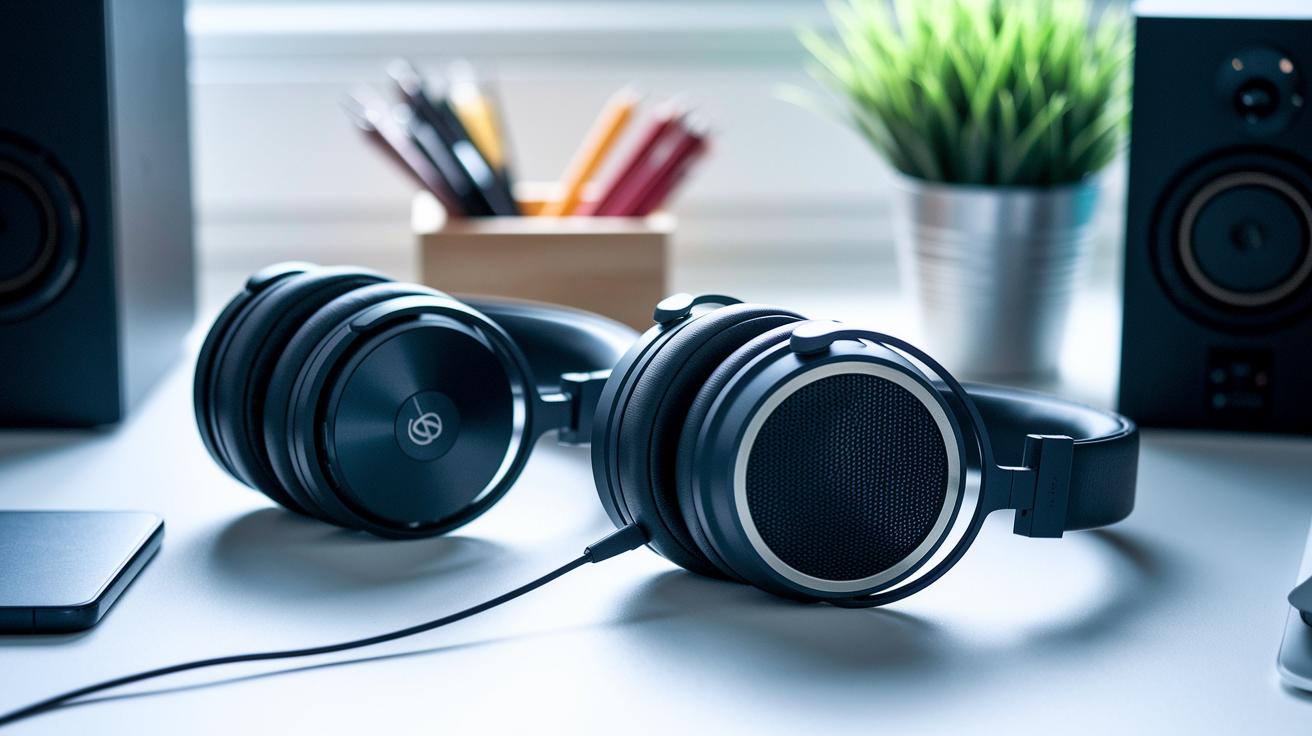
When it comes to headphones, you’ll mainly find two driver types. Dynamic drivers are very common. They move a diaphragm with a magnetic coil to create sound that’s lively and full of punchy bass and energetic mids. They’re efficient and use less power, making them perfect for everyday use on smartphones and laptops.
Planar magnetic drivers work a bit differently. They use a thin diaphragm lined with tiny conductors sandwiched between magnets. This setup gives a lower distortion and a wider soundstage, so you get more accurate and detailed music. However, they usually need more power and are often bulkier, which means they work best with home audio systems or when paired with a dedicated amplifier.
| Driver Type | Pros | Cons |
|---|---|---|
| Dynamic Drivers | Lively sound, punchy bass, battery-friendly | May distort with complex tracks, imaging is less precise |
| Planar Magnetic Drivers | Low distortion, wide soundstage, detailed audio | Higher power needs, heavier design |
Frequency Response and Sound Quality Factors
Understanding a headphone's frequency response curve helps you see how it handles different sound notes. It tells you if the bass will thump, if the mids are balanced, and if the highs come through clearly. When you hear deep bass, think of those booming beats in EDM or metal. And when the midrange is flat, vocals and instruments in jazz or classical tracks sound natural and true.
Imagine this: a smooth, even frequency curve lets every instrument shine, whether it's the gentle strum of a guitar or the soft tick of a piano. Getting that balance right is important because if one part is off, some sounds might get too loud while others are too quiet.
Choosing headphones that match your music taste matters, too. Open-back models usually offer a flat midrange, which is great for hearing the fine details in acoustic or orchestral music. Meanwhile, headphones with boosted bass work well for those who crave more energy and impact in their tunes. By paying attention to these clarity benchmarks, you can pick headphones that truly enhance your listening experience.
Matching Impedance and Sensitivity for Optimal Performance
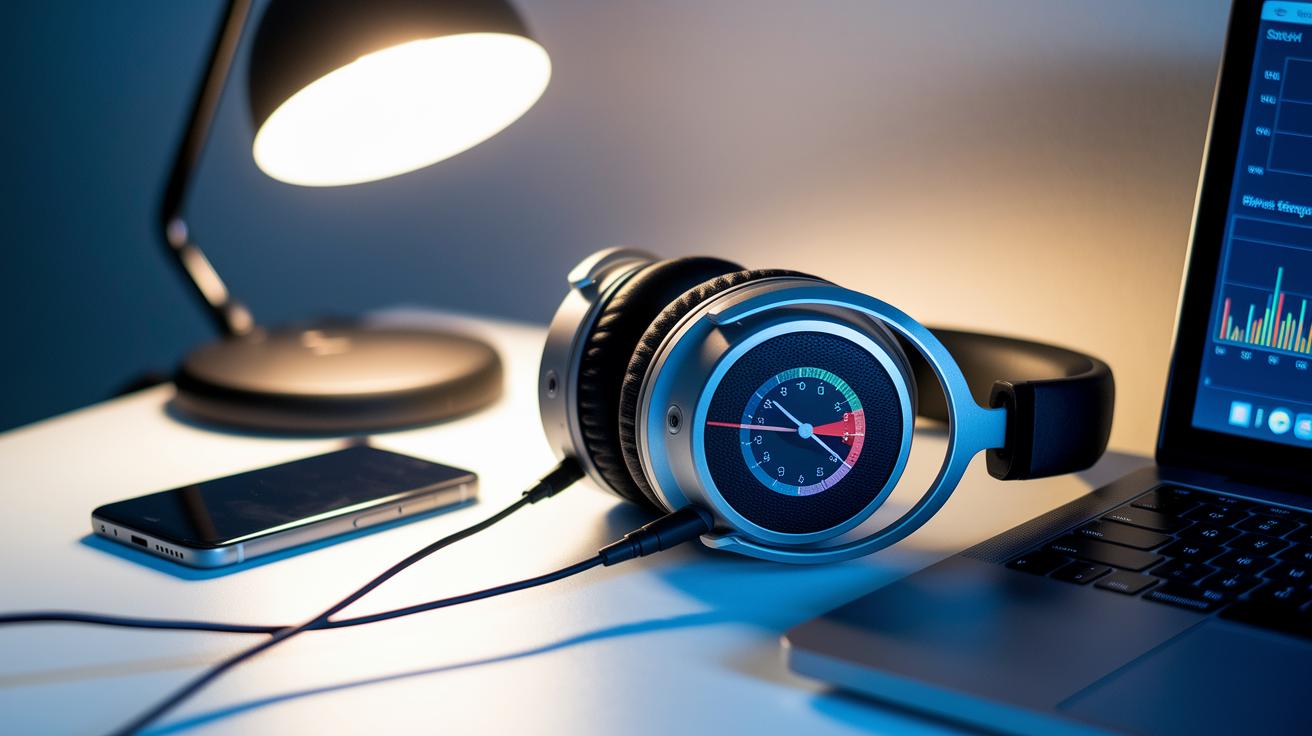
When checking out your headphone specs, look closely at impedance and sensitivity numbers. These values show how much power your device needs to drive the headphones well. High-impedance headphones, like a 300 ohm model, require extra power and may need a dedicated amplifier or DAC (a device that converts digital audio signals to analog) to sound their best. Without this boost, they can seem weak or compressed.
Lower-impedance headphones, on the other hand, work great with everyday devices such as smartphones or laptops. This simplicity makes them a good choice if you want an easy setup without extra gear.
For portable or wireless use, some options, like the Sony WF-1000XM5 earbuds, come with built-in DACs and amplifiers. These built-in features help maximize performance without needing extra accessories, though they might reduce battery life a bit. When you pair headphones with a desktop system, a dedicated amplifier can boost clarity and dynamics. For portable situations, checking the sensitivity rating ensures that even lower-powered devices can drive your headphones effectively.
Matching your headphones' impedance and sensitivity with the proper amplifier or built-in DAC means you avoid performance bottlenecks and enjoy a better listening experience, no matter your setup.
Comfort, Fit, and Build Quality Considerations for Audiophile Headphones
When testing these headphones, focus on how comfortable and well they fit. Check that the clamping force holds them in place without feeling too tight or causing discomfort during long listening sessions. Notice how the cushioned earpads feel; they should be soft and welcoming, much like sinking into your favorite armchair. Also, test the adjustable headband by moving it around until it settles into a smooth, even grip that supports your head without feeling heavy over time.
Next, look at the build quality to see if these headphones are built to last. Inspect the headband for reinforcement and test the hinge by opening and closing the headphones several times. Make sure the cable attachments are sturdy, and if the cables are detachable, that's a plus for both long-term durability and easier portability. For in-ear models, check how well the custom-fit molds secure the earbuds, ensuring they stay snug and comfortable throughout your listening experience.
Comparing Open-Back vs Closed-Back Designs and Isolation
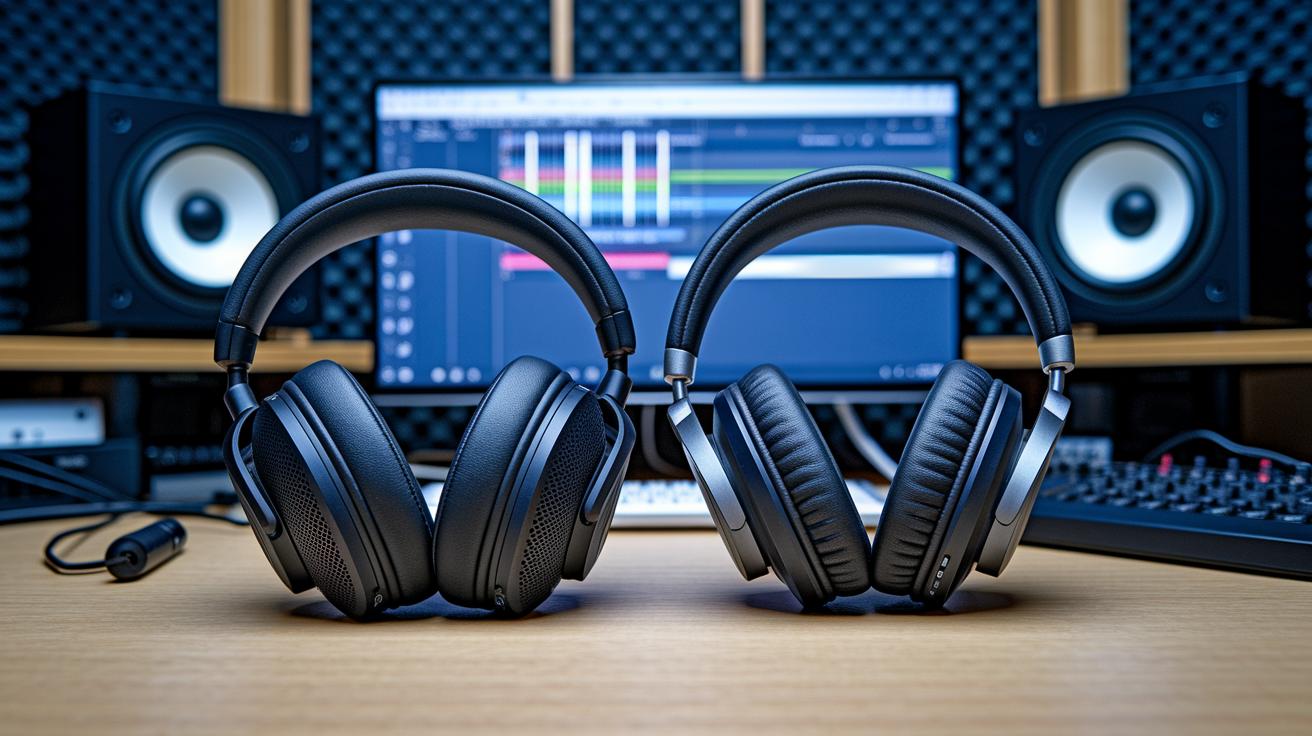
Open-back headphones create a wide, natural sound that makes you feel like you're at a live concert. They let in some ambient noise, which many listeners appreciate for its realistic vibe in quiet spaces like home studios or living rooms. This design works great for music that benefits from a spacious, airy feel, but it's not the best pick for noisy areas.
Closed-back headphones, on the other hand, focus on tight bass and better noise isolation. They block out most outside sounds, which makes them ideal for travel or recording sessions where you don't want sound to leak. Many even come with active noise cancellation to cut down background noise even more. The downside is that their enclosed design can create a more compact sound stage, which might feel a bit tiring during long uses.
Budget vs Premium Audiophile Headphone Options
Entry-Level Headphones (Under $150)
Headphones in this price range usually come with some trade-offs. They often use simpler materials and older driver designs. Still, models like the Audio-Technica ATH-M40x and Sennheiser HD 280 Pro offer solid sound and comfort, making them a great starting point for casual listening and for those new to high-quality audio.
Mid-Range Headphones ($150–$500)
Mid-range options deliver a good mix of quality and value. Products like the Meze 99 Classics and Beyerdynamic DT 770 Pro feature better construction and a more refined sound signature. They use improved driver technology and offer extra comfort which is ideal for long listening sessions. In this tier, you notice a boost in audio detail and durability without a very high price tag.
High-End Headphones ($500+)
High-end headphones such as the Sennheiser HD 800 S and Audeze LCD-2 are built with premium parts and advanced driver designs. They offer exceptional detail, strong dynamics, and a wide, immersive soundstage. The high price reflects deep research, top-quality materials, and precise engineering. It’s best to try these out in person or check expert reviews to see if they match your personal sound taste.
| Price Tier | Price Range | Example Models |
|---|---|---|
| Entry-Level | Under $150 | Audio-Technica ATH-M40x, Sennheiser HD 280 Pro |
| Mid-Range | $150–$500 | Meze 99 Classics, Beyerdynamic DT 770 Pro |
| High-End | $500+ | Sennheiser HD 800 S, Audeze LCD-2 |
Choosing Audiophile Headphones Based on Music Genre and Sound Signature
If you're into EDM or metal, you'll want headphones that hit hard on the bass. Take the Sony WH-1000XM5 for example. These headphones deliver a powerful low-end that makes each beat feel energetic and crisp, keeping your tracks lively and engaging.
For those who love pop or hip-hop, a strong bass presence paired with a clear midrange is key. The best headphones for these genres boost the bass without hiding the vocals or instruments. That way, every groove, lyric, and melody shines through just as the artist intended.
Rock, indie, and country fans tend to enjoy open-back headphones because they offer a broad soundstage. This design makes it easy to hear separate layers of guitars, drums, and vocals. Each instrument feels like it's coming from a different corner of the room, giving the music a natural, live feel.
When it comes to classical, jazz, or piano music, accuracy is crucial. You'll need headphones with a flat midrange and a dynamic range that handles subtle details beautifully. Open-back models are a great match here, as they reproduce every delicate nuance and offer a balanced, refined listening experience.
Testing, Break-In, and Finalizing Your Audiophile Headphone Selection
When you pick out new headphones, testing them thoroughly is a must. Start by playing a mix of songs that highlight deep bass, clear mids, and crisp highs. For example, a heavy bass EDM track can show off the lows, an acoustic track reveals the mids, and a jazz tune brings out the treble details. Experiment with different volume levels to catch any distortion or fatigue that might creep in at higher or lower settings.
Comfort matters too. Wear your headphones for long stretches to see if the clamping feels too tight or if the cushions lose their softness over time. Many headphones benefit from a break-in period of 20 to 50 hours, much like letting bread dough rise to get the perfect texture.
Finally, compare your impressions to trusted expert reviews. Blending your own observations with those from reliable sources helps you confidently decide if the headphones deliver the smooth, balanced sound you’re looking for.
Final Words
In the action, we broke down the process of selecting your perfect pair. We covered driver types, sound signature details, impedance matching, and ergonomic fit. The guide compared open-back versus closed-back designs, balanced budget options with premium models, and matched headphone features to music genres. Testing tips and break-in advice rounded out the step-by-step approach. With this clear breakdown, how to choose audiophile headphones becomes a practical, user-friendly journey. Enjoy finding the gear that truly elevates your listening experience!
FAQ
How do I choose audiophile headphones for different uses like music, gaming, or work?
Choosing audiophile headphones depends on sound signature, comfort, build quality, and compatibility with your devices. Reviews and in-person trials help match gear for music, gaming, or work environments.
What are the best audiophile headphones for wireless, noise cancelling, and travel?
High-quality wireless and noise-cancelling headphones designed for travel blend portability with precise sound reproduction, ensuring clear audio even in noisy environments. Look for models that prioritize battery life and reliable connectivity.
What headphones do audiophiles like?
Audiophiles often favor models known for their balanced sound and durability. Popular choices include Sennheiser’s range (HD 600, HD 650, HD 660 S, HD 560S, HD 800 S) and options like the HIFIMAN Sundara for detailed performance.
What is the 60 rule for headphones?
The 60 rule for headphones means listening at no more than 60% volume for 60 minutes at a time, which helps prevent hearing damage while still enjoying high-quality sound.
Why do audiophiles dislike Beats headphones?
Audiophiles criticize Beats headphones for often prioritizing a style appeal and boosted bass over a balanced, accurate sound profile, which can compromise overall sonic clarity for critical listening.
Are audiophile headphones worth the investment?
Audiophile headphones are worth it if you prioritize detailed sound accuracy, premium build quality, and long-term listening comfort. They tend to cost more but deliver an enhanced, immersive audio experience.
What are some of the top Sennheiser audiophile headphone models?
Sennheiser offers several respected models such as the HD 600, HD 650, HD 660 S, HD 560S, and HD 800 S, each delivering unique tonal balance and expansive soundstage tailored to different listening preferences.
What makes the HIFIMAN Sundara Planar Headphones stand out?
HIFIMAN Sundara Planar Headphones feature a planar magnetic design that provides low distortion and an expansive soundstage, offering a refined, detailed listening experience for discerning audiophiles.