
Ever wondered how noise-cancelling headphones block out the world? They use a clever science trick to turn loud, distracting sounds into quiet. Tiny microphones pick up ambient noise, and the built-in circuits generate sound waves that are the exact opposite of those noises. When these opposing waves meet, they cancel each other out. In this article, we explain the simple science behind this interference and how a mix of smart hardware and digital processing gives you a focused, calm listening experience.
How Noise Cancelling Headphones Use Destructive Interference for Sound Nullification
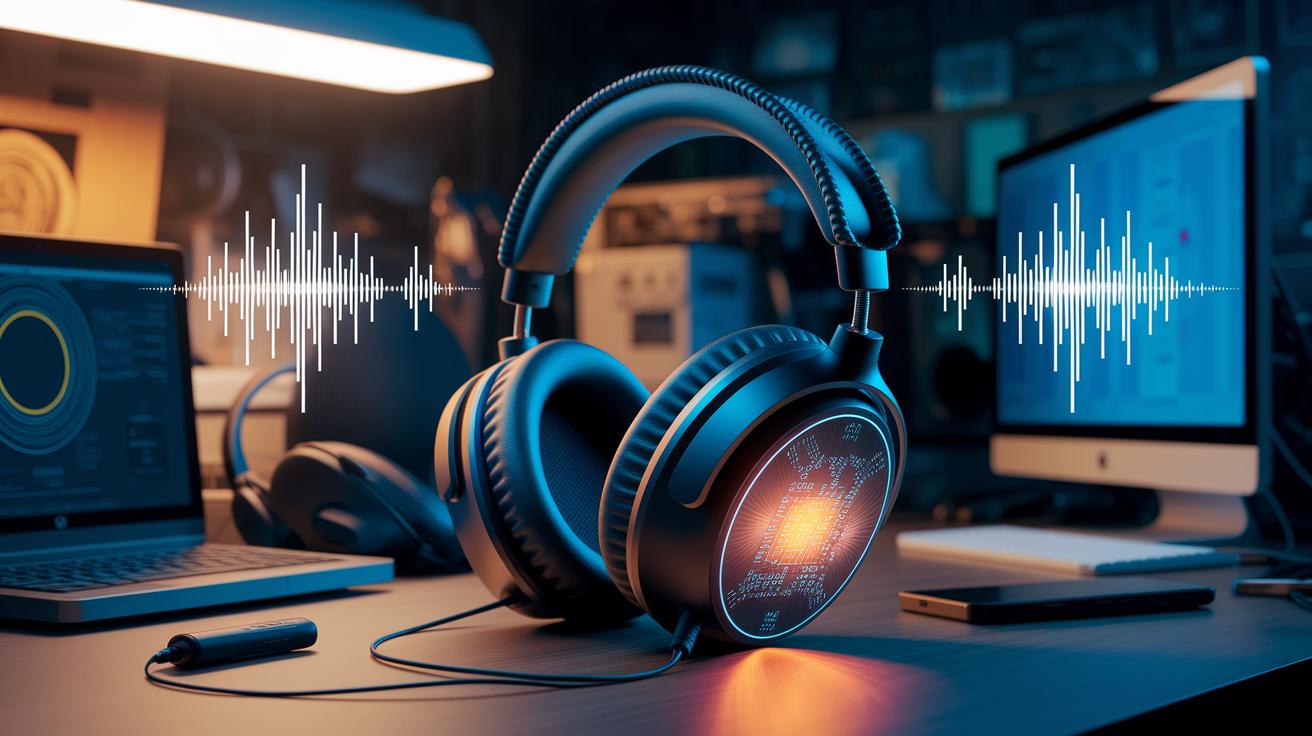
Active noise cancellation in headphones works by using a clever trick: it creates sound waves that cancel out unwanted noise. First, tiny microphones pick up sounds around you. They capture both the loudness and pitch of these noises and send that information to the device's electronics.
The circuit then uses a built-in algorithm to generate sound waves that match the external noise in intensity but are inverted in phase. When these opposite waves meet, they cancel each other out, leaving you with a quieter listening experience. This method works particularly well with steady, low-frequency sounds like an engine's hum or the constant drone inside an airplane.
Keep in mind, while this technique is great for predictable background noises, sudden or irregular sounds might not disappear completely. Overall, the smart design of the system ensures that most of the unwanted noise is reduced, helping you enjoy a more controlled and peaceful auditory experience.
Electronic Components and Signal Processing in Noise Cancelling Headphones
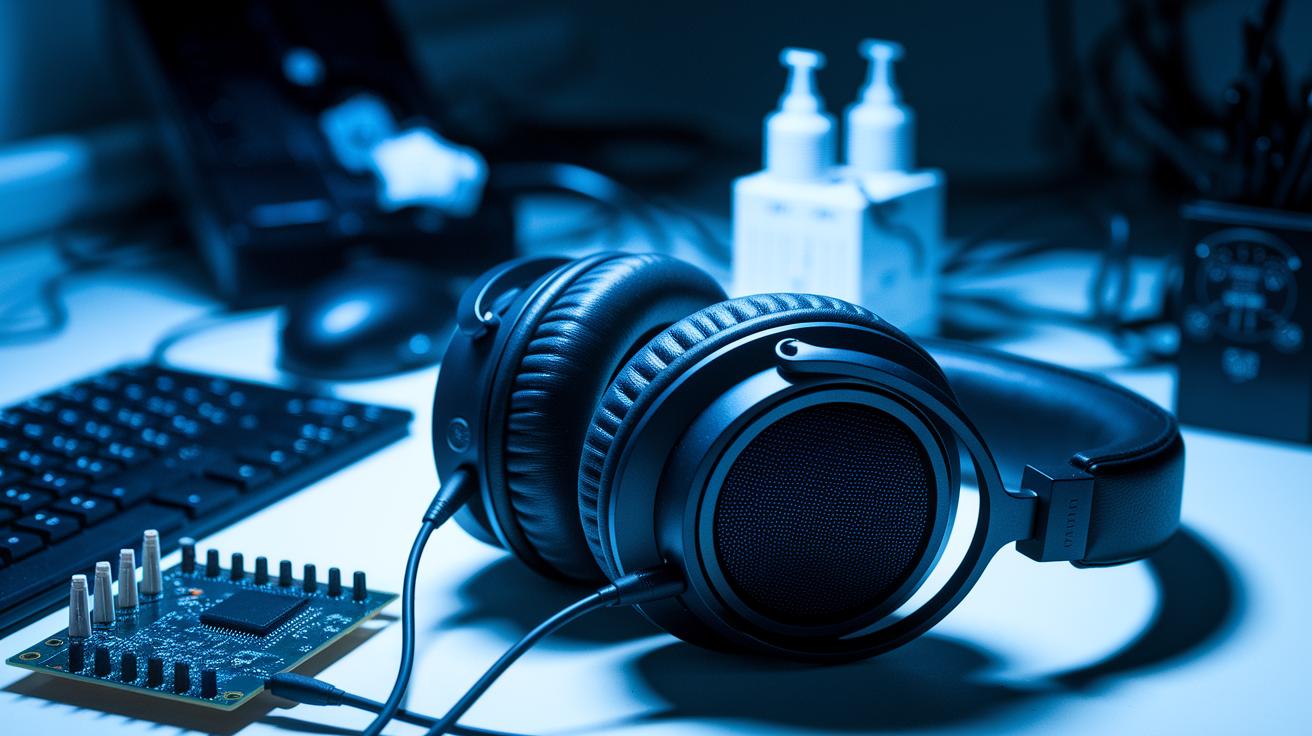
Noise cancelling headphones blend smart hardware with finely tuned firmware so you can enjoy quieter sound. Tiny microphones tucked into the earcups constantly pick up background noise. The captured sound is sent to a digital signal processor (DSP) that works in real time to analyze the waves. Using adaptive filters, the DSP creates an "anti-noise" signal that cancels out the noise with a reversed sound wave. Parts like analog circuits and amplifiers then boost and refine this anti-noise before it reaches the drivers. For example, if you're stuck near a running engine, the DSP detects the constant hum and produces a counteracting waveform that mutes the engine noise.
A rechargeable battery powers the whole system, with most models running between 15 and 40 hours on a charge. This reliable battery life is key for keeping the real-time processing smooth and effective. In simple terms, every part of the headphone works like a well-tuned team to block out unwanted sounds and deliver clear audio whenever you need it.
Combining Passive Acoustic Dampening and Active Cancellation in Noise Cancelling Headphones
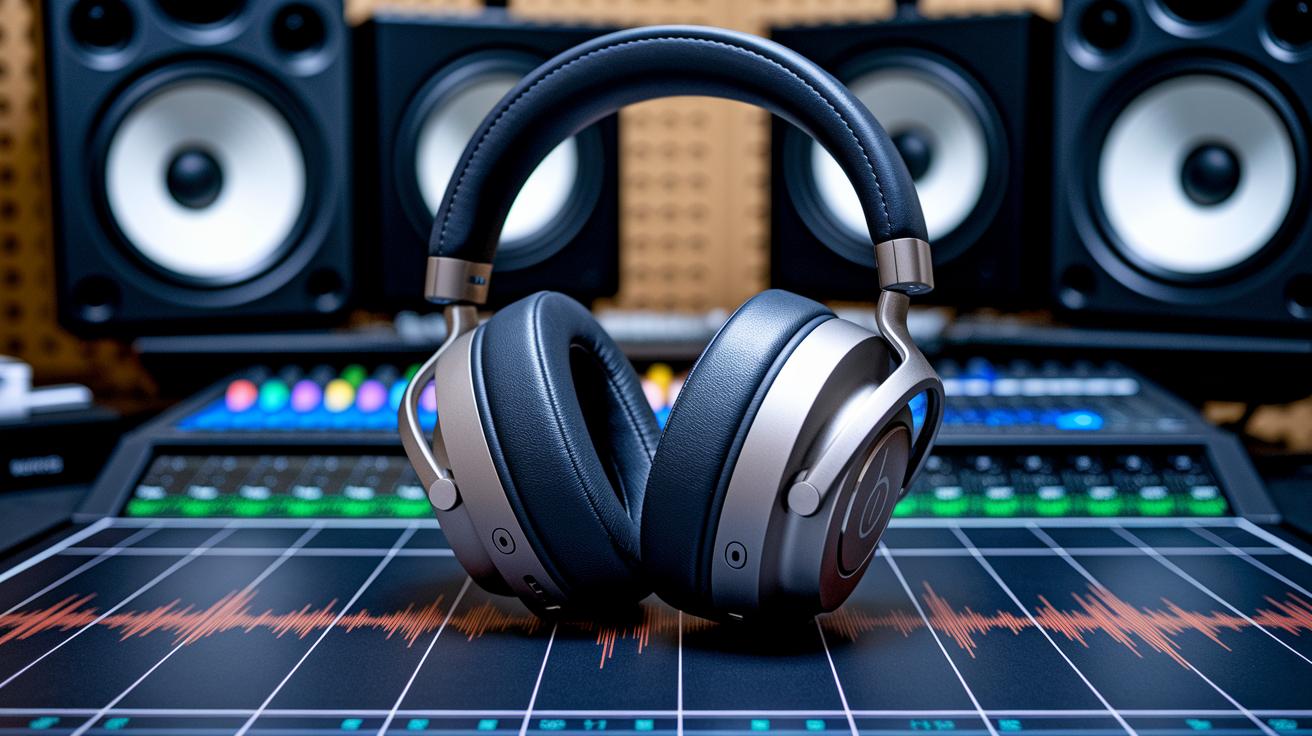
Top-tier noise-cancelling headphones combine both active circuitry and a physical design to fight noise across all frequencies. They use active cancellation to create an opposite sound wave that cancels out steady, low-pitched hums, while dense earcup materials and memory-foam pads block mid- and high-frequency sounds efficiently.
The idea behind passive acoustic dampening is simple. Manufacturers design earcups that fit snugly around your ears, forming a tight seal that stops high-frequency sounds from getting through, much like the secure foam tips in some in-ear models. Many users find that the extra weight and bulk of these over-ear designs not only add comfort during long listening sessions but also boost the overall noise-blocking performance.
By blending active and passive techniques, these hybrid headphones minimize noise across the board. The active component quickly neutralizes consistent low-pitched noises such as engine rumble, while the physical elements take care of erratic, high-pitched disturbances. This smart combination delivers a quieter, more focused listening experience.
Measuring Performance and Ideal Use Cases for Noise Cancelling Headphones
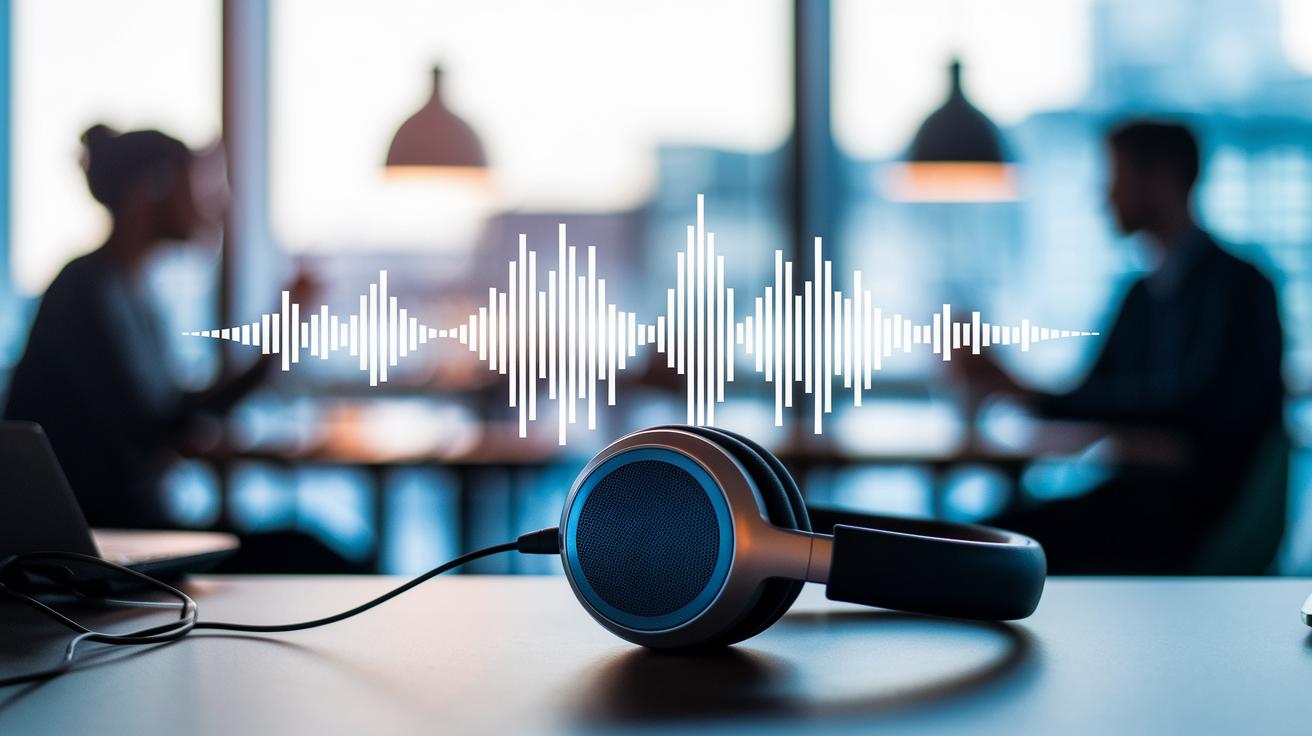
When we test noise cancelling headphones, we look at how many decibels (dB) they reduce unwanted background sounds. The best models usually lower noise by 20-30 dB in the 100 to 500 Hz range. This means they effectively mute low, steady sounds like an airplane engine or the humming inside a busy cabin.
These headphones shine in places where the background noise stays steady. Think of open offices, busy cafés, or your daily subway ride. They quickly reduce the constant hum and make it easier to focus. Even when you're traveling, the steady drone from planes or trains is softened, which makes your journey more relaxing.
That said, sudden sounds and high tones – like people talking or barking dogs – may still get through. In these cases, using a white-noise app can add an extra layer of quiet. Experts also suggest giving your ears a break every 60 minutes if you keep the volume at around 60% or less. This habit not only protects your hearing but also helps reduce tiredness from long periods of active noise cancellation.
- Steady noise environments work best
- Noise reduction: 20-30 dB at 100-500 Hz
- Keep listening sessions to about 60 minutes at 60% volume or lower
Limitations, User Comfort, and Potential Side Effects of Noise Cancelling Headphones
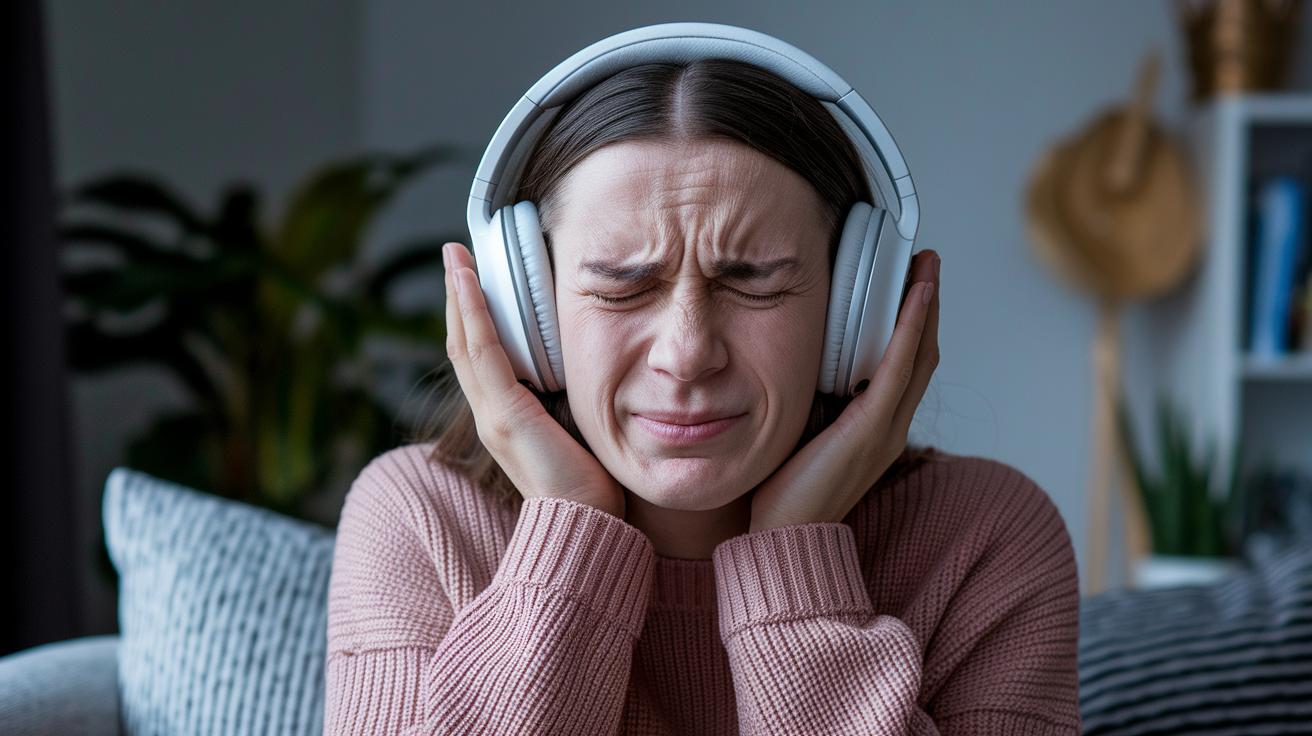
Some users might feel a bit off after wearing noise cancelling headphones for too long. You may notice a pressure on your ears, often called "eardrum suck", that can lead to popping sensations, mild headaches, or just a general feeling of discomfort. Wearing them for an extended period can sometimes make you feel isolated from your surroundings, which might even lead to fatigue. This can be a safety concern if you later need to be aware of what's going on around you.
Keep in mind that sudden, loud sounds can sometimes slip through the noise cancellation. This means the headphones might not be completely reliable if unexpected noises pop up. To help avoid these issues, it's a good idea to take short breaks, about every hour, and adjust the fit of your headphones to reduce that pressure.
Here are some practical tips:
- Keep an eye on your volume level to help prevent hearing fatigue.
- Experiment with how the headphones sit on your ears to find a more comfortable fit.
- Take regular breaks to give your ears a rest from the constant silence.
These simple practices can help you enjoy effective noise reduction while keeping you comfortable and aware of your surroundings.
Real-World Examples of Noise Cancelling Headphone Technologies and Brands
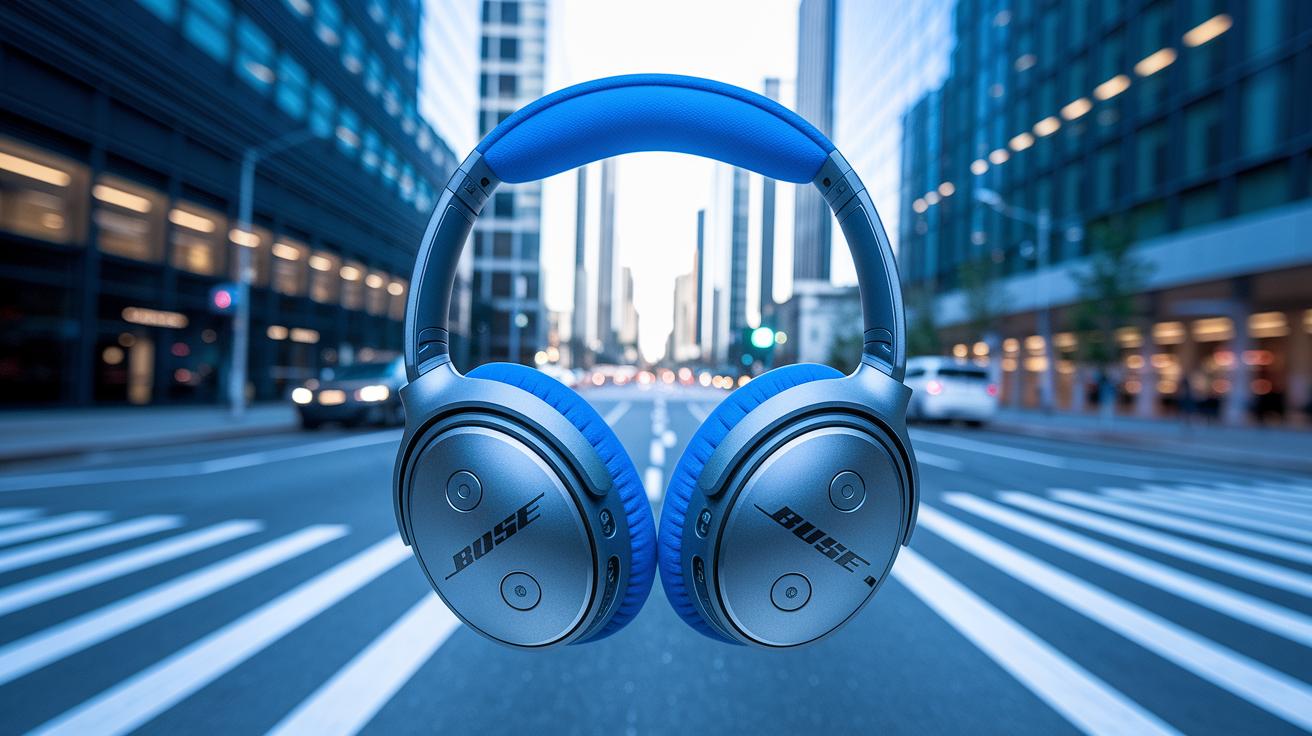
Bose QuietComfort headphones use smart feedback systems and dual microphones that adjust continuously to quiet or noisy environments. This means whether you're walking in a busy city or sitting in a calm room, the headphones keep the sound cancellation smooth and steady.
Apple AirPods Pro take a different route. They have microphones on both the inside and outside of the ear. Their custom audio drivers work together using phase inversion (a method that cancels noise by flipping sound waves) to reduce background sounds without completely isolating you.
Beats Studio headphones offer a neat innovation with their sealed earcup design and real-time adaptive noise cancellation. They automatically adjust for each ear, so if one side picks up more background noise, the system balances it out for a consistent listening experience.
House of Marley brings a fresh perspective by using sustainable materials in their build. They still deliver strong noise cancellation using standard algorithms, which shows their commitment to both quality sound and the environment.
Sonos Ace includes an "Aware Mode" that lets in certain sounds. This feature is great if you need to stay alert to things like traffic or important announcements while still enjoying noise cancellation.
| Model | Key Features |
|---|---|
| Bose QuietComfort | Adaptive feedback loops, Dual microphones |
| Apple AirPods Pro | Inward/outward microphones, Custom phase inversion |
| Beats Studio | Sealed earcups, Adaptive cancellation per ear |
| House of Marley | Sustainable design, Robust standard ANC |
| Sonos Ace | Aware Mode for environmental sounds |
Each of these models shows a different way to tackle background noise, so you can pick the one that fits best with your everyday needs.
How Do Noise Cancelling Headphones Work: Cool Science
Recent breakthroughs in noise cancelling technology are changing how headphones shut out unwanted sound. Researchers are now using machine learning (tech that helps devices learn from data) to predict and adjust for changing background noise almost instantly. Imagine your headphones getting to know the sound of your daily commute so they can fine-tune their noise blocking before traffic even picks up.
Hybrid designs are also in the works. These new models combine traditional noise cancelling with sensors, like accelerometers (which measure movement) and temperature sensors, to detect changes around you. For example, if you’re caught in a sudden downpour on a busy street, the headphones might kick in extra noise reduction before the sound of the rain gets overwhelming.
In addition, advances in materials are improving passive sound dampening. Manufacturers are testing innovative substances such as metamaterials and nano-foams to isolate sound better without making the headphones bulkier. And with the rise of smart devices, future headsets could even adjust their settings automatically when you move from a quiet office to a noisy outdoor space.
All these innovations point to a future where noise cancelling headphones do more than just mute sounds, they adapt in real-time to fit your lifestyle.
Final Words
In the action, we examined how noise cancelling headphones use phase cancellation to cut down ambient disruptions. We mapped out core components, from inverse wave generation and digital signal processing to passive dampening with over-ear designs. The review highlighted real-world performance, potential comfort issues, and when these features shine best. Plus, it answers how do noise cancelling headphones work, offering practical insights for informed purchases. The summary leaves us optimistic about the current innovations and the bright future ahead for these devices.
FAQ
What are the best noise cancelling headphones?
The best noise cancelling headphones deliver strong active cancellation, clear audio quality, comfortable design, and reliable battery life. They use advanced technology to reduce ambient noise in various environments.
How do noise cancelling headphones work without music and do you have to listen to music for them to work?
Noise cancelling headphones function by capturing ambient sound through built-in microphones and generating inverse waves to cancel noise. They work independently of music playback, meaning you don’t need to listen to music for cancellation.
Is noise cancelling bad for your ears?
Noise cancelling headphones are generally safe, though some users report discomfort from prolonged use or high volume levels. Regular breaks and moderate volume help reduce potential ear strain or fatigue.
How do noise cancelling headphones work from a physics standpoint?
Noise cancelling headphones operate using destructive interference. They create inverse sound waves that cancel incoming noise by neutralizing the wave’s amplitude, reducing background sounds effectively.
How do noise cancelling headphones work wirelessly?
Wireless noise cancelling headphones use Bluetooth to transmit audio while their internal microphones and processors generate anti-noise signals. This setup cancels ambient sounds without needing any wired connection.
How do noise cancelling headphones work on a plane?
On planes, noise cancelling headphones reduce the steady low-frequency hum of engines by producing anti-noise waves that target continuous background sounds, making flying more comfortable and quieter.
How do noise cancelling headphones work, according to Reddit discussions?
Reddit users explain that noise cancelling headphones use microphones and digital processors to sample ambient noise, then create inverted signals to cancel it out, which confirms the underlying phase cancellation technology.
How do noise cancelling headphones work for kids?
Noise cancelling headphones designed for kids use the same technology as adult models but include volume limits and a design aimed at smaller heads. This ensures safe listening while reducing background noise.
Do noise cancelling headphones really work?
Noise cancelling headphones truly work by actively minimizing ambient noise with inverse sound waves. They are most effective at reducing steady, low-frequency noise, though unpredictable or high-frequency sounds may still be heard.
What are the disadvantages of noise cancelling headphones?
Disadvantages include potential discomfort, feelings of pressure on the ears, isolation from environmental sounds, limited performance against sudden noises, and a generally higher price compared to standard headphones.
Can you still hear everything with noise cancelling headphones?
While noise cancelling headphones significantly reduce unwanted background noise, they do not block all sounds. Some high-frequency or sudden noises can still be audible, depending on the model and settings.