
Ever notice how some homes have a cool, futuristic glow? Smart lights let you control brightness, color, and settings right from your phone or even with your voice. No more flipping switches by hand, you can create the perfect mood for any moment with just a tap. In this post, we break down what smart lights are and how they can change your daily routine, making your home more flexible and inviting.
what are smart lights: Illuminate Your Home
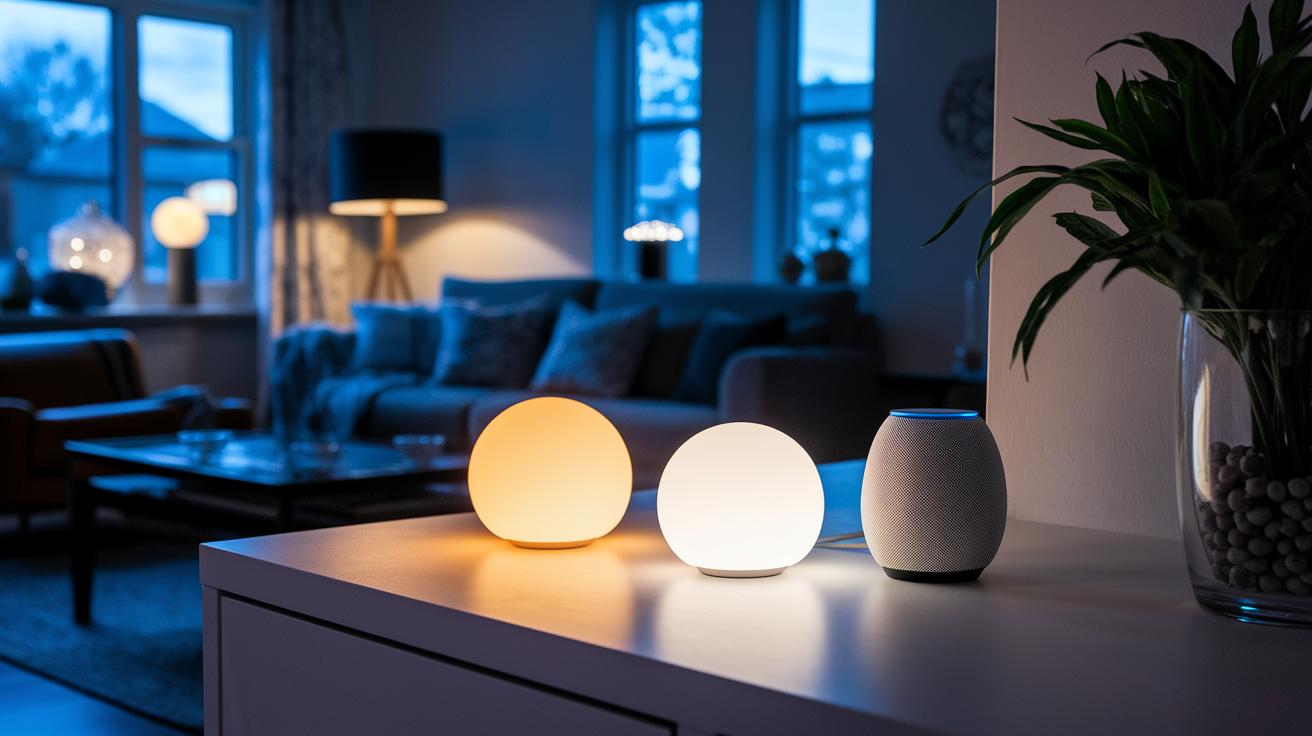
Smart lighting means using advanced lights that you control right from your phone or with voice helpers like Alexa or Google Home. Instead of fiddling with old-school switches, these lights run on smart software so you can manage brightness, turn them on or off, and even change their colors from anywhere. Imagine waking up to a room that slowly brightens, or winding down with a warm, dim setting, all without getting off the couch.
Plus, smart lights let you group several fixtures together so they all change in sync. You can easily switch from a cozy, warm glow for dinner to a crisp, cool light to focus on work. For instance, setting up a group of smart bulbs in your living room means they can all shift at once for that perfect movie night mood or an energizing start to your day. This flexibility makes smart lights a practical upgrade over traditional bulbs, giving you more control and style for everyday home lighting.
Smart Lights Technology: How Connectivity Enables Remote Control
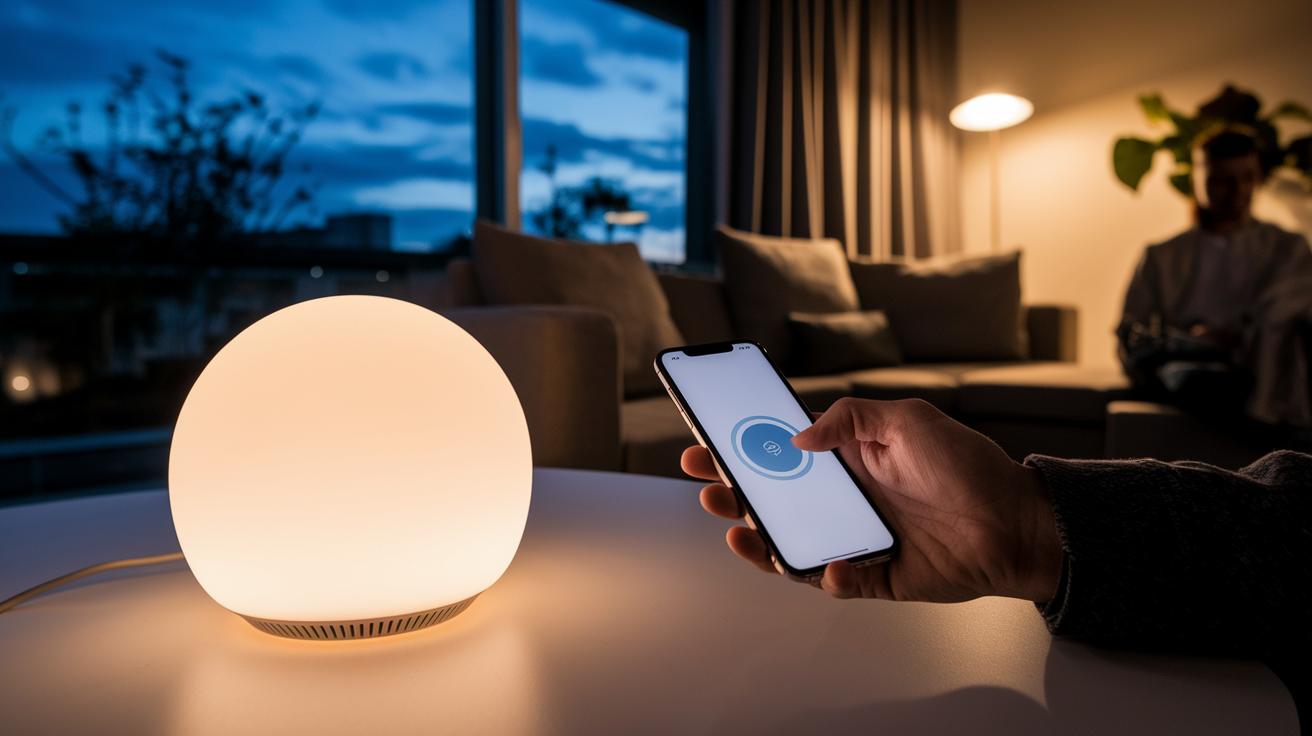
Smart lights use wireless connections so you can control them from nearly anywhere in your home. They connect through Wi‑Fi, Bluetooth Low Energy (BLE) which typically works up to 100 feet, or via special hubs provided by the manufacturer. For example, during one evening test, I was able to dim a lamp from almost 90 feet away using BLE. This shows just how these lights let you skip the old manual switches.
These LED bulbs pack built‑in wireless modules that talk directly with your smartphone or voice assistant. That means you can easily adjust brightness, switch color temperatures, or set timers without having to get up. Whether you're in another room or just on the other side of your hall, you get to change the settings from afar, a smart solution for everyday convenience.
New industry standards like Zigbee, Thread, and Matter are now part of many smart lighting setups, making it easier for different devices to work together. Another neat innovation is mesh networking, where each light passes signals along to the next. This design helps extend coverage across larger areas without needing extra wiring. As more homes get connected, smart lighting is turning into a key element for creating an efficient, connected living space.
Key Features of Smart Lights: Scheduling, Scenes, and Voice Commands
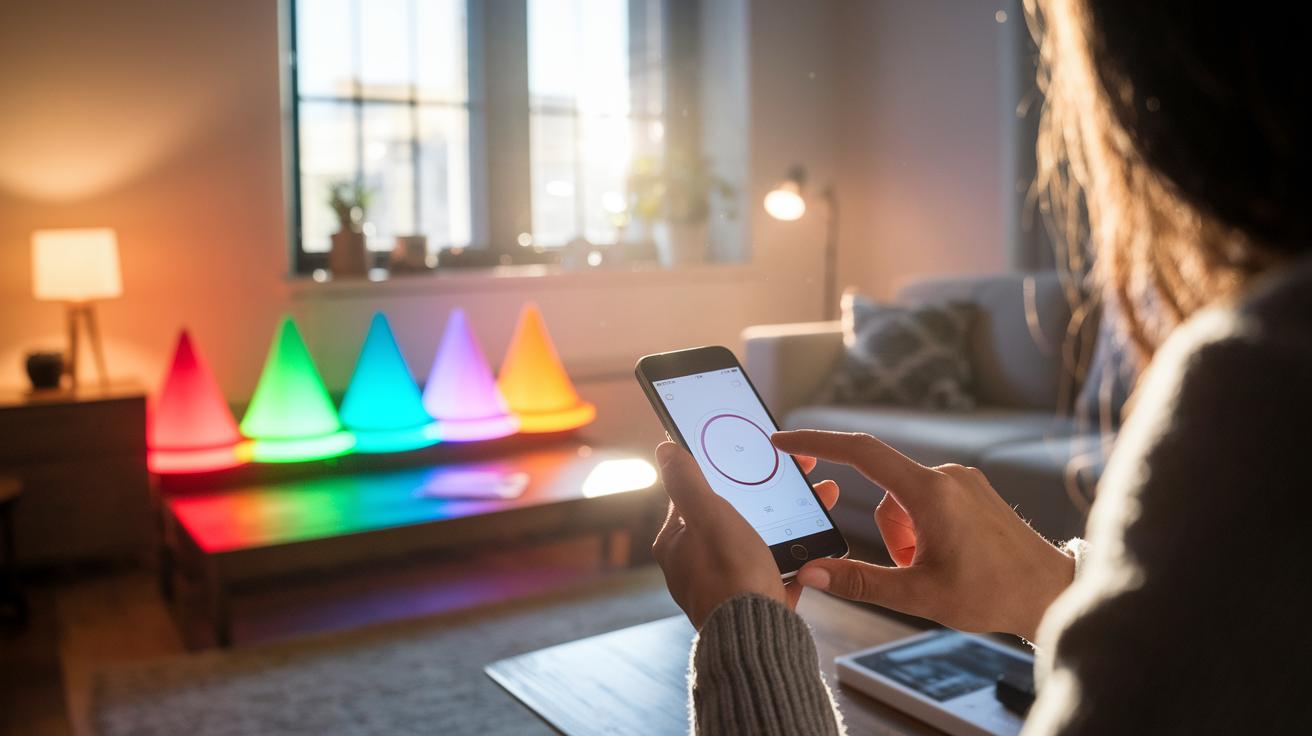
Smart lights do more than brighten a room. They let you control your home's atmosphere and boost energy efficiency at the same time. You can set them to turn on or off automatically, change settings for different activities, and adjust based on the time of day, all from your smartphone or by asking Alexa or Google Assistant. They also offer power-saving modes and a rainbow of color options, making them a versatile choice for everyday living.
- Schedule your lights to power on or off automatically.
- Save energy with smart modes that cut down on power usage while keeping the right brightness.
- Pick from preset lighting scenes like warm white, cool white, or full RGB to match your mood.
- Enjoy a gentle wake-up with routines that mimic the sunrise.
- Control groups of lights together so you can set the perfect scene for any room.
- Use geofencing to switch lighting settings automatically when you come or go.
When you try these features at home, they add real convenience and flexibility to how you light your space. Take the Immensa Lamp, for example. With 16 million color options and a cool music mode, it can create effects that dance along with your favorite tunes at a party. Then there’s the Immensa Batten, which easily shifts from a bright, energizing light in the morning to a warm glow in the evening. And if you set up group control in your living room, you can dim all the lights for movie night or brighten them for a cozy dinner with just one tap. All these elements work together to turn ordinary lighting into an experience that fits your lifestyle, putting you in control while saving energy over time.
Benefits of Smart Lights: Saving Energy, Time, and Money

Smart lights help reduce your energy use with built-in schedules that turn them on and off automatically. This means you only use power when you need it, cutting down on wasted electricity.
LED smart bulbs last much longer than old incandescent ones, up to 25,000 hours compared to around 1,000 hours. This long life means fewer trips to the store and less hassle replacing bulbs, saving you both time and money.
They’re also super convenient and boost your home’s security. You can control your lights from an app whether you’re in the next room or on vacation. With customizable schedules that mimic your presence, smart lights help keep your home secure without constant manual adjustments.
While they cost a bit more upfront, smart lights ultimately help lower your bills. Fewer bulb replacements and reduced energy use make them a smart investment for anyone looking to save money and energy over time.
Exploring Smart Light Types: Bulbs, Strips, and Fixtures Compared
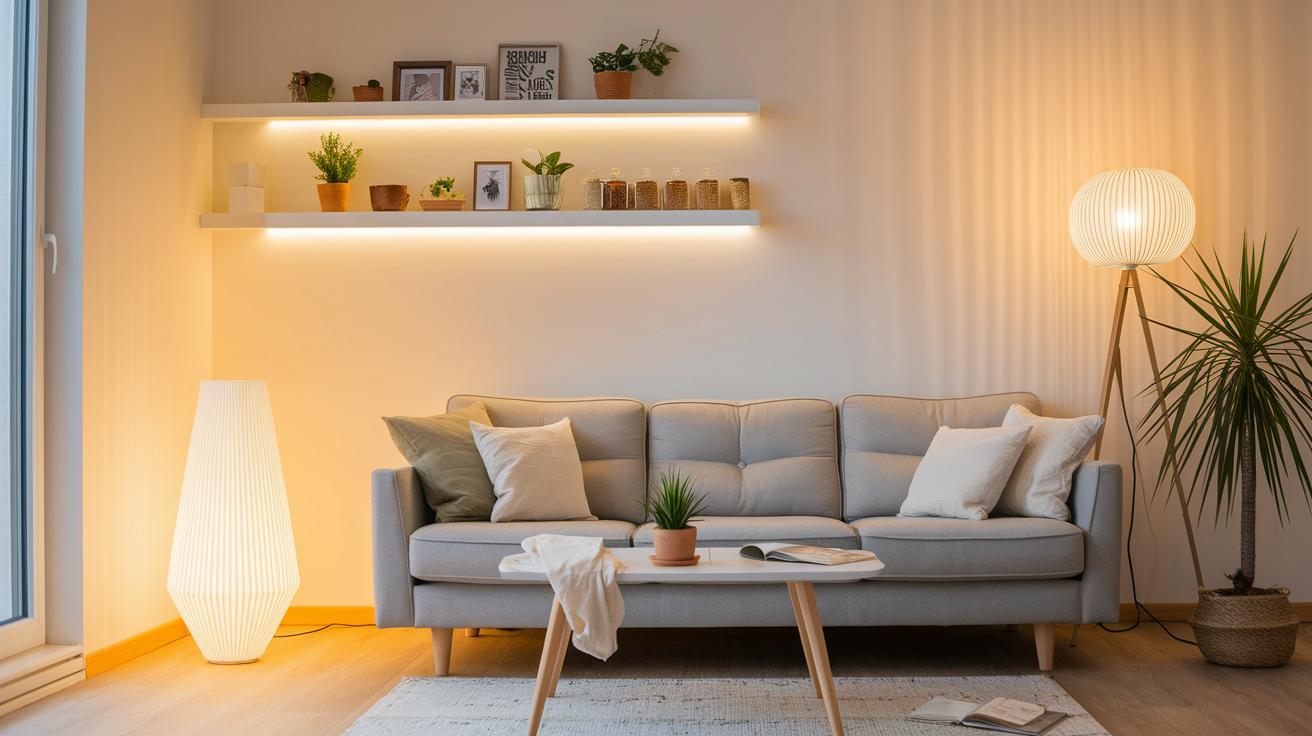
Smart lighting gives you plenty of options to brighten up your home in just the way you want. Basic smart bulbs fit into your regular light sockets, while LED strips and strings add a fun accent to any room. Wall and floor lamps with smart controls let you layer your lighting, and weatherproof outdoor fixtures keep your porch or garden lit safely. Your ideal choice depends on your needs and the kind of vibe you're aiming for.
| Smart Light Type | Ideal Use |
|---|---|
| Smart Bulbs | Everyday room lighting using existing sockets |
| Wall Lamps | Focused lighting for hallways and bedrooms |
| Floor Lamps | Versatile lighting in living rooms or reading nooks |
| Outdoor Fixtures | Durable, weatherproof lighting for porches and gardens |
| LED Strips & Strings | Decorative lighting to enhance décor and mood |
These smart lighting options let you easily mix and match features to suit any space. Whether you're planning a lively party or a calm night in, there's a smart light solution that fits right in with your everyday life.
Installing and Setting up Smart Lights: Step-by-Step Instructions
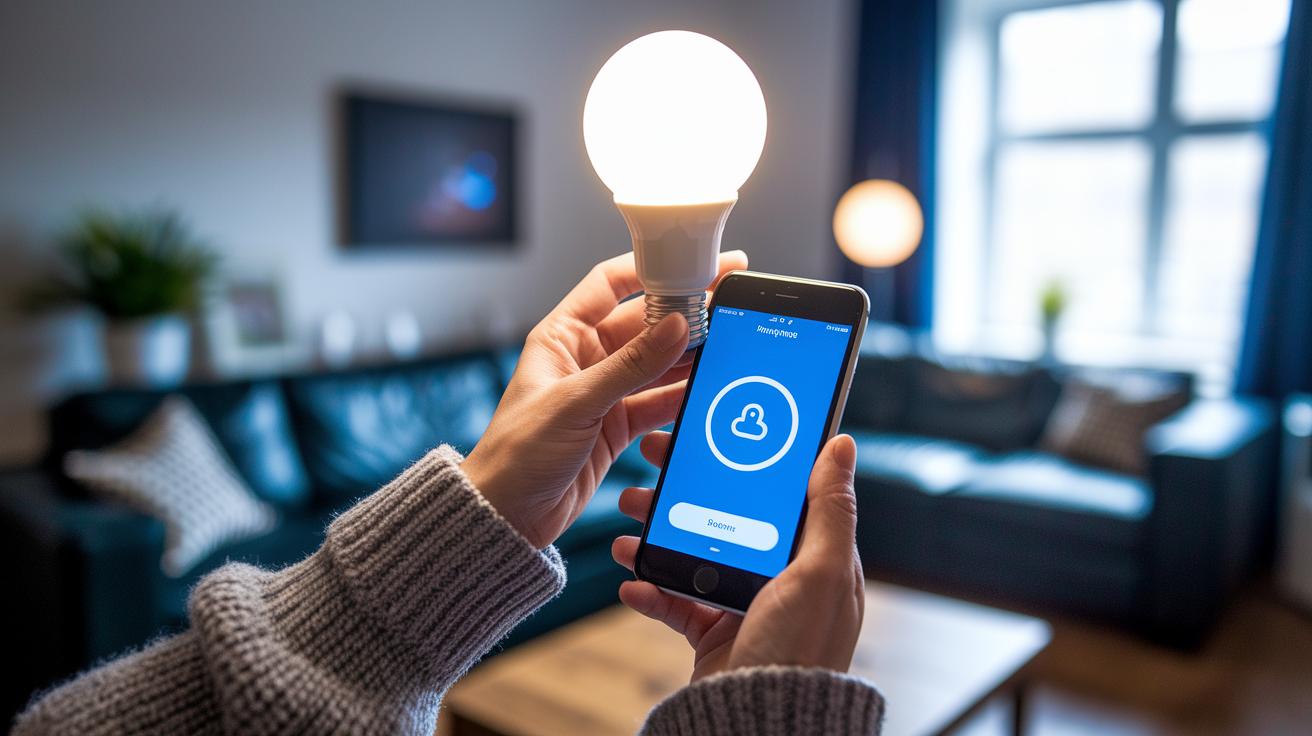
Most smart bulbs are made to work with your existing fixtures, so there's no need for special wiring. Just screw in the bulb like you normally would, and you're set. Once the bulb is in place, open the maker's app on your phone (download it if you haven't yet) and follow the on-screen steps to add your device. This simple method means you can upgrade your home lighting without any hassle.
After the bulb is installed, fire up the app to start the pairing process. Look for a plus icon to add a new device and wait until your smart light shows up. Connect the light using Wi-Fi or Bluetooth Low Energy (a low-power wireless connection), then assign it to a room of your choice inside the app. Adding voice assistant support is just as easy, follow the prompts to link the bulb with Alexa or Google Home, and soon you'll be controlling your lights with your voice.
Before wrapping up, double-check that your home network is secure to keep your smart lighting system safe from unwanted access. If you run into any problems, try turning the bulb off and on again (a power-cycle) or resetting it, and also make sure your network signal is strong. These simple fixes help ensure your new smart lights work reliably while keeping your home connected safely.
Choosing the Best Smart Lights: Criteria for Home Selection
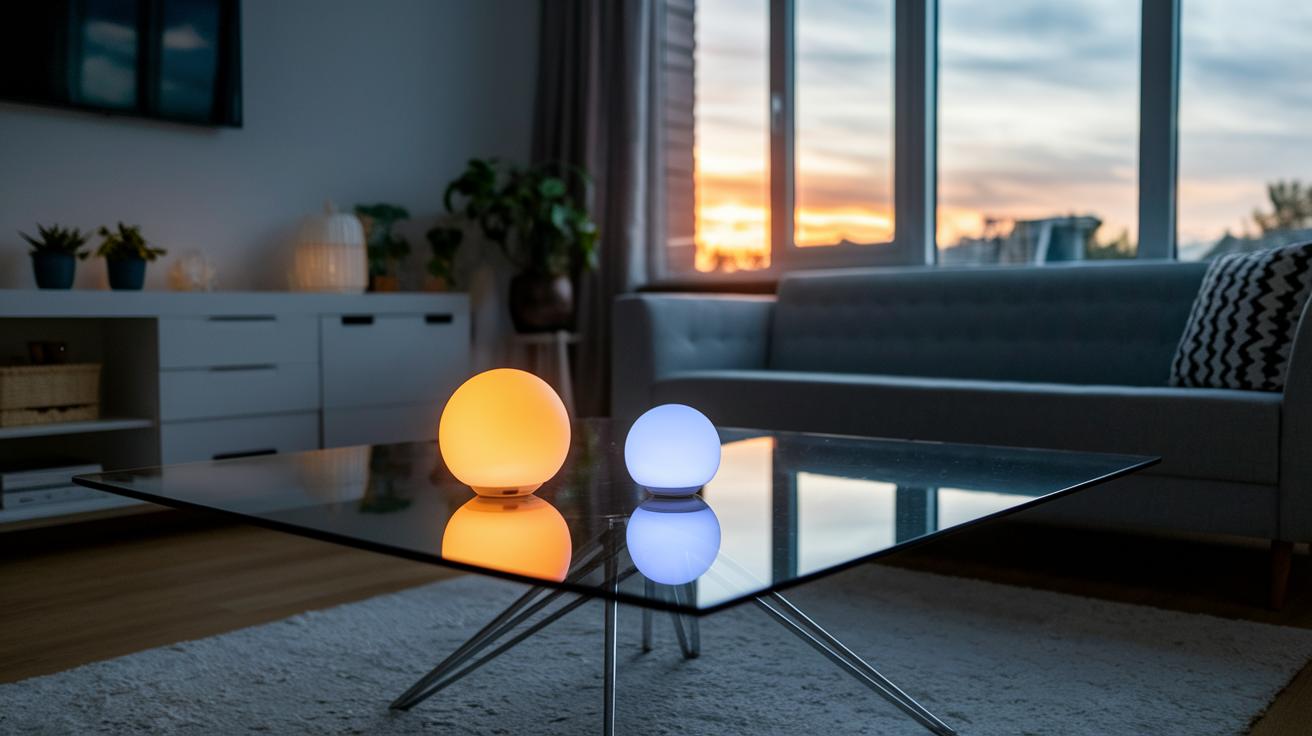
When choosing smart lights for your home, start by thinking about what matters most to you. Different rooms and uses may need different features, so it's smart to match the light to your needs.
Here are five main points to keep in mind:
- Brightness: Look for the lumens rating to know how bright the light will be.
- Color Options: Choose lights with adjustable color temperature or RGB settings so you can set the right mood.
- Connection Type: Pick devices that use Wi-Fi, Zigbee, or Bluetooth depending on your home setup.
- Compatibility: Make sure the lights work with your smart home system, such as Alexa, Google Home, or Matter standards.
- Price and Warranty: Compare the cost per bulb with the warranty and long-term support offered by established brands.
For instance, if you're watching your budget, you might go for bulbs that provide basic brightness with just one connection option, which are perfect for everyday spaces. If you want a more connected smart home, consider midrange lights that work with several voice assistants and offer a range of color choices. And if you're aiming for the best in tech, premium bulbs with strict quality and warranty standards can enhance your lighting experience while ensuring smooth integration with your smart devices.
Final Words
In the action, this article breaks down smart lights into understandable steps, from basic definitions and smart connectivity to useful features and the money-saving benefits they offer. We walked through picking the right type, ease of installation, and clear criteria for selection. Readers get a practical guide that explains what are smart lights and how they work in everyday use. Everything is shared plainly so you can confidently upgrade your space and enjoy a more connected, energy-efficient home.
FAQ
What are smart lights used for and how do they work?
Smart lights are used for home illumination and control. They operate via smartphone apps, voice assistants, or hubs, allowing you to adjust brightness, color, and schedules without relying solely on manual switches.
What are smart lights apps used for?
Smart lights apps let you control your lighting system remotely. They enable you to change brightness, adjust colors, set schedules, and manage multiple lights from your smartphone quickly and efficiently.
How do smart bulbs work with switches?
Smart bulbs stay powered continuously to receive commands. Using traditional wall switches might cut power and affect functionality, so they work best with dedicated controls or smart switches to maintain a constant connection.
How do smart bulbs work with Alexa?
Smart bulbs pair with Alexa by connecting to your Wi-Fi network and syncing with the Alexa app. This integration allows you to use voice commands to change brightness, color, and automate lighting routines easily.
What smart lights are recommended for bedrooms?
Smart lights for bedrooms offer customizable brightness and color options to create the right ambiance. They let you set relaxed moods for winding down or bright settings for reading and activity.
What are Amazon Smart Lights?
Amazon Smart Lights are lighting products that work seamlessly with Alexa and other Amazon devices. They provide easy voice control and integration with your smart home system for streamlined operation.
What are the disadvantages of smart lights?
The disadvantages include higher initial costs, reliance on steady Wi-Fi, potential security concerns, and occasional compatibility challenges between different brands, which might require extra setup steps.
What are the benefits of smart lighting?
Smart lighting offers energy savings, longer-lasting LEDs, enhanced home security from remote control, and the ability to personalize lighting scenes and schedules easily through apps and voice commands.
What is required for smart lighting?
Smart lighting requires compatible LED bulbs or fixtures, a stable Wi-Fi or hub-based connection, and a controlling device like a smartphone or voice assistant app to manage settings and automation.