
Have you ever wondered why your doorbell always rings just right? A doorbell transformer is the unsung hero that lowers high voltage into the safe power your doorbell needs. It converts your home's 120 or 240 VAC into a gentle current that keeps your chime and smart features running without a hitch. This simple device helps prevent overheating and protects delicate components from electrical risks, which means better performance and improved home security. In this article, we explain how these transformers work and why having one in your home is a smart decision.
How Doorbell Transformers Work and Why You Need One
Doorbell transformers change your home's high voltage (typically 120 or 240 VAC) to a lower voltage (usually 16 to 24 VAC) that doorbell chimes need. Most wired doorbells work best with about 16 VAC at either 10 VA or 15 VA. This drop in voltage helps your doorbell’s parts work safely and efficiently, protecting both mechanical and electronic components from electrical hazards.
Switching to low-voltage power greatly reduces the chance of overheating and safeguards the sensitive parts inside both classic and smart doorbells. This conversion also ensures a steady power supply over time, which is essential for smart doorbells that come with features like recording or two-way audio.
- Prevents overheating by lowering voltage
- Keeps parts safe and extends their lifespan
- Makes smart chime features work reliably
- Reduces the risk of electrical shock during installation
- Offers consistent performance even when voltage changes
Since most doorbell units are designed to run on AC power, AC remains the industry standard for transformers. Although some smart doorbells include DC circuits for extra features, understanding how AC power is converted is key for anyone looking to install a safe and reliable doorbell system.
Types of Doorbell Transformers and Voltage Outputs
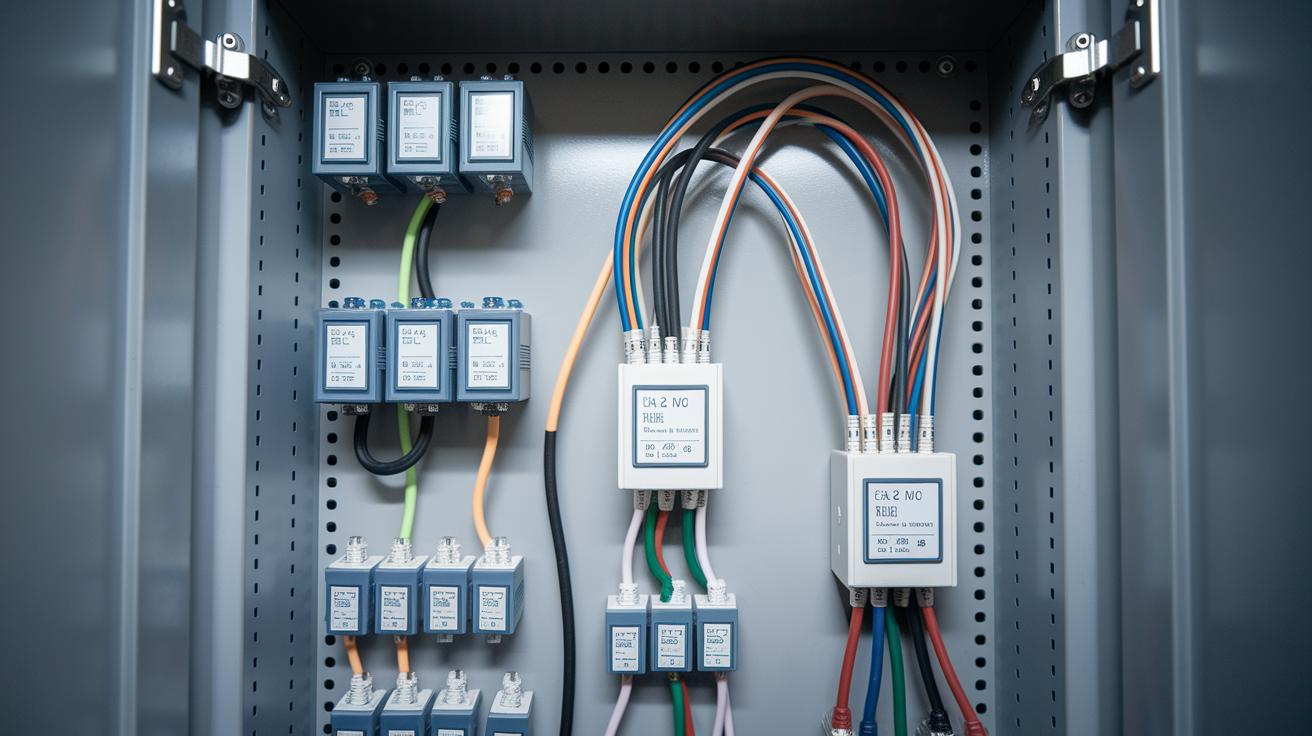
Doorbell transformers come in different voltage options, and choosing the right one is key to powering your doorbell safely and reliably. Depending on whether you have a traditional chime or a smart video doorbell, the needed voltage and power capacity can change. A typical chime transformer supplies about 16 VAC, which works well for many older doorbell systems. But for smart video doorbells from brands like Ring or Nest, you usually need between 16 and 24 VAC to handle features like live video and two-way audio. There are even adjustable low-voltage units that let you switch between 12 and 24 VAC, and plug-in transformers which are great for temporary or outdoor setups.
| Type | Voltage Range | VA Rating | Application |
|---|---|---|---|
| Chime Transformer | ~16 VAC | 10–15 VA | Traditional wired doorbells |
| Plug-In Transformer | ~16 VAC | Varies | Temporary or outdoor setups |
| Video Doorbell Transformer | 16–24 VAC | 20–30 VA | Smart doorbells like Ring, Nest |
| Adjustable Low-Voltage Unit | 12–24 VAC | Varies | For settings that need flexibility |
When picking a transformer, make sure its voltage and VA ratings match your doorbell's specifications. That way, your system runs smoothly and adds reliable detail to your home security.
Selecting the Right Doorbell Transformer: Voltage, VA Rating, and Compatibility
Getting the right voltage and VA ratings in your transformer is key to keeping your doorbell system running smoothly. If the transformer isn’t a proper match, you might notice weak chimes or even damage, especially with smart doorbells that depend on accurate power. Even small voltage swings can affect things like camera charging or connections with systems like Ring. By picking a transformer that meets your doorbell’s needs, you'll save time, money, and headaches down the road.
Here are a few simple steps to follow:
- Check your doorbell’s spec sheet for the voltage and VA rating it requires.
- Test your current transformer’s output to be sure it meets those needs.
- Add up the VA ratings for every doorbell function you plan to use.
- Make sure your smart devices work well with the transformer’s output.
- Verify that the connections and mounting options match what you need.
Before you decide, think ahead. Confirm that the transformer’s voltage and VA rating will continue to match your doorbell’s specs as you add devices in the future. Whether you have a basic chime or a more advanced smart setup, matching the right transformer to your doorbell keeps things reliable and simple. This careful choice ensures that systems like Ring, which rely on steady power, keep working just as they should.
Installing Your Doorbell Transformer: Step-by-Step Guide
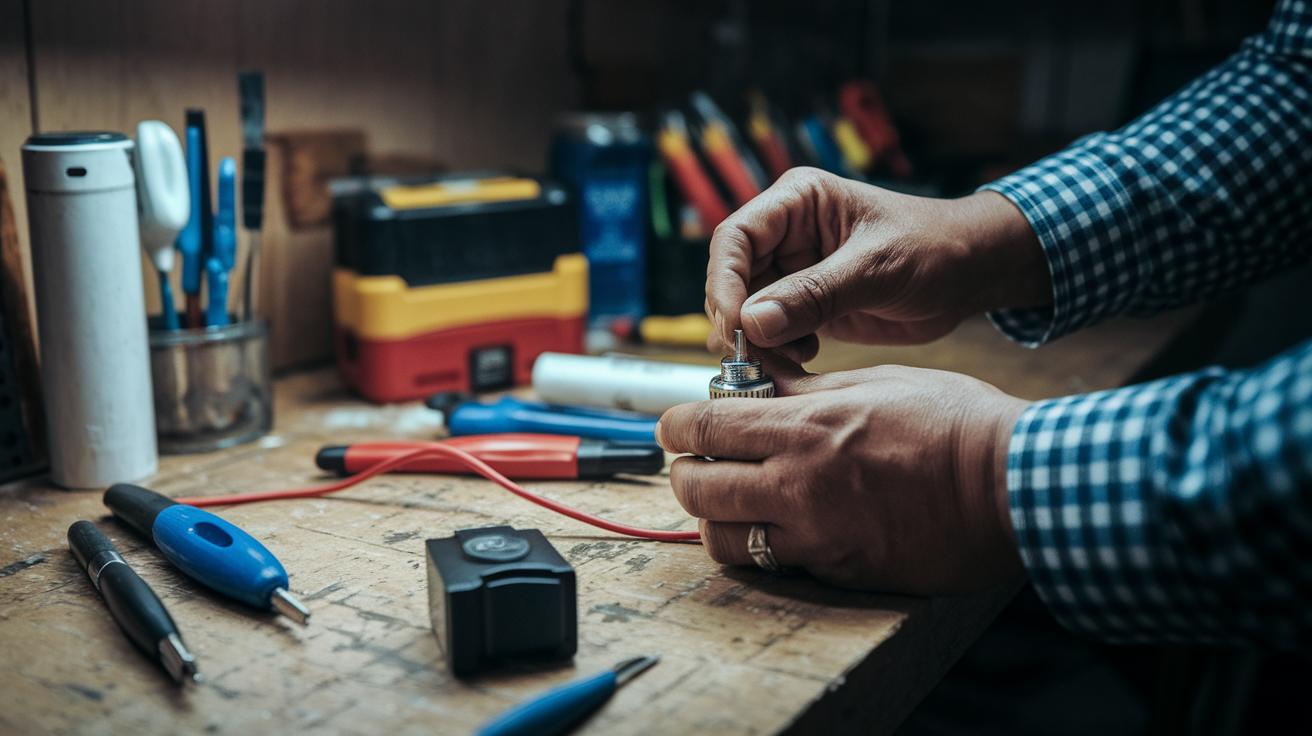
If you're ready to swap out your doorbell transformer, you can do it on your own with a few basic tools and some care. Follow these clear steps, and always be cautious when working with electricity.
- First, shut off the main circuit breaker. This cuts power to the area where you'll be working and keeps you safe.
- Next, remove the old transformer. Take a good look at how the wires are connected so you remember the setup.
- Mount the new transformer securely. Use the junction box or mounting plate provided to help meet wiring standards.
- Now, connect the hot (usually black) and neutral (usually white) wires to the primary terminals. Make sure each wire goes to the right spot.
- Then, attach the low-voltage wires to the doorbell or chime unit. Double-check that you have connected the positives and negatives properly.
- Secure all the wiring connections with the proper connectors. This keeps everything tight and prevents any loose contact.
- Restore power by turning the circuit breaker back on. Use a multimeter to check that the transformer is giving off the correct voltage.
- Finally, test your doorbell. Press the doorbell button to see if you get a clear chime. If something seems off, recheck your wiring and voltage readings.
If you ever feel unsure at any step or the voltage doesn't match what your doorbell needs, it's best to call a licensed electrician.
Wiring Practices and Schematic Charts for Doorbell Transformers
Proper wiring is key to keeping your doorbell transformer safe and working well. If the wires aren’t connected correctly, your chime might act up, voltage could drop, or worse, safety issues could arise. That’s why it’s so important to follow standard wiring methods. In a basic two-wire setup, you’ll use one hot wire (black) and one neutral (white) on the primary side, plus two low-voltage leads (red and white) to complete the chime circuit. For systems that demand extra features, a three-wire configuration might include an extra ground or separate chime lines for added support. Getting the wiring right not only protects your components but also makes sure you get a steady power supply for reliable doorbell performance.
| Connection Type | Wire Count | Color Code | Notes |
|---|---|---|---|
| 2-wire | 4 | Black, White, Red, White | Standard setup for basic doorbell chimes |
| 3-wire | 5 | Black, White, Red, White, Green | Includes an extra line for ground or dual chime functions |
| 4-wire | 6 | Black, White, Red, White, Green, Yellow | Advanced configuration for multi-zone or enhanced chime options |
Once you’ve finished wiring, test the transformer using a multimeter set to AC voltage. Aim for a reading between 16 and 24 VAC. Use the color codes as your guide to check that every connection is in the right place. This testing step is really important to catch any wiring errors early and to be sure your doorbell transformer is delivering a steady and safe power supply for your home security system.
Troubleshooting Doorbell Transformers: Common Issues and Solutions
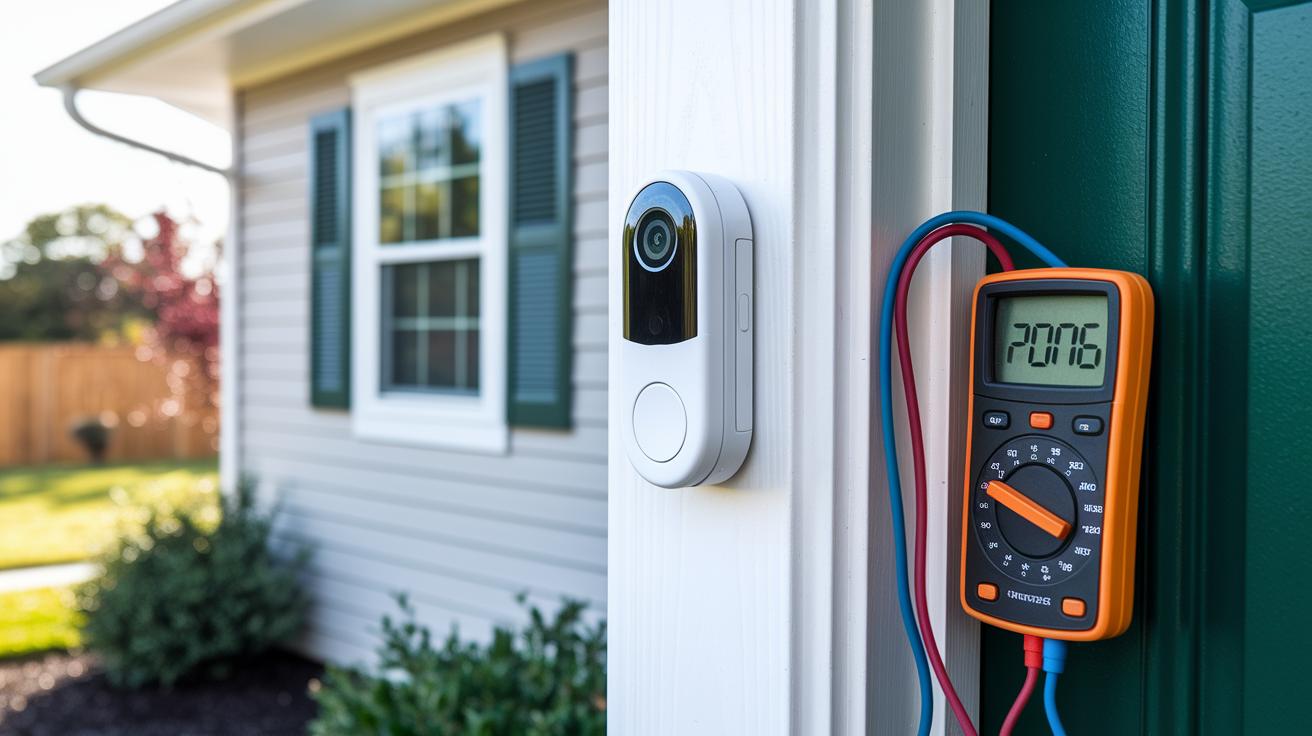
Doorbell transformers can sometimes act up. They might not produce any chime, emit weak or distorted sounds, or even cause smart doorbells to lose their charge and go offline. These problems are often linked to wiring issues, like loose connections or using a transformer with the wrong VA rating. Over time, parts can wear out too, and damaged windings can lead to a drop in voltage that affects both traditional and smart doorbells.
Safety is key when checking for transformer issues. Start by making sure all connections are secure and that the transformer outputs the right voltage. Using a multimeter on AC voltage can help you confirm it delivers around 16 to 24 VAC. A simple visual check might reveal overheating signs or burn marks, which show that the transformer has been stressed. Taking these clear, step-by-step measures can stop small problems from becoming bigger safety concerns.
| Step | Description |
|---|---|
| Test voltage output | Use a multimeter to check for around 16-24 VAC. |
| Tighten terminals | Ensure all wiring connections are secure. |
| Swap low-voltage leads | Replace the leads if they seem worn out. |
| Inspect for burn marks | Look for signs of overheating or damage. |
| Upgrade transformer VA | Consider a higher VA rating for better performance. |
| Replace if internal fuse blown | If the fuse is blown, a new transformer is needed. |
If these checks don’t solve the problem and issues keep coming back, it’s time to replace the transformer. Repeated voltage drops or irregular behavior usually mean the internal parts are worn out. A replacement not only fixes the immediate issue but also helps protect your home security system from potential risks.
Safety Standards and Electrical Code Compliance for Doorbell Transformers
When you're installing a doorbell transformer, it's essential to follow the latest electrical codes and safety tips. The National Electrical Code (NEC) states that transformers must be easily accessible and mounted securely in UL-listed junction boxes to lower the risk of electrical fires. Always use insulated tools and turn off the power before you start to avoid injury. In fact, the 2023 update even requires GFCI protection in some spots to catch issues early and keep your home safe.
Sticking to these safety steps not only protects your home but also makes sure your transformer works reliably over time. Before you get started, here are a few practical guidelines:
- Turn off the circuit before beginning any electrical work
- Use a junction box that meets UL standards
- Check that the transformer and its parts are UL listed
- Follow the updated code, including adding GFCI protection where needed
- Call in an electrician if you face complex or unfamiliar setups
Where to Buy and Compare Doorbell Transformers

When it comes to picking a doorbell transformer, you have two solid options: shop online for convenience or visit a local store to see the product firsthand. For example, Amazon offers a wide selection with fast shipping, featuring trusted brands like Honeywell and Aube in ranges from 10 VA to 30 VA. Visiting stores such as Home Depot or Ace Hardware gives you the benefit of checking out the unit in person, comparing the build quality, and asking staff about compatibility with your doorbell system.
- Amazon: Enjoy a broad variety and speedy shipping with popular models from Honeywell and Aube.
- Home Depot: Find in-store options like 16 VAC/10 VA and 16 VAC/20 VA. The choice might be smaller, but you get to inspect the product before buying.
- Ace Hardware: A go-to place for entry-level and budget-friendly transformer choices.
Always make sure to review the VA ratings and voltage details to ensure the transformer meets your doorbell’s requirements, and compare warranty information to get a unit that delivers reliable performance over time.
Final Words
In the action, we explored how doorbell transformers work and why proper low-voltage conversion matters. We talked about converting house voltage to the 16–24 VAC required for both standard and smart chime units, detailing installation, wiring practices, and troubleshooting tips.
We broke down voltage options, safety standards, and where to buy models that fit your needs. Practical steps helped clarify voltage, VA ratings, and device compatibility.
A reliable doorbell transformer can keep your home secure and simplify everyday use. Stay positive and enjoy the benefits of a well-installed system.
FAQ
Q: What does a doorbell transformer do for my doorbell?
A: A doorbell transformer converts your home’s high-voltage power to low-voltage levels required by chime units and smart doorbells, ensuring safe operation and efficient performance.
Q: How do I know if my doorbell transformer is bad?
A: A failing doorbell transformer may cause no chime, weak sound, or charging issues with smart devices. Testing its output with a multimeter can reveal if it’s delivering the correct voltage.
Q: Can I replace a doorbell transformer myself?
A: Replacing a doorbell transformer yourself is possible if you’re comfortable with basic wiring and safety precautions. Otherwise, hiring a professional helps ensure proper installation and code compliance.
Q: Is it safe to touch a doorbell transformer?
A: Touching a doorbell transformer is safe only when the power is turned off and the unit is installed correctly. Always follow safety guidelines and consider professional help if unsure.
Q: What should I consider when choosing a doorbell transformer?
A: When choosing a doorbell transformer, assess the voltage and VA rating, compatibility with your doorbell type (such as Ring or smart models), and whether you need a wired or plug-in unit.
Q: What types of doorbell transformer options are available?
A: Options include wired models, plug‑in transformers, and units designed for video doorbells. Popular choices like Defiant and Hampton Bay offer varying voltage outputs and VA ratings to suit different doorbell systems.