
Ever notice how loud, unpredictable sounds can send your stress levels soaring and make focusing nearly impossible? For many on the autism spectrum, everyday noise feels like a never-ending storm. Noise cancelling headphones can be a breath of fresh air by softening background chatter and creating a personal sound bubble. In this article, we share our top picks that combine impressive noise reduction, comfort, and durability. We explain how these headphones can turn a noisy world into a calm space for work, school, or just unwinding at home.
Top Noise Cancelling Headphones for Autism: Expert Recommendations
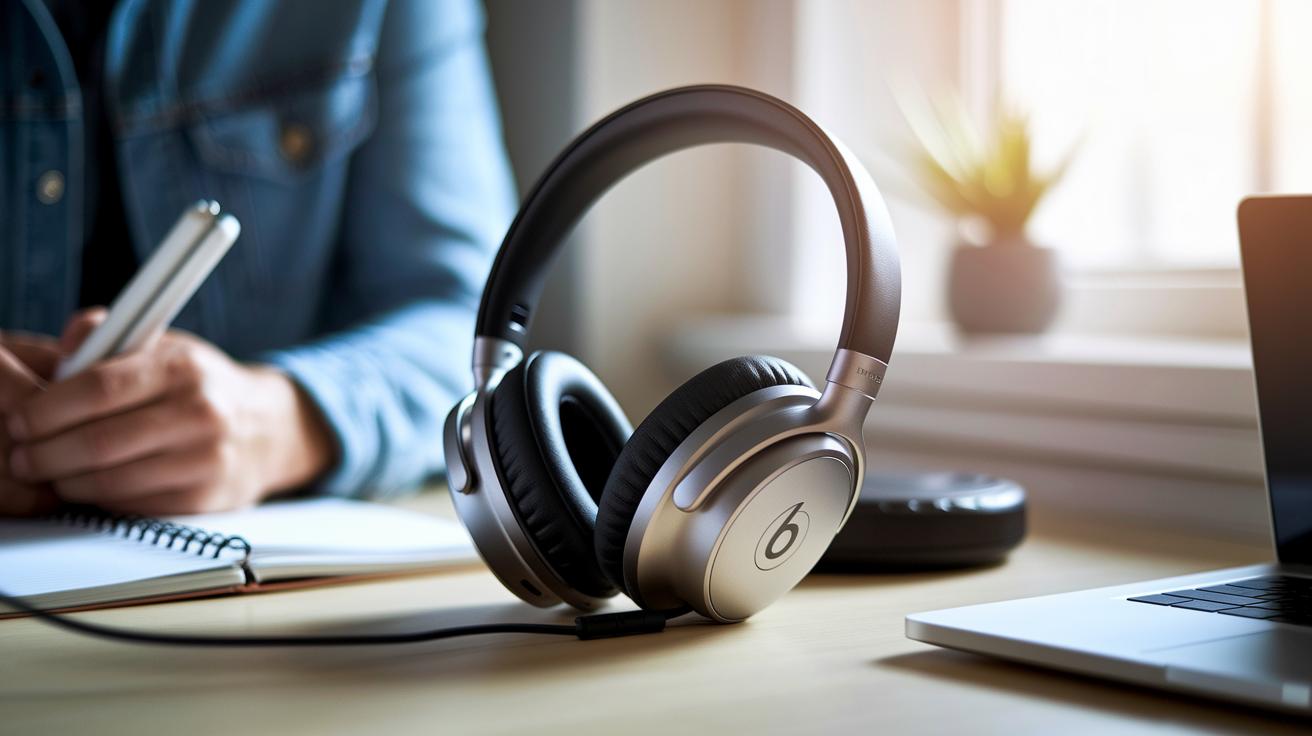
Finding the right headphones can make a big difference when dealing with sensory overload. A good pair can block out distracting background sounds, making daily tasks, work, or school more soothing and focused. For many autistic individuals, headphones that cancel unwanted noises and deliver a calm listening experience can be truly comforting.
There is a variety of options to meet different needs and budgets. Whether you are looking for a travel-friendly model or an affordable option for everyday use, these picks offer excellent noise reduction, comfort, and durability.
- Bose QuietComfort 35 II (£249): A foldable design with built-in Google Assistant, perfect for travel and effective noise cancellation.
- Sony WH-1000XM3 (£179): Offers top-notch active noise cancellation that cuts out surrounding sounds.
- Sony WH-1000XM4 (£299): Improves on noise cancellation and comfort for long listening sessions.
- Sennheiser Momentum 4 Wireless (£299): Provides clear, high-quality sound with a light and comfortable fit.
- SuperEQ S1 Hybrid ANC (£50): A budget-friendly option that offers hybrid active noise reduction.
- JBL Tune 750BTNC (£115): Reliable noise blocking and long battery life make it a dependable choice.
When shopping for headphones, it is important to look for strong noise reduction features first, then check for comfortable over-ear cushioning and adjustable settings to fit different head sizes. Also, good build quality with sturdy materials ensures the headphones can handle daily use. Simple controls, along with the choice between wireless or wired connectivity, round out the features that can help manage sensory overload effectively.
Noise Cancelling Technology and Autism: How It Reduces Sensory Overload

Active noise cancellation uses sensor technology to cancel out background sounds. It detects noises like chatter or machinery and then sends out sound waves that neutralize them. Passive noise cancellation, on the other hand, uses over-ear designs with dense padding to block unwanted sound physically. Together, these methods create a much quieter and focused listening space.
Real-world examples include the Life Q30 and Space One Pro. The Life Q30 uses dual microphones to cut noise by up to 95%, making it ideal for noisy environments. Meanwhile, the Space One Pro features a four-stage ANC system with six microphones and Adaptive ANC 3.0 that automatically adjusts to your surroundings for steady silence.
This technology is a game changer for autistic users who often face sensory overload in loud places. By lowering distracting sounds, these headphones can foster a calm atmosphere, helping users concentrate during work, school, or therapy sessions.
Key Features in Noise Cancelling Headphones for Autistic Users
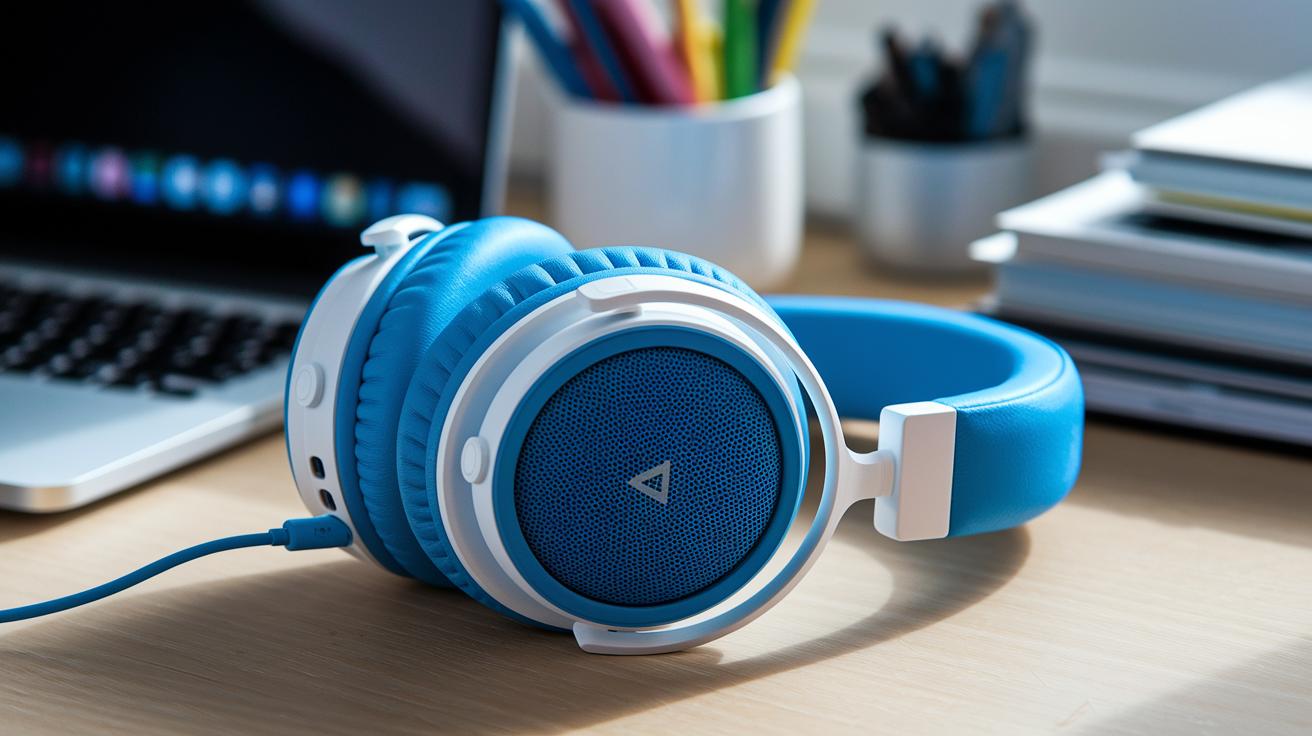
These headphones are designed with safe listening in mind. They provide clear audio while capping the volume to help prevent fatigue.
They feature soft, hypoallergenic ear cushions and an adjustable headband with memory-foam cups, ensuring a secure and comfortable fit that caters to sensory needs.
Built with durability and safety in mind, reinforced hinges and non-toxic finishes make sure these headphones stand up to daily use without compromising on care.
Easy-to-use tactile controls let you adjust the volume and noise cancellation settings quickly. Plus, whether you choose wireless or wired connectivity, these headphones offer the flexibility to match any lifestyle.
Comparing Leading Noise Cancelling Headphones Models for Autism
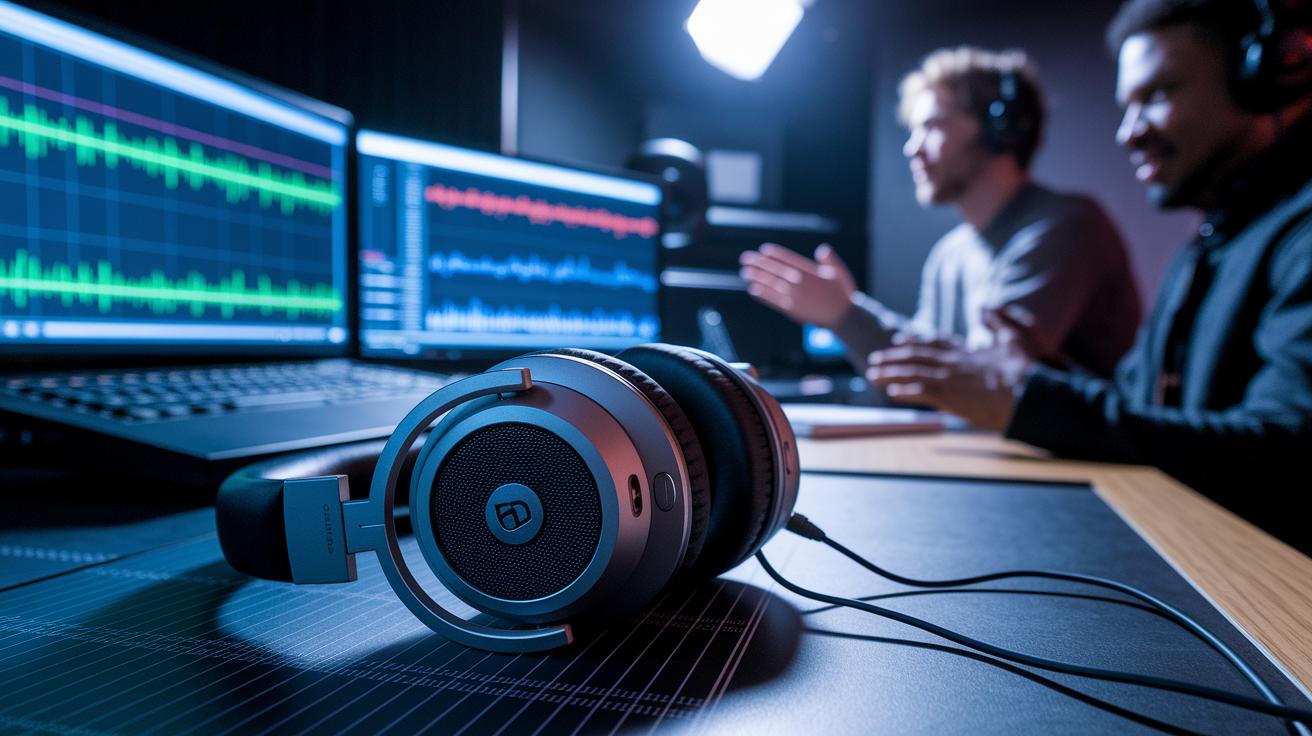
We put several noise cancelling headphones to the test using real-life factors like how well they cut out unwanted sound in decibel levels, battery life for all-day comfort, and weight for extended wear. We also listened to genuine user feedback to highlight any special features that can help make a difference for people sensitive to noise.
| Model | Price | Noise Reduction | Key Feature |
|---|---|---|---|
| Sony WH-1000XM3 | £179 | Industry-leading | Offers active noise cancellation with a steady 30-hour battery; users appreciate the low ear fatigue during long sessions |
| Sony WH-1000XM4 | £299 | Enhanced | Features adaptive ANC with improved call quality and a design built for lasting comfort |
| Sennheiser Momentum 4 | £299 | High | Delivers premium sound in a light-fit design; audiophiles enjoy clear mid tones and an immersive listening experience |
| Bose QC35 II | £249 | Robust | Packed with a foldable design and Google Assistant support; consistently performs well on the go |
| SuperEQ S1 Hybrid ANC | £50 | Moderate | A budget-friendly option that balances cost with effective hybrid cancellation for everyday use |
| JBL Tune 750BTNC | £115 | Reliable | Provides steady noise blocking and long battery life; reviewers note its consistent performance across different sound settings |
This combined overview of performance data and user experiences gives a clear picture of what each model offers without repeating details.
Noise cancelling headphones autism: Calm, Peaceful Sounds
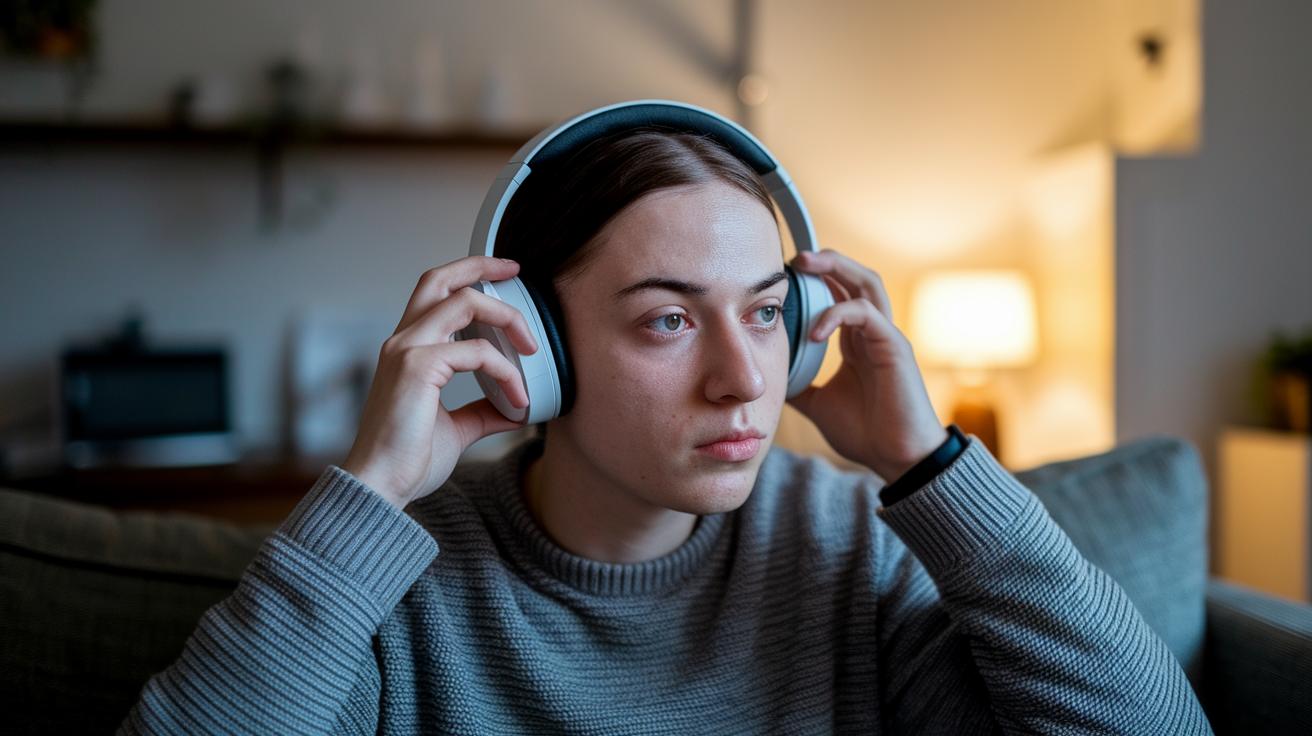
For everyday listening, we recommend keeping headphone sessions to around eight hours and taking a break every one to two hours to give your ears a rest. This short pause can help prevent fatigue whether you're at school, working, or just winding down.
A neat trick is to mix in some soft ambient sounds like white noise or nature tracks. Experiment with these gentle background audios to enhance the noise cancellation, creating a calm atmosphere that adapts to different settings and moods.
Taking care of your gear is important too. After each use, wipe down the ear pads and make sure the headband fits comfortably. Storing your headphones in a protective case keeps them safe from damage and helps maintain that consistent quality and comfort over time.
If you have concerns about ear discomfort, feeling too isolated, or becoming overly dependent on your headphones, try setting up supervised trial periods. Pay attention to how they affect your daily interactions and comfort, and adjust your usage to keep a healthy balance between quiet focus and real-world engagement.
Accessibility and Support: Legal and Funding Options for Noise Cancelling Headphones in Autism
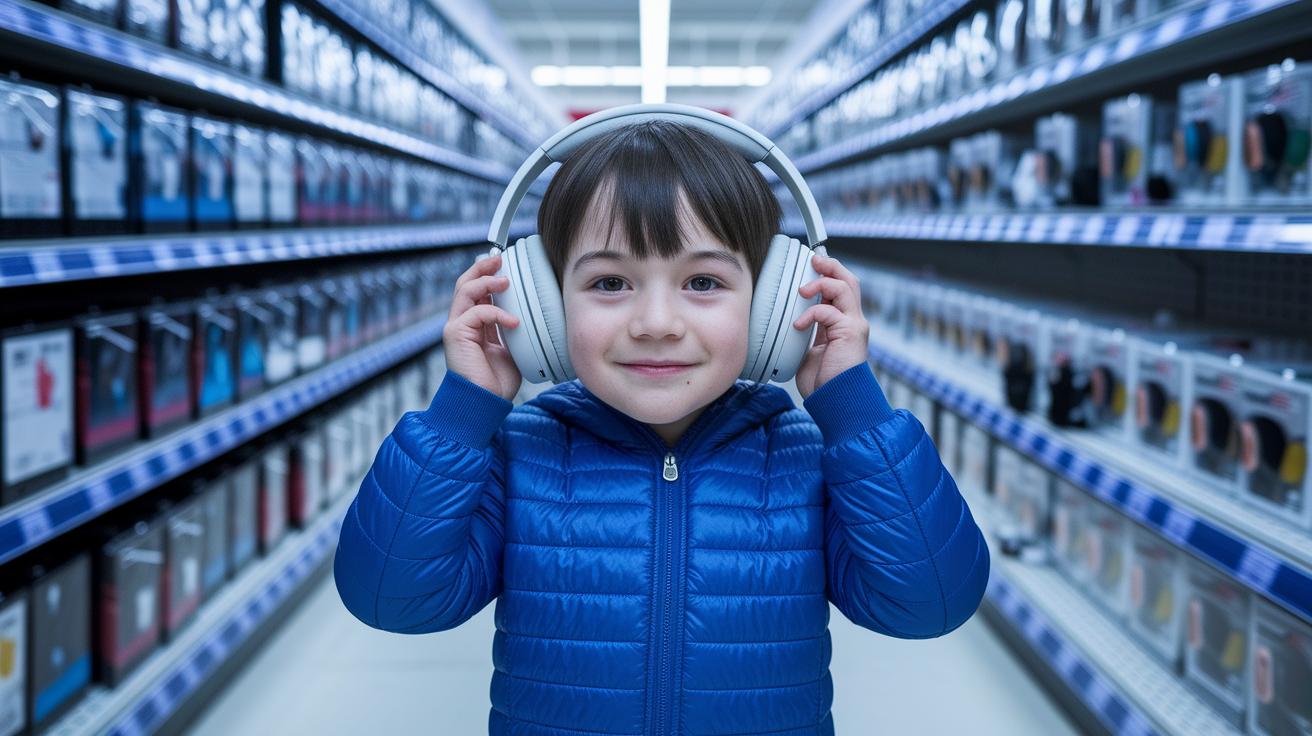
Manufacturers must follow clear rules set by laws like the ADA in the U.S. This means they need to use easy-to-read labels and offer reliable warranties. As a result, noise cancelling headphones built for autism follow special guidelines that focus on safety and design for unique sensory needs.
When you're shopping, check that the headphones include helpful accessibility improvements. Look for volume controls that let you set safe sound levels, buttons that are easy to feel, and lights that clearly show when the headphones are on. These features ensure the headphones are simple and stress-free to use.
There are various ways to reduce the financial burden of these specialized devices. Educational technology grants, medical insurance reimbursements, and support from nonprofit assistive-tech programs can help cover the cost. These options make high-quality noise cancelling technology more available and promote fairness by extending access to those who need it most.
Future Innovations in Noise Cancelling Headphones for Autism
New models use smart noise cancellation that adjusts as your surroundings change. They watch the sounds around you and even check your stress levels to decide when to boost or ease off the canceling effect. So if you leave a quiet room and head into a busy area, the headphones automatically tweak their settings to keep your ears calm and reduce sensory overload.
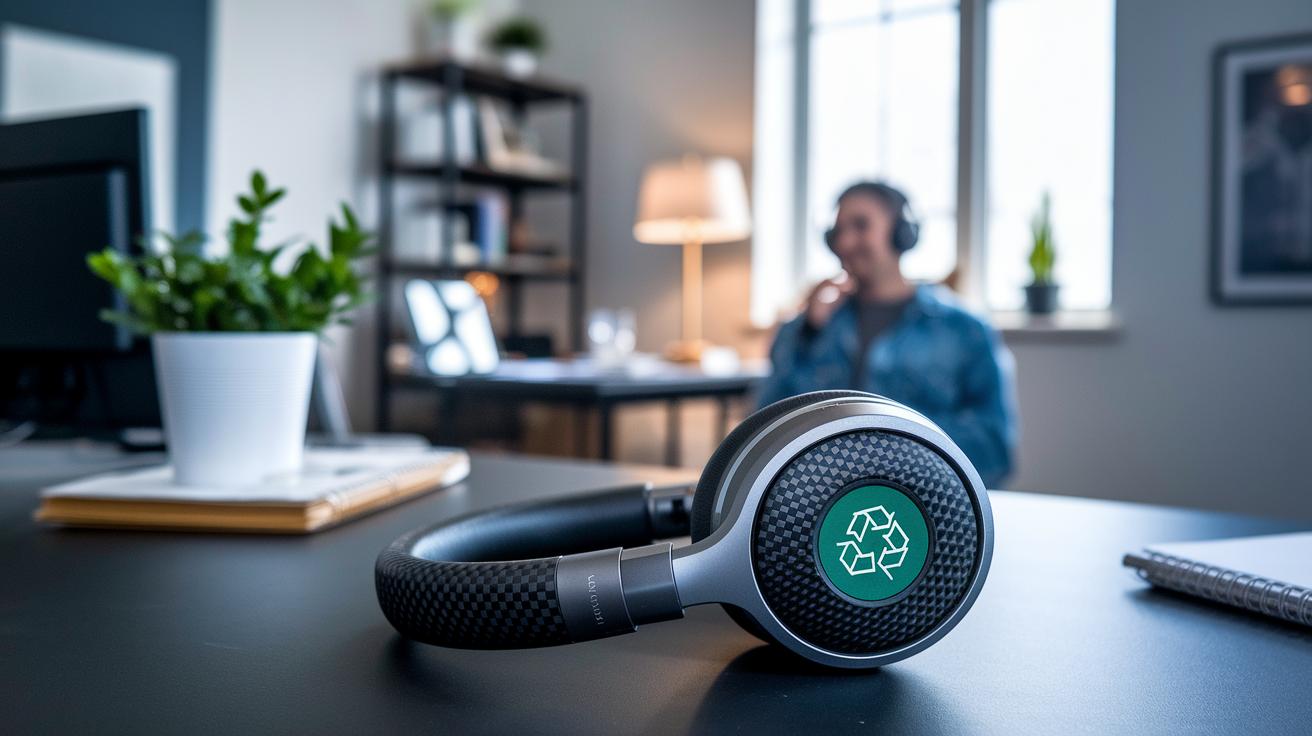
Companies are also focused on making these headphones eco-friendly and extra comfy. They are built with lightweight materials like carbon fiber headbands and recycled plastics, which keep them durable and comfortable for long sessions. This means you can wear them all day without any discomfort.
Advanced versions even come with built-in sensors that check your heart rate and stress levels. This info lets the headphones fine-tune the noise cancellation just for you. In essence, they act like a personal sound assistant that turns down the noise during overwhelming moments, offering a soothing and custom listening experience.
Final Words
In the action, we walked through top models offering standout noise reduction, comfort features, and durability. We laid out hands-on tests, compared key specs, and shared practical tips for daily use.
This guide helps identify noise cancelling headphones autism options that balance performance and ease of use. We hope you feel more confident about managing sensory overload while enjoying quality sound. Stay positive and ready to experience calmer, clearer audio.
FAQ
Which noise cancelling headphones are recommended for autistic adults and those experiencing sensory overload?
The recommended noise cancelling headphones for autistic adults prioritize effective sound isolation and comfort. Models like Bose QC35 II and Sony WH-1000XM3/4 offer active cancellation and soft cushioning to ease sensory overload.
Where can I purchase noise cancelling headphones designed for autism?
You can find them on major online retailers like Amazon or at local electronics stores specializing in assistive audio devices.
What are the best headphones options for autistic children?
The best headphone options for autistic children include designs with safe volume limits, hypoallergenic cushions, and adjustable fits to provide a secure, calming experience that minimizes sensory stress.
What is the 6 second rule for autism?
The 6 second rule for autism refers to taking a quick six-second pause to process social or sensory input, offering a moment to decompress during potentially overwhelming situations.
Which brands provide the best headphones for autistic users and what are these headphones commonly called?
Popular selections like Bose, Sony, and Sennheiser are known for quality noise cancelling options, often referred to as sensory headphones designed for noise reduction.
How do noise cancelling headphones benefit individuals with ADHD?
Noise cancelling headphones help individuals with ADHD by minimizing distracting background sounds, which aids concentration and reduces sensory overload during daily tasks.