
Ever wondered if noise cancellation can really help you sleep better? Picture drifting off as these headphones block out snoring, busy traffic, and the general hum of the city. Many folks now rely on these devices to create a calm, quiet space for sleep. In this guide, we look at different styles, from earbuds with active noise cancellation to headbands that softly muffle ambient sounds. We cover key details like battery life, comfort, and how well they reduce noise so you can choose the perfect pair for your bedtime routine.
Best Noise Cancelling Headphones for Sleeping: Top 5 Picks
Sleep soundly with a pair of headphones designed to block out unwanted noise from snoring, traffic, or city sounds. We’ve tested a range of models that balance noise cancellation, battery life, and comfort to suit different sleep styles. Whether you prefer earbuds with active noise cancellation or a headband that passively mutes sounds with a soft, pressure-free design, there’s an option here for you.
- Apple AirPods Pro 2: Priced around $250, these earbuds offer top-notch active noise cancellation and deliver about 4.5 hours of battery life. They might feel a bit bulky if you tend to sleep on your side.
- Bose Noise Cancelling Headphones 700: At $379, these are known for their excellent noise-cancelling ability and come with a strong 20-hour battery. They are designed to stay snug and secure throughout the night.
- Sony WF-1000XM4: For $279, you get earbuds that pack rich bass and clear sound along with comfortable tips, offering roughly 8 hours of battery life.
- SleepPhones Effortless V8 headband: Costing around $100, this headband features a soft, fleece-lined design for gentle noise reduction. It’s perfect for side and back sleepers.
- Musicozy Sleep Headband: An affordable option under $20, this lightweight fabric headband provides basic noise isolation to help create a peaceful sleeping environment.
noise cancelling headphones for sleeping: Sweet Sleep
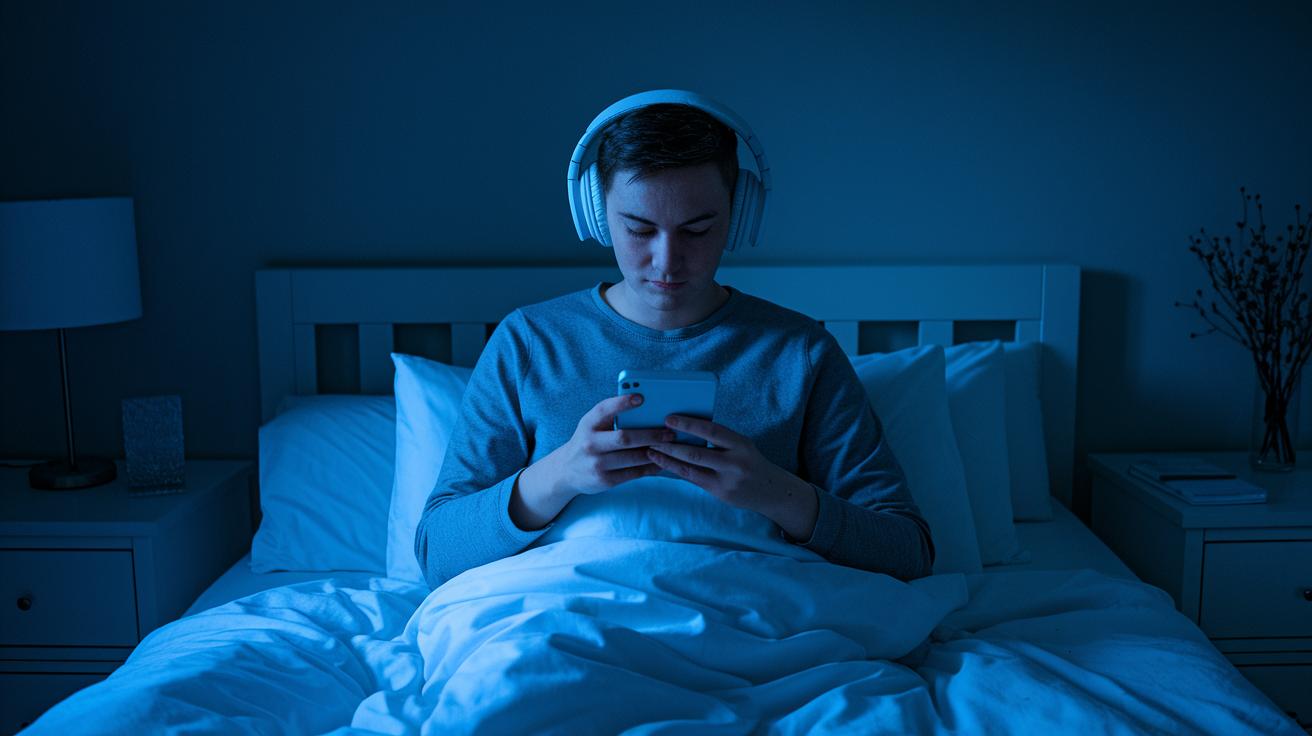
Active noise cancellation systems work by counteracting incoming sound waves, reducing common disturbances like snoring, traffic, or city noise by as much as 35 dB. One tester mentioned that the drop in snoring intensity really helped them sleep better. On the other hand, passive headbands offer a steady reduction of around 20 dB without needing any battery power, even though active models might change a bit depending on the surroundings.
Battery life is crucial for a night without interruptions. Tests show that active noise cancelling earbuds such as the AirPods Pro 2 last about 4.5 hours, while models like the WF-1000XM4 can go up to 8 hours. Over-ear headphones, however, have been known to run between 20 and 40 hours. These numbers help you pick the best option based on how long you sleep and your charging habits.
Comfort is key, and the design plays a big part here. Pressure-free headbands work well for both side and back sleepers by gently following the shape of your head. If you prefer earbuds, ultra-slim models with speaker sizes under 5 mm are a low-profile alternative. One user noted that shifting their headband just a little bit eased the pressure on their temples immediately.
Sleep Headphone Styles: Headband, Earbuds, and Over-Ear Options
Sleep headphones come in different shapes and sizes, and the design really affects how comfortable and effective they are throughout the night. For example, headbands like the SleepPhones Effortless V8 and Musicozy use a soft fleece band that gently wraps around your head without putting pressure on you. This simple design naturally cuts down on outside noise and works great for side or back sleepers who don’t want extra bulk.
Then there are earbuds such as the AirPods Pro 2, Sony WF-1000XM4, and Philips Kokoon Nightbuds. These small devices pack active noise cancellation into a streamlined design. They deliver anywhere from about 4.5 to 8 hours of battery life, making them a solid option for side sleepers who need a little quiet without a heavy feel.
If you tend to sleep on your back, over-ear models like the Bose NC700 and Soundcore Life Q30 might be your best bet. They offer robust active noise cancellation and long battery life, though their larger size works best when you’re not sleeping on your side.
| Style | Comfort Level | Noise Reduction | Ideal Sleep Position | Price Range |
|---|---|---|---|---|
| Headband | High; pressure-free, soft fabric | ~20 dB passive reduction | Side/Back sleepers | $20 – $100 |
| Earbuds | Moderate to High; minimal bulk | 25-35 dB with ANC | Side sleepers (if slim fit) | $250 – $285 |
| Over-Ear | Less comfy for side; best for back | High with advanced ANC | Back sleepers | $80 – $380 |
If you move around at night, a headband gives you a comfy, secure fit without any hard points. Slim earbuds offer a neat mix of portability and noise cancellation for side sleepers, while over-ear options excel for those sleeping on their back and who crave powerful noise cancellation.
Choosing Headphones Based on Sleep Position and Environment
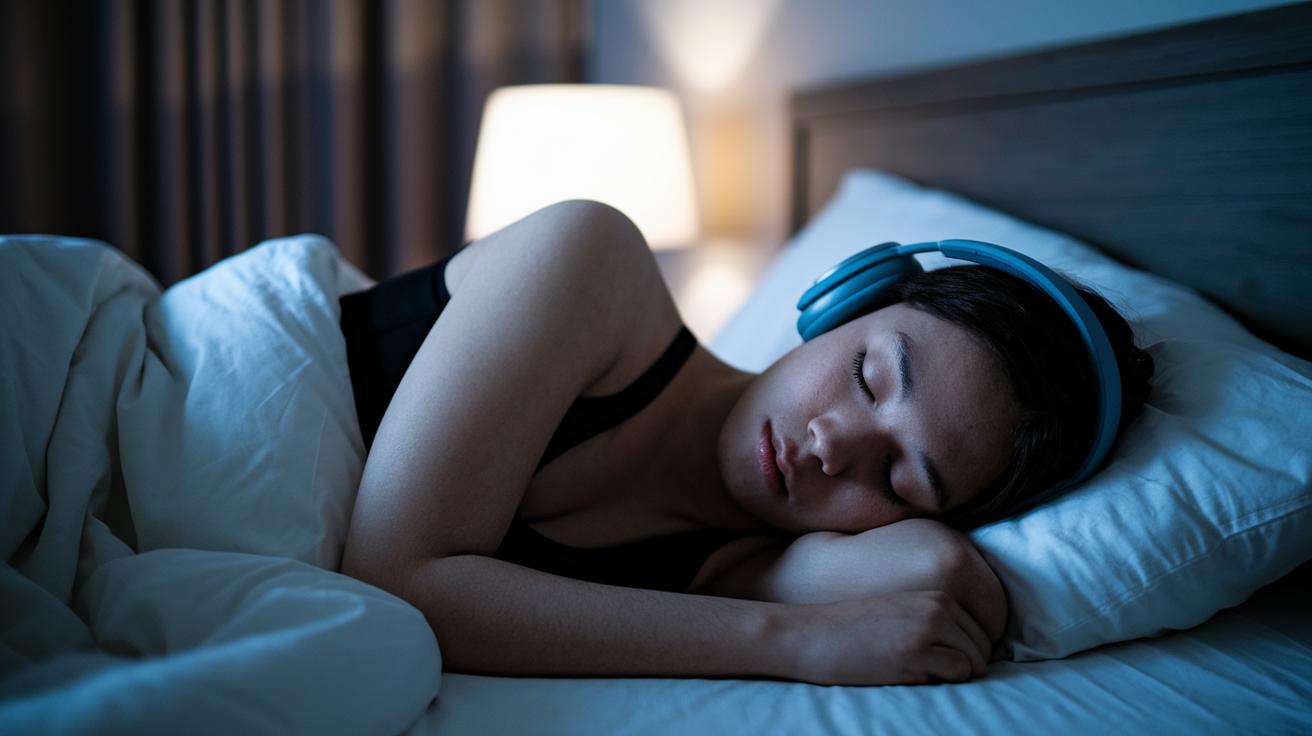
Side Sleepers
For those who sleep on their side, comfort is key. You need headphones with a nearly invisible profile and speakers under 5 mm thick. Models like SleepPhones and Philips Kokoon offer slim earbuds or a soft fabric headband that stays in place without any harsh pressure on your ear. These options act like a gentle, barely-there layer that drowns out background noise without causing irritation during long nights.
Back and Front Sleepers
If you tend to sleep on your back or front, over-ear headphones with active noise cancellation work great. Options such as the Bose NC700 or Soundcore Life Q30 cover your entire ear and block out disruptive sounds like traffic and neighborhood noise. They deliver strong noise cancellation and a secure fit for stable positions. Just keep in mind, if you sometimes shift to sleeping on your side, the larger size might not be as comfy.
Travel and Airplane-Friendly Models
Travelers and frequent flyers benefit from the convenience of true wireless earbuds. Devices like the AirPods Pro 2 and Sony WF-1000XM4 are compact, offer extended battery life, and still manage effective noise cancellation, making them perfect for long journeys where noise control and portability are priorities. For those who need to stay alert for alarms or children, Dubs Labs Bedphones provide a smart alternative. They come in both wired and Bluetooth versions, priced at $89 and $149 respectively.
Health and Safety Considerations for Sleep Headphone Use
Keep your headphone volume under 85 dB to protect your hearing during long nights. Many noise-cancelling devices designed for sleep include an auto shut-off for active noise cancellation, giving your ears a rest while you sleep. Our tests show that lower volumes not only guard your hearing but also help the battery last through the night. One tester said, "I slept better knowing the sound level was kept in check automatically," which highlights how these features can lead to a more comfortable sleep.
Wireless models further boost safety by eliminating any chance of cord entanglement. With no wires to get tangled or accidentally pulled during sleep, you can rest easy. Plus, there's no evidence that overnight headphone use poses any health risks like cancer, and wireless options cut down on any extra radiation exposure. These factors make sleep-focused headphones a smart and worry-free choice for a peaceful night.
Budget vs. Premium Models in Noise Cancelling Sleep Headphones
Affordable Options
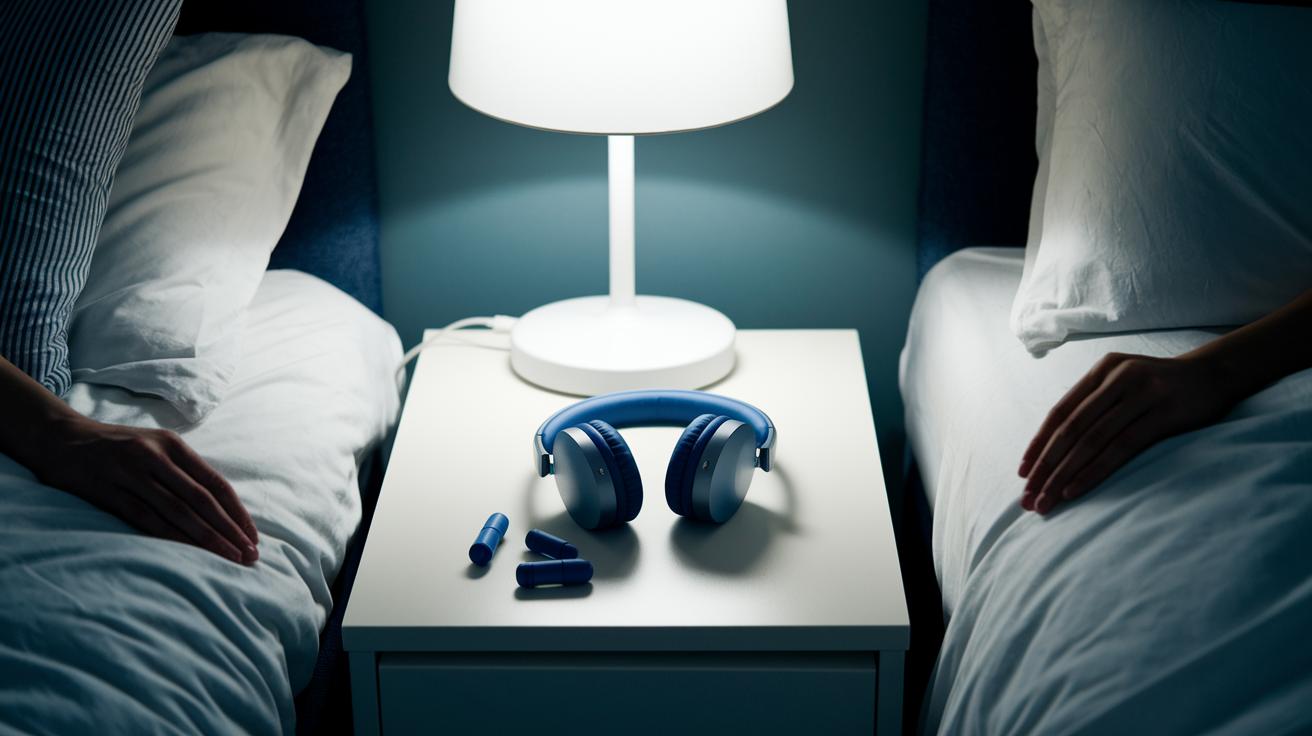
Budget models focus on blocking out noise with smart passive design and comfy fits that don’t add pressure. Options like the Musicozy Sleep Headband, Cozyphones, and Loop earplugs come in under $30 and cover your basic sleep needs. If you want a bit more, mid-tier choices such as the SleepPhones Effortless V8 and Dubs Labs Bedphones (wired at $89 or Bluetooth at $149) offer extra connectivity and a few extra features. They deliver solid performance without the high-end materials or complex tech found in pricier models.
Premium Picks
Premium models step up the game with active noise cancellation, longer battery life, and improved build quality. Devices like the AirPods Pro 2 (around $250), Philips Sleep Headphones with Kokoon (about $285), and Bose NC700 (approximately $379) blend smart design with top-notch performance. Reviews show these models provide clearer sound and a more secure fit for long nights, with materials built to last. Many users feel the extra cost is worth it for the advanced technology and durable construction.
Caring for and Maintaining Your Sleep Headphones
When it comes to cleaning your SleepPhones, start by removing the fleece liners. You can hand wash them or use a gentle machine cycle. This keeps the fabric soft, hypoallergenic, and ready for a good night's sleep.
For ear tip care, models like the Philips Kokoon Nightbuds offer five sizes to fit your ears perfectly. Replace the tips every six months and wipe them down with a damp cloth and a bit of mild soap. This simple step stops residue buildup and keeps your earbuds comfortable and effective night after night.
Battery upkeep is key for active noise-canceling earbuds that last between 4.5 and 8 hours. Allow your device to complete a full charge cycle once a month to maintain its strength. Also, store items like Dubs Labs Bedphones in their pouch to protect the cables and keep everything organized for reliable performance.
Final Words
In the action, we explored top picks and compared models like AirPods Pro 2, Bose NC700, and SleepPhones. We broke down key features, sleep styles, and health tips, leaving no stone unturned on battery life, comfort, and noise reduction.
We wrapped up by weighing budget choices against premium options while sharing handy maintenance tips. This guide makes it simple to choose noise cancelling headphones for sleeping that suit your style and budget, leaving you ready for more peaceful nights.
FAQ
What do Reddit users say about noise cancelling headphones for sleeping?
Reddit discussions show that noise cancelling headphones for sleeping are valued for effective noise reduction and comfort, though some users mention that bulkier models may not suit all sleep positions.
What do noise cancelling headphones for sleeping without music offer?
Using noise cancelling headphones without music benefits sleep by reducing ambient sounds. Many users enjoy the quieter environment, which helps improve sleep quality without relying on audio playback.
How do noise cancelling headphones work when sleeping with an alarm?
Noise cancelling headphones designed for sleep with an alarm let you block out disruptive sounds while still hearing your wake-up alerts. Some models feature built-in alarm compatibility to balance sleep noise reduction and necessary sounds.
What are the best noise cancelling headphones for sleeping?
The best noise cancelling headphones for sleeping combine effective ambient noise reduction, comfortable design, and suitable battery life. They come in various styles, including headbands and over-ear models, to match different sleep styles.
What benefits does a noise cancelling headband for sleeping provide?
Noise cancelling headbands for sleeping typically use passive sound reduction with soft, fleece-lined materials, offering a pressure-free fit that is especially ideal for side sleepers who need minimal bulk during sleep.
How can noise cancelling headphones for sleeping purchased on Amazon perform?
Noise cancelling headphones for sleeping on Amazon range from affordable headbands to premium earbuds, with many reviews highlighting their value, comfort, and durability for improving sleep in various environments.
What should you look for in noise cancelling headphones for sleeping on planes?
Noise cancelling headphones for sleeping on planes are designed to block cabin chatter and engine noise. Compact earbuds or over-ear models with long battery life are popular choices to ensure a quieter travel experience.
What considerations apply to using noise cancelling headphones for a sleeping baby?
Noise cancelling headphones are generally not recommended for sleeping babies due to potential sensitivity of infant hearing. Safer alternatives, like ambient noise machines, are advised for protecting young ears.
Are noise-canceling headphones good for sleeping?
Noise-canceling headphones can be good for sleeping when they provide a secure and comfortable fit while effectively reducing ambient noise. Their success depends on design, fit, and whether you’re using music or silence.
What is the best noise blocking option for sleeping?
The best noise blocking for sleeping involves a mix of active and passive noise reduction features. For many, sleep headbands with soft materials provide a balance between comfort and effective sound isolation.
What are the best headphones for falling asleep?
The best headphones for falling asleep are lightweight and comfortable with effective noise reduction. Options like slim earbuds or sleep headbands are popular because they minimize pressure and maintain a steady reduction in ambient sounds.
Do noise-cancelling headphones block out snoring effectively?
Noise-cancelling headphones can block out snoring effectively by lowering ambient noise levels. Their performance, however, depends on proper fit and the specific technology used to cancel out persistent sounds like snoring.