
Ever wondered if you could enjoy excellent sound without spending a fortune? You can find budget-friendly headphones that deliver clear, detailed audio much like their higher-priced counterparts. In this post, we explore top picks that offer a great mix of quality and value. We examine options like open-back designs that create a wide soundstage and closed-back styles that help block outside noise. It turns out that you don't need to pay a premium price for great audio.
Top Picks for Best Affordable Audiophile Headphones
- Sennheiser HD 599
Standout: These headphones deliver a spacious, open-back sound that pulls you into every performance.
- Open-back design: Gives you a wide soundstage
- Impedance: 50 Ω (works well with most amplifiers)
- Sensitivity: 106 dB for clear, crisp volume
- Frequency range: 12 Hz–38 kHz for full-range clarity
- Price: Around $150
- Audio-Technica ATH-M50x
Standout: They are great at blocking outside noise and boast punchy bass that brings quieter tracks to life.
- Closed-back design: Reduces background noise effectively
- Impedance: 38 Ω, making them ideal for mobile devices
- Sensitivity: 96 dB to deliver solid performance
- Frequency range: 15 Hz–28 kHz perfect for everyday listening
- Price: About $130
- Philips Fidelio X2HR
Standout: With a wide dynamic range and clear mids, every instrument sounds rich and balanced.
- Open-back design: Enhances natural imaging
- Impedance: 30 Ω for easy driving
- Sensitivity: 100 dB for lively sound
- Frequency range: 5 Hz–40 kHz for versatile, detailed audio
- Price: Roughly $150
- Beyerdynamic DT 770 Pro (80 Ω)
Standout: Known for excellent comfort and sturdy build, these headphones work well for long listening sessions.
- Closed-back design: Provides focused, isolated sound
- Impedance: 80 Ω for extra headroom
- Sensitivity: 96 dB to keep audio clear
- Frequency range: 5 Hz–35 kHz covering the essential audio details
- Price: Around $160
- Superlux HD668B
Standout: These offer fantastic value with a semi-open design that strikes a balance between openness and noise isolation.
- Semi-open design: Delivers a fresh, engaging sound experience
- Impedance: 56 Ω for flexible connectivity
- Sensitivity: 98 dB for effective performance
- Frequency range: 10 Hz–30 kHz ideal for budget setups
- Price: About $50
Key Features of Budget Audiophile Headphones
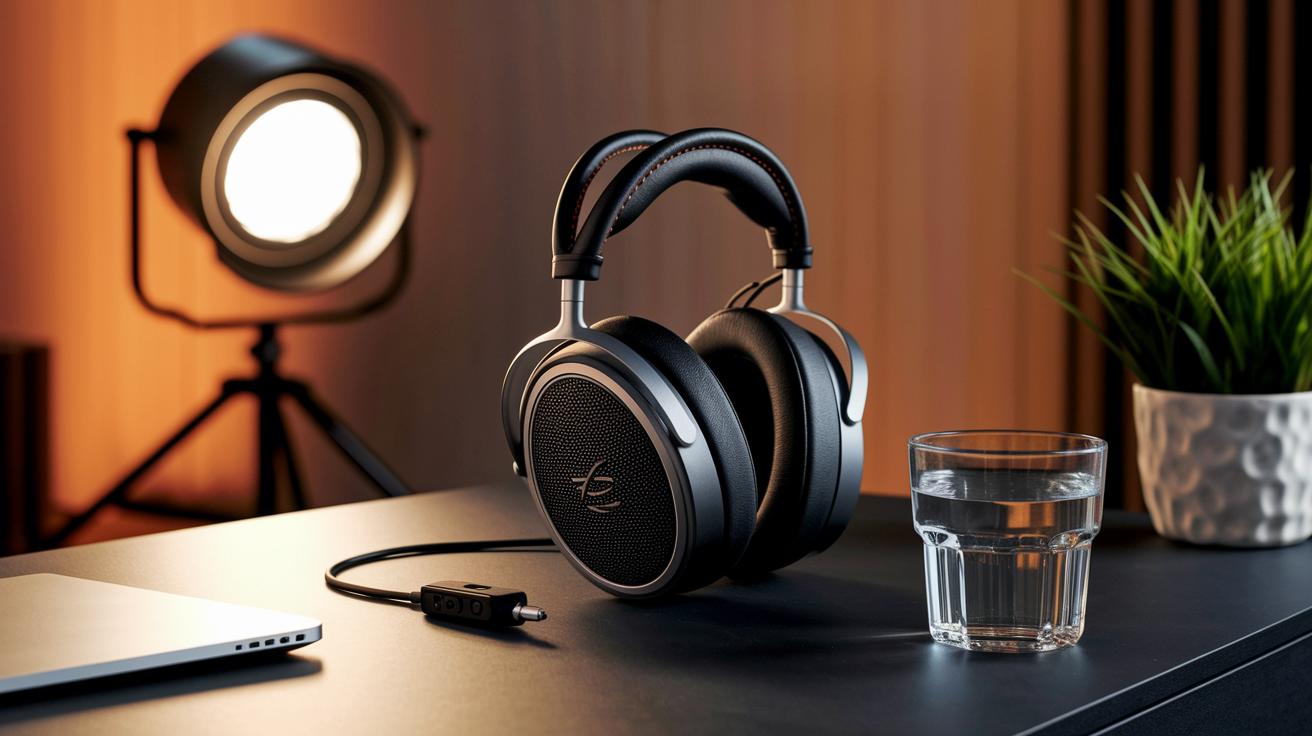
When you're hunting for affordable audiophile headphones, there are key features to look out for that promise clear sound and dependable performance. These seven points help guide your choice:
- Frequency response: Choose a range of at least 5 Hz to 40 kHz so every note, from the deepest bass to the brightest treble, is captured.
- Impedance: Look for headphones rated between 30 and 80 Ω, which means they work smoothly with most amps and smartphones.
- Sensitivity: Aim for a sensitivity of 96 dB or higher. This helps you get loud, clear sound even from modest devices.
- Soundstage: A wide soundstage creates a natural layout for instruments and vocals, making your listening experience more immersive.
- Tonal balance: Neutral tuning keeps all frequencies even, allowing no single part of your music to overpower the rest.
- Comfort: Soft, breathable ear pads and an adjustable headband ensure you can enjoy hours of music without discomfort.
- Build quality: Durable parts like metal headbands and replaceable cables mean your headphones can handle everyday use and last longer.
Open-Back vs Closed-Back Affordable Audiophile Headphones
If you're diving into affordable audiophile headphones, open-back models like the Sennheiser HD 599 and Philips Fidelio X2HR create a wide, open sound that pulls you into your music. They deliver clear, natural imaging with a spacious feel that works great for acoustic or classical pieces where every instrument has its own place. Just remember, they’re best enjoyed in quiet settings since they don’t block out much external noise.
On the flip side, closed-back headphones such as the Audio-Technica ATH-M50x and Beyerdynamic DT 770 Pro focus on locking in sound and delivering tight bass. Their design keeps most of the sound sealed inside, making them ideal for busy or noisy environments. Although the sound may feel a bit more intimate, the punchy low-end turns them into a solid choice for music that benefits from strong bass.
Then there are semi-open options like the Superlux HD668B. These strike a friendly balance between a spacious sound and a bit of noise isolation, offering an experience that captures some of the open-back magic while still keeping outside noise at bay.
- Open-back: Wide, immersive sound ideal for quiet listening.
- Closed-back: Focused bass and solid isolation for on-the-go use.
- Semi-open: A balanced mix of openness with some noise control.
Best Affordable Audiophile Headphones Shine with Crisp Clarity
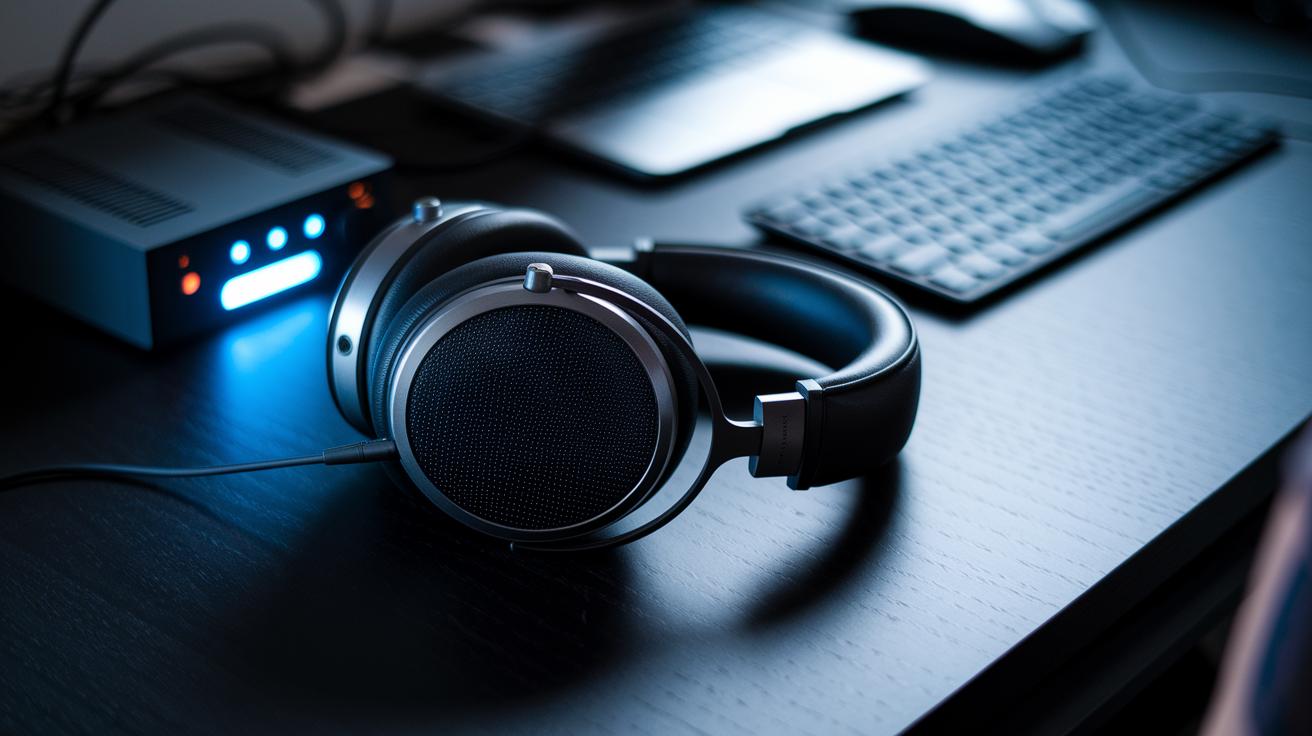
Planar magnetic headphones deliver a clear, detailed sound with less distortion and tighter bass than most traditional headphones. Their design brings out every subtle beat in your music. When you pair these headphones with a decent amplifier or a strong source, your listening experience gets a big boost. If you’re on a budget but still want great sound, two models under $200 stand out for their detailed soundstage and accurate tone.
-
HiFiMan HE400i
- Planar design with a 35 Ω impedance
- Sensitivity: 93 dB for steady performance
- Frequency range: 20 Hz–20 kHz for full-spectrum audio
- Price: Around $200
-
Monoprice Monolith M1060C
- Planar design with a 50 Ω impedance
- Sensitivity: 98 dB for strong output
- Frequency range: 6 Hz–60 kHz for extra detail
- Price: About $200
Affordable Audiophile Headphone Upgrades and Accessories
If you want to get the most from your budget headphones, there are a few easy tweaks that deliver a better sound and more comfort without costing a fortune. A better DAC (digital-to-analog converter, the component that converts your digital music into an analog signal) or a headphone amplifier can add extra clarity and detail to your tunes. Using higher-quality cables made with oxygen-free copper helps ensure a clean signal, and new earpads can boost comfort while slightly changing the sound profile in a good way.
Here are some popular upgrades:
-
DAC: FiiO K3 ($70)
- Uses a USB input and the AKM AK4452 chip for rich, detailed playback
-
Headphone Amplifier: Schiit Magni 3 ($100)
- Provides 2 W at 32 Ω and works with low noise to add punch without distortion
-
Cables: Detachable 3.5 mm to 6.3 mm cable
- Made with oxygen-free copper to deliver a clean signal
-
Earpads: Velour or hybrid replacements
- Improve comfort and offer a slight tonal lift for those long listening sessions
These smart upgrades help reveal more layers of sound clarity and precision, making your listening experience even better, all without stretching your budget.
Common Questions About Best Affordable Audiophile Headphones
-
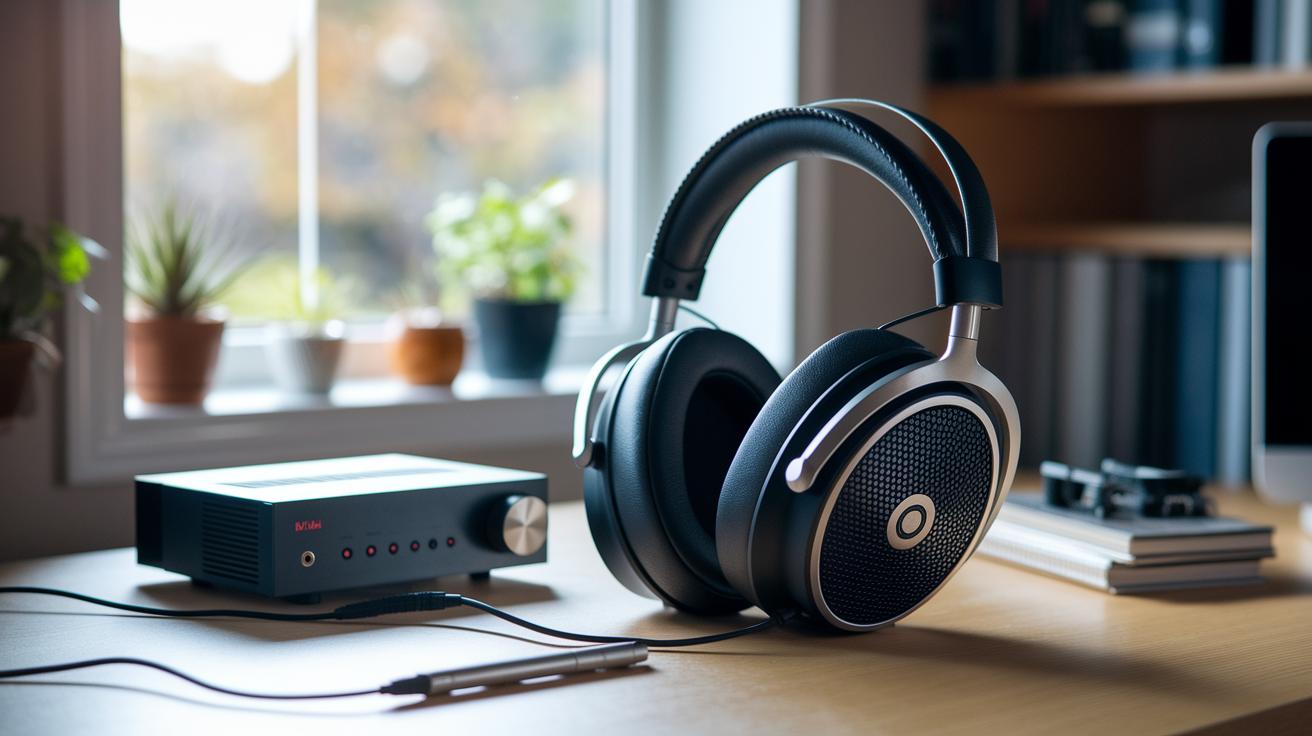
Do I need an amplifier for 50-ohm versus 80-ohm models?
Using an amplifier can really help, especially for headphones with higher impedance. It gives them extra power so that every note and detail comes through clearly. -
Are open-back headphones suitable for home use?
Open-back headphones shine in quiet settings. They create a spacious sound that feels expansive, but they don’t block background noise well, so choose them if your room is peaceful. -
Which music genres benefit the most?
Music like classical, jazz, and acoustic really stands out on these headphones. Their balanced tone and wide soundstage let each instrument and subtle nuance shine through. -
How long is the break-in period for planar headphones?
Planar headphones typically need about 50 hours of playtime to reach their full potential. During this period, the sound grows more detailed and dynamic as the components settle in. -
Should I go wired or wireless?
Wired connections deliver the complete range of sound since they avoid Bluetooth compression. This makes them a reliable pick if capturing every subtle tone is your goal.
These insights come after hands-on testing and answering common user questions. Keep in mind that an amplifier isn’t just a luxury, it can be essential for some models. For home listening, match your headphones to your environment so you get the clearest experience. And while wireless offers ease, wired setups remain the top choice when you want every nuanced detail to be heard.
Final Words
In the action, we covered everything from open-back soundstage magic to closed-back bass punch. We broke down key headphone features, compared design approaches, and even looked at entry-level planar options. We also reviewed budget-friendly accessories and answered popular questions. The article shows clear options and guidance for anyone interested in the best affordable audiophile headphones. Enjoy fine-tuning your setup, and trust these insights to help you get the rich, dynamic sound you deserve.
FAQ
Do I need an amp for 50 Ω vs 80 Ω?
The need for an amp varies by impedance. An amp boosts headroom and volume, especially for higher-impedance models like 80 Ω, while even 50 Ω headphones can benefit from added power in some setups.
Are open-backs OK for home use?
Open-back headphones are ideal in quiet home settings where their wide soundstage and natural imaging shine, though they tend to leak sound so they’re best used away from noisy environments.
Which genres benefit most?
Acoustic music, jazz, and classical benefit the most since the neutral tonal balance and wide soundstage in these headphones deliver clear, detailed, and natural sound reproduction for these genres.
How long is the break‑in time for planar headphones?
Planar magnetic headphones typically reach optimal performance after about 50 hours of playtime, allowing the drivers to settle and offer improved clarity and bass precision.
Wired vs wireless—what’s the difference?
Wired headphones offer full dynamic range with clear, uncompressed sound, making them the preferred choice for audiophiles who seek detailed audio performance without Bluetooth compression.