
Ever wonder whether your smartphone can really survive a dive or if those waterproof ratings are just a clever marketing trick? Labs test phones using clean water under tightly controlled conditions that differ greatly from everyday spills, heavy rain, or splashes of saltwater. In this post, we clear up the myths and explain what the ratings truly mean for your daily use. By the end, you'll know the facts to help decide how best to protect your phone when water is involved.
Understanding the Real Waterproof Smartphone Myths
When smartphones get tested for water resistance, labs use fresh water at room temperature. They dunk the devices under very specific, controlled conditions that don’t really match up with what happens every day. In these tests, phones with IP67 or IP68 ratings are submerged at set depths and for fixed times. But in real life, phones might face saltwater, soapy water, or even heavy rain, with all their differences in temperature and chemicals.
Don't worry if your phone gets wet. A little water won't automatically break it. How a phone handles moisture really depends on its design, its seals and internal layout play a big part. Sure, a quick splash might not cause immediate damage, but it can start a slow process that might eventually affect the delicate circuitry inside.
Even small amounts of moisture over time can lead to corrosion. If the water contains minerals, salt, or sugars, it can speed up the wear on internal connectors and circuit boards. So, while a light splash or a humid day might not set off alarms right away, it could quietly weaken your phone's inner components.
Decoding IP Rating Misconceptions and Water Resistance Standards
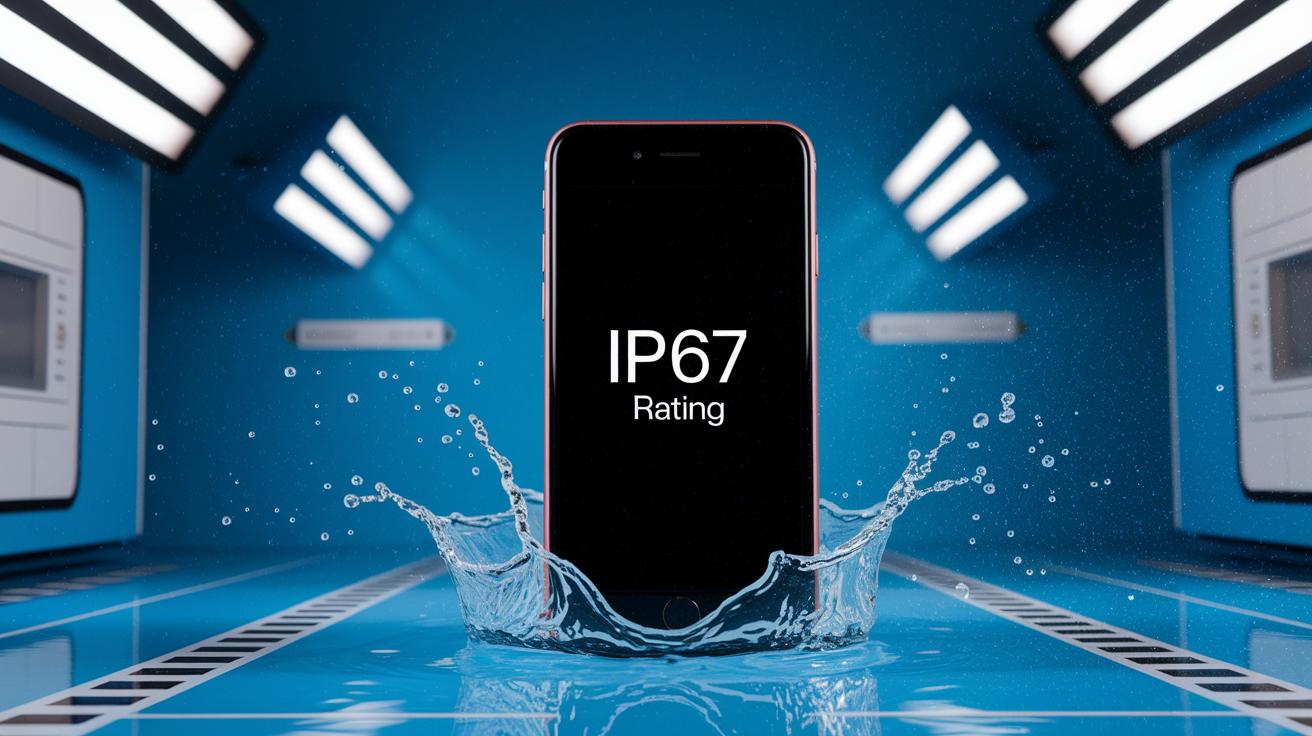
IP ratings show how well a device can keep out dust and water when tested in a lab. Manufacturers use strict third-party tests with set pressures and times to check for water and dust protection. Because test guidelines can vary by region, comparing ratings from different parts of the world isn’t always straightforward. It’s important to understand what each rating really tells you.
What Does IP67 Mean?
A smartphone with an IP67 rating has been briefly dipped in up to 1 meter of water for 30 minutes during lab tests. This means it can handle accidental splashes or a quick fall into water without failing immediately. The tests are done using clean, room-temperature water, so while the rating gives a good idea about everyday protection, it doesn’t cover all real-world conditions. Everyday liquids, especially those with salt or chemicals, might still cause damage over time.
What Does IP68 Mean?
An IP68 rating is a notch above IP67. Devices with this rating are typically tested by being submerged in water up to 1.5 meters deep for 30 minutes. This extra measure provides tougher protection if you accidentally drop your device in deeper water. Like IP67, these tests happen under very controlled conditions, so while the rating shows enhanced water resistance, it doesn’t mean you should intentionally expose your device to water.
Common Smartphone Waterproof Marketing Myths Exposed
Smartphone waterproof claims can be confusing and sometimes lead you to take risks with your device. Ads often suggest that your phone is invincible in the face of water, but the truth is more complicated. Here are five common myths with the clear facts you need to know:
-
Myth 1: "Uncooked rice will save your wet phone"
Tests show that rice hardly helps. Instead, it leaves starch behind, which can make internal damage worse. -
Myth 2: "IP68 means the phone can handle any underwater use"
Even phones with an IP68 rating are only tried in fresh water under set conditions. They aren't built for saltwater or soapy water. -
Myth 3: "Using a hair dryer will speed up drying"
Blowing hot air on your phone can harm delicate parts. The heat may distort components or drive moisture even deeper inside. -
Myth 4: "Turning it on immediately checks if it's still okay"
Powering on a wet phone can cause short circuits. It's better to let it dry thoroughly first. -
Myth 5: "Water-resistant means it's waterproof forever"
Over time, seals and adhesives degrade. This means a phone's water resistance can fade with regular use.
Understanding the real limits of water resistance helps you avoid risky fixes that could lead to expensive damage.
Real-World Mobile Submersion Tests: Results and Vulnerabilities
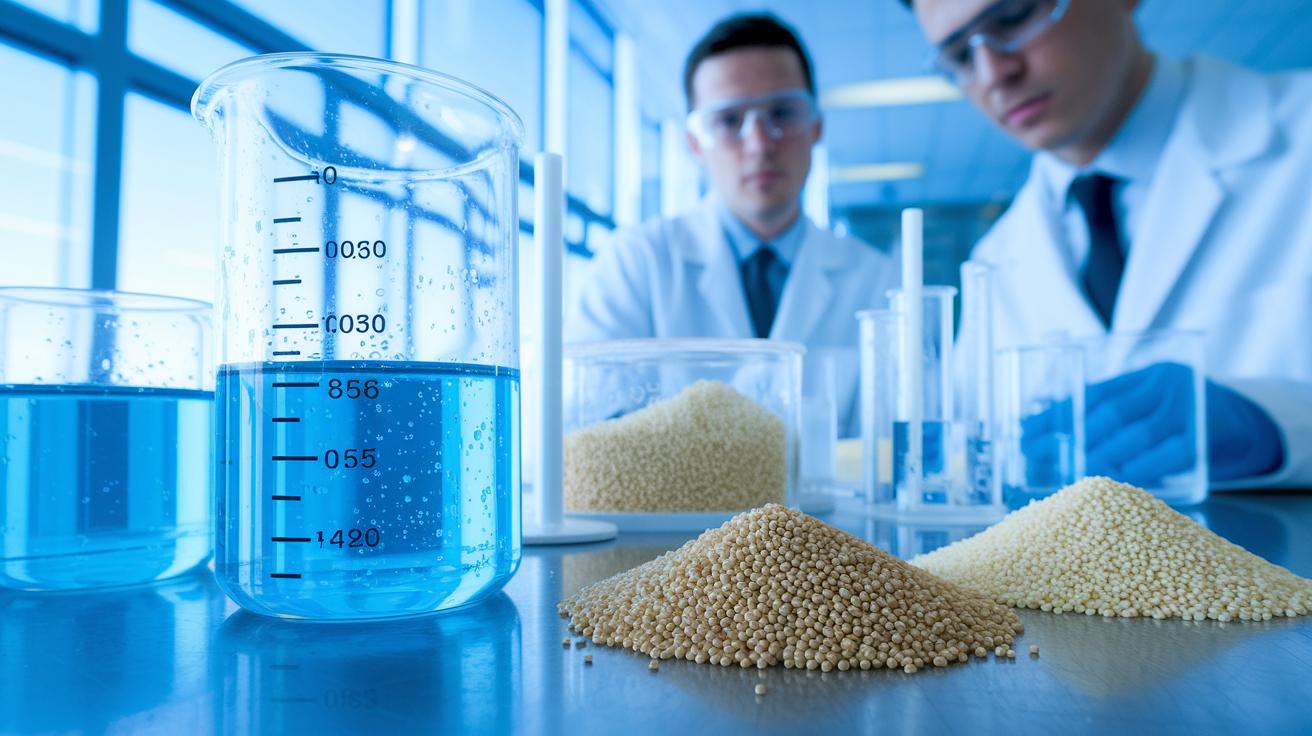
We ran a series of tests to see how well different drying agents soak up water. In our lab, we used sponges that we weighed before and after exposure to water to check their absorption. Uncooked white rice did not perform well, it soaked up much less water compared to alternatives like instant couscous and instant rice. In fact, both couscous and instant rice captured nearly twice the water that white rice did. Silica gel, on the other hand, was the clear winner. It drew moisture out faster and more efficiently than simply letting devices dry in the open air. This suggests that using rice as a quick fix for wet electronics might actually cause more harm than good, as it is inefficient and can leave behind particles that interfere with sensitive components.
We also tested real devices under controlled submersion conditions. Smartphones, including models like the iPhone and Samsung Galaxy S3, clearly showed vulnerabilities when exposed to water. The seals and gaskets designed to keep moisture out began to fail, especially when the devices were immersed in saltwater or subjected to changing pressure. Tests simulating everyday situations, such as falling into a toilet or swimming pool, revealed that while lab tests give us a good starting point, real-world factors like temperature shifts, water pressure, and chemical differences can easily push devices past their limits. These results emphasize the need for better materials and improved engineering to truly safeguard our mobile devices against water damage.
Engineering Behind Water Resistance: Seals, Coatings, and Designs
Water resistance in smartphones starts with choosing the right materials. Companies place rubber gaskets around buttons and ports to keep water out, while nano-coatings on circuit boards offer an extra layer of protection. Specialized adhesives also secure the seams of the chassis, and together these design choices work to block moisture and minimize corrosion. Even a small dab of isopropyl alcohol can harm these adhesives, reducing the phone’s overall resistance.
Balancing strong protection with everyday use is no small feat. Phones face rigorous IP testing that exposes them to controlled pressures and water for set periods. These tests are vital for certifying a phone’s limits against liquid damage. However, lab conditions don’t always match daily life, and stronger seals can add extra weight or bump up the cost. So while a phone might pass all the tests, its real-world performance in unpredictable water exposure might differ.
Keeping these seals in good shape over time is key to a phone’s long-term durability. Regular wear like repeatedly plugging in charging cables can wear out the rubber gaskets. Even everyday heat from a hair dryer can distort these seals and let moisture in. That’s why manufacturers must carefully balance durability with water resistance, ensuring it lasts throughout the device’s life.
Practical Water Exposure Guidelines and Warranty Tips
- Turn off your device immediately and, if possible, remove the battery to help prevent electrical shorts and additional water damage.
- Gently dab the phone's exterior with a clean paper towel to wipe away any water droplets. Be careful not to rub hard to avoid scratching the surface.
- Use a waterproof vacuum to carefully remove water from small crevices and ports. This targeted step helps limit moisture buildup.
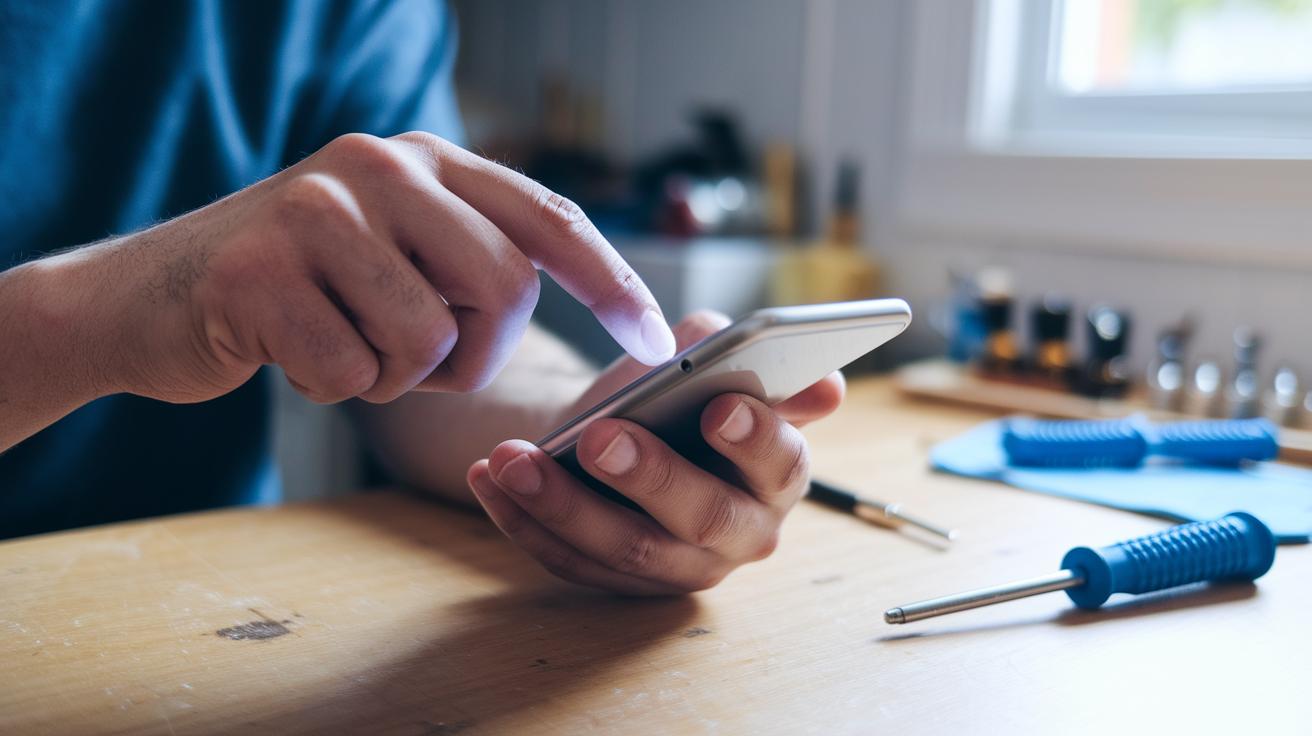
- If you feel confident, remove the back cover with a small Phillips or pentalobe screwdriver (you can get one for under $5) to let air flow to the inner components.
- Separate the battery compartment from other parts so that air can circulate and speed up the evaporation of any leftover moisture.
- Surround the disassembled parts with silica gel packs instead of using rice. Silica gel draws out moisture more effectively and leaves no harmful residue.
- Keep in mind that many manufacturers will void your warranty if moisture sensors detect water exposure, especially when the phone has been in saltwater or overly humid conditions.
Expert Opinions and the Future of Aqua‐Proof Technology
Experts point out that lab tests don’t capture the messy, unpredictable challenges of real life. Phones might undergo strict water resistance checks under steady, clean water conditions, but in everyday use, they face shifting pressures and harsher liquids like saltwater or soapy mixtures. This means the advertised ratings only show part of the picture. Recent studies have busted some waterproof myths by revealing unexpected weak spots, urging us to take a closer look at what these ratings truly represent.
Looking ahead, manufacturers are working on solutions to close this gap. They are experimenting with advanced nano-coatings, self-healing sealants, and built-in moisture sensors to better shield devices from water damage. These innovations build on current aqua-proof standards and real IPX certification details by offering smart, adaptive protection. With these improvements, users can soon expect devices that reliably handle a variety of water exposures in everyday life.
Final Words
In the action, we dissected controlled lab tests versus everyday encounters and busted common waterproof myths. We walked through IP ratings, real-world tests, and proper care methods so you can better protect your device.
This ride through waterproof smartphone myths debunked leaves us more confident in setting realistic expectations. Embrace smarter practices and enjoy your device’s resilience, just remember that a little caution goes a long way for long-term performance.
FAQ
FAQ
What does smartphone parasite mean?
The smartphone parasite refers to gradual moisture damage that degrades internal components over time, much like unwanted corrosion slowly affecting performance.
Are waterproof phones really waterproof?
The waterproof phone label means devices are tested under controlled lab conditions. They handle splashes and short submersions but may fail in everyday use with saltwater, soapy water, or prolonged exposure.
Can a phone survive being submerged in water?
The phone’s survival during submersion depends on its water-resistant rating. Limited immersion, under controlled conditions, might be fine, but real-life extended or harsh conditions can lead to damage.
Why aren’t phones waterproof anymore?
The issue of phone waterproofing is linked to design trade-offs. Over time, seals and coatings degrade, and modern designs may favor aesthetics over the long-term durability against moisture exposure.
Are iPhones waterproof and why aren’t they fully waterproof?
The iPhone water resistance rating indicates it can resist splashes and brief immersion in fresh water; however, exposure to salt, soapy water, or long submersion can compromise its seals, preventing it from being truly waterproof.