
Ever wondered if your top-tier phone could be fixed as easily as swapping out a battery? We looked into how flagship smartphones perform when it comes to repairs and what their warranty plans really cover. In this guide, you'll see why having easily accessible parts and straightforward service instructions can really save you time and money. We also explain the details behind manufacturer warranties, extended coverage plans, and protection for accidental damage. Read on to learn how these insights can help you pick a phone that lasts longer and reduces repair costs.
Comprehensive Flagship Smartphone Repairability Ratings and Warranty Overview
We evaluate flagship smartphones based on how easy they are to repair. This means we look at a phone’s modular design, spare part availability, easy battery access, and whether the manufacturer supplies the right service tools. Reviews from July 25, 2025 (899 views) show that phones with parts you can easily reach score higher. That makes fixing a broken display, battery, or camera much faster and cheaper in the long run. Phones with clear service manuals and special tools tend to mean less downtime and lower repair expenses over time.
Warranty options also add to a phone's repair-friendliness. Most phones come with a manufacturer warranty that covers mechanical and electrical issues for 12–24 months at no extra cost. You can extend this coverage by an extra 12–36 months for an additional $150–$250. If you worry about accidents, you can pay $100–$200 per year for accidental damage protection, which helps with drops, cracks, or liquid damage. Plus, you can add shipping protection for $5–$20 per order to cover transit issues. Mobile insurance is available too, costing about $8–$20 monthly or $96–$240 per year to protect against theft, loss, and total destruction.
| Warranty Type | Coverage Duration | Cost Range |
|---|---|---|
| Manufacturer Warranty | 12–24 months | Included |
| Extended Warranty | +12–36 months | $150–$250 |
| Accidental Damage | Yearly | $100–$200 |
| Shipping Protection | Per Order | $5–$20 |
| Mobile Insurance | Monthly/Annually | $96–$240 annually |
By comparing repairability scores with warranty details, you can choose a smartphone that meets your needs without hidden costs. This clear overview makes it easier to see how design and warranty options affect long-term service and overall value.
Key Design and Repairability Factors in Flagship Smartphone Maintenance
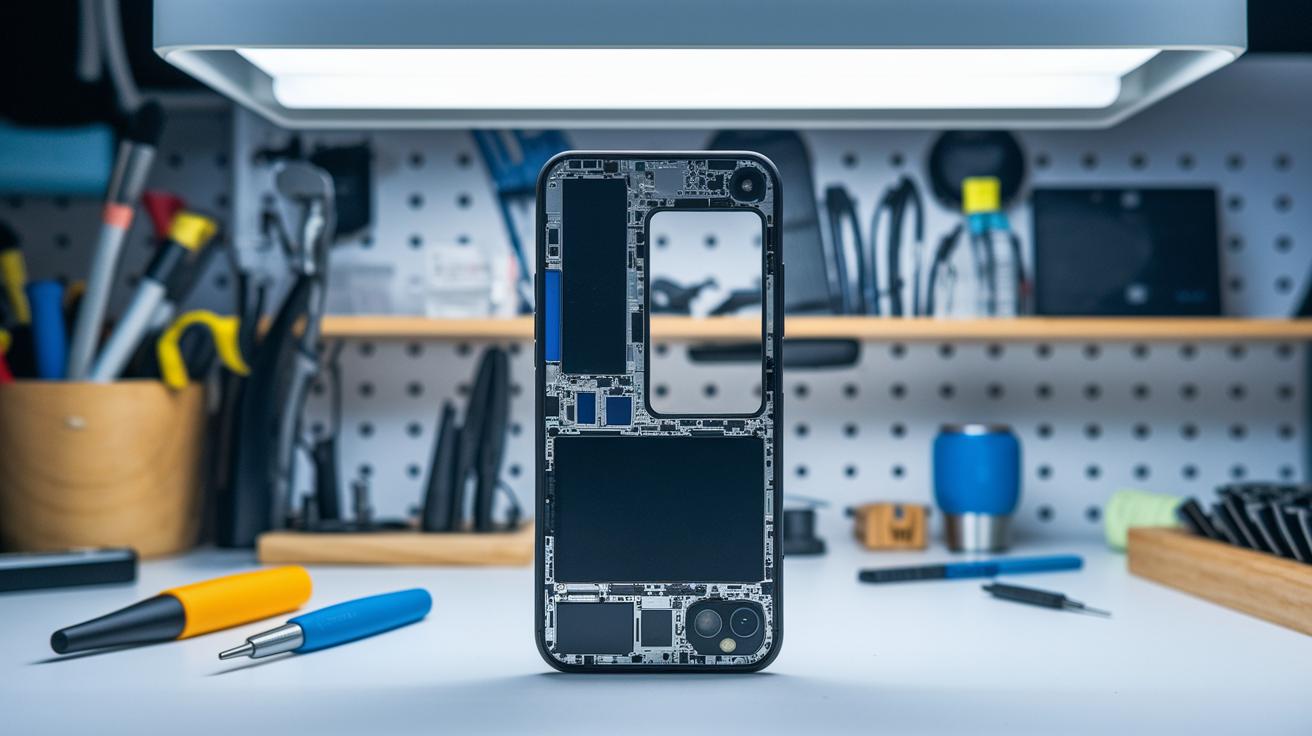
Flagship smartphones are built with a modular design that makes it easier to access key parts like screens, batteries, and cameras. This setup helps technicians finish repairs faster and can lower overall repair costs. Phones with modular parts let you swap out a cracked screen or failing battery without much hassle.
Some brands, however, limit how spare parts are distributed, which can mean longer wait times and higher prices for repairs. Phones with glued-in batteries require specialized heat and prying tools, items that don't usually come in a standard DIY toolkit. This means that in many cases, you’ll need professional equipment to get the job done. Official service manuals, brand-specific screwdrivers, and diagnostic tools are also crucial for a smooth repair process. Without these, even a solid repair can be a real challenge.
Screen lamination and fragile adhesives add another layer of difficulty. They make disassembly trickier and increase the risk of accidental damage during repairs. These factors all play a role in deciding whether it's worth repairing a device, as they directly affect how easily parts can be replaced and how long the phone might last.
Warranty Coverage and Repairability Implications
The manufacturer warranty handles mechanical and electrical issues for 12 to 24 months, covering only factory-made problems. When a part fails, devices built for easy repairs help you get fast, authorized fixes. For instance, if a phone’s internal circuitry stops working, the warranty makes the repair process smooth and efficient.
An extended warranty can add another 12 to 36 months of hardware malfunction coverage after the basic warranty ends. Even though it doesn’t cover major accidental damage, a design that makes components easy to access can cut repair costs. Imagine needing to replace a phone part, because of its user-friendly build, the repair is quick and affordable, even after the original warranty expires.
Accidental damage protection costs about $100 to $200 per year and covers mishaps like drops, cracks, dents, and liquid damage. Devices with designs that let you swap parts without specialized tools benefit most from this plan, keeping repair bills affordable. Picture dropping your phone and cracking the screen; with this coverage, the repair cost is eased while the repair-friendly design speeds up the fix.
Shipping protection, available for a one-time fee of $5 to $20, covers issues that occur during delivery. While it doesn’t change how easy a device is to repair, it helps prevent transit damage from becoming a repair headache.
Mobile insurance offers broader protection, including theft, loss, complete failure, and accidental damage, at around $8 to $20 monthly (or $96 to $240 yearly). For devices designed with easy repairs in mind, this insurance can reduce the financial burden by enabling fast, budget-friendly fixes at authorized service centers.
| Warranty Type | Coverage Duration | Cost Range | Repairability Insight |
|---|---|---|---|
| Manufacturer Warranty | 12–24 months | N/A | Makes authorized repairs easier for devices with repair-friendly designs |
| Extended Warranty | 12–36 months beyond factory coverage | $150–$250 | Best for devices with parts that are easy to access |
| Accidental Damage Protection | Annual | $100–$200 | Ideal for phones designed for simple part replacement |
| Shipping Protection | One-time per order | $5–$20 | Covers delivery damage without affecting repair ease |
| Mobile Insurance | Monthly/Annual | $8–$20 monthly or $96–$240 annually | Offers broad coverage, reducing repair costs on well-engineered devices |
Comparing Repair Costs and Common Component Replacements for Flagship Smartphones

Flagship smartphones can surprise you with steep repair bills if they're out of warranty. For instance, fixing a broken screen typically runs from $400 to $700. One case is the Fold 6, where repairing its inner screen can hit about $658, clearly showing that the low sticker price can come with hidden costs.
Other repairs add up too. Replace a battery and you might pay between $60 and $100, which may seem reasonable, but it can add up over the long haul. Fixing or replacing the back glass usually costs between $100 and $200. Meanwhile, if your camera module needs attention, which is critical if you love good photos, you could see costs from $120 to $250. Each repair not only takes a bite out of your budget but might also disrupt your phone’s regular performance.
Some brands go out of their way to limit access to spare parts. This can mean longer repair times and higher costs. On the flip side, other manufacturers offer more competitive service pricing. When evaluating a new smartphone, it’s smart to consider these repair costs as part of the long-term investment.
Before you decide to upgrade, remember:
- Review repair cost estimates before making a decision
- Evaluate service pricing trends across brands
- Consider potential hidden ownership costs before upgrading
Strategies to Minimize Repair Expenses and Maximize Warranty Benefits for Flagship Smartphones
Act fast to cut repair costs. Sign up for or buy your extended warranty within 30 days of activating your phone. This small step can help you secure lower prices and better coverage. Adding accidental damage protection and mobile insurance gives you extra peace of mind. For example, if your screen cracks after a fall, these plans can cover the high repair costs.
Right after purchasing your phone, check the "What’s Covered" section on the product page. This way, you quickly learn what repairs are supported and what isn’t. And when you need a repair, stick with authorized service centers. Using genuine parts and brand-approved repair methods protects your warranty and keeps your phone performing well. Think about it: a battery replaced with certified parts works much better than one with uncertified parts.
| Tip | Description |
|---|---|
| Extended Warranty | Register or purchase within 30 days of activation |
| Accidental Damage Protection | Extras like mobile insurance cover mishaps such as cracked screens |
| Coverage Review | Check “What’s Covered” details right away |
| Authorized Repairs | Use service centers that are approved by the brand |
| Shipping Protection | Take advantage when ordering online to avoid extra costs |
Following these steps helps keep your flagship smartphone running smoothly, reducing repair bills and downtime.
Final Words
In the action, we examined repair ratings, warranty details, repair cost comparisons, and strategies to reduce expenses. We broke down everything from modular design benefits and battery accessibility to manufacturer warranties and additional protection plans.
This guide provided clear insights on keeping high-end devices running strong and avoiding unexpected repair bills. Our review of flagship smartphone repairability and warranty insights offers practical advice to boost long-term value. Enjoy peace of mind while maximizing your smartphone’s potential.
FAQ
What do flagship smartphone repairability scores indicate?
The repairability score indicates how easily parts like displays, batteries, and cameras can be replaced. It reflects modular design, spare parts availability, and the support of official service tools and manuals.
How do warranty options impact smartphone longevity and repair costs?
Warranty options cover manufacturing defects and accidents, reducing repair expenses. Standard, extended, and accidental damage plans provide varying coverage durations and costs, helping extend your flagship phone’s practical lifespan.
How are repair factors assessed for phones like Samsung, Fairphone 5, and Pixel 10?
These models are evaluated based on modular design, battery accessibility, spare parts supply, and available repair manuals. Manufacturers with better DIY support tend to offer higher repairability scores and smoother repairs.
What is the typical lifespan of a flagship phone?
A flagship phone typically lasts several years, though real-world performance depends on daily use, proper maintenance, and warranty coverage. Most users see reliable performance through repairs and upgrades over 2 to 3 years.
What determines the current best flagship phone?
The best flagship phone balances high performance, efficient repairability, and robust warranty coverage. Consumer reviews and hands-on tests are key to identifying models that meet everyday needs and offer reliable long-term updates.
Who is recognized as the leading smartphone brand?
Leading smartphone brands are determined by innovation, sales figures, and customer satisfaction in repairability and warranty services. Expert testing and consumer feedback provide practical insights for selecting the top brand based on individual priorities.
Which phone tends to have a longer lifespan?
Phones with longer lifespans feature modular construction, easy access to essential components, and comprehensive warranty plans. This design approach minimizes repair costs and ensures sustained performance over years of use.