
Ever wondered if your phone can handle a dive into a pool or a rough drop on rocky ground? Traditional drop and scratch tests just aren’t enough these days. Today, smartphones undergo tests that mix deep-water immersion with high-impact falls to mimic real-life challenges. Manufacturers combine water resistance and shock absorption evaluations so you can see how a phone holds up in everyday spills and tough outdoor conditions. This post reveals how modern waterproof tests boost performance standards, giving you a clearer picture of everyday reliability.
Waterproof Smartphone Durability Tests Shine in Performance
Smartphone durability tests are getting tougher. The old drop and scratch tests just don’t measure up anymore when we consider the challenges of 2025. Today’s devices face more than just a quick splash, they must handle full submersion, heavy impacts, and dust exposure too. Regular tests that simulate everyday use often miss the mark when phones are pushed to the extreme outdoors or in harsh work settings.
Manufacturers have upped their game by combining water immersion and impact drop tests into one strong evaluation. Phones are first submerged under controlled conditions that change in depth and pressure. Then, they are dropped from heights between 1.2 m and 2 m. Testers record details like how much water pressure the phone can handle, how long it stays underwater, and how well it absorbs shock. This blended approach clearly separates devices meant for a light rain from those built for deep-water immersion or rough terrain.
Expert reviewers follow detailed protocols and use side-by-side benchmarks to rate each phone’s toughness. They check the strength of the seals and extra shock-absorbing features in both lab settings and realistic outdoor conditions. This careful testing gives you a true picture of each device’s ability to handle everyday challenges.
Ingress Protection Ratings and Standards for Waterproof Smartphones
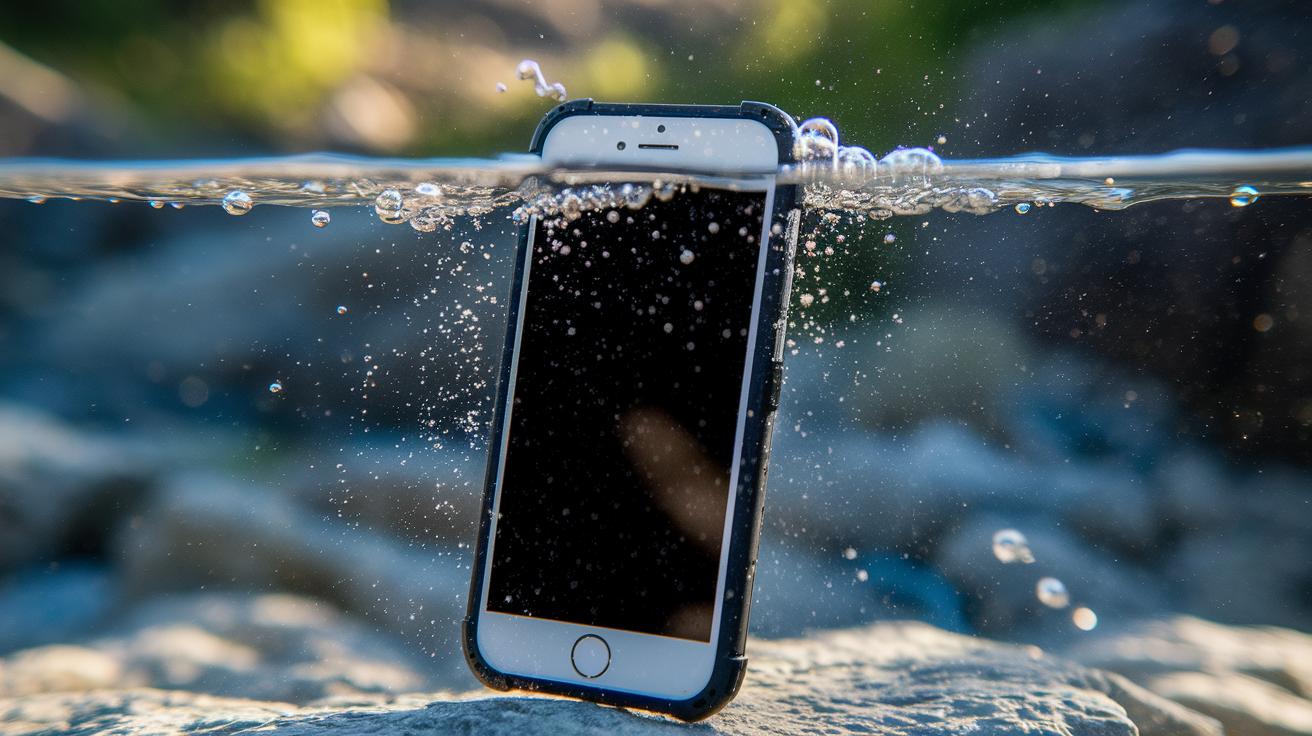
Standard benchmarks like IP68 and MIL-STD-810G let us know if a phone can keep water and dust out while surviving drops and shocks. These ratings help you decide if a smartphone is tough enough for outdoor adventures and everyday bumps.
IP68 Testing Criteria: Depth, Duration, Dust Resistance
In lab tests, phones are submerged in water up to 1.5 m deep for as long as 30 minutes. This test checks that the phone’s case is completely sealed so that neither water nor dust can get inside. The results depend on clear pass or fail standards, including tests like ASTM fluid-jet experiments that confirm the quality of the phone’s seals.
MIL-STD-810G Water and Impact Protocols
This standard puts phones through practical tests such as drops from different heights on varied surfaces. It also includes immersion tests that mimic real-life splashes and brief submersions. While the IP68 rating shows steady protection against water and dust, the MIL-STD-810G tests reveal how a device handles sudden shocks and impacts. Together, they offer a complete look at a smartphone’s durability in both everyday and extreme settings.
Liquid Immersion and Splash Resistance Protocols
Lab tests give us a clear look at how smartphones handle water in everyday life. We set up controlled tests that mimic heavy rain, pool dips, and even ocean spray. While water-resistant devices can deal with a few splashes or short, shallow dips, truly waterproof phones face tougher challenges in these tests.
- Immersion Depth and Duration – Phones are submerged in a still water tank, usually up to 1.5 m, for a long period to see how well their seals hold up.
- Pressure and High-Pressure Spray – A rig blasts high-pressure water at the device to mimic heavy downpours and the force of nearby ocean waves.
- Temperature-Controlled Immersion – Devices are tested in water of different temperatures to check performance in both cold and warm conditions.
- Dynamic Splash Simulation – A rig creates rapid splashes to see if the phone’s seals can handle quick, repeated water hits.
- Fluid Movement Analysis – Using an immersion chamber with moving water, we assess how the device stands up to continuous flows and vibrations.
These tests closely mirror real-world water challenges, helping us confirm if a smartphone can handle rain, pool time, and even the powerful spray of the ocean.
Impact and Shock Resistance in Waterproof Smartphones
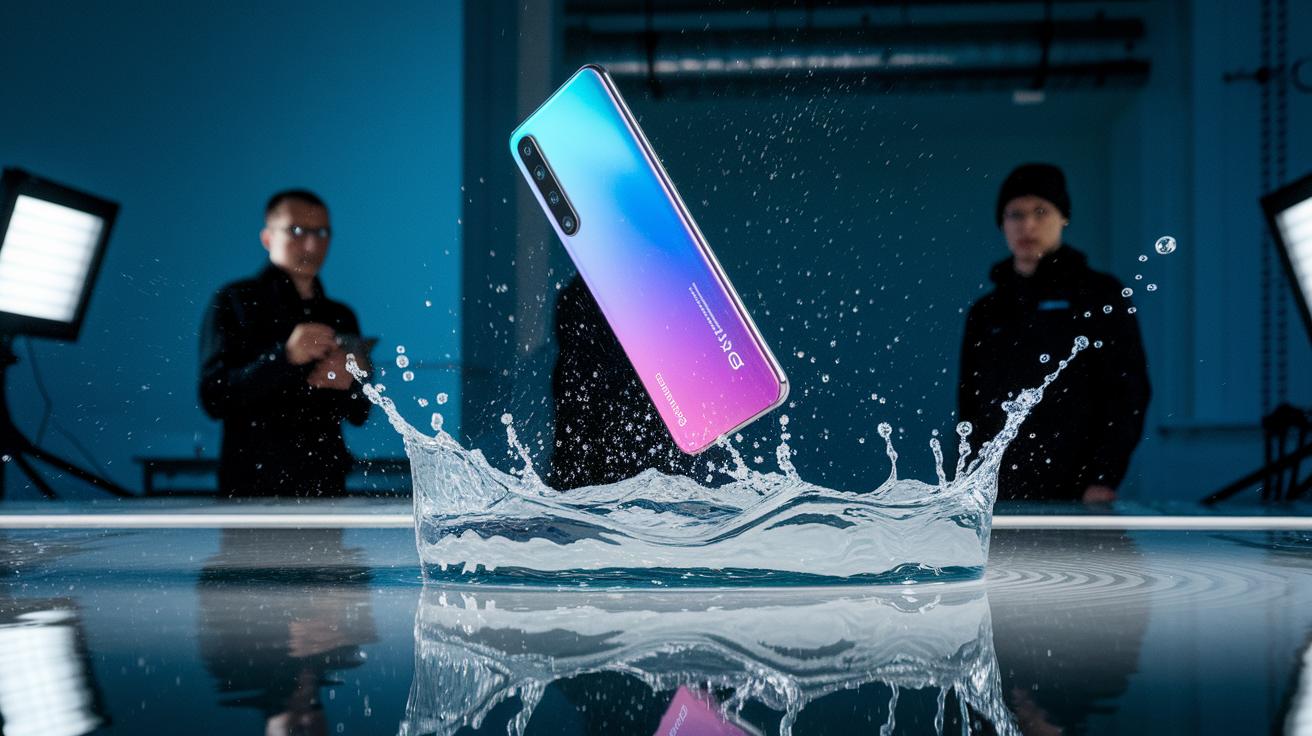
We put smartphones through real-world shock tests to see if they can handle drops and still keep water out. For instance, in one trial the Xiaomi REDMI Note 15 Pro+ survived a drop from between 1.2 m and 2 m and was immediately exposed to water. Its sturdy bumpers and shock-absorbing materials protected both the inner parts and the waterproof seals.
Standardized Drop and Immersion Trials
In our lab tests, we drop phones onto hard surfaces like concrete or steel to spot any weak points in their design. A device passes if its screen stays intact and its seals remain snug. Dropping the phone and then soaking it helps prove that shock resistance and waterproof design work hand in hand.
Real-World Field and User Performance in Wet Conditions
Field tests show that smartphones react differently when they get wet. In light rain or during a quick dip in the pool, many devices hold up well, but longer exposure, like during water sports, may call for extra protection. Outdoor tests simulating heavy downpours and high humidity confirm that even top-rated waterproof phones can struggle if they're kept wet for too long.
Experts recommend using additional accessories to boost reliability in these situations. Reviews from beach trips and water-sport enthusiasts suggest that waterproof cases or pouches provide an extra layer of security. They also advise checking the phone's seals before use and cleaning the ports after exposure to saltwater to prevent corrosion and residue buildup.
Common issues include a temporary drop in touchscreen responsiveness and minor water ingress in extreme cases. If your phone does get wet, turning it off immediately and letting it air dry can help preserve its functionality and extend its lifespan in wet climates.
Comparing Durability Scores of Leading Waterproof Smartphones
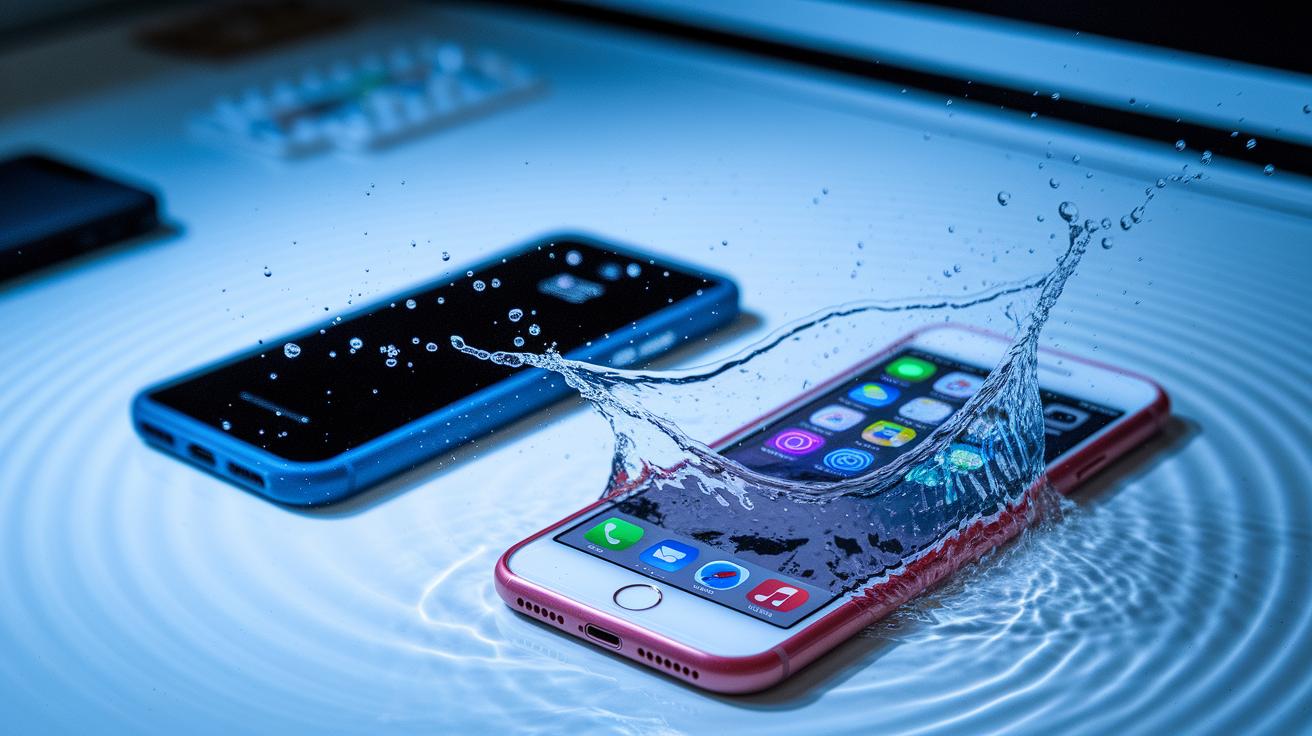
We put waterproof smartphones to the test by simulating everyday splashes, extended water dips, and drops from up to 2 m. We wanted to see how each model holds up when exposed to water and shocks, checking how well they resist drops and water immersion lasting up to 60 minutes. Manufacturers have added features like reinforced corner bumpers and advanced sealing methods to help these phones survive unpredictable conditions.
| Model | IP Rating | Max Drop Height | Max Submersion | Key Protective Features |
|---|---|---|---|---|
| CAT S75 | IP68 | 2 m | 60 min | Reinforced frame, rugged design |
| Ulefone Armor 23 | IP68 | 2 m | 60 min | MIL-STD certification, robust buttons |
| Xiaomi REDMI Note 15 Pro+ | IP68 | 2 m | 60 min | Gorilla Glass Victus, shock absorber |
| Samsung Galaxy S25 Ultra | IP68 | 2 m | 60 min | Hydrophobic nanocoatings, advanced seals |
| Phonemax Rugged Phone | IP68 | 2 m | 60 min | Enhanced bumpers, extra-tested components |
Our tests show that even though all the phones meet the same basic ratings, each has its own unique edge. CAT S75 and Ulefone Armor 23 stand out with a work-ready, rugged design. The Xiaomi REDMI Note 15 Pro+ impresses with its tough, high-impact glass that offers both clear visuals and shock absorption. If extra water resistance is your priority, the Samsung Galaxy S25 Ultra delivers with special hydrophobic coatings. And for those who need a phone that can really handle the outdoors, the Phonemax Rugged Phone brings extra reinforcement and durability. This side-by-side look helps you choose the right model based on your specific needs.
Maintenance and Seal Inspection for Long-Term Waterproofing
Your smartphone's ability to keep water out relies on secure seals that stop moisture from sneaking in over time. Even the toughest waterproof designs can weaken if you skip checking the port covers and seals. A quick wipe with a slightly damp cloth removes any buildup that could break your phone's water barrier. And if you expose it to chlorinated or saltwater, be sure to rinse it off afterward. Regular water-tightness checks add an extra layer of protection, helping keep the delicate circuit board safe from long-term moisture damage.
Before heading out in the rain or on a boat, take these simple steps:
- Inspect port covers and seals for signs of wear.
- Use a damp cloth to gently remove dirt and salt deposits.
- Dry your phone in the shade instead of under direct sunlight.
- Periodically test its water resistance with a careful immersion.
- Ensure any protective case fits properly and doesn’t interfere with the seals.
Final Words
In the action, this article walked through robust waterproof smartphone durability tests. We explored lab simulation techniques, combined impact and immersion trials, and real-world field performance. Each section provided clear insights into IP68 ratings, shock resistance, and proper maintenance for long-term use.
Our guide offers practical advice on choosing a device that stands up to everyday challenges. With these insights, you can shop smart and enjoy dependable performance even in wet environments.
FAQ
Q: What do Samsung and top waterproof smartphone durability tests reveal?
A: Samsung and top waterproof smartphone durability tests reveal how devices handle water immersion, splash exposure, and drop impacts while validating claims made by manufacturers in simulated real-world conditions.
Q: How does the iPhone 17 Pro durability test perform?
A: The iPhone 17 Pro durability test evaluates water resistance and shock performance, demonstrating how well its design holds up during immersion and impact scenarios under controlled laboratory conditions.
Q: Is there a smartphone with an unbreakable screen?
A: While no screen is truly unbreakable, some smartphones feature reinforced glass and advanced coatings that significantly boost drop and scratch resistance, offering enhanced durability compared to standard screens.
Q: Which brands are known for the most durable and indestructible smartphones?
A: Some leading brands such as CAT, Ulefone, Xiaomi, and Samsung are recognized for producing smartphones that excel in water, drop, and shock resistance tests, often earning top durability ratings.
Q: Is the Samsung S23 waterproof?
A: The Samsung S23 typically meets high IP ratings, indicating it is water and dust resistant; however, performance may vary, so it’s important to review detailed test reports for its specific water resistance capabilities.
Q: What defines a rugged waterproof smartphone?
A: A rugged waterproof smartphone is defined by its reinforced frame, advanced sealing technologies, and the ability to pass rigorous water immersion, drop, and shock tests that simulate harsh environments.
Q: Do waterproof phones actually work?
A: Waterproof phones work by protecting internal components from water damage within their specified limits, such as immersion depth and duration, providing reliable performance when used as directed.
Q: How can you test if a phone is waterproof?
A: To test if a phone is waterproof, users can perform controlled water exposure tests like static immersion or dynamic splash tests following manufacturer guidelines while ensuring all ports and seals are intact.
Q: Which smartphone is considered the toughest in the world?
A: The toughest smartphone is usually identified through combined lab tests for water, drop, and impact resistance, with select models from leading rugged brands consistently outperforming in extreme conditions.