
Ever been caught in a sudden downpour with your phone? Most devices aren’t built to handle water, and even a small splash can lead to expensive repairs or a costly replacement. Waterproof smartphones are tested for tough water exposure and can give you peace of mind on busy days. In this guide, we break down key features such as water resistance (IP rating), build quality, battery life, and camera performance. We tested these phones in real-life conditions so you know exactly what to expect. If you value reliability and need a phone that can keep up with your daily routine, read on to see what makes these devices a smart pick.
Fundamental Criteria for Choosing a Waterproof Smartphone
Regular smartphones can be easily damaged by water, be it a sudden rainstorm, a spilled drink, or even accidental submersion. Even a little splash can lead to expensive repairs or force you to replace your device.
Waterproof smartphones, on the other hand, come with an IP rating that guarantees tight sealing and strong internal parts to keep the moisture out. They are put through tough tests to make sure they can handle everything from a quick splash to being fully submerged. This makes them a great choice for active users or anyone who works in wet or challenging conditions.
Key points to consider when shopping for a waterproof smartphone include:
- IP rating level
- Build materials
- Battery capacity
- Camera performance
- Port protection
- Brand reliability
Think about your everyday routine when comparing these features. If you spend a lot of time outdoors or in environments where water is common, a higher IP rating and a durable build should be at the top of your list. However, if water protection is your main concern, you might be willing to compromise on other features like advanced camera options. Balancing these factors based on your lifestyle, budget, and what you need most will help you pick the best waterproof smartphone for you.
Understanding IP Ratings for Waterproof Smartphones
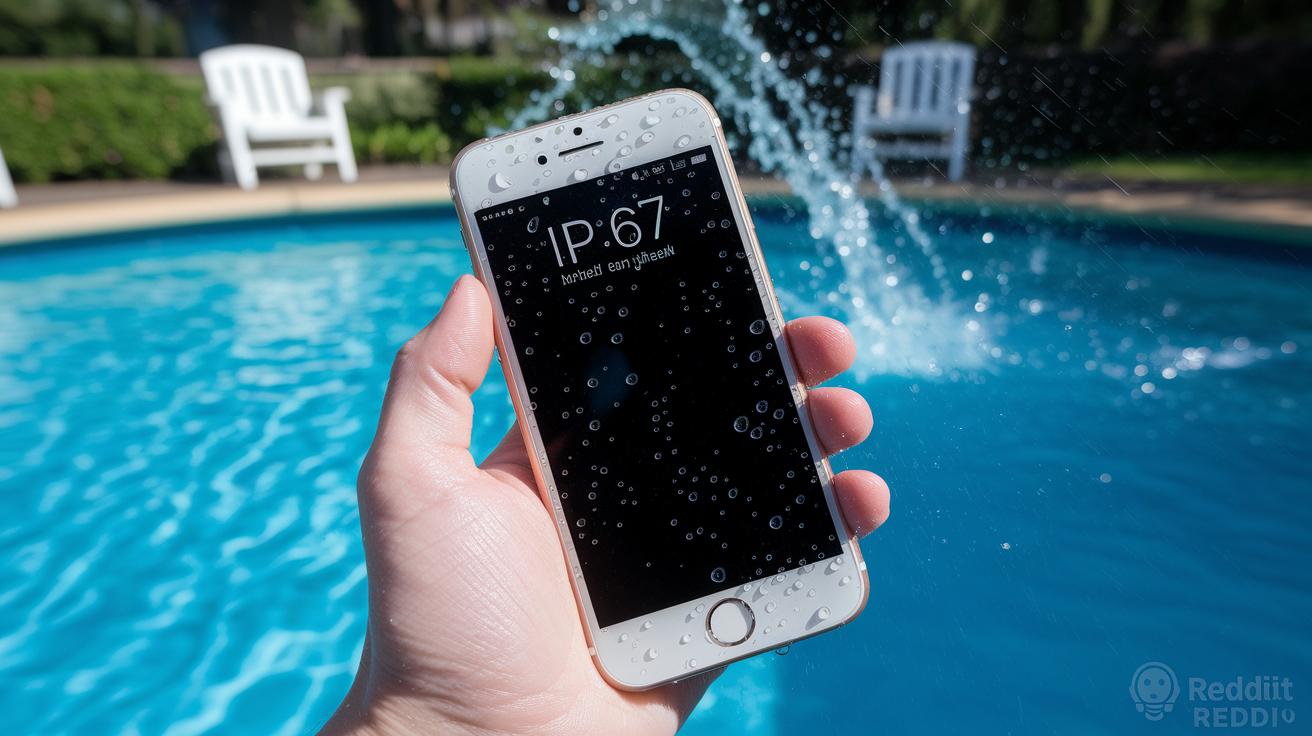
When it comes to water, a regular smartphone can be at risk. That’s why knowing what IP ratings mean is so important when you’re eyeing a waterproof phone. These ratings tell you how much dust and water a device can handle, which helps you pick the right one for splashes, rain, or even brief submersions.
Smartphone makers use standard IP codes to show that their devices meet certain protection levels. You might see ratings like IP67 or IP68. Some brands even go above and beyond these tests, so it’s smart to check how they certify their phones for extra peace of mind.
IP67 Explained
IP67 means the phone is completely sealed against dust and can handle splashes of water very well. In lab tests, a phone with this rating can be dunked in up to 1 meter of water for 30 minutes without any harm.
IP68 Explained
IP68 also guarantees that the phone is dust-tight, but it’s built to deal with deeper water too. Generally, these phones can be submerged between 1 and 3 meters for 30 minutes, though the exact depth can vary depending on the model and testing standards.
| IP Code | Protection Details | Submersion Limit |
|---|---|---|
| IP67 | Dust-tight, splash resistant | Up to 1 m/30 min |
| IP68 | Dust-tight, waterproof | 1–3 m/30 min (varies by model) |
These differences really matter in everyday life. If you’re often around water or work outdoors in wet conditions, an IP68 phone might give you that extra layer of safety. On the other hand, if you just face occasional spills or light rain, an IP67 rating should cover your needs while letting you focus on other features.
Durability Standards and Testing Methods for Waterproof Phones
Manufacturers use strict electronics and mobile durability standards to ensure waterproof phones can handle rough conditions. Many brands even go past the basic IP ratings by using military-grade tests like MIL-STD 810G. These tests cover things like drops, pressure shocks, and moisture exposure, proving that the phone will offer real protection whether you're at home or on an adventure.
Submersion tests play a key role in these assessments. In a lab, phones are carefully immersed in water under set conditions. They also go through tests that simulate repeated splashes, changes in water pressure, and drops from about 1.2 m while wet. Additional tests measure how long a phone can stay underwater before it starts to affect the internal parts or performance.
When comparing models, it's important to review the detailed factory data. Test results can differ a lot from one phone to the next, so knowing the specifics on splash limits, immersion times, and pressure test outcomes can help you match a phone's performance to your everyday needs. This ensures the phone you choose truly meets your expectations for durability and water protection.
Key Design Features and Protective Technologies in Waterproof Smartphones
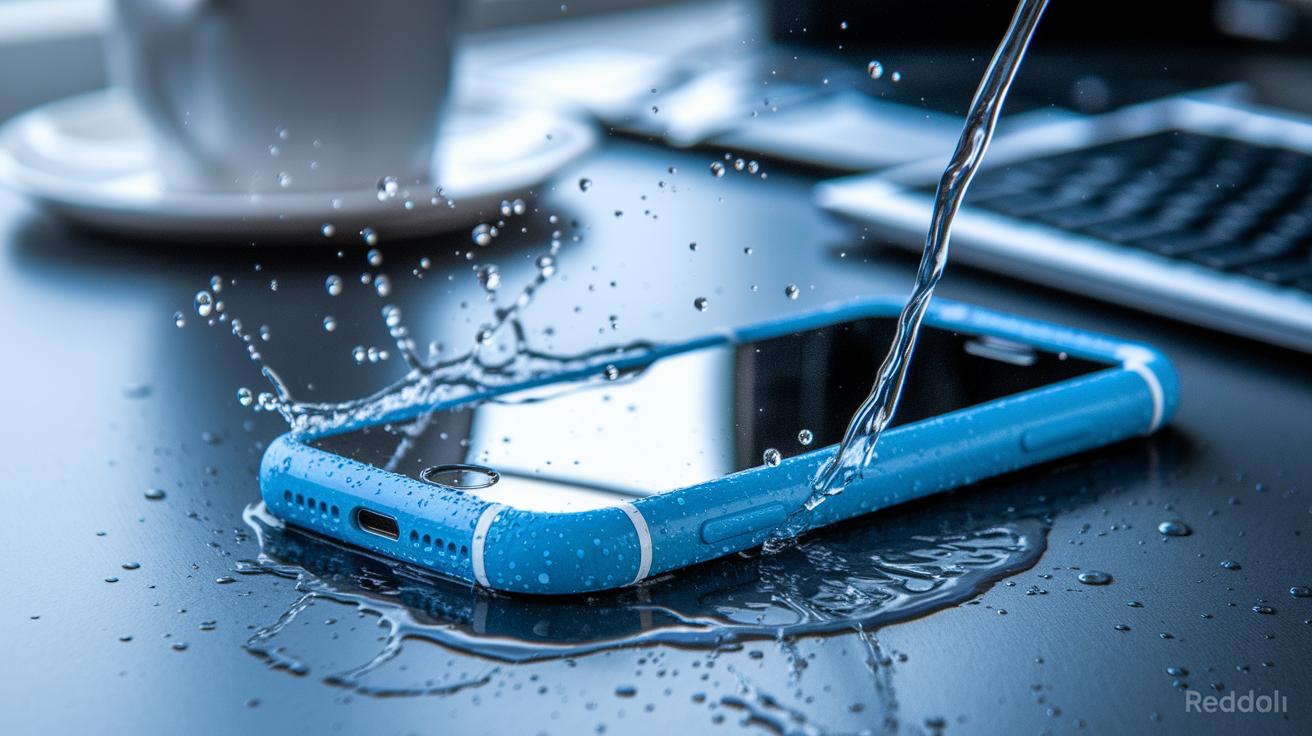
Waterproof smartphones are built with smart design elements that help keep water and shocks at bay. Manufacturers add reinforced frames that make the phone tougher and reduce the chance of cracking when dropped. Carefully molded gaskets and sealed port covers work together to block water from everyday splashes or rain. For instance, a well-engineered gasket around the SIM tray can stop water from seeping into the phone's sensitive areas. All these features protect the device without making it bulky or compromising its sleek design.
Inside the phone, extra measures add another layer of defense against moisture. A hydrophobic nano-coating (a special finish that repels water) acts as a secondary barrier on important components. Precision adhesives and overmolded rubber seals fill gaps around areas like speaker grills and charging ports. This extra internal protection is key to preventing long-term damage from repeated exposure to water, ensuring that even if the outer defenses let a little water in, the core electronics stay safe.
Performance and User Experience in Wet Conditions
When your smartphone encounters damp weather, you might notice some changes in how it performs. A wet touchscreen may not respond as well, and many devices now include water-rejection features to help prevent those phantom touches during rain or light splashes. Similarly, water hitting the speaker and microphone meshes can make sounds a bit muffled, reducing audio clarity. Moisture can also affect battery performance by triggering sensors that increase power drain, and in some cases, the camera may capture images with slightly less clarity right after exposure. Each model handles moisture differently, but today's phones are generally built to lessen these issues.
If you're out in the rain, near shallow water, or in a humid area, a few simple steps can help keep your smartphone running smoothly. For example, if you notice the touchscreen slowing down, gently drying it with a soft cloth often restores its accuracy. Lowering the screen brightness can help reduce the processing load when moisture is present, and using a protective case that allows water to flow around the device instead of directly contacting it can also be beneficial. Paying attention to these details can go a long way in maintaining a reliable user experience, even when the weather isn't ideal.
Best Waterproof Smartphones by Price Segment
Waterproof smartphones often mean balancing your budget with the level of protection you need. Cheaper models may only handle splashes, while pricier ones bring stronger water resistance and extra features. It all comes down to how much water exposure is part of your daily routine.
Budget (<$200)
At this price, phones generally offer basic water protection, ideal for everyday spills and light rain. They often come with an IP67 rating, which means they handle brief exposure to moisture but aren’t built for full submersion. While these models protect you in a pinch, you might notice trade-offs like lower display quality or slower performance. This range is best if you need simple splash resistance without advanced features like wireless charging or top-tier cameras.
Mid-Range ($200–$500)
Mid-range devices offer a balance between solid water resistance and everyday performance. Priced between $200 and $500, many of these models still sport an IP67 rating but come with improved build materials and faster processing. In this segment, you get a phone that reliably handles wet conditions while still delivering the smartphone performance you expect for daily tasks. It’s a good fit if you’re looking for dependable splash protection without breaking the bank.
High-End ($500+)
High-end waterproof smartphones step things up with IP68 ratings, meaning they’re built to handle longer submersions and tougher conditions. These models pack premium features such as wireless charging, strong display quality, and top performance overall. They’re designed for users who demand both the best water protection and the latest technology, even in extreme environments.
When choosing a safe waterproof smartphone, think about your everyday needs. If you only need basic protection for occasional splashes, a budget model might do the job. But if you often face wet conditions or rely on a device for heavy use, investing in a mid-range or high-end model is the smarter choice.
The Ultimate Waterproof Smartphone Buying Checklist
Begin by checking the phone’s official IP rating and reading the warranty details about water damage. Look for clear test results and certification proof so you know it really meets water resistance standards. This step helps you avoid surprises when a minor mishap could void the warranty.
Next, keep an eye on the phone’s long-term durability. Regularly inspect port covers, gaskets, and seals for any sign of wear. This simple maintenance not only prolongs the waterproof qualities but also gives you confidence that the phone will handle repeated water exposure.
Finally, follow expert tips on moisture safety. Compare features like immersion cycle tests and other durability metrics. Make sure the design includes strong, reinforced seals and protective coatings. Taking these steps ensures your phone stays reliable in wet conditions, making it a smart, long-lasting choice for anyone around water.
Final Words
In the action, this article broke down the key criteria for choosing a waterproof smartphone. It explained how IP ratings, durability tests, and protective designs shape your options.
We covered performance in wet conditions and compared different price segments. A handy checklist wraps up the guide, ensuring you consider every factor.
This waterproof smartphone buying guide gives clear, practical advice to help you balance protection, price, and performance with confidence. Keep these insights in mind as you make a smart, informed choice.
FAQ
Waterproof phone list
The waterproof phone list refers to a collection of models that have passed standardized water resistance tests, featuring verified IP ratings and robust designs to safeguard against water damage across various budgets.
Best waterproof smartphone buying guide
The best waterproof smartphone buying guide explains key factors like IP ratings, build quality, and warranty terms, helping shoppers match water resistance performance with budget, usage needs, and essential features.
Water resistant phones under 20000, Cheap waterproof phones, and Cheap waterproof Android phone
The category of water resistant phones under 20,000 covers budget-friendly models with essential water protection. These phones typically feature IP67 ratings, providing reliable splash and shallow submersion protection without extra bells and whistles.
Samsung waterproof smartphone buying guide and Samsung waterproof phone list
The Samsung waterproof smartphone guide offers a curated list of Samsung models that meet strict water resistance tests. It highlights IP certifications, design details, and performance metrics to help buyers navigate Samsung’s offerings in wet conditions.
Best waterproof Android phone
The best waterproof Android phone blends high-level water resistance with advanced features and strong performance. It stands out for its IP rating, durable build, and consistent real-world protection against water exposure.
Which phone has the best waterproof?
The phone with the best waterproof performance typically features an IP68 rating, superior sealing, and proven durability under rigorous testing, making it ideally suited for everyday water exposure and challenging wet environments.
What is better, IP67 or IP68 phones?
The comparison between IP67 and IP68 phones shows that while both offer dust-tight protection, IP68 phones allow for deeper water submersion. The choice depends on your level of exposure and the specific protection needed.
Is IP68 100% waterproof?
The IP68 rating indicates a high degree of water resistance under controlled test conditions. It does not mean the phone is entirely waterproof in every scenario, so cautious use around water is still recommended.
Do waterproof phones actually work?
The claim that waterproof phones work means that these devices are tested to handle everyday water exposure like splashes and rain. Real-world use and lab tests consistently confirm their ability to resist water damage.