
Have you ever wondered if your phone can handle an unexpected drop or a quick splash? IP ratings give you a clear picture of how well your device stands up against dust and water. While many phones claim to be waterproof, knowing what each digit means shows whether they really can cope with everyday spills and accidents. Here, we break down the rating system so you know exactly how much protection you're getting. Let's jump into the facts and see how IP ratings prove if your smartphone truly holds up under pressure.
How IP Ratings Determine Smartphone Waterproof Capabilities
IP ratings use a two-digit code to show how well a smartphone holds up against dust and water. The first number goes from 0 to 6 and tells you how much the phone is sealed against solid particles like dust. A rating of 6 means the phone is completely sealed, while a 0 means there is no real protection at all.
The second number ranges from 0 to 9K and covers how well the phone resists water. For example, an IP67 phone is dust-tight and can handle being submerged in water up to 1 meter deep for about 30 minutes. An IP68 rating means it can go even deeper, though the exact depth is set by the maker. Sometimes you’ll see IPX7. That tells you only the water resistance was tested, with no check on dust protection.
For everyday use, you might also notice ratings like IP54 or IP65. IP54 gives the phone a basic shield against splashes, which works well indoors, while IP65 means it can handle low-pressure water jets – handy for outdoor activities. If you see IP69K, that’s built for tougher industrial use; it stands up to high-pressure, high-temperature steam jets.
Keep in mind that these tests are done in a lab using clean water. Real-life conditions such as saltwater, chlorinated water, drops, or temperature changes can affect how well a phone holds up over time. Regular use and harsh environments might reduce these protections, so it's smart to check the manufacturer’s guidelines and test conditions when you’re considering a device for water resistance.
Decoding IP Rating Digits for Smartphone Water Resistance
When you check a smartphone's IP rating, the first number tells you how well it handles dust and other solid particles. The scale goes from 0 to 6. A rating of 0 means no protection at all. A rating of 1 means the phone can block objects larger than 50 mm, like a hand. A rating of 2 covers objects over 12.5 mm, such as fingers. A rating of 3 keeps out items above 2.5 mm, like small tools. A rating of 4 stops particles larger than 1 mm, such as most wires. If a phone has a 5, it means it's dust-protected to reduce the chance of particles getting inside. A rating of 6 gives complete protection, making the device dust-tight. In short, this first digit is a handy checklist for how well your phone can handle dust and debris during everyday use.
The second number in the IP rating looks at water resistance. The scale runs from 0 to 9K and shows what kind of water exposure the phone can handle. A rating of 0 means there's no water protection at all. A rating of 1 means the phone can handle water dripping vertically. A rating of 2 covers water droplets hitting at a slight angle (about 15°). With a rating of 3, the phone stands up to sprays coming from up to 60°. A rating of 4 means it's safe from simple splashes. A rating of 5 means it can resist low-pressure jets, while a rating of 6 means it can handle more powerful jets. A rating of 7 indicates the device can be submerged in water up to 1 meter deep for 30 minutes. With an 8, the phone can stay underwater continuously beyond 1 meter deep. Finally, a rating of 9K means the phone is built to withstand high-pressure, high-temperature steam jets. This simple scale helps you know how much water exposure your phone can safely take.
Sometimes, you might see an "X" instead of a number. That just means the test for that type of protection wasn’t done. Extra letters like "K," "W," or "M" point to special conditions, such as resistance to steam or extra water testing that goes beyond what the standard numbers cover. This extra info helps you match a phone’s protection level to your everyday needs, whether you're worried about dust at work or water during a rainy day.
Comparing Common IP Ratings in Smartphones
Smartphones display IP ratings to show how well they keep out dust and water. Here's a clear guide to help you understand what each rating means for everyday use.
Below is a table summarizing these protection levels:
| Rating | Particle Protection | Liquid Protection | Typical Use Case |
|---|---|---|---|
| IP54 | Limited dust ingress | Water splashes | Indoor use, spills |
| IP65 | Dust-tight | Low-pressure jets | Outdoor on-the-go |
| IP67 | Dust-tight | Immersion to 1 m/30 min | Accidental drops in water |
| IP68 | Dust-tight | Immersion beyond 1 m | Swimming, shallow dives* |
| IP69K | Dust-tight | High-pressure steam jets | Industrial cleaning |
*Note: Manufacturer-specified depth may vary.
For example, an IP54 device is designed to handle a kitchen spill, making it a good option for indoor use. If you’re active outdoors, an IP65 phone can manage low-pressure jets. Meanwhile, an IP67 rating means the phone is built to handle brief submersions, and an IP68 rating is ideal if you want to use your device in the pool or during shallow water activities. The IP69K rating is aimed at industrial environments where high-pressure cleaning is standard.
This guide condenses our earlier details into an easy reference that helps you decide which level of protection suits your lifestyle best.
Real-World Factors Affecting Smartphone IP Rating Performance
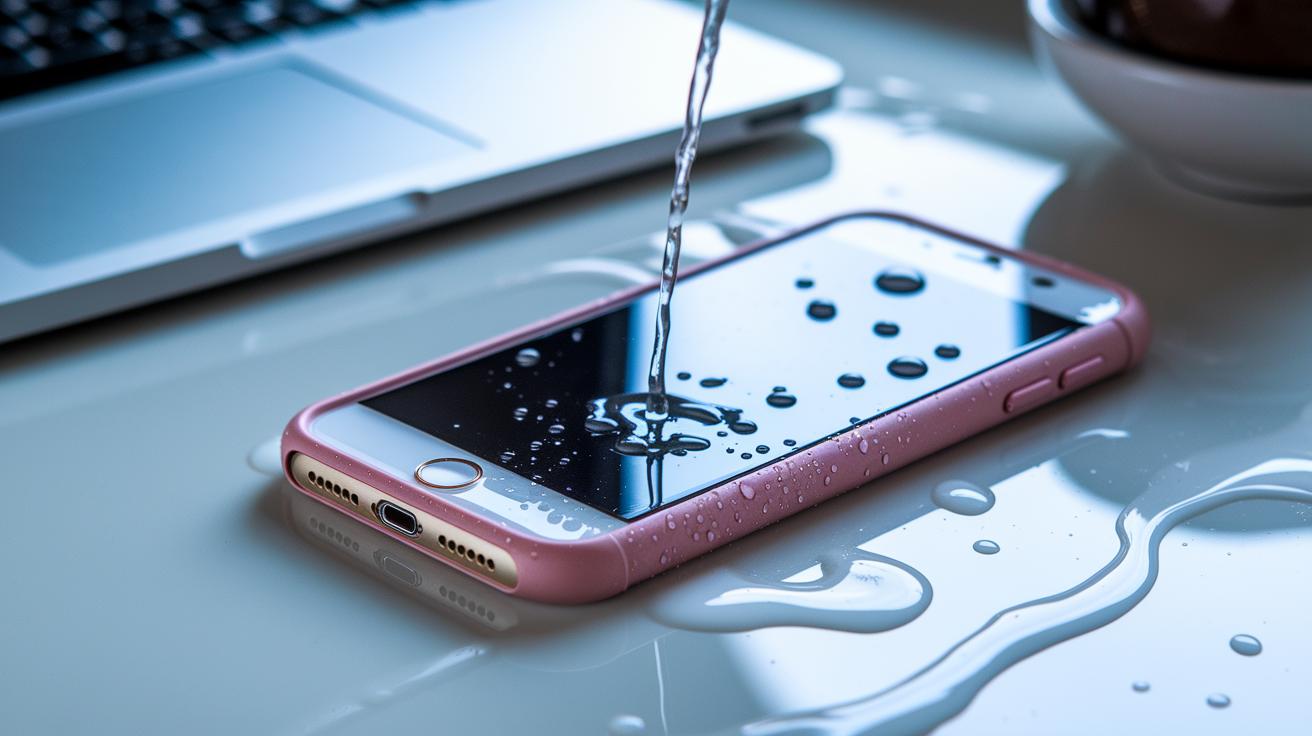
Lab tests measure IP ratings using pure water under perfect conditions, but everyday use can really challenge your phone's waterproof defenses. In real life, different factors can wear down a device's ability to keep out liquids, so it makes sense to handle even highly rated phones with extra care.
Here are five common issues that can reduce a phone's water resistance:
- Physical damage: A drop or bump might crack seals and let water sneak in.
- Repeated port use: Constantly plugging in and removing cables can gradually wear down protective seals.
- Temperature extremes: Very hot or very cold conditions can weaken the gaskets, making the phone less resistant to water.
- Water type: Saltwater and chlorinated pool water are harsher than pure water and can harm your device faster.
- Natural aging: Over time, the adhesives and coatings used in the phone can break down, reducing its water resistance.
Even after rigorous lab testing, a single fall or a splash of saltwater can quickly undermine your phone's waterproofing. Keeping these factors in mind helps you set realistic expectations and plan for careful maintenance to preserve the protection your phone was designed to have.
Interpreting IP Ratings Within Smartphone Specifications
When checking a phone's IP rating, don't just take terms like IP68 or IPX7 at face value. Look for extra details in the fine print. Retail listings can leave out important info about water depth, duration of immersion, and test settings. For example, you might see a note saying "Tested in fresh water at 1.5m depth for 30 minutes" without mentioning how it holds up in saltwater or with extreme temperatures. This makes it a good idea to compare the manufacturer's detailed test conditions with how you plan to use the phone day to day.
Suffix letters also add useful hints. A rating that includes a K means the device was put through tests with high-pressure, high-temperature steam jets, a setup more common in industrial cleaning than regular everyday use. Make sure to check any extra remarks or case studies from the manufacturer in the spec sheet. This way, you can better understand how the lab results translate to real-world conditions and decide if the phone is right for your needs.
FAQs on Understanding IP Ratings for Waterproof Smartphones
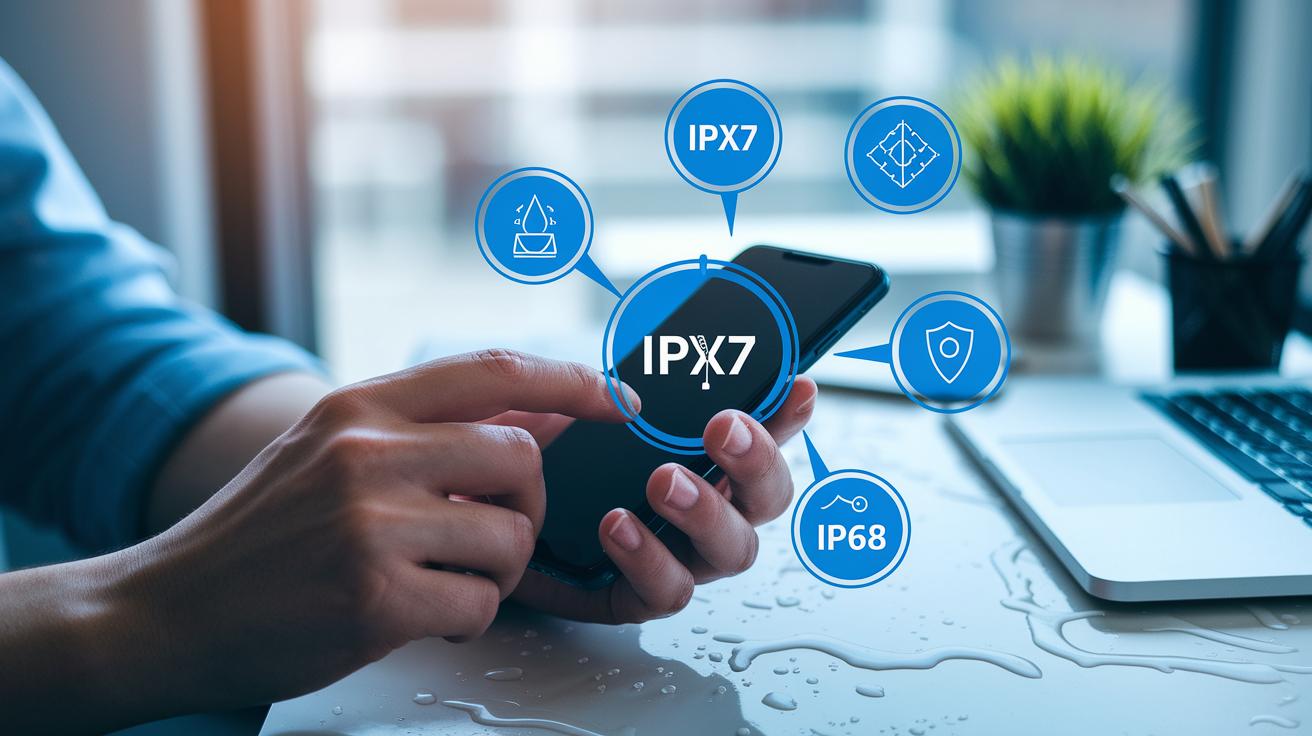
• What does IPX7 mean?
IPX7 means your device was tested just for water resistance. It’s built to handle drips and short dips in water but isn’t guaranteed to keep out dust or other particles.
• Is an IP67 phone safe for swimming?
An IP67 rating tells us the phone can be submerged in water up to 1 meter deep for roughly 30 minutes. It’s not meant for long swims or being underwater for extended periods.
• How long does IP68 protection last?
IP68 ratings come from controlled lab tests that simulate how long the device can resist water. In real life, everyday wear and repeated exposure might weaken its protection over time.
• Can saltwater harm an IP68 device?
Yes, saltwater is harsh and can be more damaging than fresh water. Even with an IP68 rating, repeated contact with saltwater can wear down the seals and affect the device's internals.
• Does a drop in rating always mean less dust defense?
A lower rating for solid particle protection usually indicates that there’s less sealing against particles. It doesn’t mean the drop is exactly proportional, but it does show there’s a change in how well it keeps out dust.
• Are higher IP ratings always worth the cost?
Higher IP ratings can offer extra protection, but if you’re not frequently in harsh environments, you might be paying for a feature you don't really need.
Final Words
In the action, we broke down how IP ratings determine smartphone water resistance. We explained every digit’s meaning and compared common ratings, highlighting real-world factors that can affect performance. Each section aimed to clear doubts about what specifications truly mean.
This guide reinforces the importance of understanding IP ratings for waterproof smartphones as a practical tip when shopping. The insights offer a solid base for making informed choices, leaving you confident in balancing specs with daily usage. Enjoy putting these ideas into practice!
FAQ
What do IP ratings mean for waterproof smartphones like Samsung and iPhone?
The IP rating shows a smartphone’s protection against dust and water. For example, a device rated IP68 is dust-tight and can handle immersion beyond one meter under controlled conditions.
Is IP68 considered waterproof or water resistant?
The IP68 rating indicates strong water resistance. It means the device can be submerged beyond one meter, but real-world conditions like saltwater can affect its performance, so it isn’t completely impervious.
What is the best IP rating for a fully waterproof smartphone?
IP68 is widely recommended because it supports immersion beyond one meter. In industrial settings, IP69K offers even more protection, but for everyday use, IP68 typically meets most users’ needs.
Is IP68 the highest waterproof rating, and how does it compare to IP67?
IP68 provides deeper water immersion than IP67, which allows up to one meter for 30 minutes. While IP68 offers enhanced protection, it isn’t the absolute highest possible if industrial-level standards like IP69K are required.
How does IP68 compare with IP65 in terms of waterproof performance?
IP68 outperforms IP65 because IP68 allows continuous immersion beyond one meter, whereas IP65 only defends against low-pressure water jets and minor splashes, making it less robust against water exposure.
What IP rating are you likely to see on a waterproof phone?
Most waterproof smartphones are marked with IP67 or IP68 ratings, indicating that they are dust-tight and water-resistant to a specific depth and duration as defined by the manufacturer’s tests.
What does the IP68 waterproof depth imply for a smartphone?
An IP68 rating means the device is designed for immersion beyond one meter deep. The exact depth varies by manufacturer, so it’s important to check the specifications before exposure to water.