
Have you ever noticed how a phone camera can turn ordinary moments into something artistic? More than 20 years ago, Nokia changed everything by putting a camera right in your phone with the humble Nokia 7650. This early move set the stage for amazing photos in any lighting conditions. Later models like the Nokia N8 and PureView 808 took innovation even further, proving that creative technology can transform how we capture the world. In this post, we explore Nokia’s journey in mobile imaging and see how their camera phones continue to impress by making everyday life picture perfect.
Nokia Camera Phone: Stunning Camera Magic
Nokia has been a trailblazer in mobile photography. Twenty years ago, the Nokia 7650 introduced a simple yet revolutionary idea: a built-in camera on a phone. With its VGA sensor (about 0.3 MP) and fixed-focus lens, it showed us that capturing a moment could be built right into your mobile device.
In 2010, Nokia stepped things up with the Nokia N8. This phone featured a 12 MP sensor and a xenon flash, which meant you could take much clearer and richer photos. It quickly became a hit with fans who cared about image quality.
The evolution continued with the PureView 808 in 2012. Packing a 41 MP sensor, this phone used pixel oversampling to cut down on noise and deliver sharp images. It came with a high-quality Carl Zeiss Tessar f/2.4 lens that supported both 4:3 and 16:9 aspect ratios. Added controls like a dedicated shutter button, an unlock switch, and a zoom rocker made for a hands-on shooting experience. The updated on-screen camera interface allowed quick access to settings, and its competitive sim-free price of around £499 made it an appealing choice compared to phones like the HTC One X, iPhone 4S, Xperia S, and Galaxy S3.
| Model | Release Year | Sensor Resolution | Lens | Flash Type | Operating System |
|---|---|---|---|---|---|
| Nokia 7650 | 2002 | VGA (0.3 MP) | Fixed-focus | None | Symbian OS |
| Nokia N8 | 2010 | 12 MP | Standard lens | Xenon flash | Symbian³ |
| PureView 808 | 2012 | 41 MP | Carl Zeiss Tessar f/2.4 (28/26 mm) | Dedicated flash module | Symbian OS |
This journey shows how Nokia kept pushing the limits by boosting sensor resolution and advancing lens technology, leaving a lasting mark on how we capture photos with our phones today.
Historical Evolution of Nokia Camera Phone Technology
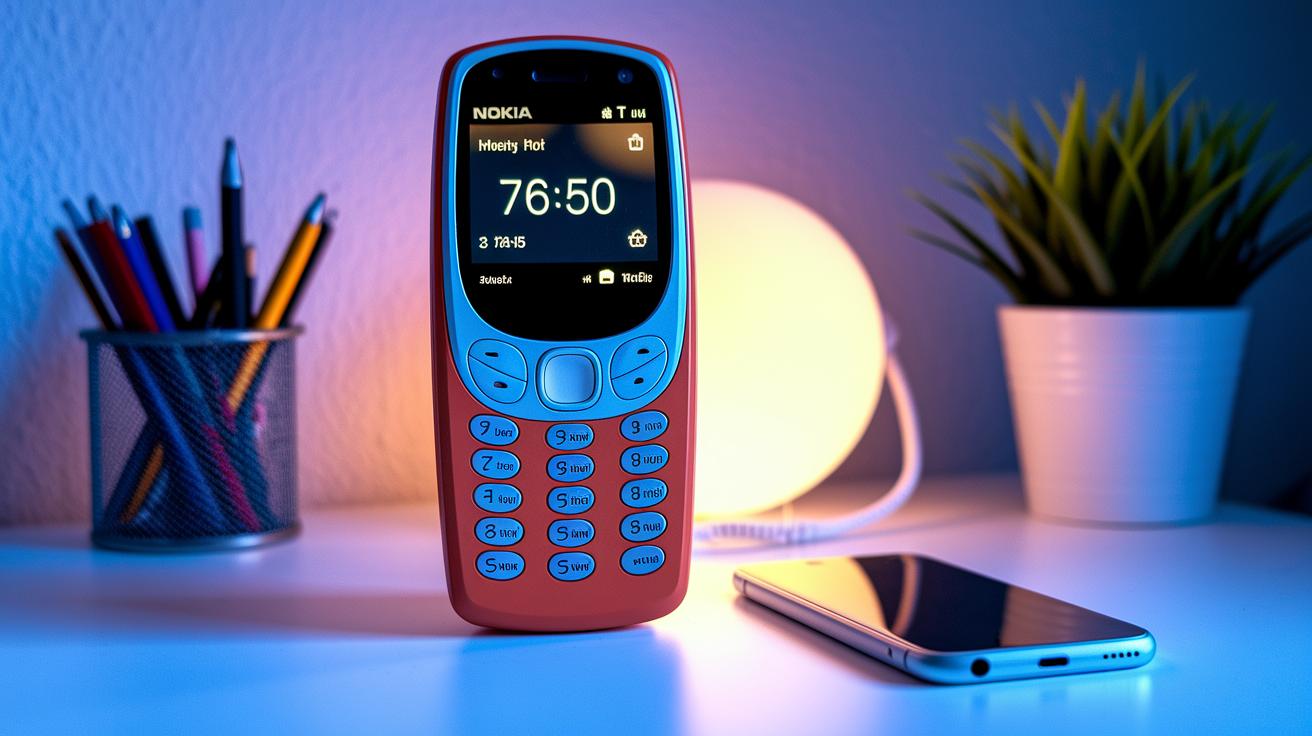
Nokia kicked off its camera journey back in 2002 with the Nokia 7650, setting the stage for what mobile imaging could become. That early move proved mobile phones could do more than just basic snaps.
By 2010, the Nokia N8 had stepped up the game with clearer photos and better handling of different lighting situations. In simple terms, it made everyday photography look more natural and detailed.
Then in 2012, the PureView 808 took things further with high-resolution imaging and smarter noise reduction. This leap not only transformed mobile photography at the time but also paved the way for today's multi-camera setups and improved low-light performance.
Nokia Camera Phone PureView 808 In-Depth Analysis
The PureView 808 is designed to wow photography fans with its cutting-edge hardware and thoughtful software tweaks. At its core is a 41 MP sensor that uses pixel oversampling (a technique to smooth out noise) to give you sharper, clearer photos even in tricky lighting. This means that details usually lost in lower-resolution setups come through nicely.
Matched with this sensor is a high-quality Carl Zeiss Tessar f/2.4 lens. It works well in both the 4:3 and 16:9 formats, delivering vibrant colors and minimal distortion. This combination shows Nokia’s serious focus on evolving camera technology, letting you capture scenes with incredible detail and depth.
The camera app runs on Symbian and has been upgraded for faster, easier use. The on-screen controls are now more intuitive than earlier models like the Nokia N8. A key standout is its Auto Exposure Bracketing feature that helps produce balanced HDR shots. Plus, it offers a timelapse mode that snaps 660 frames over two hours, with a delay of 10 seconds between each shot, giving you plenty of creative room.
The device also features physical buttons, including a dedicated shutter release, an unlock switch, and a zoom rocker. These give you the tactile experience many photography enthusiasts love.
Key core photography features include:
- 41 MP sensor with pixel oversampling for noise reduction
- Carl Zeiss Tessar f/2.4 lens supporting 4:3 and 16:9 aspect ratios
- Redesigned on-screen controls with HDR Auto Exposure Bracketing
- Timelapse mode capturing 660 frames over 2 hours
- Dedicated shutter release, unlock switch, and zoom rocker
Nokia Camera Phone Image Quality and Performance Benchmarks
In our hands-on testing, we looked closely at how Nokia has improved its camera phones over time. We paid attention to the resolution, file size, zoom features, and low-light performance. This comparison runs from the very first Nokia 7650 to the modern PureView 808.
-
Nokia 7650
- Resolution: It came with a basic VGA sensor (about 0.3 MP) that marked the start of mobile photography.
- File Size: The camera used heavy compression, which kept JPEG files very small.
- Zoom Capability: Its digital zoom was rudimentary and did not hold detail well.
- Low-Light Performance: The phone struggled in dim settings, with images showing a lot of grain and little clarity.
-
Nokia N8
- Resolution: Equipped with a 12 MP sensor, it offered far better detail than the 7650.
- File Size: The files were moderately sized, striking a balance between quality and compression.
- Zoom Capability: While it did not have an advanced digital zoom, the included xenon flash helped brighten up shots quickly.
- Low-Light Performance: Its xenon flash improved exposure in dark scenes, though overall detail still lagged behind today’s standards.
-
PureView 808
- Resolution: Stepping up the game with a 41 MP sensor, it is built for high detail.
- File Size: The camera produces JPEG images as large as 16 MB with very light compression to preserve fine details.
- Zoom Capability: It stands out with a strong digital zoom, keeping clarity in both photos and videos.
- Low-Light Performance: Thanks to pixel oversampling, it performs impressively in low-light, reducing noise and keeping images clear.
Nokia Camera Phone Pricing, Value, and Market Reception
Nokia’s camera phones have traveled an interesting journey, blending innovation with a touch of collector appeal. Early on, the Nokia 7650 hit the market with an early premium feel, even though its exact price was never clearly stated. In 2010, the Nokia N8 made waves at a friendly price of £299 sim-free, offering users a better image quality without stretching their budgets too far. Then, in 2012, the PureView 808 arrived with a breakthrough 41 MP sensor and unique camera features, debuting at £499 sim-free. It was lined up with peers like the HTC One X, iPhone 4S, and Galaxy S3, which all had similar price tags at that time.
Today, the PureView 808 can be found trading around £150–£200 on secondary markets, turning it into a prized collector’s item among photography enthusiasts. Each model is recognized for pushing mobile imaging ahead in its own way.
| Model | Initial Price | Current Value | Highlights |
|---|---|---|---|
| Nokia 7650 | Early premium (exact tag not specified) | Collector’s item | Pioneered mobile photography |
| Nokia N8 | £299 sim-free | Steady market value | Balanced performance with good image quality |
| PureView 808 | £499 sim-free | £150–£200 | Breakthrough imaging with a 41 MP sensor |
Nokia Camera Phone Design and Usability

Nokia has taken a new approach in its design journey. The early 7650 used a compact slider that hinted at mobile photography but didn't give you dedicated controls. In contrast, the PureView 808 brings a design that's all about the camera with a raised camera bump featuring a shutter button, unlock switch, and zoom rocker for quick, physical feedback. This update makes using the camera a smoother, more hands-on experience.
The PureView 808 also speeds up access to settings with its updated interface, perfectly matching its refined design. Today’s smartphones, like flip phones and foldable models, build on these ergonomic upgrades while adding their own modern twists to handling and style.
| Design Era | Key Features |
|---|---|
| Early 7650 | Compact slider that was portable but lacked dedicated camera controls |
| PureView 808 | Raised camera bump, dedicated shutter button, unlock switch, zoom rocker, updated user interface |
Final Words
In the action, we traced the evolution of the nokia camera phone from the early 7650 to the high-performing PureView 808. We looked at imaging breakthroughs, design shifts, and performance milestones, comparing resolution, sensor details, and pricing. The blog detailed how each model shaped mobile photography and set new standards. This honest overview helps pinpoint which model fits your needs. The story of Nokia's camera journey remains a bright marker in mobile tech evolution, leaving us optimistic about future innovations.
FAQ
What is the oldest Nokia phone with a camera?
The Nokia 7650 debuted in 2002 as the first integrated camera handset, launching Nokia’s journey into mobile photography and setting a benchmark for future models.
Which Nokia has the best camera?
The Nokia PureView 808 is widely regarded as the best, thanks to its 41 MP sensor and advanced imaging pipeline that deliver detailed, low-noise photos and impressive video clarity.
Why is the Nokia 3310 so famous?
The Nokia 3310 is celebrated for its legendary durability, long battery life, and simple, reliable design that made it an enduring icon in mobile communications.
How much did the Nokia 9000 cost?
The Nokia 9000 Communicator cost around $1,500 at launch, reflecting its advanced business features, expansive functionality, and premium design when it debuted.
What are some notable early Nokia camera phones?
Early Nokia camera phones, starting with the Nokia 7650 in 2002, featured basic integrated cameras that evolved over time, with models in 2003 and 2005 refining image quality and features.
What can you tell me about Nokia camera phone keypads?
Nokia camera phone keypads were crafted for ease-of-use, offering tactile feedback and dedicated buttons that simplified capturing photos and navigating camera functions.
What is the pricing history for Nokia camera phones?
Nokia’s early camera phones launched at premium prices—models like the PureView 808 debuted around £499, while later releases offered varied price points to reach a broader market.
Are there new Nokia camera phones available?
Yes, Nokia continues to release modern camera phones that incorporate advanced sensors and optimized imaging software, catering to both daily users and photography enthusiasts.