
Ever think your smartphone camera was nothing special? Today’s phones brighten low-light scenes using features like pixel binning and a night mode that combines long exposures. They snap steady photos with optical stabilization and let you zoom in, capture wide landscapes, and focus on tiny details using multiple lenses. Meanwhile, built‑in AI adjusts colors and cuts down on noise so every shot looks its best. This smart mix of software and hardware makes these devices exciting for everyday users and photography pros alike.
Cutting-Edge Innovations in Smartphone Camera Technology
Smartphone cameras have come a long way from grainy 2 MP images to the impressive 108 MP sensors we see today. These high-resolution sensors use a technique called pixel binning, where several pixels are combined to boost performance in low light.
Optical image stabilization is another key feature that helps smooth out minor shakes, ensuring that your photos are clear even when you’re on the go. It’s like having a built-in steady cam for your phone.
Night mode has also transformed low-light photography by merging multiple long exposures into one detailed shot. This means even in dim settings, your photos can burst with vibrancy and clarity. Similarly, HDR imaging blends several exposures to balance bright and dark areas in a picture, so no detail is lost in shadows or highlights.
Modern smartphones often include multi-lens setups, such as dual, triple, or even quad cameras. These arrangements offer various functions like telephoto zoom, ultra-wide shots, macro detail, and depth sensing, all in one device. This versatility makes it easier to capture everything from sweeping landscapes to close-up details without needing extra lenses.
Artificial intelligence is the secret sauce behind these advancements. AI actively reduces noise, fine-tunes colors, and enhances dynamic range as you shoot, resulting in images that look both vibrant and true to life. Together, these features are setting the stage for what many call the best smartphone camera technology of 2025, blending advanced hardware with smart software to meet the needs of everyday users and photography enthusiasts alike.
Advanced Multi-Lens Systems and Sensor Architectures
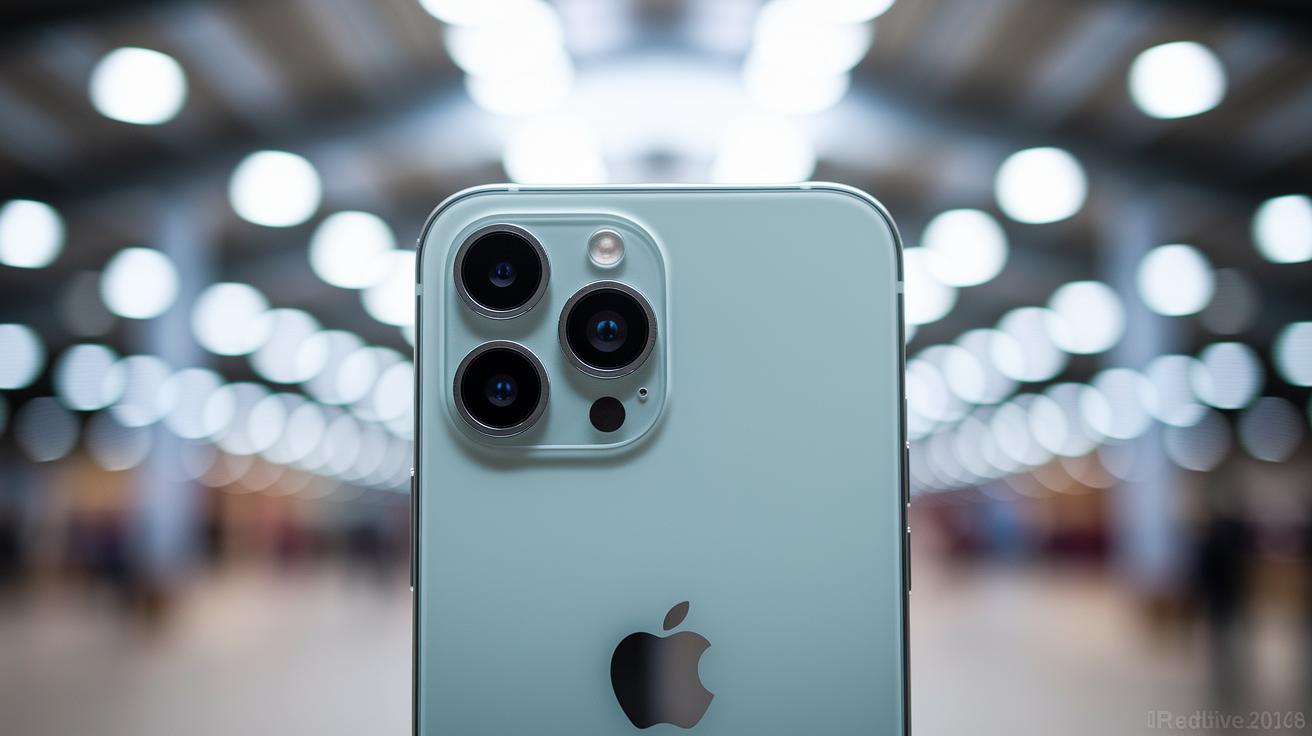
Modern smartphones pack several camera lenses and smart features designed for everyday photography. Today’s devices use dual- or triple-camera setups that often include a periscope telephoto lens, which lets you zoom optically up to 10× without the need for digital cropping. High-resolution sensors, ranging from 48 MP to 108 MP, group pixels together (using 4-in-1 or 9-in-1 methods) to capture more light. This helps you get clearer photos even in low-light conditions.
You also get ultra wide-angle lenses that capture up to 123° of view, perfect for sweeping landscapes or big group shots. The telephoto lenses handle zoom ranges from 2× to 5×, letting you snap distant subjects with real detail and contrast. In flagship models, sensor sizes have grown, from 1/2.55″ to 1/1.33″, to grab even more light per pixel. This means smoother transitions between close-up shots and wide scenery views, helping you create quality images no matter the setting.
| Lens Type | Focal Length Range | Aperture | Primary Use Case |
|---|---|---|---|
| Ultra Wide-Angle | ~0.5x | f/2.2 | Landscapes |
| Main Sensor | Standard | f/1.8 | Everyday shots |
| Telephoto | 2x–5x | f/2.4 | Portraits |
| Macro | Close-Up | f/2.8 | Detail shots |
| Periscope Telephoto | 5x–10x | f/3.0 | Distant subjects |
Computational Photography and AI-Driven Image Enhancement
Modern smartphones use clever algorithms to blend multiple shots into one stunning photo. They take several images at different exposures and focus settings, then mix them using smart image processing to bring out subtle details. For example, one test showed that a multi-frame composite brings out shadow and highlight details far better than a single shot.
AI-powered enhancement is equally important. It reduces noise in real time, sharpens details, and adjusts colors with a dedicated image signal processor. This means that even in low light, your photos remain naturally colored and clear. Imagine taking a picture in a dim room where a regular camera might produce a grainy image. With multi-frame noise reduction stacking up to 10 exposures, the result is a cleaner, more balanced picture.
Smart HDR further refines your image by analyzing the scene's brightness and blending frames to keep both the bright and dark areas well-detailed. At the same time, machine-learning models work on tasks like segmenting the image to optimize portrait bokeh effects and sharpen edges. Together, these advanced techniques push smartphone photography beyond traditional optics, making every shot vibrant and true-to-life.
Professional-Level Controls: Manual Exposure and RAW Capture
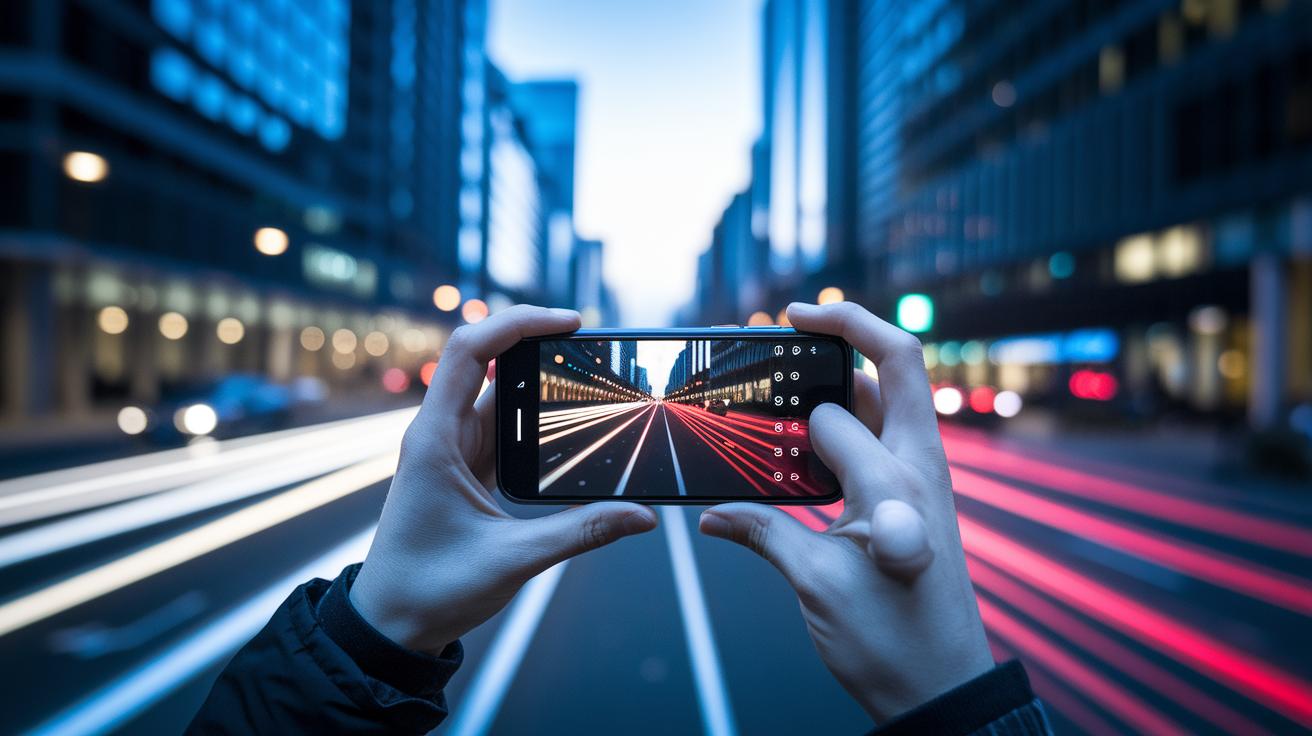
Smartphone cameras today offer advanced DSLR-like controls that fit right in your pocket. The pro mode features sliders for adjusting settings like ISO, shutter speed, and white balance (measured in Kelvin). You can set ISO anywhere from 50 to over 6400, choose shutter speeds from a swift 1/8000 s up to a long 30 s exposure, and fine-tune the color temperature between 2000 K and 10000 K. This flexibility makes it easy to grab the perfect exposure whether you’re shooting a bright landscape or a dim scene.
For example, you might slow the shutter speed to capture light trails during a long exposure while lowering the ISO to keep the image clean. The camera’s user interface puts these controls right at your fingertips, so even if you’re new to pro settings, manual tweaks feel natural. Presets like Daylight, Cloudy, and Tungsten help nail accurate colors, while custom Kelvin options offer even more precision. Plus, shooting in RAW preserves every bit of sensor data, which gives you the freedom to recover details in bright highlights and dark shadows during editing. Serious photographers will also enjoy custom shooting presets and exposure bracketing that simplify consistent shots every time.
Next-Generation Video: High-Resolution Capture and Stabilization
Today's smartphones come packed with smart camera features that can transform everyday filming into a mini movie. Some models let you record in 8K at 24 fps or 4K at 60 fps, giving you ultra-clear video that stands up to professional gear. If dramatic shots are your thing, slow-motion options capture up to 480 fps at 1080p or 960 fps at 720p so even fast action is caught in crisp detail.
They also boast hybrid stabilization that uses both optical and digital gimbal techniques to keep your footage steady, even when things get bumpy. Time-lapse modes let you set intervals anywhere from 0.5 seconds to 60 seconds per frame, making it easy to capture the subtle changes of a cityscape or the vibrant colors of a sunset. There’s even a cinematic video mode with a wide 2.35:1 aspect ratio, focus pull options, and on-screen guides to help budding filmmakers get creative with their shots.
Plus, with gesture control, you can start or stop recording with a simple hand wave, ideal for hands-free vlogging or quickly capturing spontaneous moments. All these features work together to turn your smartphone into a powerful, pocket-sized cinema tool that suits both casual shooting and professional projects. Smartphone video technology is evolving fast, always pushing creative limits so that every frame truly counts.
Future Trends: Foldable Lenses, Sensor Fusion, and AR Photography

Foldable lens prototypes are set to reshape how we use smartphone cameras. These designs use flexible optics that let the lens switch focal lengths quickly, without the need for bulky parts. They blend data from different sensors, like color, monochrome, and depth, to produce accurate depth maps for standout portrait shots and augmented reality images. With AR photography, virtual elements appear on live scenes with very precise tracking, which opens up fresh creative opportunities.
On-device image processors now speed up AI-driven editing while keeping privacy in check and reducing lag. Using deep learning, these systems can separate objects from backgrounds in real time, create smooth background blur, and even enhance photos automatically. This means you can capture clear, artistic images in any setting.
These breakthroughs in hardware and software work together to bring us a future where advanced optics meet smart imaging. Next-generation devices will mix practical features, strong performance, and modern design to make professional-quality photography accessible to everyone. For more details on flexible optics, check out the foldable smartphone comparison guide for in-depth insights.
Final Words
In the action, we examined how advanced photography tech is reshaping mobile imaging. We touched on multi-lens arrays, computational enhancements, and DSLR-like controls that empower users to capture quality shots. Our review of high‑resolution video and emerging AR trends shows that every step from optical stabilization to night mode performance is purposefully designed for everyday use. With these innovative smartphone camera features, the practical benefits are clear and exciting. This overview leaves us positive about the future of smartphone photography.