
Ever wonder how your smartphone transforms an everyday shot into a pro-quality photo? It’s not magic, it’s smart technology. Today's devices use AI to fine tune focus, boost colors, and enhance clarity, even when the light isn't ideal. They combine several images into one stunning picture, a feature that once meant investing in pricey cameras. This post digs into how AI upgrades are changing the way we capture our world.
AI-Driven Enhancements in Modern Smartphone Photography
Smartphone cameras have made an incredible leap forward. Just a few decades ago, mobile photos were fuzzy and lacked detail. Today, smart photo software transforms each click into a clear image that even pros would appreciate.
At the heart of this upgrade is computational photography. This clever mix of digital processing and traditional optics helps improve autofocus, flash performance, and overall color and detail. Phones now take multiple shots in quick succession and combine them to create pictures with richer details and smoother color transitions. Even night photos, once grainy and dim, now pop with clarity thanks to AI-driven night mode that blends several exposures to cut down on noise while keeping depth and texture intact.
Top smartphones such as the Google Pixel, Samsung Galaxy S, iPhone, and HUAWEI nova 14 Series are all using these smart imaging tricks. They come equipped with special chips, known as neural processing units (the part of the device that handles intense photo calculations), to deliver real-time enhancements. What used to be simple snapshots have now become images with natural color balance and refined details.
The marriage of high-quality hardware and smart photo software means every click captures the best possible shot. Whether you're shooting under a bright sky or in dim light, your phone is busy analyzing the scene and tweaking every detail to create a picture you can be proud of.
Computational Photography: The AI Core Powering Mobile Image Processing
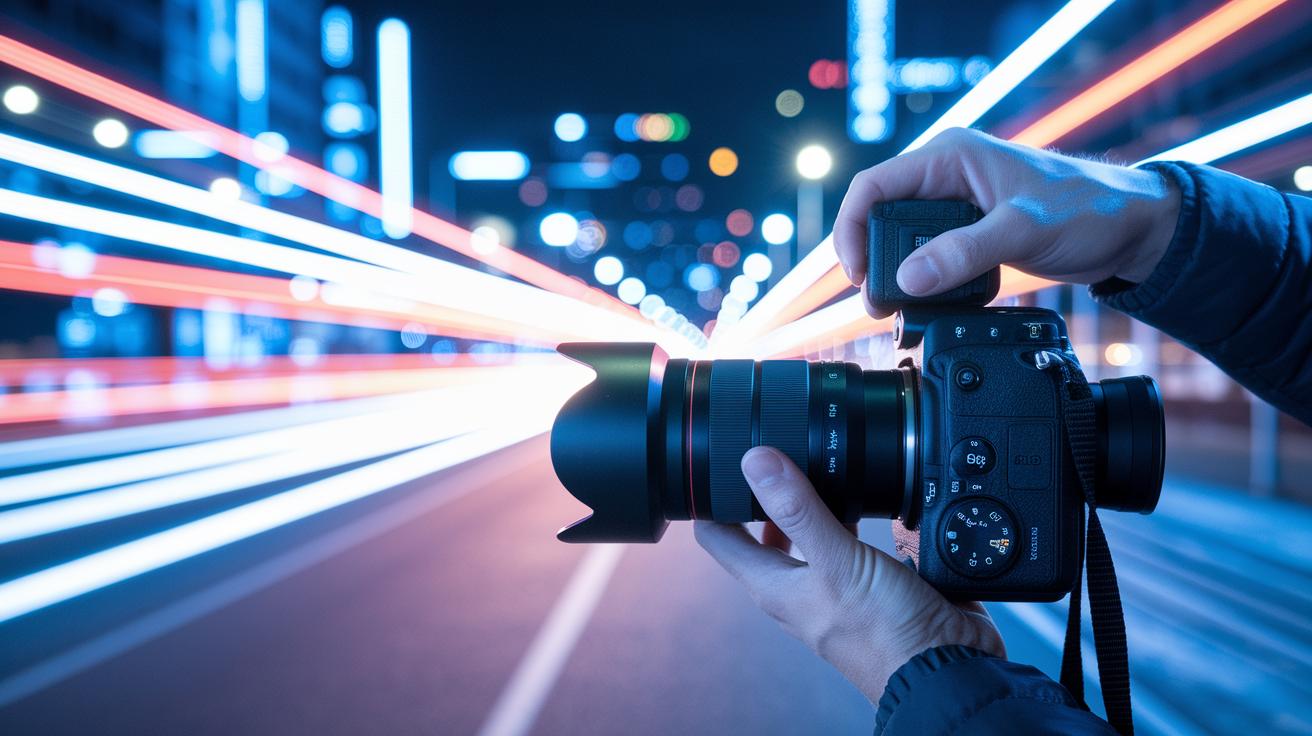
Computational photography takes your photos to a whole new level. By using smart computer techniques and optics, devices snap several pictures at once and blend them into one clear image. This method cuts down on noise and makes every detail stand out much better than traditional film.
Deep learning steps in to fine-tune every pixel. It uses neural networks (advanced computer models that mimic the human brain) to sharpen details, boost low-light performance, and add depth. For example, super-resolution fills in missing details so your photos appear crisp and clear. Just picture taking a series of sunset shots and fusing them together to create a vibrant, lifelike scene.
Generative AI also plays a key role. It reviews each shot in real time and adjusts brightness, contrast, and color balance on the fly. The result is a photo that looks natural and polished, almost as if it were taken with professional gear. This smart mix of deep learning and classic optical techniques means every click captures impressive clarity and depth.
Low-Light and Night Mode Photography with AI Precision
Smartphones now use AI to turn dim environments into detailed, eye-catching photos. It starts with taking multiple shots at different brightness levels, even if your hand moves a bit, thanks to smart frame alignment that keeps every detail in place.
After that, the phone combines the best parts of these shots into one image through multi-frame merging. This step cuts down on grainy textures and unwanted noise. Then, automated noise reduction smooths out any lingering flaws so that every detail stands out clearly.
At the same time, an adaptive system tweaks white balance and color. For example, when snapping a nighttime street scene, the AI automatically adjusts brightness and saturation. This means shadows and highlights come out just right, even in very low light.
Process steps:
- Bracketed exposure capture: Takes several images at different brightness levels.
- Frame alignment: Ensures each picture lines up perfectly.
- Multi-frame merging: Blends the best parts of every shot into one.
- Noise reduction: Smooths out any remaining imperfections.
- Color and brightness calibration: Adjusts tones for a natural look.
These AI-powered steps work together to deliver consistently sharp and stunning photos, even when the light is low.
Real-Time AI Editing and Scene Optimization in Smartphone Cameras
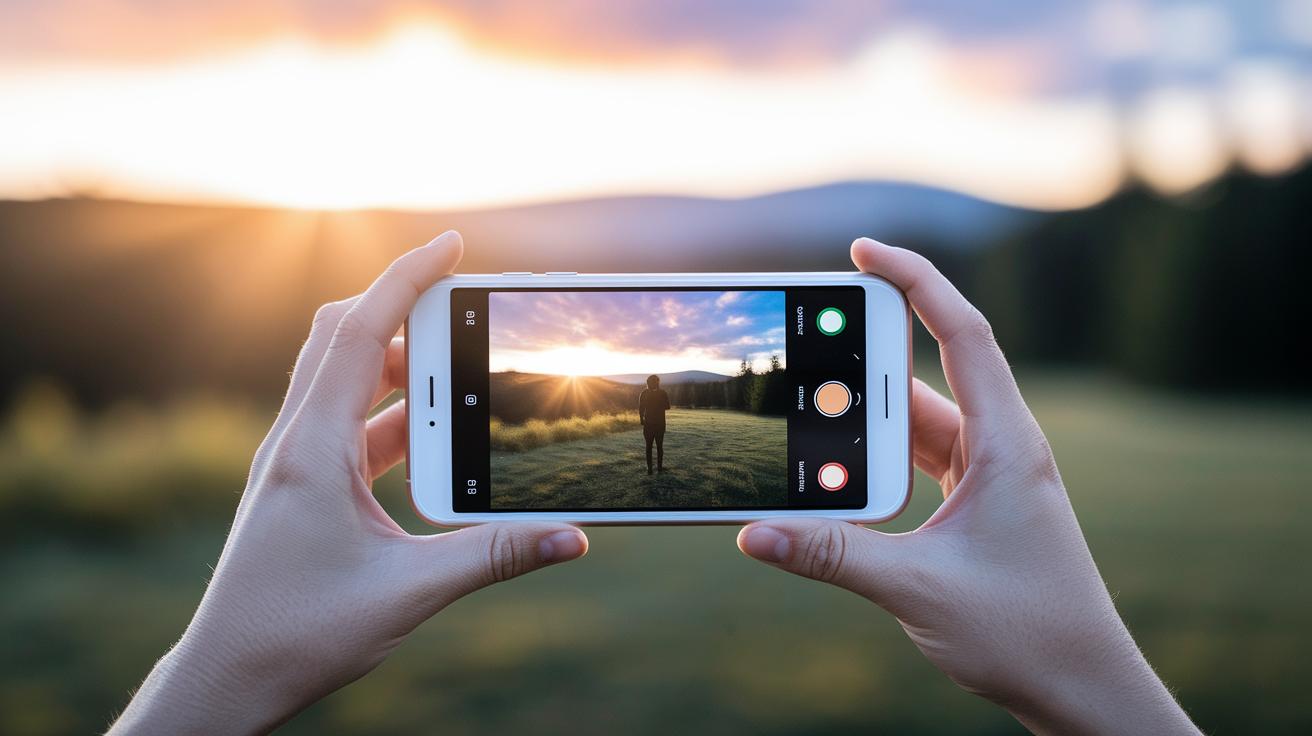
Smartphone photography has come a long way. Instead of simply snapping a basic shot, you're now getting real-time editing on the go. Your phone's built-in AI quickly figures out what you're shooting and tweaks the exposure, contrast, and colors automatically. The result? Even a casual snapshot looks polished in seconds, just like photos edited on a desktop.
Generative AI in Smartphone Photography
Generative AI is changing how we create images right when we're out shooting. It lets you swap skies, change backgrounds, or add missing details without any extra steps. Imagine capturing a landscape and then easily replacing the sky with one filled with dramatic clouds. Since late 2022, many camera apps have offered this feature, letting you see your creative changes live, no need to move your photos to a computer for editing.
Object Recognition for Scene-Specific Optimization
Your phone's smart AI excels at figuring out what you’re photographing. Whether you’re snapping a delicious meal, a sprawling landscape, or a friendly portrait, the camera automatically adjusts focus, sharpness, and brightness to suit the scene. This means whether you're zooming in on a detail or capturing a wide view, every shot comes out crisp and full of life. Picture taking a photo and watching as every element is optimized in real time. That's the power of modern smartphone photography.
Hardware-Software Synergy: AI Integration in Camera Systems
Modern smartphone cameras work by blending smart hardware with clever software. They pack special chips like NPUs (for neural processing), ISPs (image signal processors), and DSPs (digital signal processors) that handle tasks in real time without wasting battery power. This teamwork makes features like live image stabilization, auto-tracking, and depth-enhanced portrait modes possible, so your everyday clicks pop with artful detail.
Chipsets such as Google’s Tensor, Samsung’s Exynos, and Huawei’s Kirin (found in gadgets like the nova 14) process several data streams at once. They turn raw photos into refined images by cutting down on motion blur and boosting color accuracy. We see this as computational photography in action, where AI and hardware join forces for quicker, sharper shots.
When hardware and software work together seamlessly, your phone adapts on the fly to different scenes and lighting. This smooth integration opens the door to new camera modes and smart features that make modern smartphones stand out from older models. The result is a camera that delivers crisp, detailed photos every time.
Future Trends in AI-Enhanced Smartphone Photography
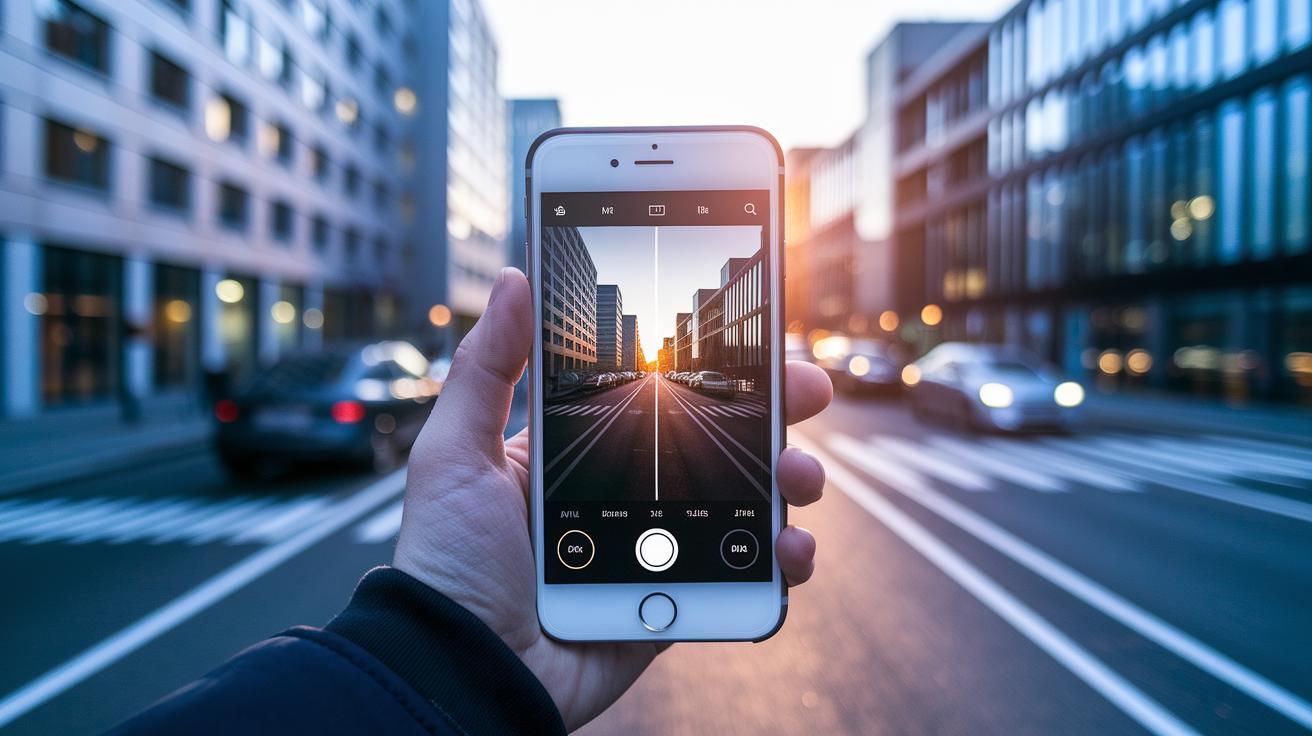
Since late 2022, generative AI has already changed how our phones capture our moments. Soon, cameras will be smart enough to predict the best settings for moving subjects, automatically tweaking focus, shutter speed, and exposure on the fly.
Imagine lining up your shot while your phone adds live filters and visual effects in real time. It’s like having an AR feature that overlays creative elements, helping you frame a shot with ease and a touch of artistry.
The next phase in smartphone photography will rely on powerful on-device processing. New neural codecs are set to push video quality well beyond current UHD standards. With smart AI optimization, each shot becomes a learning opportunity; your device will adjust settings as you shoot, resulting in sharper photos and smoother video.
Before you even tap the shutter, your smartphone might already be fine-tuning everything for you. With steady innovations, we’re quickly moving toward imaging quality that rivals professional gear. Expect smarter sensors and more intuitive software that adapts to changing environments, delivering great images even in tough conditions.
Final Words
In the action, we explored how AI reshapes smartphone photography. We covered everything from computational techniques and low-light enhancements to real-time editing and hardware-software synergy. Each section showed how advanced photo algorithms and dedicated chip performance drive the impact of AI on smartphone photography. These AI advancements not only deliver richer, detailed shots but also simplify everyday use. The future of mobile photography looks promising, giving users the tools to capture high-quality images effortlessly. Enjoy the vibrant shift in your photo experience.
FAQ
How does AI improve modern smartphone photography?
AI in modern smartphone photography improves image quality by utilizing smart algorithms that adjust autofocus, reduce noise, and produce more detailed shots, even in challenging conditions.
How does computational photography work in mobile cameras?
Computational photography works by merging multiple exposures and using neural networks to reduce noise and refine image details, resulting in sharper, clearer photos.
How does AI improve low-light and night photography on smartphones?
AI improves low-light and night photography by capturing several exposures, aligning frames, reducing noise, and fine-tuning colors for more vibrant and detailed images in dim settings.
How does real-time AI editing benefit smartphone cameras?
Real-time AI editing benefits smartphone cameras by instantly adjusting exposure, contrast, and color, while offering features like sky replacement and seamless background fixes to optimize images on the spot.
How do hardware-software integrations boost AI performance in smartphone cameras?
Hardware-software integrations boost AI performance by leveraging dedicated processing units that enable live stabilization, depth-based portrait modes, and quick image adjustments with high efficiency.
What future trends can we expect in AI-enhanced mobile photography?
Future trends include predictive shot selection, augmented reality overlays for live filters, and improved video quality through on-device neural processing, all contributing to a smarter photography experience.