
Ever wonder if your smartphone could handle a splash without sinking? While these devices proudly claim water resistance, they aren't truly waterproof. They rely on smart seals, specialized adhesives, and water-repellent coatings that work like tiny shields against everyday spills and splashes. IP ratings like IP67 and IP68 clearly outline how much water the phone can handle, from quick dabs to unexpected encounters. In this article, we dive into the engineering behind these features and explain how the tech keeps moisture at bay during your daily mishaps.
How Waterproof Smartphones Work: Core Engineering Principles
Smartphones like the iPhone 8 and Galaxy S8 are built to be water-resistant, not waterproof. This means they can handle splashes and short dips but aren’t meant to be submerged for long periods. Manufacturers test these devices under specific conditions defined by the IEC, a group that sets standards with IP ratings like IP67 or IP68. For example, a rating of IP67 tells you the phone can be immersed in up to 1 meter of water for 30 minutes without damage.
The IP rating is a simple way to see what the phone can handle. The first number shows how well dust is kept out, and the second number tells you about water resistance. So while these phones are ready for everyday accidents, they aren’t built for deep swims or long dives. Here's a fun fact: before waterproof labels were common, many devices used basic seals that barely kept moisture out, often leading to expensive repairs.
Modern smartphones use smart design methods under the banner of underwater phone engineering. They feature integrated seals and precision-made barriers protecting vulnerable parts like ports and buttons. Inside, circuit boards are treated with ultra-thin water-repellent coatings that act like an invisible shield. In essence, these devices combine high-performance adhesives with carefully planned physical barriers so that each component works to protect the device from water damage during everyday use.
Core Design Elements in Waterproof Smartphone Construction
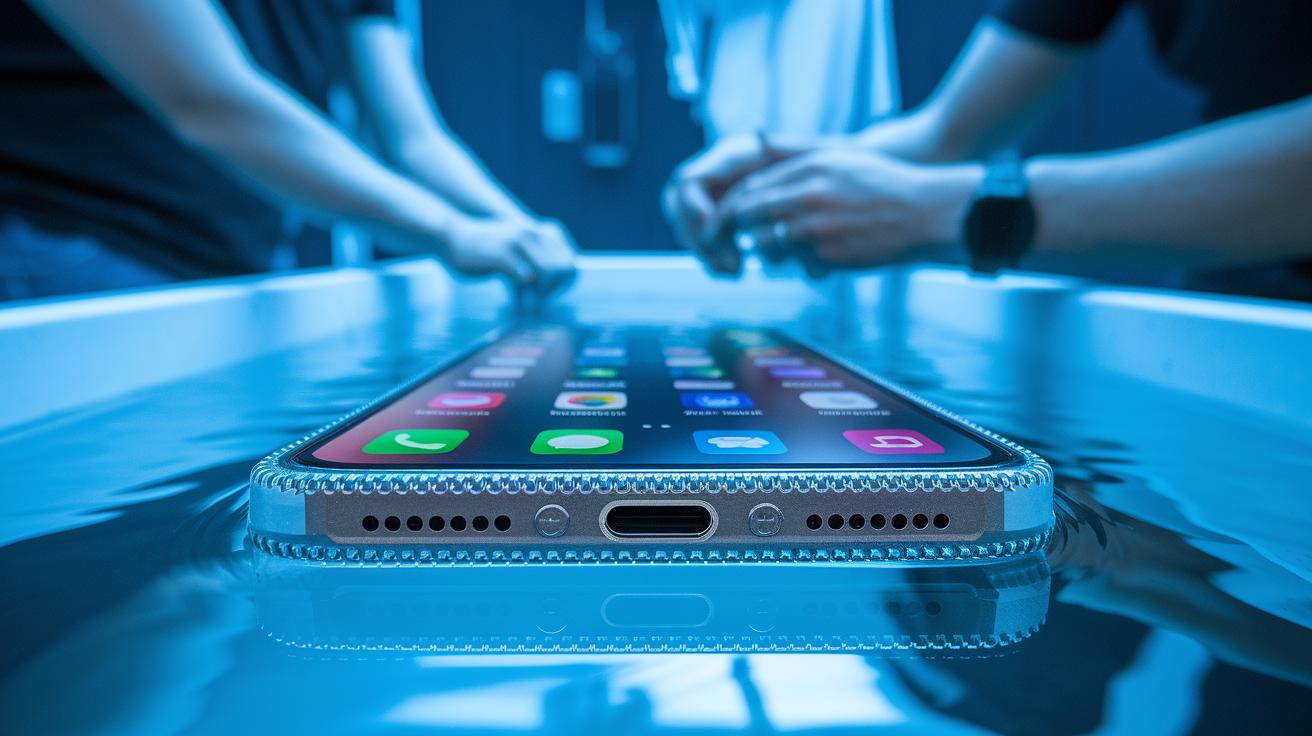
Waterproof smartphones rely on three main features to keep water at bay. First, they use specialized gaskets like O-ring seals that wrap tightly around ports and buttons. These gaskets are flexible and adjust with your device’s movement, offering a reliable shield that simpler flat or lip seals simply can’t provide.
Second, advanced adhesives and protective coatings secure the circuit boards. These adhesives not only hold parts together under pressure but also adapt to small shifts caused by temperature changes or minor impacts, ensuring the device stays intact.
Lastly, nano-scale hydrophobic coatings are applied to individual components. These coatings make water form beads that quickly roll off, all without adding extra weight or bulk. However, keep in mind that over time, heavy wear or exposure to harsh chemicals can reduce their effectiveness. Adding barrier films alongside precision-engineered enclosures helps fill any tiny gaps, boosting overall water resistance.
How IP Ratings Describe Waterproof Smartphone Performance
Smartphone waterproof ratings follow a simple two-digit system, but the details behind them show how devices will really hold up in water.
IP67 means a device can handle being submerged in up to 1 meter of water for 30 minutes, good enough for everyday spills or brief splashes.
IP68 goes a bit further, allowing immersion up to around 1.5 meters for the same 30 minutes, though this can vary with different manufacturers.
IP69 tests are more rigorous, using strong water jets at high pressure and temperature to mimic heavy rain, showing that some high-end models can still keep working when faced with really tough conditions.
Keep in mind that refurbished smartphones might lose part of their original water resistance if the seals, gaskets, or water-resistant coatings aren’t redone perfectly by certified technicians.
How Waterproof Smartphones Work: Incredible Tech
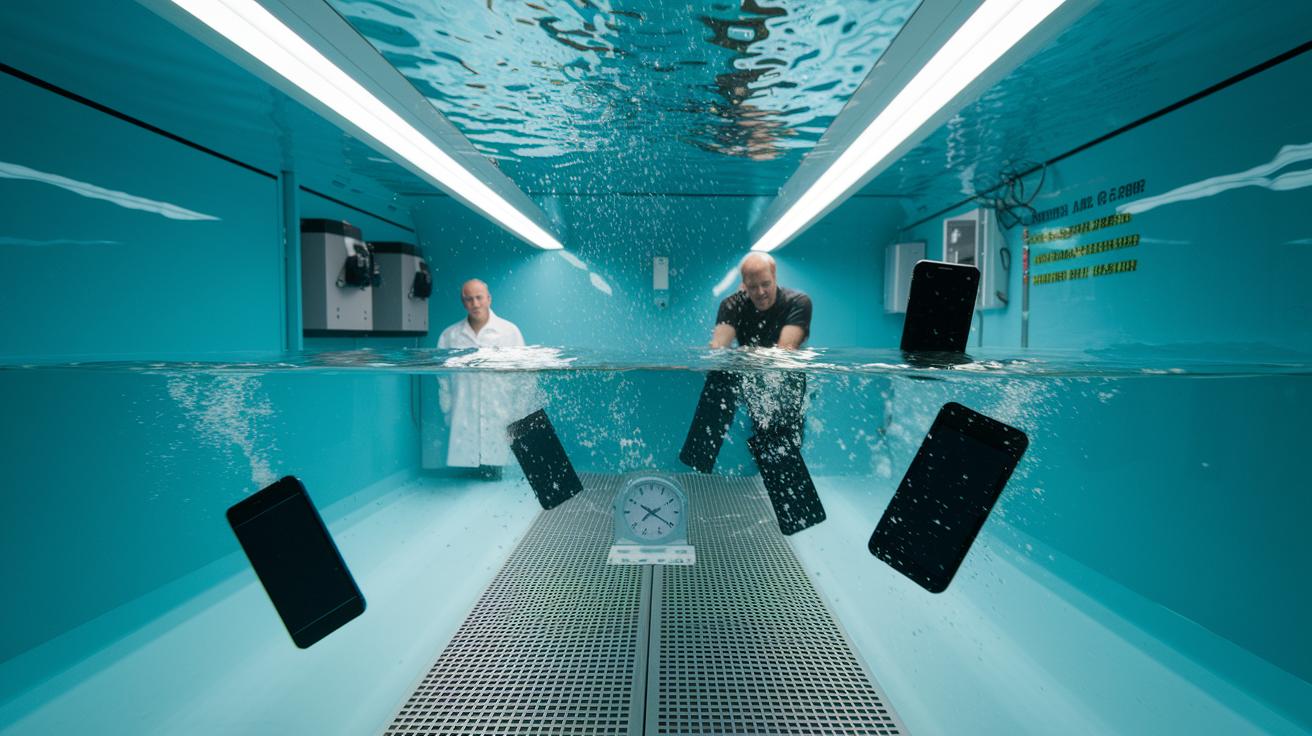
Engineers test waterproof smartphones using setups like controlled freshwater tanks and precise spray systems. In these tests, phones are placed inside chambers that mimic typical everyday water accidents, with set limits for depth and time. This helps them see how well the seals, coatings, and body of the device keep water out.
In the lab, tests follow the IEC 60529 standard. Phones are submerged at fixed depths, often up to 1.5 meters for 30 minutes, to check if they can handle long contact with water. Other tests use high-pressure water jets to simulate heavy rain and cleaning sprays, making sure every opening stands up to a powerful burst of water. There are also tests that recreate real-world conditions, like simulated rain and splashing, which check a wide range of exposure levels. For instance, top models such as the Samsung Galaxy S25 Ultra and Google Pixel 6 go through these strict tests and earn their IP68 rating, proving they can manage the water they might face day-to-day.
Using both precise submersion protocols and real-life water simulations helps build trust by showing that these advanced waterproofing methods really protect your phone from everyday water accidents.
Limitations and Longevity of Smartphone Waterproof Features
Repeated exposure to water and everyday knocks eventually weakens a phone's waterproof seals. Even the best gaskets and adhesives can start to fatigue after many wet encounters. Over time, even advanced nano-coatings lose their punch, and tiny unnoticed gaps can develop, letting water seep in during frequent use.
Manufacturers know seals will wear down, so most warranties don't cover water damage. Many smartphones now come with color-changing liquid indicators that warn you if moisture has breached the seal. Also, small production variances can create misalignments that allow leaks. When your phone gets repaired or refurbished, it might not regain its original water resistance if genuine parts or proper techniques aren't used. This natural decline in protection means it's wise to keep the potential risks and limits of waterproof features in mind.
Guidelines for Safe Use of Waterproof Smartphones
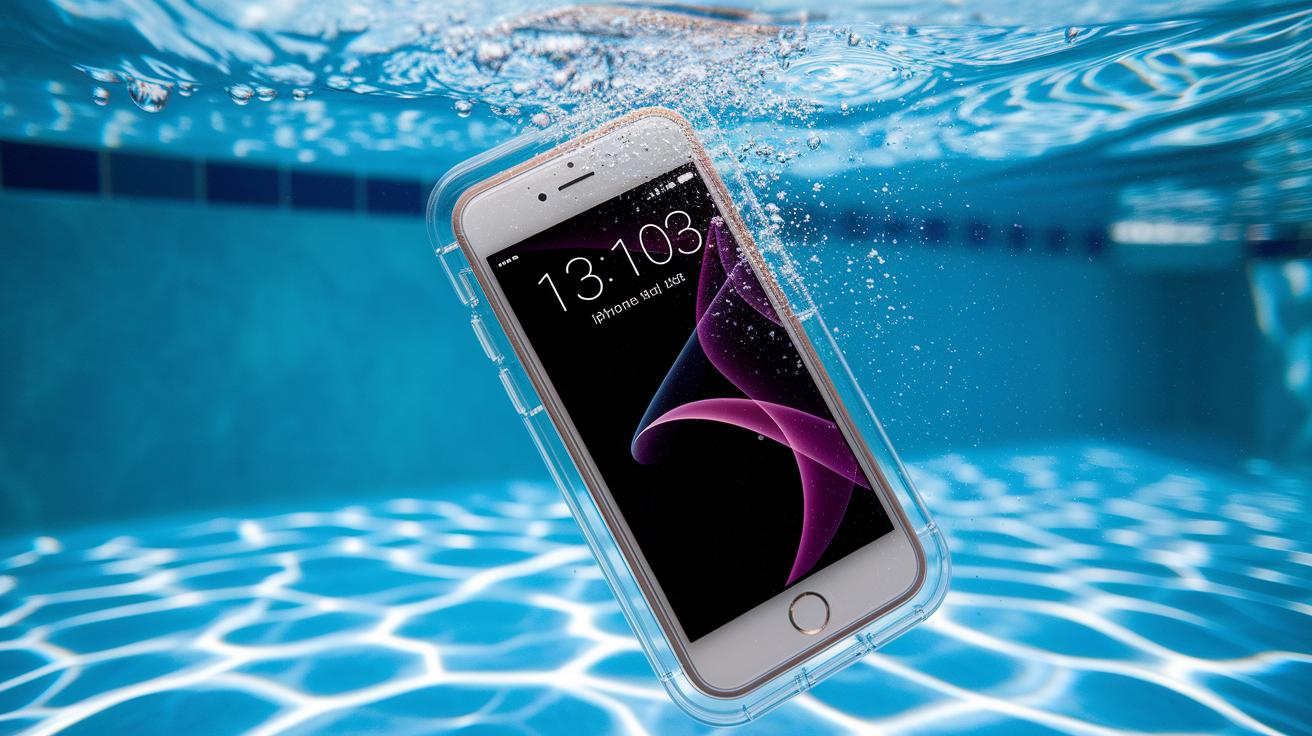
Waterproof smartphones are built to resist water, but using them in risky ways can still cause problems. Even a phone with a solid water-resistant rating can suffer if you submerge it too deep or too long. Saltwater is especially harsh because it can slowly damage hidden parts. Everyday water, like heavy rain or a high-pressure hose, might also push the limits of what the phone can handle. In short, use common sense when your smartphone is near water to help keep it safe and extend its life.
- Use a special waterproof case for scuba diving or long underwater filming.
- Stick to the phone’s certified depth and time limits.
- Rinse your phone with fresh water after exposure to saltwater to clear away any corrosive salt.
- Avoid high-pressure water streams, such as cleaning hoses.
- Check the liquid damage indicators regularly to catch early signs of moisture.
Final Words
In the action, we explored how waterproof smartphones work by breaking down their core engineering principles. We looked at the difference between water-resistant labels and true waterproof features and how IP ratings guide performance expectations.
We also discussed crucial design elements like seals, hydrophobic coatings, and durable enclosures. Testing protocols and practical usage guidelines rounded out our view. Today’s devices keep water at bay efficiently, making everyday use more reliable and worry-free.
FAQ
How do waterproof smartphones work?
Waterproof smartphones work by integrating seals, gaskets, adhesives, and hydrophobic coatings to repel water. This design approach, often discussed on Reddit and demonstrated by Samsung, prevents moisture from reaching sensitive components.
Are phones waterproof or water resistant, and what is a waterproof phone?
Phones are generally water resistant, meaning they withstand splashes and brief submersion as defined by IP ratings. A “waterproof phone” uses engineered barriers to block water, though full waterproofing is not guaranteed.
What does IP68 waterproof mean?
IP68 waterproof means a device can be submerged beyond 1 meter for up to 30 minutes under controlled conditions. This rating reflects strict design standards that include sealed ports and moisture-repellent treatments.
What is a waterproof phone case?
A waterproof phone case provides additional water protection by featuring extra seals and robust materials. It helps secure your device during extended water exposure or activities in wet environments, complementing built-in resistance.
Is my iPhone 15 waterproof?
The iPhone 15 is water resistant with an IP rating protecting against splashes and brief immersion. It is not completely waterproof, so prolonged submersion can compromise performance and may affect warranty coverage.
Do completely waterproof phones exist?
No smartphone is entirely waterproof. Most models are water resistant with carefully engineered barriers to manage common water exposure, but prolonged or extreme contact can still cause damage.
How long can a waterproof phone stay in water?
Waterproof phones are typically designed to remain submerged for about 30 minutes at specified depths. Exceeding these limits can compromise the device’s seals and lead to potential water damage.
Can I swim with a waterproof phone?
You can swim with a waterproof phone if it holds a certified rating for aquatic use. However, saltwater and high water pressure may affect its seals, so always follow manufacturer instructions for safe use.