
Ever curious how a smartphone can flex like a piece of paper? Foldable screens ditch the usual glass for smart polymers and OLED panels (screens that light up on their own) that bend up to 180 degrees. This clever setup gives you a phone that stays compact when closed but opens up to a large screen for videos and photos. In this post, we break down the key parts and hidden mechanics behind this exciting technology that is changing how we use our phones.
How do foldable smartphone screens work: Exciting tech
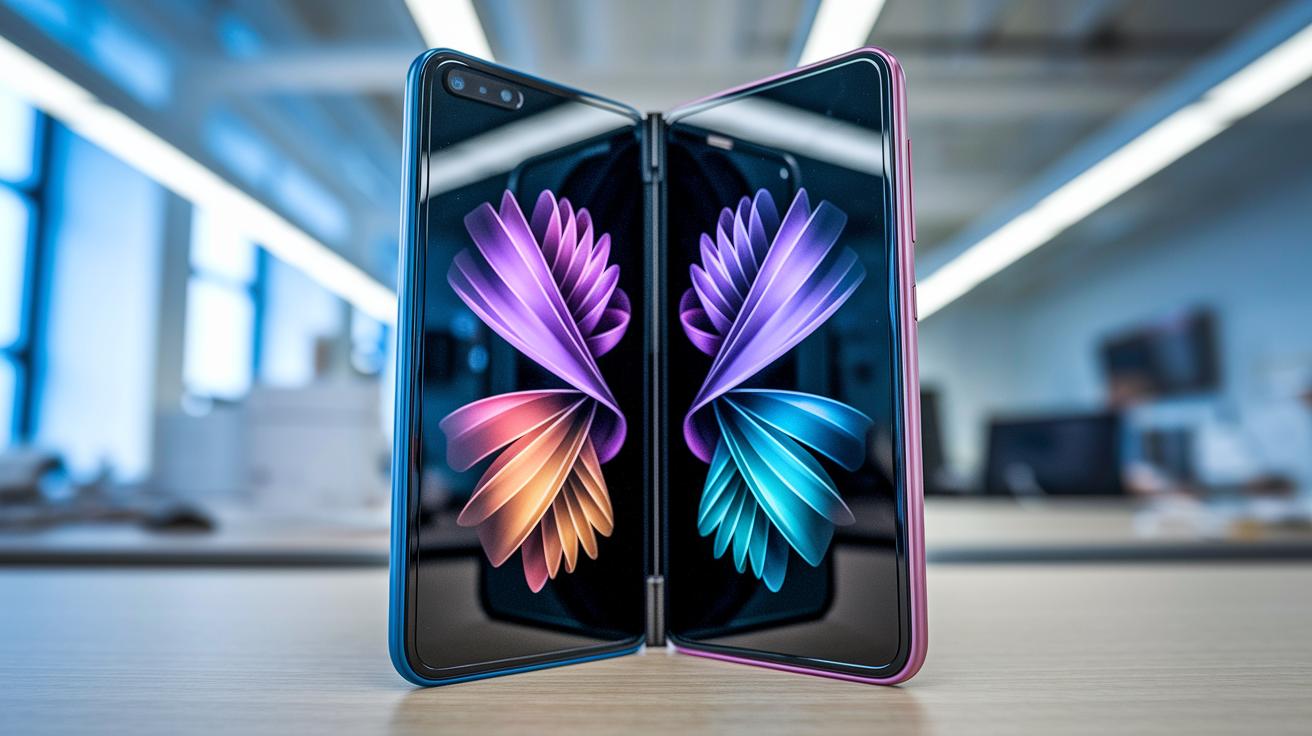
Foldable smartphone screens use clever new technology. Instead of the usual rigid glass, manufacturers use flexible polymers that let the screen bend a full 180° without cracking. At their core, these devices feature OLED panels built on plastic bases that deliver bright, vivid colors while standing up to repeated bending.
This smart design blends high-tech materials with precise engineering. Early models sometimes had trouble with scratches and wear, but new versions now include extra protective layers to keep the screen looking good through daily folding. The result is a device that easily shifts from a compact phone to a larger, tablet-like display without missing a beat.
Key components include:
- Bendable polymer display layer
- Flexible OLED panel construction
- Protective film and adhesive layers
- Integrated hinge assembly
Each part works together to make sure the display stays sharp and reliable whether it’s folded up or spread open. The flexible polymer and OLED panel provide an eye-catching screen, while the protective films and the smart hinge help guard against everyday wear and tear.
Flexible OLED Panels in Foldable Smartphone Screens
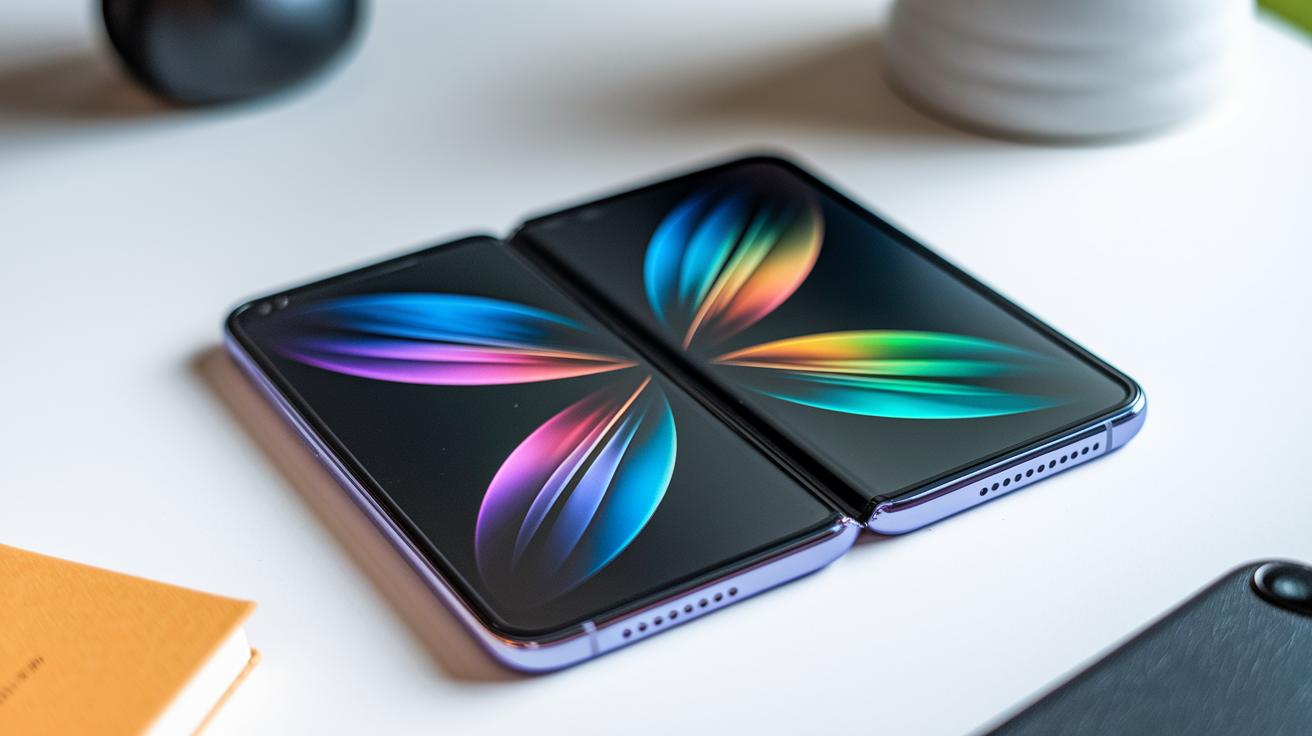
Flexible OLED panels are the heart of today’s foldable screens. They use super-thin organic emitters on a plastic base so that each pixel lights up on its own without a bulky backlight. This design not only produces vibrant colors and deep blacks but also lets the screen bend all the way to 180 degrees without losing quality. Imagine a display where every tiny light works independently, a setup that keeps the screen slim and flexible.
Using a plastic substrate is key here. Early foldable phones used all-plastic surfaces that could get scratched or wear down with everyday use. Now, thanks to better materials and protective coatings, these screens have improved durability without sacrificing flexibility.
Innovations in organic display technology have transformed these panels from basic plastic gadgets into robust, high-quality screens. They keep a premium look and reliable performance even after countless folds, perfectly matching the high demands of daily mobile use.
Protective Layers and Materials in Foldable Smartphone Screens
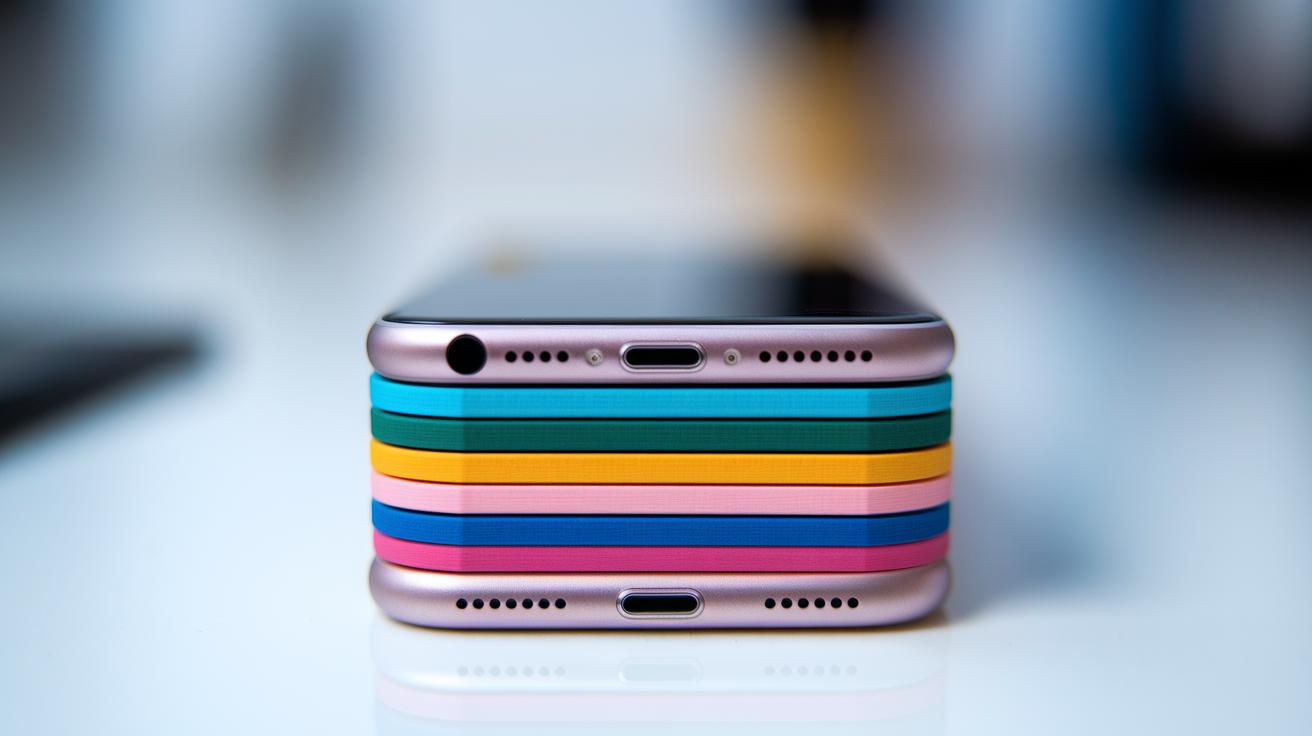
Early foldable phones often showed creases and scratches because their flexible screens were delicate. To solve this, manufacturers built a multi-layer protective stack that keeps the display safe without losing its bendable nature. Each layer helps absorb impact and handle everyday bending.
- Flexible adhesive layer: Bonds screen components together while acting as a cushion.
- Polyimide (PI) film: Provides heat resistance and mechanical support so the screen stays stable when folded.
- Smudge-resistant outer film: Helps repel fingerprints and debris to keep the display clean.
Ultra-thin glass, which is about 30 µm thick, plays a key role in enhancing the feel of foldable screens. It improves scratch resistance and gives the screen a premium touch, all while bending easily. New treatments and material improvements have reduced the appearance of fold lines, ensuring the screen stays clear and strong even after many folds. This layered approach is essential for handling the daily wear and tear of foldable smartphones.
Hinge Actuation Technology in Foldable Smartphone Screens
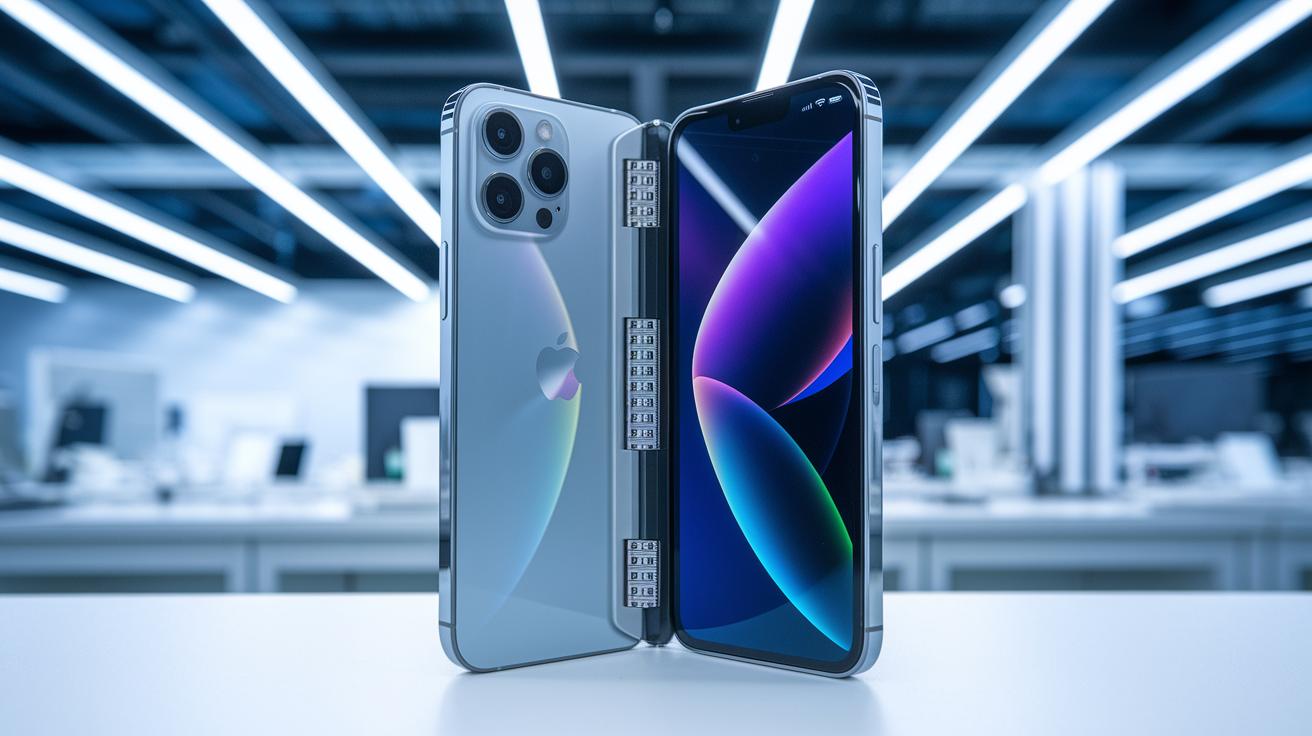
Hinge technology is what makes foldable phones truly special. It smoothly changes the display from a compact, pocket-friendly form into a larger screen for a great viewing experience. Manufacturers rely on smart gear systems and cam-spring setups to control the fold's speed, handle the weight, and keep everything aligned. Take the Samsung Galaxy Z Fold4, for example , its hinge fills in gaps and adds a touch of elegance when it’s open or closed.
Interlocking Gear Systems
Interlocking gear designs split the stress evenly across several gears. These gears spin together during each fold, sharing the load to ensure every part of the screen is well supported. This careful setup means the fold feels smooth and reliable, even after many uses. It’s all about precision: each gear works in harmony to deliver a predictable, stable folding action.
Gap Minimization and Joint Stabilization
Another approach uses cam-spring mechanisms combined with tiny, resilient joints. This design reduces creases along the fold and keeps the phone looking flush when closed. It minimizes visible gaps and quickly realigns the display when you open it up. The result is a sleek profile that stays stylish and functional, fold after fold.
Both of these hinge designs play to their strengths. The gear systems do a great job of evenly spreading out the load, while the gap minimization techniques ensure your phone remains smooth and aligned. Together, they transform engineering challenges into everyday benefits, making foldable smartphones both durable and reliable.
Durability Stress Assessment of Foldable Smartphone Screens
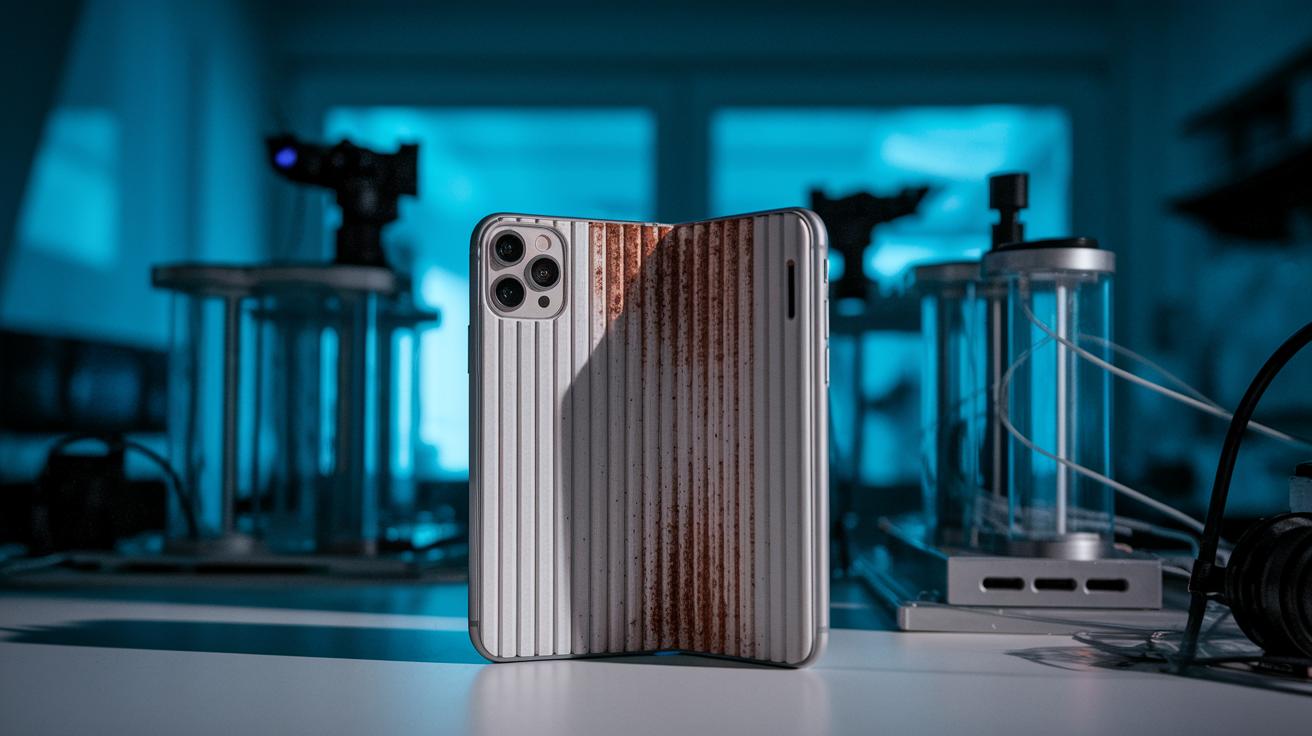
Foldable screens can get scratches, show material fatigue, and wear out from repeated use. Early models often had problems with screens breaking near the hinge when they took a hard impact or too much pressure. Even though the screens are made with flexible materials, engineers have found that bending can create weak spots where stress is highest. To handle these issues, manufacturers now run tests that mimic everyday use over long periods.
In the lab, devices are pushed to the limit with up to 200,000 fold cycles. During these tests, engineers measure how long the screens can bend and use models to spot the areas where stress builds up. They also study how each layer of the display handles repeated bending. With this information, manufacturers can choose better materials and adjust how the screen is put together. Recent improvements in preventing creases and managing stress have led to stronger screens. Better materials and improved adhesives now help distribute pressure evenly along the fold, reducing the risk of cracks and keeping the screen clear longer.
Innovations and Future Trends in Foldable Smartphone Screens

Researchers are working hard to push what foldable screens can do. They are testing new polymer blends and next-gen ultra-thin glass (the super-thin material that keeps screens sharp) to make displays last longer while bending. At the same time, manufacturers are fine-tuning hinge designs so they become slimmer and use less power.
Right now, most foldable smartphones cost about £1,000, but future designs are set to be more affordable and compact. This means you'll see devices that blend high performance with a smart, easy-to-carry design.
Key future innovations include:
| Innovation | Description |
|---|---|
| Ultra-flexible polymer substrates | New flexible plastics that can bend without damage. |
| Next-gen ultra-thin glass composites | Very thin, durable glass layers that keep displays clear. |
| Miniaturized, low-power hinge modules | Smaller hinges that save energy while maintaining strength. |
| Cost-reducing manufacturing processes | Innovative methods that lower the overall production cost. |
These advances promise a better user experience. They will offer devices that balance power, durability, and affordability. Thanks to innovative materials and improved hinge systems, future foldable smartphones will feature smooth curves and reliable performance in everyday use.
Final Words
In the action, we've explored the inner workings of foldable smartphone screens, from bendable polymers and flexible OLED panels to protective layers and innovative hinge systems.
Our discussion covered how do foldable smartphone screens work in real-world use, detailing the stress tests, durability challenges, and upcoming trends.
Each segment provided a practical glimpse into the mechanics that make these devices both versatile and reliable.
This fresh perspective puts you in a solid spot to appreciate the tech and make informed choices for your next purchase.