
Ever wonder if a foldable smartphone is more than just a flashy gadget? Modern foldable phones mix smart multitasking with a clever design that transforms into a mini tablet in seconds. You get extra screen space that makes working, gaming, or streaming a much richer experience. However, these benefits come at a higher price and may involve some compromises in durability and battery life. In this post, we lay out the clear pros and cons so you can decide if a foldable phone fits your lifestyle.
foldable smartphone pros and cons: A Balanced View
Foldable smartphones have come a long way since the early days of the Royole FlexPai in 2018 and the Galaxy Fold in 2019. Today’s devices, like the Honor Magic V3 and Pixel Fold, deliver a smooth, almost magical transition from phone to mini-tablet in under two seconds. This means you get a spacious inner display that lets you run several apps at once, whether you're gaming, streaming your favorite shows, or juggling work tasks.
However, these cutting-edge gadgets aren’t without their drawbacks. The high price tags, potential wear on the hinge, and batteries that can drain faster than on traditional phones might make you pause. There are also challenges like limited app optimization and camera setups that sometimes just don’t match up to the usual flagship standards.
Pros:
- Innovative multitasking thanks to a generous inner screen
- Quick switch to tablet mode in less than two seconds
- Boosts multimedia, gaming, and productivity experiences
- Distinctive design that helps you stand out
Cons:
- Premium price reflecting advanced research and production costs
- Hinges that might wear or loosen with extended use
- Split battery design that can cut down on overall runtime
- Camera performance that can trail behind regular smartphones
- The plastic protector near the crease can scratch or peel
- Occasional app crashes due to sporadic optimization
In the end, these points help you decide if the immersive experience of a foldable is worth the extra considerations. If you value a modern design and multitasking capability, the benefits might justify the expense. But if you lean towards tried and true durability and reliable camera performance, you might want to stick with a standard smartphone.
Key Advantages of Foldable Smartphone Designs
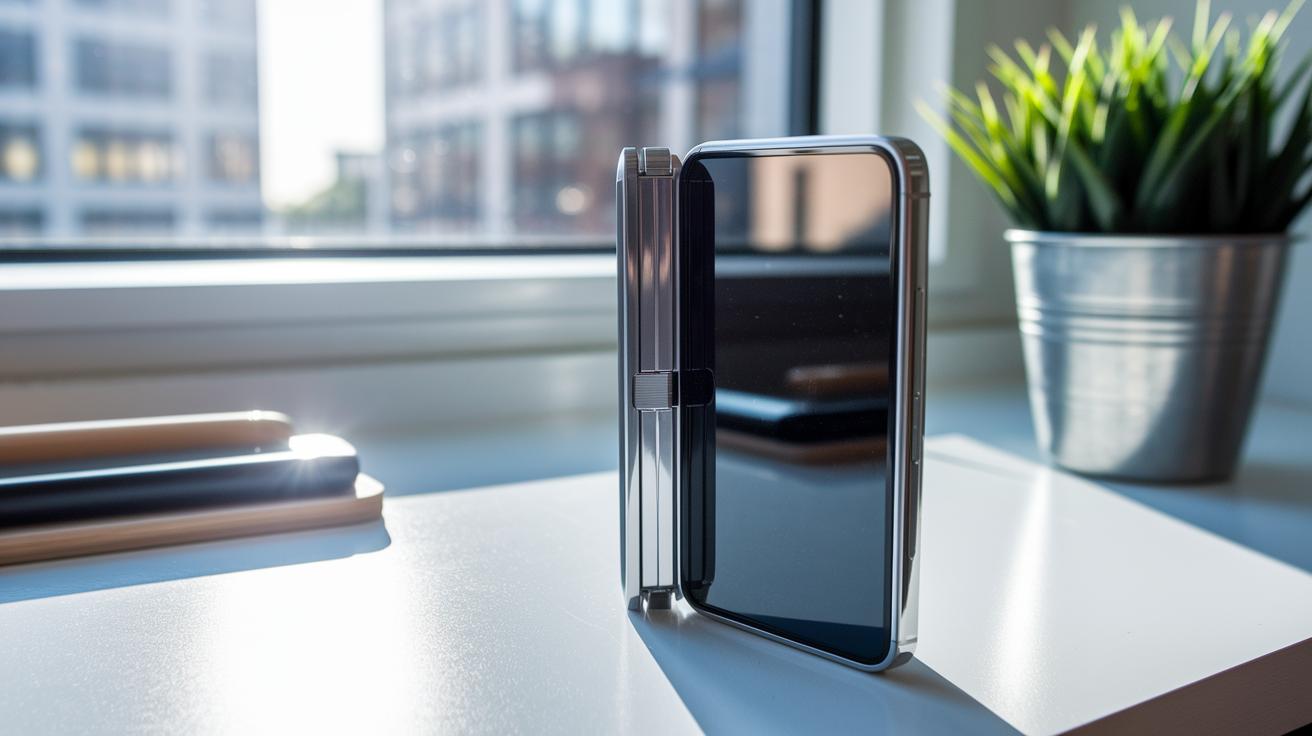
Foldable smartphones mix smart, flexible screen tech with a tougher hinge that keeps getting better. You can switch from phone to tablet mode in less than two seconds. The new inner screen minimizes creases and keeps colors steady. Tests confirm that this updated hinge handles daily use well while keeping the phone’s slim look.
Key advantages include:
- Fast Transition: It flips open in under two seconds with a sturdy, precisely engineered hinge.
- Advanced Multitasking: The large inner display lets you run several apps at once, thanks to its controlled flexibility.
- Productivity Boost: A seamless, uninterrupted screen makes editing, gaming, and watching media easier.
- Improved Hinge Reliability: User feedback and tests show the hinge lasts longer and handles everyday wear better.
- Immersive Media Experience: A bright, clear display gives you a mini theater experience for a more engaging view.
Users report a very smooth experience that really enhances everyday tasks.
Primary Drawbacks of Foldable Smartphone Technology
- These devices carry a high price tag because they use advanced research and complex manufacturing.
- The hinges can wear out over time after thousands of openings and closings, which may impact their lifespan.
- The plastic area protecting the screen crease is susceptible to scratches and peeling.
- Having a split-battery setup means the overall battery life is shorter.
- Many apps aren’t fully optimized yet, so switching display modes might cause crashes or glitches.
- The camera does not perform as well as those in traditional flagship phones, especially in low-light conditions.
Durability and Hinge Reliability in Foldable Smartphones

Early foldable phones like the FlexPai and original Galaxy Fold had their share of problems. Over time, repeated opening and closing caused visible creases in the screen and even led to the protective film peeling off. Some users noticed issues with the Galaxy Z models where the hinges began to loosen, making it hard for the phone to hold steady angles like 45° or 90°.
Today, manufacturers don’t leave things to chance. They now run tough tests that mimic real-life use, sometimes pushing a device to as many as 200,000 open-close cycles. Advanced polymer-metal hybrid designs help keep screen bends under control, and independent testers drop corners and repeatedly bend the panels to check their limits. These tests show that hinges and screens have definitely improved compared to early models, but there can still be minor wear over time that might affect stability.
For anyone considering a foldable smartphone, it’s important to know that while today's designs are much more rugged, a bit of wear is still possible with everyday use.
Cost Analysis for Foldable Smartphone Investments
Foldable smartphones still carry a steep price tag, usually above $1,500. This is mainly due to high research and development spending and lower initial profits. Manufacturers invest a lot in creating flexible screens and precise hinge mechanisms. However, as production improves and hinge parts become more efficient, prices of some models have dropped around 15% each year. This shows that as companies get smarter about making these devices, costs are gradually falling.
Your return on investment really depends on how you plan to use the phone. If you're a power user who loves multitasking and making the most of that extra inner screen, maybe splitting your screen between work documents and media or gaming, the larger, immersive display can boost your productivity and overall experience. But if you mainly use your phone for social media and occasional calls, you might get more value from a traditional slab smartphone.
It can also help to think about the cost per screen-inch when comparing devices. If the extra expense fits with your work habits or entertainment needs, then the breakthrough design and capabilities of a foldable smartphone might be well worth the investment.
User Experience and Multitasking with Foldable Smartphones
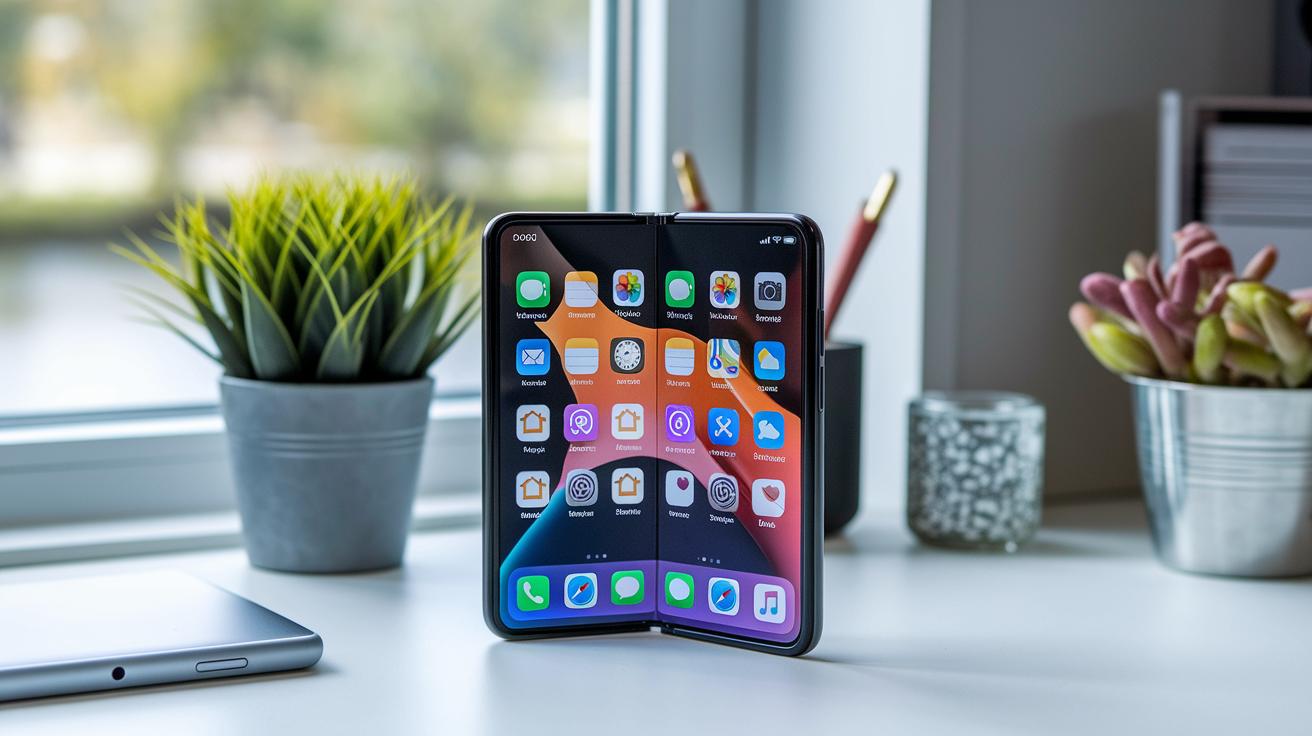
Foldable smartphones have changed the way we use our devices. They pack a 7.82-inch screen into a compact design, letting you run two apps side by side with crystal-clear detail. With a tall 22:9 aspect ratio, videos on platforms like Reels and YouTube feel more immersive. Flex Mode kicks in when you open the phone at an angle (between 75° and 115°), splitting the screen to boost your productivity. You can easily drag and drop items between windows, and the handy taskbar stays visible even in split-screen mode. This design makes everyday tasks smoother and more efficient.
Split-screen and Flex Mode
Foldable phones really shine with their split-screen feature. Once you open the device, it automatically sets up two app windows side by side. This means you can reply to emails while browsing social media or checking the news at the same time. The interface adjusts based on the hinge's angle, keeping images clear and steady. Plus, the drag-and-drop feature lets you move content effortlessly between apps. Imagine taking notes in one app while quickly referring to a document in another without interrupting your flow.
App Continuity and Optimization
Automatic app resizing is another key advantage. It makes sure apps work smoothly whether the device is folded or unfolded. Older Android apps sometimes had issues like crashing because they didn’t support auto-resize features. Today, thanks to improved developer tools and updated APIs, most apps adjust easily to the change. While there are still a few bumps along the way, overall, the upgrades have made the user experience much better with each software update.
Future Outlook on Foldable Smartphone Innovations
Next-generation foldable smartphones are tackling one of the biggest concerns head-on by using crease-free polymer screens and special nano-coatings that can cut down scratches by nearly 30%. This upgrade targets the flaws many users face with current foldable displays. Manufacturers are also experimenting with multi-hinge designs and rollable screens that could boost durability and open up new ways to use these devices.
Chip makers are busy optimizing their SoCs (the chips that power our gadgets) to handle dual displays more efficiently. This means better multitasking and lower power drain, making the overall experience smoother when switching modes or running demanding apps.
Market predictions look very promising. Experts expect a 45% annual growth rate for foldable smartphones through 2028. As production techniques improve and new materials reduce manufacturing costs, prices could drop below $1,000 by 2025. This makes foldable phones a more attractive option for a broader range of buyers.
Final Words
In the action, we broke down the major benefits of foldable smartphones, unmatched multitasking and immersive displays, while also weighing their challenges like price and durability concerns. We looked at hinge reliability, cost factors, and how modern models have evolved since their early struggles with software and build quality. This post provided clear foldable smartphone pros and cons that help you decide if the trade-offs suit your budget and needs. Refreshing tech choices lie ahead, and these insights can guide you toward a smart investment.
FAQ
What are the pros and cons of foldable smartphones according to Reddit and related sources?
The question reflects feedback where users praise multitasking and design flexibility but mention drawbacks like high cost, potential hinge wear, visible creases, short battery life, and limited app optimization as noted by communities online.
Are foldable phones worth it based on Reddit opinions?
The question suggests Reddit users find foldable phones appealing for their innovative design and multitasking, yet many remain cautious due to durability concerns, pricing, and occasional software issues that affect everyday use.
What are the disadvantages of Samsung flip phones and similar models?
The question highlights that Samsung flip phones have trade-offs such as potential hinge issues, reduced camera performance compared to non-folding devices, and limitations in battery life, which have been common points in reviews.
Are foldable phones durable?
The question indicates that while modern foldable phones have improved durability through extensive cycle testing, early models faced issues like crease deepening and hinge looseness, meaning durability can vary between models.
What are the pros and cons of the Samsung Fold 6?
The question signals that while the Samsung Fold 6 offers a premium multitasking experience and innovative design, it also faces challenges like potential hinge wear, crease visibility, and higher cost compared to traditional smartphones.
Why are foldable phones not popular?
The question suggests that foldable phones are less popular because of their steep prices, durability concerns, limited app optimization, and mixed reviews regarding long-term reliability, making many buyers consider traditional models instead.
What is the lifespan of a foldable phone?
The question indicates that while some foldables undergo rigorous cycle testing exceeding 200,000 folds, real-world lifespan may vary based on usage, handling, and model-specific build quality factors.
How many times can you fold a foldable phone?
The question points out that manufacturers target fold counts in the hundreds of thousands through rigorous endurance tests, but actual fold limits depend on the device model, user habits, and environmental conditions.