
Ever wonder if you could actually fold your phone like a piece of paper? Foldable smartphone hinge technology makes that idea work in real life. This clever design keeps your screen aligned and safe while switching between a compact view and a larger display. It uses flexible materials paired with precise engineering, so every fold feels smooth and secure. As the hinges get tighter with nearly invisible gaps, your phone stays both protected and stylish. Let’s take a closer look at how this technology brings everyday convenience and durability to your mobile experience.
How Foldable Smartphone Hinge Technology Enables Seamless Flex Display
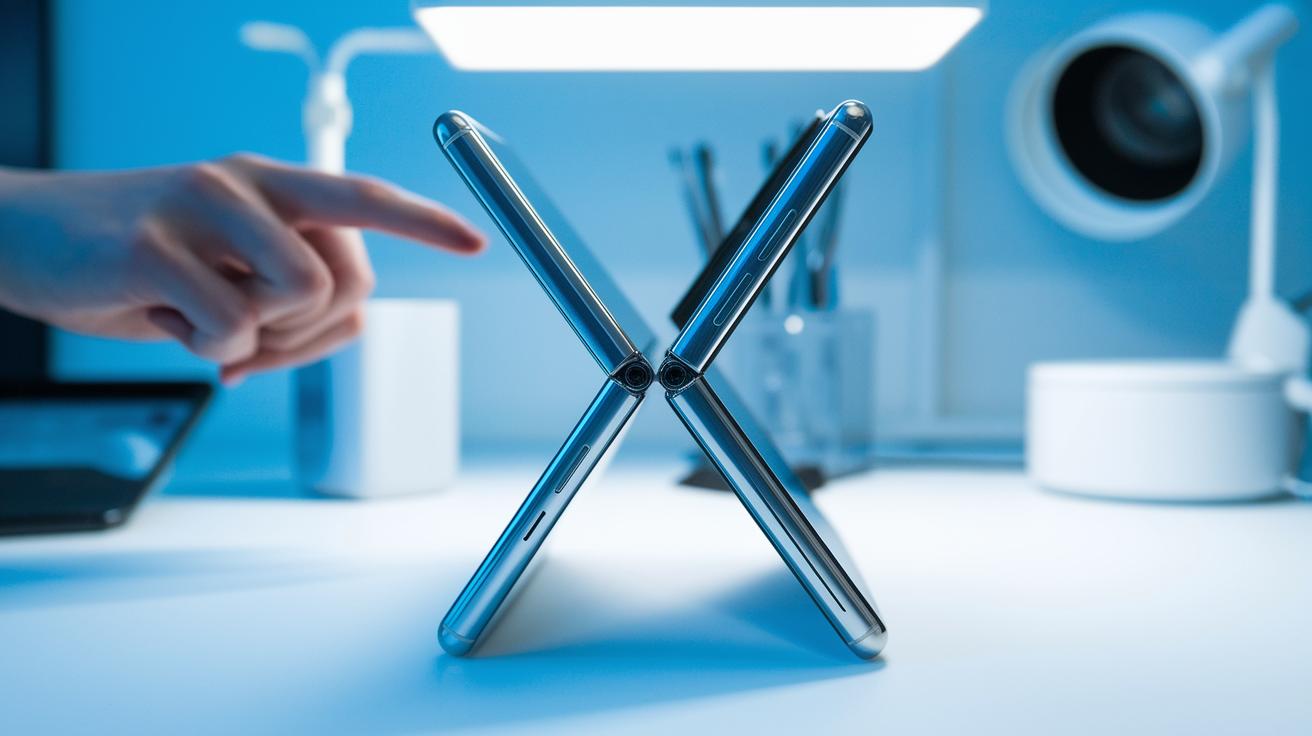
Foldable smartphone hinge technology is the key that lets your device flip smoothly between a compact folded state and a wide, full-screen mode. This clever mechanism keeps everything aligned and working perfectly so you can switch modes without any hiccups.
Today’s foldable screens use flexible polymers instead of hard glass, which means fewer scratches and a more durable experience compared to older designs. The hinge and screen work together to bend gently and reliably, making everyday use both simple and enjoyable. For more details about this evolution, check out the article on foldable smartphones.
The newest hinge designs fit so snugly that gaps are almost invisible. This precise design shields the display and its internal cables while keeping the overall look sleek and robust.
| Benefit | Description |
|---|---|
| Smooth Operation | Ensures steady folding and unfolding every time. |
| Enhanced Protection | Guards the screen against scratches, dust, and daily impacts. |
| Perfect Alignment | Keeps the display precisely aligned with minimal gaps. |
| Slim, Secure Build | Supports a slim design and neatly hides internal cables. |
This seamless integration of the hinge not only boosts the phone's overall look but also ensures lasting performance and durability. With innovative hinge mechanics paired with a flexible display, transitions between different viewing modes feel natural and effortless. Over time, this smooth connection helps reduce wear, giving you a premium, pocket-friendly design that stands up to daily use.
Core Mechanical Components of Foldable Smartphone Hinges
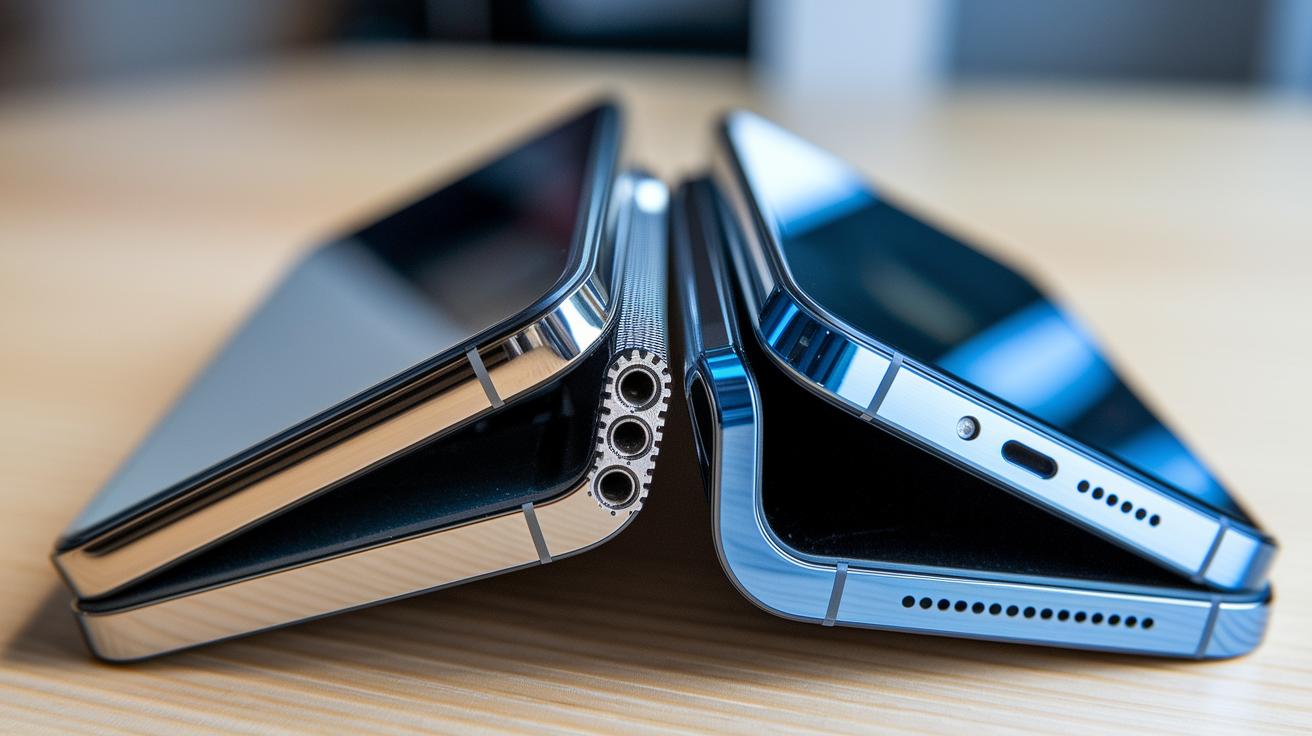
Foldable smartphone hinges cleverly combine classic and innovative parts to deliver smooth movement and long-lasting durability. They blend well-known gear-based systems with modern gear-free designs that let your device open and close with ease every day.
Gears and Bearings
Many foldable designs use interlocking gears, bearings, and linkages to create precise, low-friction motion. Gears drive the rotation, and bearings help the movement stay smooth. On the other hand, some models, like the Pixel 10 Pro Fold, use a gearless hinge. Without gears, these hinges avoid problems such as dust buildup and wear over time. This design benefits the overall look by allowing a larger screen and thinner profile while ensuring steady resistance during use. It also means these hinges can handle thousands of folds without losing performance.
Support Frames and Linkages
Beyond the turning parts, support frames and retention springs are essential for controlling the fold angle and keeping gaps to a minimum. They form a tight swivel structure that guides movement accurately while protecting internal cables. Retention springs and linkage systems work together to spread out the load evenly, making sure everything stays aligned even after heavy use. This careful setup not only adds to a smooth and reliable fold but also meets strict durability tests, ensuring the hinge performs well over years of daily use.
Material Innovations for Long-Lasting Hinge Structures
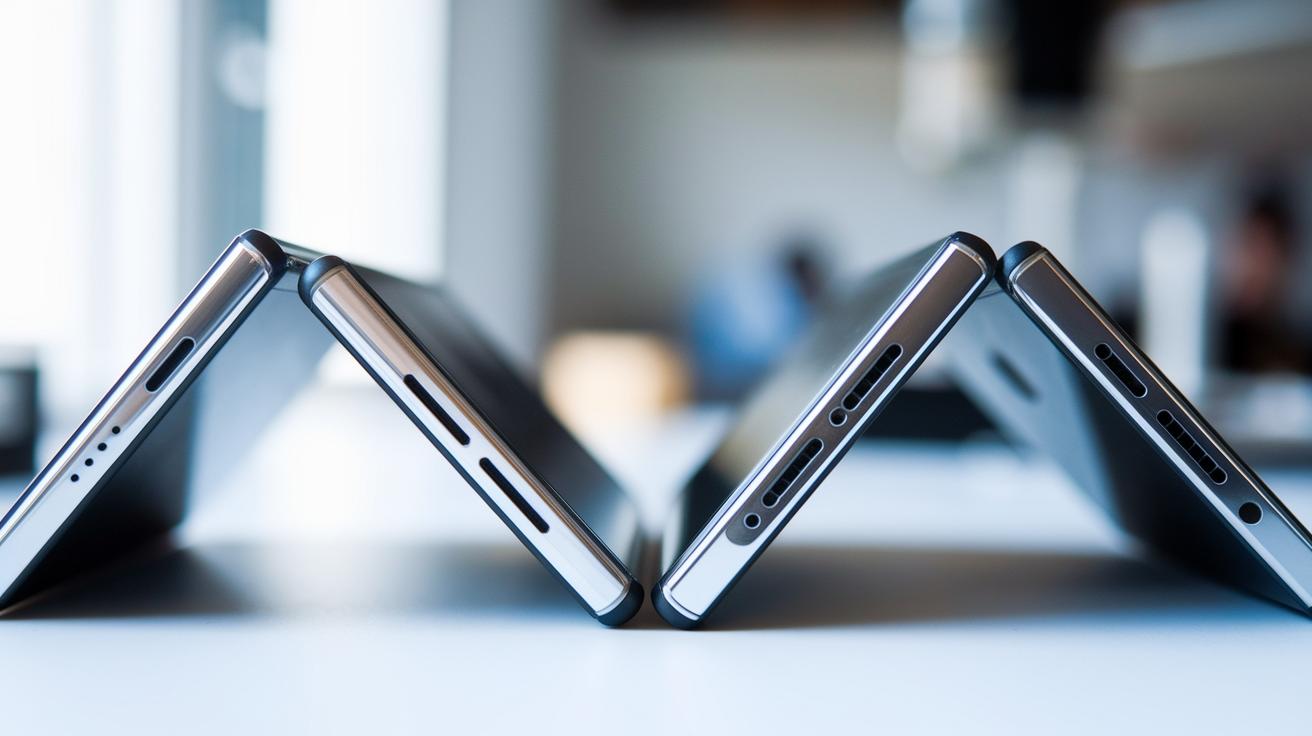
Foldable smartphones count on smart material choices to handle countless bends. Researchers have improved alloys like high-grade stainless steel and aluminum to keep hinges strong. Stainless steel stands out for its solid strength and wear resistance, while aluminum alloys, as seen on the Pixel 10 Pro Fold, are light, resist rust, and give a polished look. Materials like Liquidmetal use a special non-crystalline structure to cut down friction and help the hinge last longer.
| Material | Key Property | Benefit |
|---|---|---|
| Stainless Steel | High tensile strength | Handles repeated folds with ease |
| Aluminum Alloy | Light and corrosion-resistant | Sleek look and lighter overall weight |
| Liquidmetal | Amorphous structure with low friction | Longer fatigue life and smoother movement |
Additional innovations like nano lubrication and protective coatings further boost hinge durability. These treatments lower friction and guard against things like moisture and dust. By carefully choosing materials and coatings, manufacturers ensure foldable devices stay both sturdy and stylish for the long haul.
Durability Testing Methods in Foldable Smartphone Hinge Technology

Foldable smartphone hinges go through serious stress tests to ensure they can handle everyday use. Manufacturers simulate about two years of regular folding by running the hinge through more than 200,000 open-and-close cycles. This method not only confirms the hinge’s lifespan but also gives users confidence that it will work smoothly even with frequent use.
Mechanical Fatigue Testing
In mechanical fatigue testing, the device is folded and unfolded repeatedly to check how much wear the hinge can tolerate. Engineers count each fold to see when the hinge starts to lose its performance. They also measure the force needed to start each fold, which shows when the hinge may eventually fail and hints at opportunities to improve its design. These tests reveal how different materials and build techniques, like designs without gears, hold up under heavy, real-life use while keeping precision intact.
Environmental Simulation
To further test the hinge, manufacturers expose it to real-world conditions like extreme temperatures, humidity, and dust. The hinge is placed in special chambers that create hot and cold bursts along with moisture challenges. Drop tests are also run to see how sudden shocks affect the mechanism. This combined testing proves whether the hinge can maintain its integrity and functionality even when faced with rough conditions over time.
Comparing Foldable Smartphone Hinge Technology with Conventional Phone Hinges
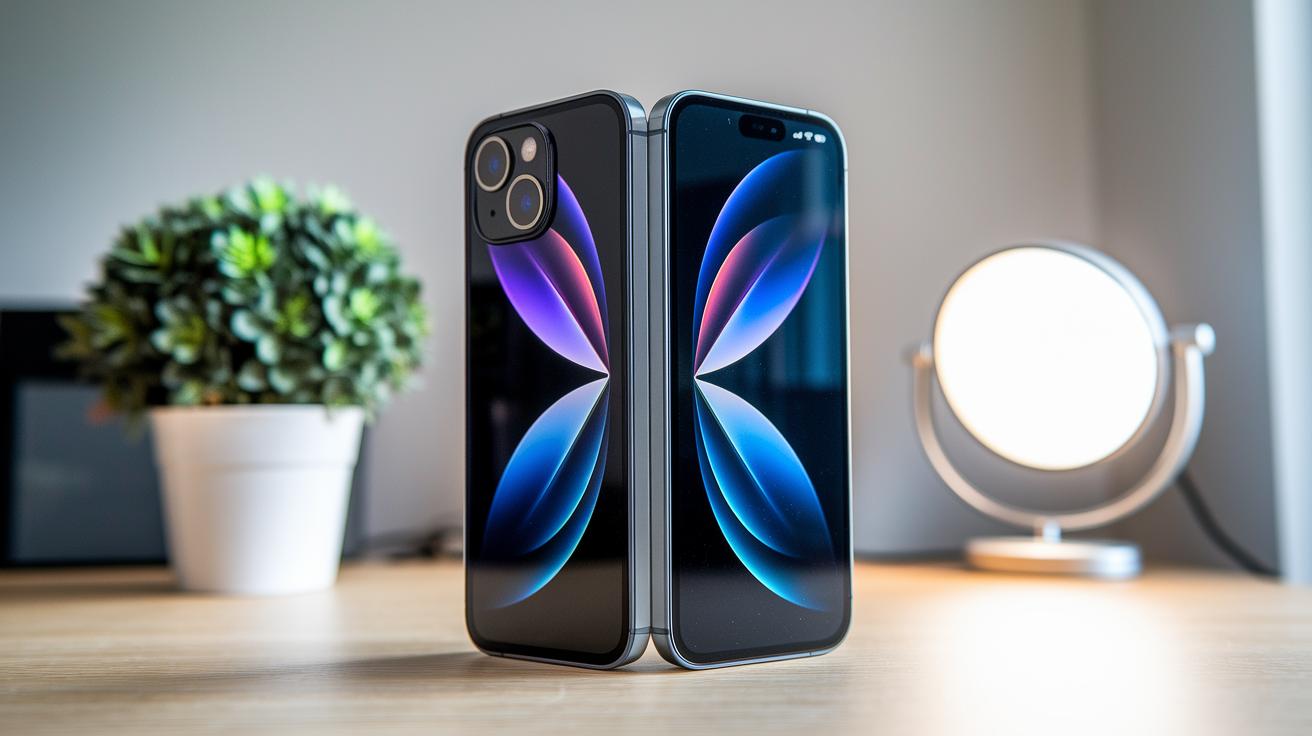
Foldable smartphone designs are much more complex than the old clamshell models. Regular phones either use a simple single-axis hinge or no hinge at all. But when it comes to foldables, they need clever multi-axis or linking systems to keep the screen smooth. This means makers have to nail down perfect alignment and steady movement. They also need to test the build to make sure it can stand up to everyday use.
Foldable phones face extra hurdles with gap control. Keeping the space between the unfolding screens very small stops dust and debris from getting in and eases stress on the screen material. Cable routing is another tough part. Engineers must tuck away the cables in a tiny space without stopping the phone from moving freely. When the device folds, everything must stay aligned and secure. This makes managing gaps and space-saving design a real challenge that requires constant testing during each design round.
All in all, foldable hinges demand a lot more precision than conventional ones. Their multi-axis moves, tiny gap fixes, and hidden cable setups test even the best development teams. These challenges are a clear sign of how smartphone technology is constantly being pushed to new limits, and that drives innovation forward.
foldable smartphone hinge technology Radiates Innovation
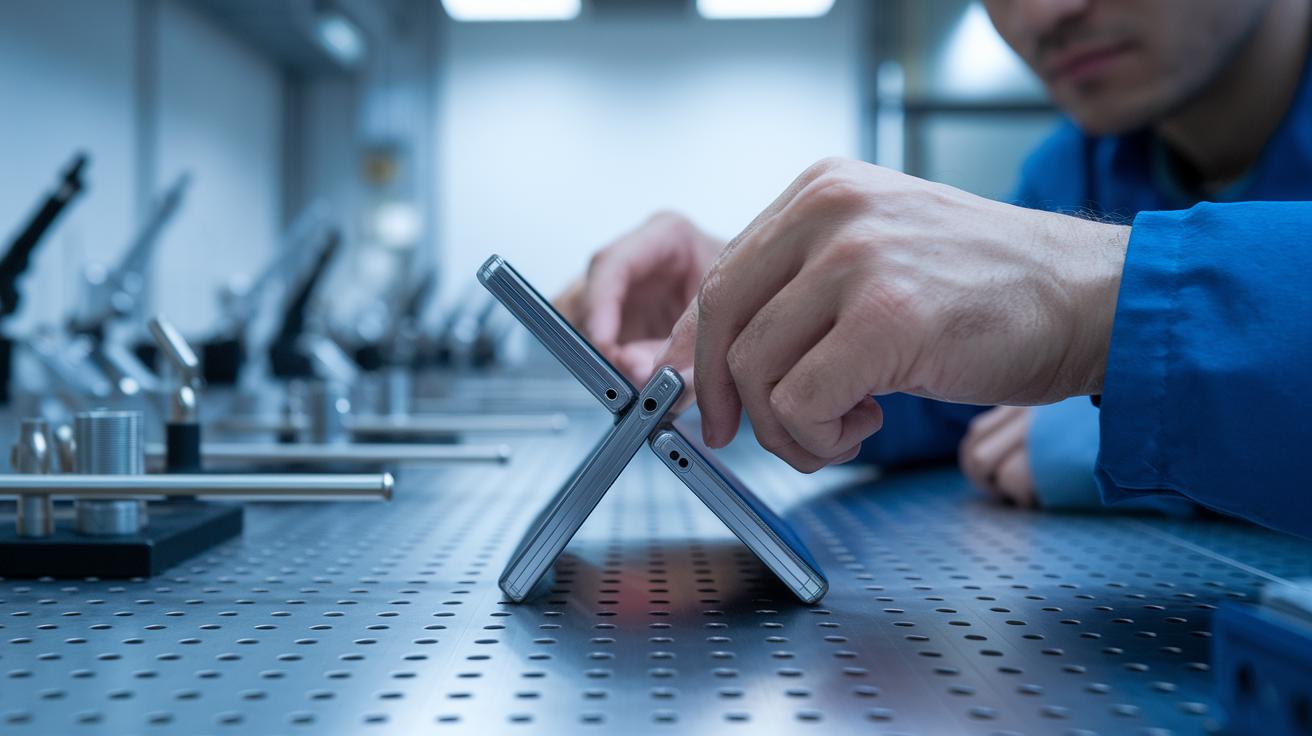
Engineers are hard at work refining the hinge design in foldable smartphones. They're testing gearless designs that run quietly with fewer parts, and they’re exploring new materials and smoother movements. The goal is a hinge that keeps your phone sleek and reliable.
We’re seeing promising ideas like ultra-thin composite turntables and self-lubricating polymers that make the fold action smoother than ever. They’re also testing coatings to fight rust and tiny wear monitors to predict when maintenance might be needed. Future designs might even let phones open wider and close flatter without weakening the build. All this means fewer parts and a better feel in your hand.
These improvements will let manufacturers build devices that are both compact and easy to use. With these advances, foldable smartphones will not only look modern but also work better every day.
Final Words
In the action, this article broke down how foldable smartphone hinge technology transforms a compact design into a powerful full-screen experience. We explored the mechanics behind flexible display operation, discussed advanced material choices, and reviewed rigorous durability tests.
Each section revealed insights into precise engineering, clean gap minimization, and future trends that promise even smoother performance. The hands-on details show that every fold matters.
Positive developments in hinge design ensure a robust, user-friendly experience for both daily users and tech enthusiasts.
FAQ
What is the best foldable smartphone hinge technology and how does it work?
The best foldable smartphone hinge technology uses a refined mechanism that smoothly transitions a flexible display between folded and unfolded states while protecting internal components and maintaining a slim profile.
What are the typical prices for foldable smartphone hinge technology and Samsung tri-fold phones, including pricing in Dubai?
The prices for foldable smartphone hinge technology vary with design and materials, while Samsung tri-fold phones—including those in Dubai—carry premium pricing that reflects advanced mechanics and innovative display engineering.
How do foldable screens work?
Foldable screens work by integrating flexible polymer layers with a sophisticated hinge system that allows the screen to bend seamlessly from a compact folded state to an expanded view while safeguarding internal connections.
What should I know about Samsung’s foldable devices such as the Galaxy Z Fold series, Galaxy Z Flip 5, and Samsung Galaxy S24 Ultra?
Samsung’s foldable lineup features innovative hinge designs for smooth operation and durability, while the Galaxy S24 Ultra delivers top-tier performance in a traditional design, each offering advanced display integration and solid engineering.