
Ever wondered how a simple accessory could change the way you film? Foldable smartphone gimbals are designed to be compact yet deliver strong stability, keeping your footage steady even with heavier phones. We tested several models to see how they performed in everyday settings, checking battery life, mounting ease, and overall functionality. This article explains which designs offer the right mix of portability and durability so you can choose one that fits your filming needs and budget. Keep reading to discover which gimbal might become your new filming buddy.
Foldable Smartphone Gimbal: Top Picks & Quick Comparison
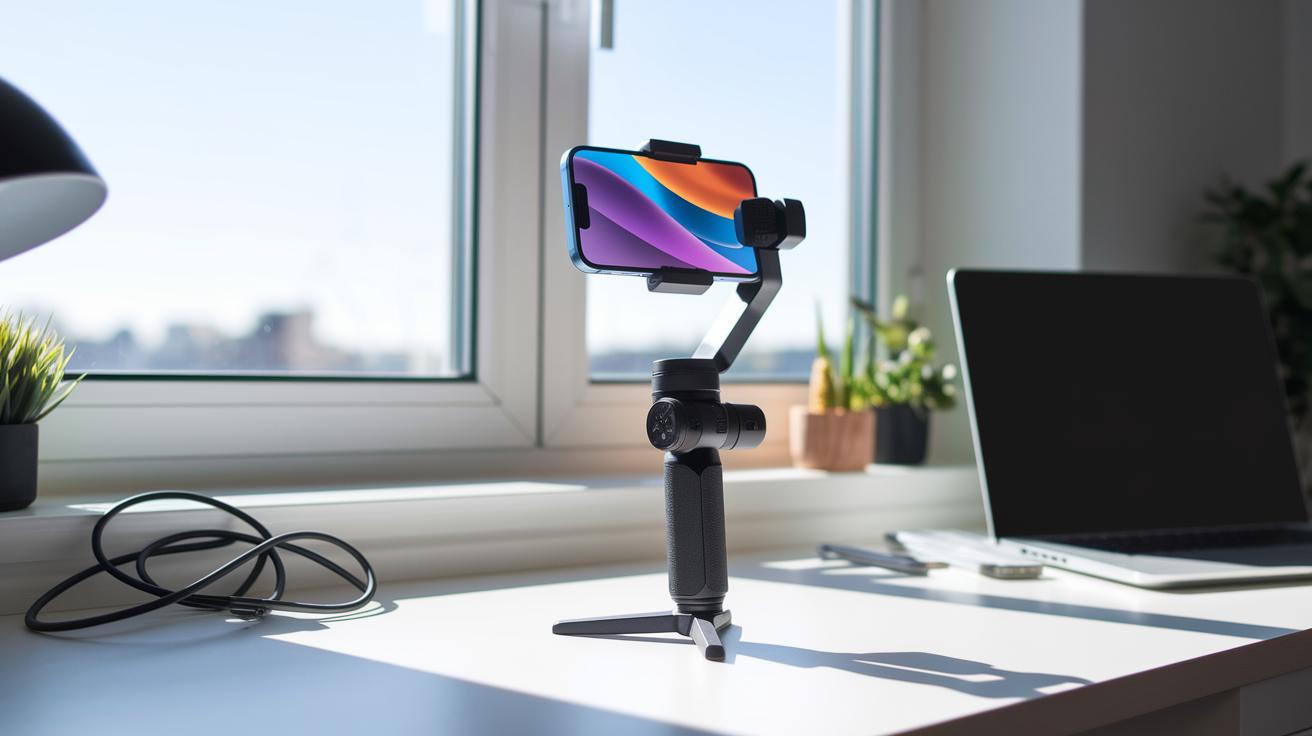
We tested several foldable smartphone gimbals to see which ones offer great performance, clever design, and good value. We looked at how well they support heavier phones (up to 500 g), their battery life, and how smart their mounting systems are. Here are our top picks:
| Gimbal Model | Max Payload | Battery Life | Folded Size | Approx. Price |
|---|---|---|---|---|
| Hohem iSteady M7 | 500 g | 12 hrs | 170 x 70 mm | $150 |
| Joby Smart Stabilizer | 450 g | 8 hrs | 190 x 80 mm | $100 |
| DJI Osmo Mobile 7P | 400 g | 10 hrs | 160 x 65 mm | $120 |
| DJI Osmo Mobile 8 | 450 g | 9 hrs | 165 x 70 mm | £99 |
| Insta360 Flow | 500 g | 12 hrs | 175 x 75 mm | $130 |
Each gimbal is aimed at different shooting styles. The Hohem iSteady M7 works great if you often use heavier smartphones and want steady, balanced performance. For vloggers who are watching their budget, the Joby Smart Stabilizer offers a smart option with an extra reach via its extension rod. If you need something that sets up quickly and gets you shooting fast, the DJI Osmo Mobile 7P is a solid pick. Those looking for premium tracking features, especially on iOS, might prefer the DJI Osmo Mobile 8. And if you plan to shoot for long stretches, the Insta360 Flow is perfect with up to 12 hours of battery life.
Essential Design & Build Quality of Foldable Smartphone Gimbals

Robust build quality starts with top-notch materials. Many models use aluminum-alloy frames paired with reinforced polycarbonate arms that can take the daily wear and tear without weighing you down. This construction gives the gimbal a trustworthy, solid feel so you can film confidently even on long shoots.
The folding mechanism stands out, too. Modern designs come with quick-release magnetic mounts, much like what you see on the DJI Osmo Mobile series, which makes setup super easy. Some units even offer an auto-folding hinge (think DJI RS 4), while others use compact hinges similar to those on the Insta360 Flow. These smart features make the gimbals easy to pack up and ready to use when you need them most.
Designers also focus on making these devices easy to hold. With folded sizes under 20 cm and weights ranging between 400 and 600 g, they’re built for true pocket portability and comfortable handling. The balanced design and grip ensure you have a steady hold even during dynamic filming sessions.
Foldable Smartphone Gimbal Stabilization & Performance Metrics
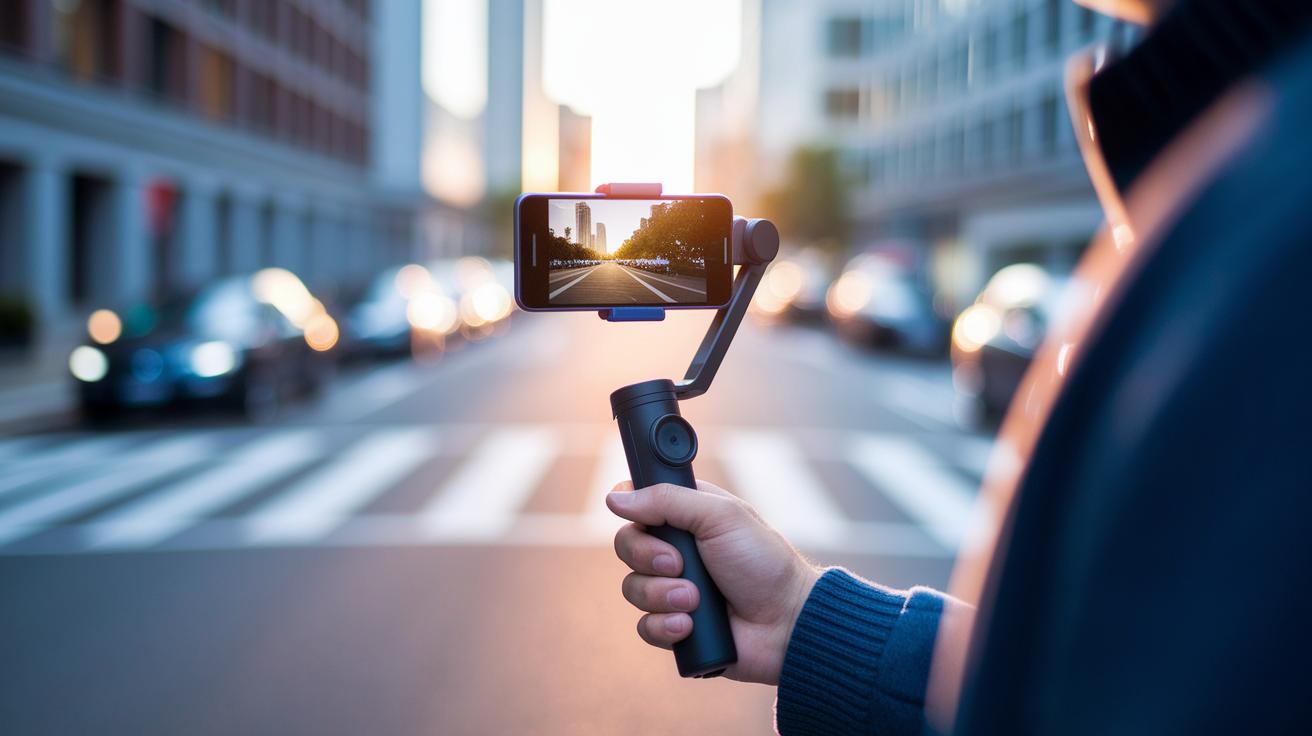
Foldable smartphone gimbals come with smart stabilization systems that keep your video clips smooth, even when you’re on the move. Engineers pack these devices with strong motors that handle smartphones weighing up to 500 g. For example, the Hohem iSteady V3 offers a pan of 310°, a roll of 330°, and a tilt of 325°. Tracking features also keep getting better; the DJI Osmo Mobile 8 has three subject-tracking options, while the Hohem M7 introduces gesture control for hands-free shooting. The Insta360 Flow even delivers stable 4K video at 60 fps with almost no jitter, making it a solid choice for capturing dynamic scenes. This means you can easily switch from a quick recording to creating cinematic clips without worrying about shaky footage, giving you more creative freedom wherever you are.
Here are the key factors to consider when picking a gimbal:
- Motor torque and maximum payload capacity
- Range of motion in pan, tilt, and roll
- Number and type of subject-tracking modes
- Stabilization performance at various frame rates (like 4K 60 fps)
- Results from real-world tests on shake reduction
Focusing on these metrics helps you choose a gimbal that meets your creative needs, whether you’re a vlogger, casual shooter, or a content creator aiming for professional-quality stability. This gear makes it easier to capture clear, smooth footage every time, turning your smartphone into a powerful cinematic tool.
Battery Life & Power Features in Foldable Smartphone Gimbals
In our tests, we saw clear differences in battery life among these gimbals. The Insta360 Flow can run for up to 12 hours straight, which is great for long filming sessions. The DJI Osmo Pocket 3, on the other hand, lasts about 140 minutes per charge, balancing its compact camera and gimbal features nicely. The Hohem iSteady Mobile+ also keeps going for around 12 hours, so even long, demanding shoots stay on track.
Charging is made simple too. The Hohem iSteady Mobile+ uses USB-C fast charging, letting you quickly top up the battery during busy shoots. Other models still rely on their own special charging docks to deliver power efficiently. Plus, remote synchronization lets you adjust shooting settings from a distance, which is perfect for dynamic filming setups.
Setting Up and Calibrating Your Foldable Smartphone Gimbal

Getting your foldable smartphone gimbal ready is simpler than you might think and sets you up for smooth, professional videos. First, give your device some attention by balancing and calibrating it so that every shot looks as steady as possible. Whether you’re using a magnetic quick-release like on the DJI OM series or pairing through the Insta360 app, follow these easy steps:
- Unbox the gimbal and unfold it.
- Mount your smartphone and tighten the clamps.
- Manually adjust the balance on the X, Y, and Z axes.
- Turn on the gimbal.
- Connect to the companion app to check for firmware updates.
- Run the auto-calibration routine and do a quick test pan.
By following these steps, you’ll achieve a well-balanced gimbal that minimizes unwanted movements and gives your videos a cinematic feel. This process not only prepares your device for long shooting sessions but also optimizes its performance with dedicated app features. Enjoy capturing your moments with ease and confidence.
Advanced Features & App Integration for Foldable Smartphone Gimbals

Foldable smartphone gimbals come with many creative shooting modes like Dolly Zoom, Hyperlapse, Timelapse, and Panorama. These built-in options let you experiment with cinematic effects on the fly without needing extra gear. For example, Hyperlapse mode transforms a busy scene into a dynamic, time-compressed sequence that adds a fresh, creative twist to your projects.
Some models, like the Hohem M7 and DJI OM 7P remote unit, offer gesture control for a hands-free experience. With a simple hand movement, you can start or stop recording without touching the device. This feature makes it easier to capture spontaneous moments, even during fast-paced filming.
Complementing these features are companion apps such as DJI Mimo, Hohem Pro, and Insta360. They simplify gimbal management with tools like AI tracking and over-the-air firmware updates. These apps let you adjust settings quickly and access creative tools, keeping your device updated and enhancing your creative potential.
Choosing the Right Foldable Smartphone Gimbal for Your Use Case
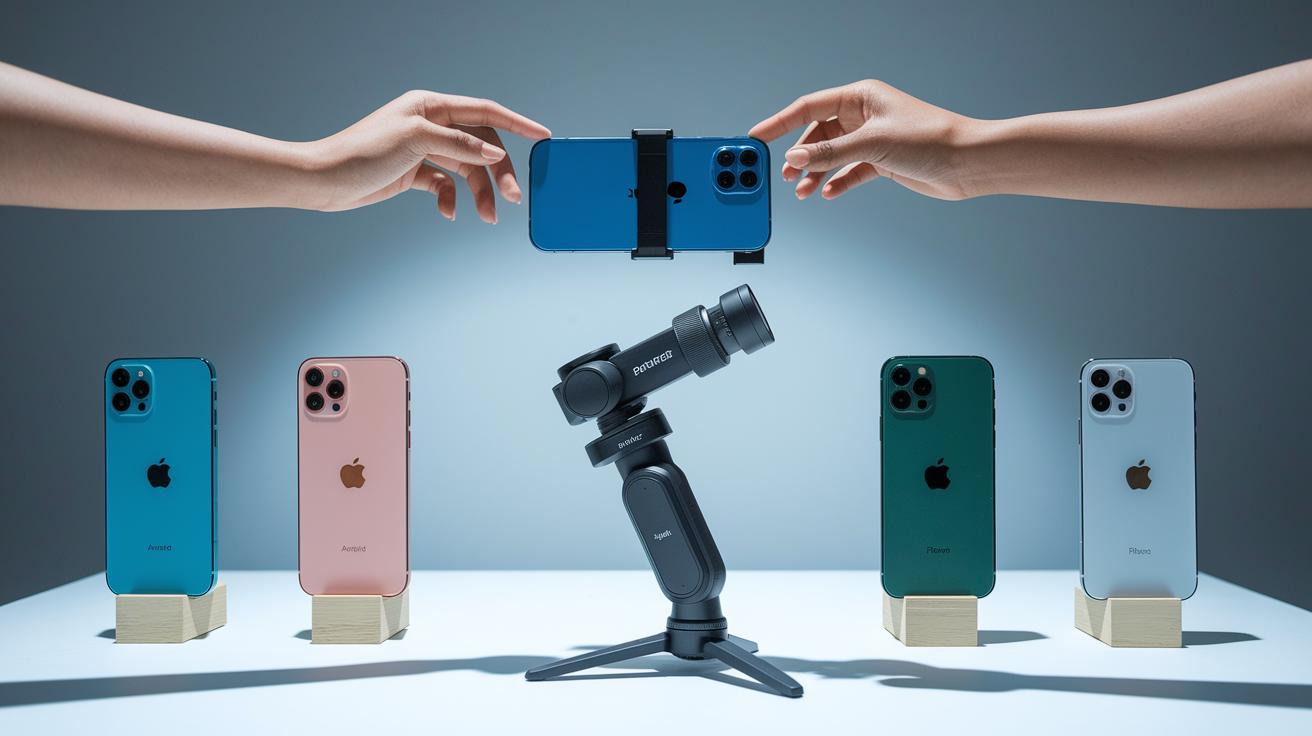
When you're choosing a foldable smartphone gimbal, it's all about pairing the gimbal's features with your filming needs. Some gimbals are built to hold heavy phones (250 g or more) and offer high-torque performance for professional-quality video. Others are lightweight and easy to use, making them a great fit for everyday vlogging. A few even come with extension rods that work as built‑in stabilizers, letting you capture dynamic shots without extra gear.
For example, if you're on a budget with an Android phone, the Hohem iSteady Mobile+ gives you solid functionality without costing a fortune. And if you use a premium iOS device, the DJI Osmo Mobile 8 offers advanced tracking with a price tag under £100, which is perfect for content creators who want great performance without overspending.
- Vlogging: Insta360 Flow or DJI Osmo Mobile 7P
- Travel & run-and-gun: Hohem iSteady M7
- Budget Android setup: Hohem iSteady Mobile+
- Premium iOS stabilization: DJI Osmo Mobile 8
Each option is tailored for a specific shooting style. Whether you're capturing fast travel moments or setting up a steady vlog at home, knowing what each gimbal does best helps you get smooth, cinematic footage. Matching your choice with your budget and phone type means you'll get real value without compromise.
Final Words
In the action, we compared top foldable smartphone gimbals by testing their design, performance, battery life, and setup ease. We broke down key features, from robust build quality to intuitive app integration, so you get clear insights at a glance.
Our review shows that each model fits a different shooting need, whether you need a pocket-friendly option or a premium stabilizer. Embrace the smooth experience a foldable smartphone gimbal offers and capture your moments with confidence.
FAQ
What is the best gimbal for smartphones?
The best gimbal for smartphones depends on your needs but models like the Hohem iSteady M7 and DJI Osmo Mobile 8 are favorites for their balanced performance, smart tracking, and overall ease of use.
What is the difference between a stabilizer and a gimbal?
The difference between a stabilizer and a gimbal is that a stabilizer relies on mechanical balancing, while a gimbal uses motorized technology to keep your smartphone steady even during rapid movement.
What is the difference between a gimbal and a selfie stick?
The difference between a gimbal and a selfie stick is that a gimbal provides motorized stabilization and smooth motion capture, whereas a selfie stick simply extends your phone for selfies without any active stabilization.
What is the best pocket gimbal camera?
The best pocket gimbal camera offers smooth, compact performance; models like the DJI Osmo Mobile 7P combine portability with advanced tracking modes, making them ideal for on‑the‑go video capture.
What are AOCHUAN smartphone gimbals?
AOCHUAN smartphone gimbals are foldable, 3‑axis stabilizers designed to capture smooth videos with smartphones. They strike a balance between affordability and performance and are available on popular retail platforms like Amazon.
Are foldable smartphone gimbals compatible with Samsung devices?
Foldable smartphone gimbals are typically designed with universal clamps that securely accommodate Samsung phones along with most other smartphones, offering a reliable solution for smooth video capture across devices.