
Ever wonder if a foldable phone can really deliver great battery life? Big screens need more power, so these devices face a unique challenge. Manufacturers have stepped in with smart display settings and efficient chip designs. Take the Galaxy Z Fold 3 and Z Fold 4, for example, they show that clever power management can keep the battery going strong while still offering a vibrant display.
In this article, we break down how these phones balance power consumption and display quality in real-life use. Whether you're streaming videos or browsing all day, foldable phones are proving that you don't have to compromise on performance.
foldable smartphone battery life: Power that Impresses
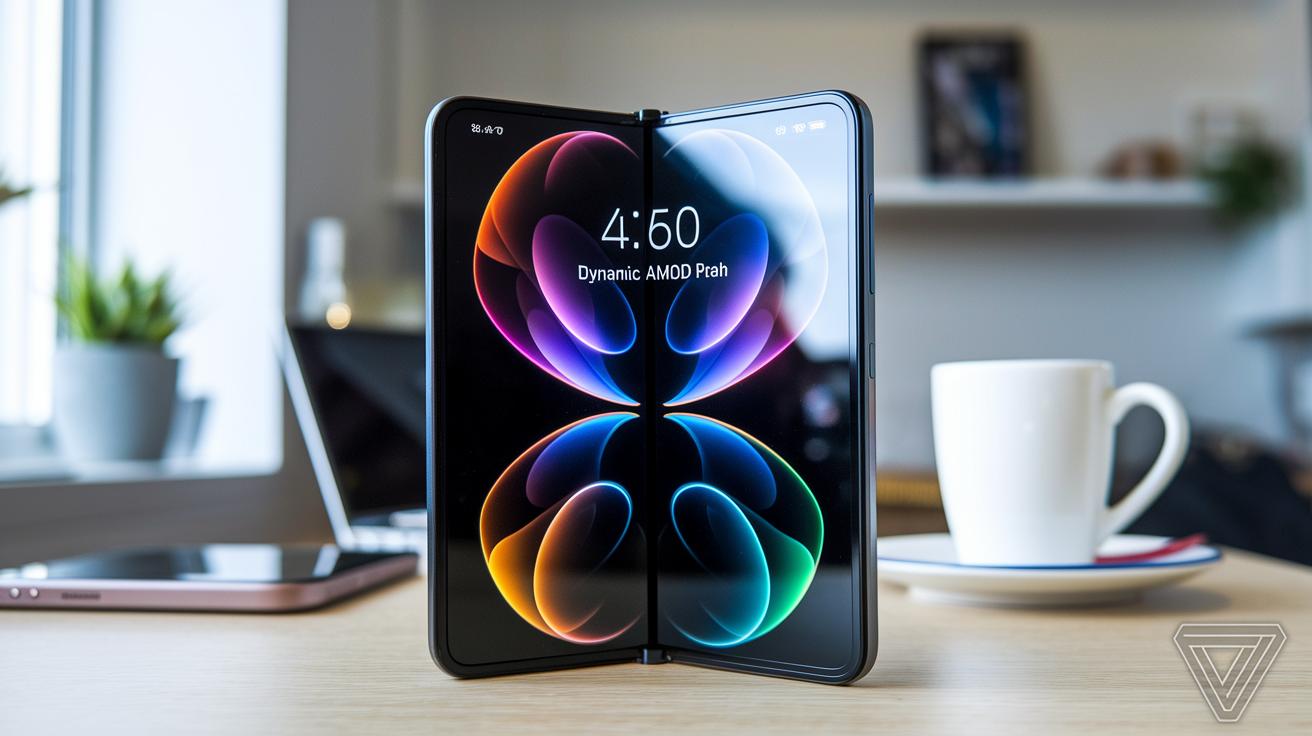
Foldable smartphones are changing the game with their bigger screens that naturally need more juice than usual phones. Take the Galaxy Z Fold 3 for example, it uses a 4,400 mAh battery to power a 7.6-inch display. In comparison, models like the 6.8-inch Galaxy S21 Ultra or the 6.7-inch iPhone 12 Pro sport smaller screens that require less energy.
These phones often come with dynamic AMOLED flexible panels that automatically adjust brightness and refresh rates depending on what you're viewing. This clever setup helps balance immersive visuals with better battery efficiency, which is key for users who want both productivity and entertainment on the go.
Samsung carries this concept forward with the Galaxy Z Fold 4. Although it still uses a 4,400 mAh battery, it now features a 12th-Gen OLED panel that supports a refresh rate from 1 to 120 Hz and is powered by the Snapdragon 8+ Gen 1 chipset. This means lower average power use without compromising on image quality.
Likewise, the Google Pixel Fold, equipped with the Tensor G2 chipset, and the OnePlus Open, priced between $1,500 and $1,700, offer high-end foldable experiences with lightweight designs and very bright cover displays. Real-world tests show that even top models can vary in battery endurance based on how often you change refresh rates, your usage habits, and the charging methods used.
In short, as manufacturers continue to refine power optimization techniques, foldable smartphones are steadily meeting everyday needs and enhancing overall user experience.
Technical Specifications Impacting Foldable Smartphone Battery Life
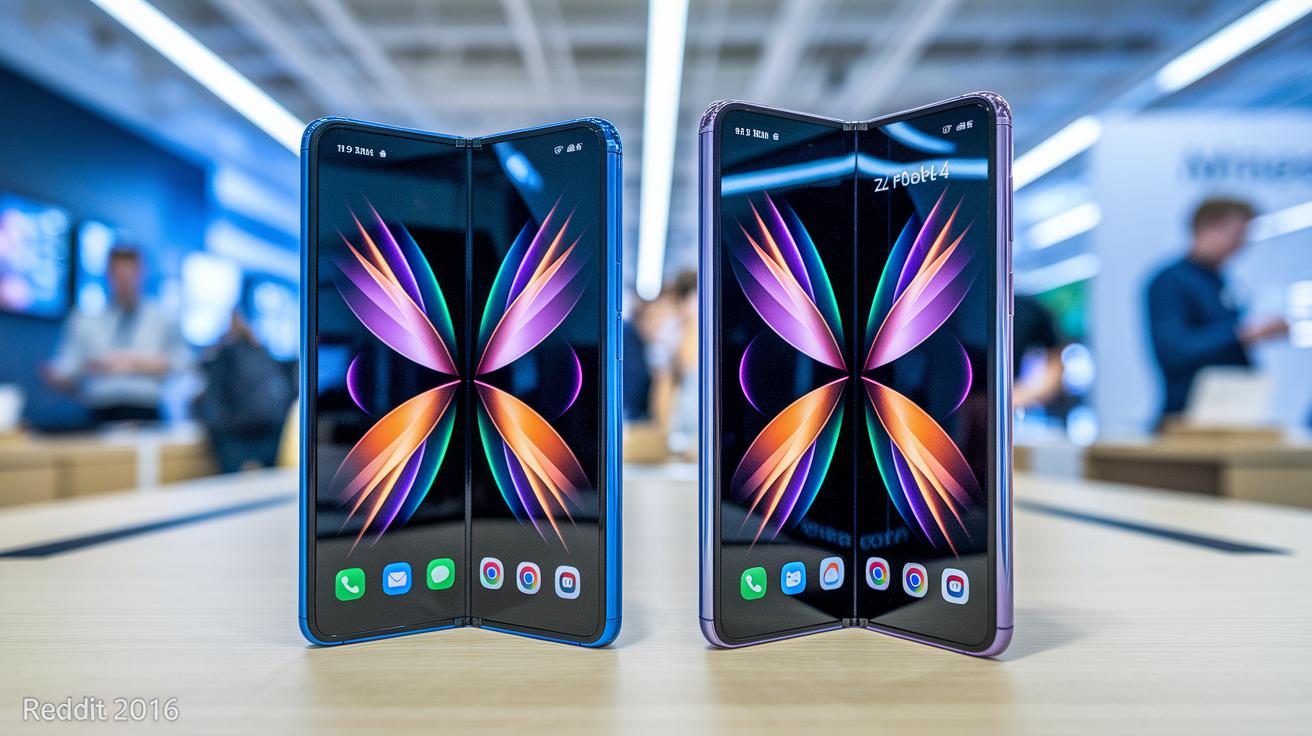
Both Galaxy Z Fold 3 and Galaxy Z Fold 4 are equipped with a 4,400 mAh battery that easily powers their large screens. The Z Fold 4 steps up the game with its 12th-Gen OLED panel that adjusts its refresh rate from 1 to 120 Hz. Paired with the Snapdragon 8+ Gen 1 chipset, this smart combination cuts power use while keeping visuals clear and crisp. The flexible AMOLED panels automatically adjust brightness based on what you’re viewing, which directly helps extend battery life.
Smart display technology is key to saving energy on these phones. When you’re viewing less demanding content, the display lowers its power draw. This means the device uses energy more efficiently, especially compared to older models like the Galaxy S21 Ultra or the iPhone 12 Pro. By matching a bigger screen with well-tuned power management, these foldable smartphones handle battery demands well even in heavy-use situations.
| Device Model | Battery (mAh) | Display Size | Chipset | Refresh Rate |
|---|---|---|---|---|
| Galaxy Z Fold 3 | 4,400 | 7.6″ | Snapdragon 888 | Dynamic AMOLED |
| Galaxy Z Fold 4 | 4,400 | 7.6″ | Snapdragon 8+ Gen 1 | 1–120 Hz |
| Galaxy Z Fold 7 | 4,400 | 8″ | Snapdragon 8+ Gen 1 | Adaptive |
| Galaxy Z Flip 7 | 3,700 | 6.7″ | Snapdragon 8+ Gen 1 | Adaptive |
Real-World Foldable Smartphone Battery Testing

We ran everyday tests to see how foldable phones deal with battery drain during common tasks. We set up scenarios that reflect real use and pushed the devices hard to capture clear power consumption patterns.
- Charging test: We checked how fast each phone fills up using standard fast chargers when starting at a low battery level.
- Continuous video playback: We played high-definition video loops to see how long the battery lasts during extended streaming.
- Basemark Web 3.0 loops: We ran repeated graphics and web tasks to mimic heavy usage and measure overall power loss.
Our results revealed real differences among the models. For example, the Galaxy Z Fold 7 uses an 8-inch main display that adjusts its refresh rate based on what you're doing. Despite its large, flexible screen, it only offers a small battery boost over previous versions because the power needed for such a big display mostly cancels out the gains from the adaptive refresh rate. Meanwhile, the Galaxy Z Flip 7 showed a more noticeable improvement in both video playback and charging tests. Even so, it still lags behind some Motorola flip phones known for their strong battery endurance.
These tests show that battery life in foldable smartphones can vary a lot depending on design and display technology. If you need a phone that lasts all day, the Z Flip 7’s performance may make it a better choice, even though the Z Fold 7 has slight efficiency gains.
Comparing Battery Longevity in Foldable vs Traditional Smartphones
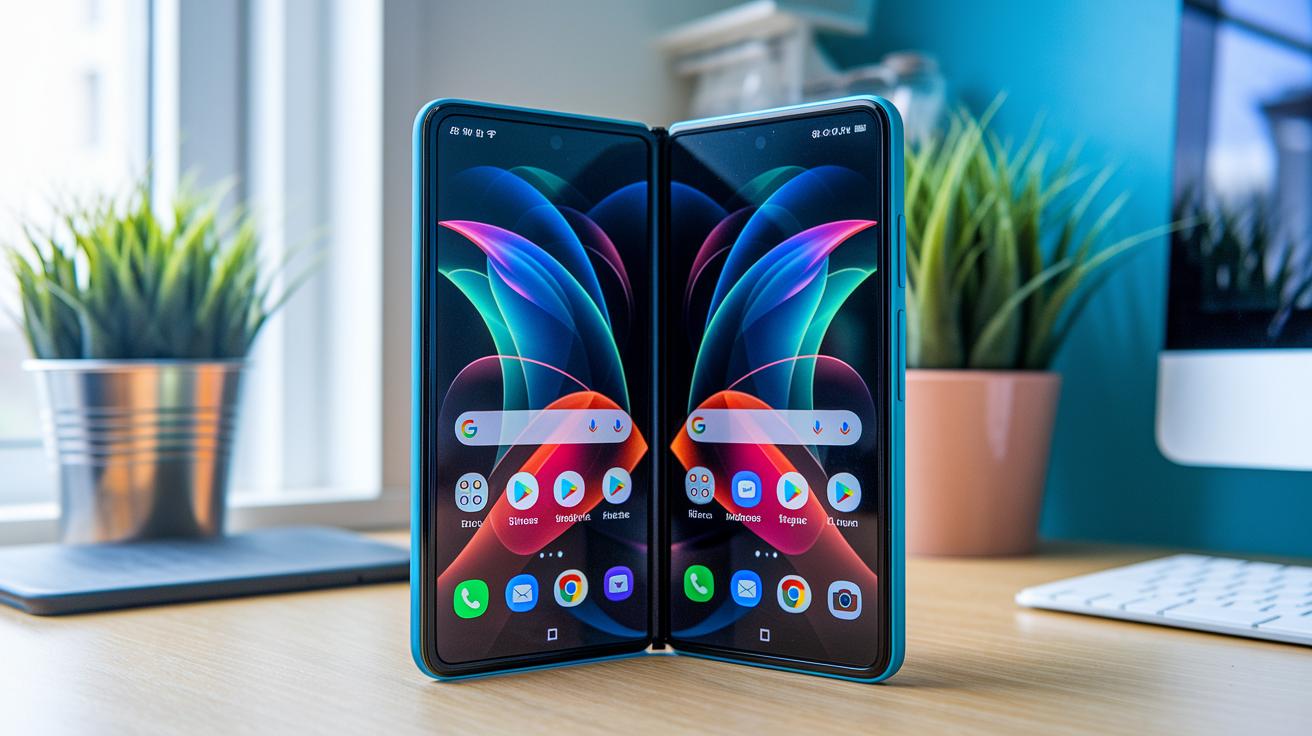
Foldable smartphones such as the Galaxy Z Fold 3 sport a 7.6" screen that uses more power than the more common 6.8" or 6.7" displays found on models like the Galaxy S21 Ultra or iPhone 12 Pro. Although features like adaptive refresh and hardware tweaks help bridge the gap, the simpler screens on traditional models typically deliver more consistent battery performance during long days of use. We've now combined this battery endurance insight with our broader analysis to keep things clear and avoid repeating key points.
Rapid Charge Technology in Foldable Smartphone Battery Life

Foldable smartphones are built for busy lives where every minute counts. Fast charging is essential to quickly juice up your phone and keep it running for work or play. Take the Galaxy Z Fold 4 as an example; its 25W fast charging can take the battery from low to full in roughly 1 hour and 20 minutes. That means less waiting and more doing. Keep in mind that how fast your phone charges depends on factors like the power output of your charger and the quality of your cable.
Manufacturers have refined charging protocols to ensure these devices balance advanced screen performance with efficient power management. Even with a battery capacity of 4,400 mAh, smart rapid charging helps keep foldables ready for a long, busy day. In practice, you can depend on devices like the Galaxy Z Fold 4 to minimize downtime during hectic schedules, handling power-hungry apps and dynamic display needs without slowing you down.
Practical Energy-Saving Tips for Foldable Smartphone Battery Life
Small changes in how you use your foldable phone can give you a noticeable boost in battery life. By adjusting a few settings, you might enjoy an extra 10–20% run time during your daily routine without missing out on performance.
Lowering your screen brightness and turning on the phone’s power-saving mode are two smart ways to conserve battery. Dimming the display reduces energy use, and using the built-in power saver stops background tasks you don't really need. These simple tweaks allow your phone to run efficiently during lighter activities.
Using adaptive refresh rates and shutting down apps you aren’t using can also stretch your battery further. Adaptive refresh adjusts the screen’s update speed when displaying still images, cutting down on energy draw. Plus, closing unused apps prevents them from draining power in the background.
Choosing Wi-Fi over 5G and keeping your software updated can make a big difference as well. Wi-Fi typically uses less energy than cellular data, and regular updates often improve battery management, helping your device stay reliable throughout the day.
Future Trends in Foldable Smartphone Battery Innovations

Foldable smartphones are getting a boost from smarter batteries that pack more power and waste less energy. Researchers are busy testing new flexible battery formulas that can store more energy in a smaller space, which means your device could run longer without losing its charge. These new battery designs are also meant to slow down wear and tear over time, keeping your phone’s battery in better shape.
Developers are tackling the heat problem too. They’re finding ways to keep batteries cool during intense use so that even with high-demand, beautiful displays, your device stays powered longer. Looking forward, we’ll see integrated power management systems that team up with upcoming Snapdragon chipsets and upgraded OLED panels. This combo is expected to deliver about a 10% to 15% boost in battery life by smartly adjusting power use when the phone is pushed hard. All these innovative methods are setting the stage for a new era of foldable smartphones that offer all-day performance without compromise.
Final Words
In the action, we broke down every element affecting foldable smartphone battery life, from high-capacity cells and adaptive displays to rapid-charge features and energy-saving tips. Our deep dive covered real-world endurance tests, practical advice, and a peek at upcoming innovations.
Each point was rooted in hands-on testing, revealing clear trade-offs and strategies for everyday battery management. The steady gains in battery performance make it easier to power through daily tasks, leaving us upbeat about the future of these devices.
FAQ
What do discussions on Reddit reveal about foldable smartphone battery life?
Discussions on Reddit reveal that user experiences with foldable smartphone battery life vary widely, depending on usage patterns, screen refresh settings, and device models, with many noting noticeable differences between real-world endurance and standard test results.
What do foldable smartphone battery life tests involve?
Battery life tests for foldable smartphones involve continuous video playback, charging cycles, and benchmark apps that measure power drain across different usage scenarios, helping identify how long these devices can run on a single charge.
How does Samsung’s foldable smartphone battery life perform?
Samsung’s foldable smartphones typically feature 4,400 mAh batteries, with improvements like adaptive refresh and efficient chipsets that enhance battery performance, though real-world life still depends on high-performance displays and usage conditions.
Which foldable phone is known for the best battery life?
The best battery life foldable phone is often highlighted by tests comparing adaptive refresh displays and power-optimized chipsets, though models like the Galaxy Z Fold 7 and Z Flip 7 come up frequently for their endurance improvements.
What is the cheapest foldable phone available?
The cheapest foldable phone tends to be marketed with lower price points while balancing battery performance and features, often appealing to budget-conscious buyers despite some trade-offs in overall endurance.
What are the upcoming foldable phones for 2025 and 2026?
Upcoming foldable phones for 2025 and 2026 are expected to include new models with improved battery capacities, innovative display technologies, and enhanced energy efficiency, as indicated by industry trends and developmental teasers.
How long does a Z Flip 7 battery last?
The Z Flip 7 battery typically lasts through a full day under moderate use, though heavy tasks or high brightness settings can reduce overall endurance compared to average user expectations.
Which smartphone features a 7,000mAh battery?
A smartphone with a 7,000mAh battery is often noted in discussions for demanding users needing extended battery life, though such high-capacity models are more common in rugged or gaming-oriented devices rather than typical foldables.
Why might a Z Fold battery drain so fast?
A Z Fold battery may drain quickly due to high-end display demands, elevated refresh rates, power-intensive applications, or network conditions, which together can lead to faster energy consumption during active use.
Do foldable phones generally last long?
Foldable phones generally offer sufficient battery life for a day’s use, but endurance can vary significantly by model, display settings, and the balance between performance features and battery-saving optimizations.
What is the OnePlus Open?
The OnePlus Open represents a foldable device designed with a lightweight build, high-end internals, and a super-bright cover display, balancing performance with a focus on sleek, foldable design for streamlined productivity.
What should I know about the Oppo Find N5?
The Oppo Find N5 is noted as a competitive foldable smartphone with refined form factors and battery performance that aligns well with real-world usage, aimed at users seeking a blend of innovation and practicality.
How does the Samsung Galaxy Z Fold 7 perform?
The Samsung Galaxy Z Fold 7 offers enhanced battery performance through optimized display technology and chipset improvements, providing users with a robust, multi-tasking device that manages power consumption more efficiently.
What can you tell me about the Pixel 9 Pro Fold?
The Pixel 9 Pro Fold introduces Google’s approach to foldable design with emphasis on processor-driven power management and adaptive battery technologies, delivering a balanced performance for both work and multimedia consumption.
What are the key features of the Honor Magic V3 5G 512GB ROM 12GB RAM Dual SIM GSM Unlocked?
The Honor Magic V3 5G offers high storage and memory specifications, designed for multitasking and robust performance, while its dual SIM capabilities and 5G connectivity make it a versatile choice for both work and play.
What should I know about the OnePlus 12?
The OnePlus 12 is positioned as a premium foldable device that focuses on speed, efficient power use, and a balance between high-end features and battery longevity, making it attractive for users who demand both performance and endurance.