
Ever wish your phone was small enough to slip in your pocket but could open up to a big screen for tasks and streaming? Flip fold phones do exactly that. When closed, they feature a compact, outer display, and when you flip them open, you get a near-tablet view. They combine a clamshell design with modern tech to handle everyday tasks and media streaming with ease. Their smart design and practical benefits have caught the eye of many, offering a fresh take on how a phone can work for you.
Flip Fold Phone: Definition, Core Benefits & Market Snapshot

Flip fold phones change how you use your smartphone by combining a modern clamshell design with two displays. When you open one of these devices, you'll see a large 6.9- to 7.0‑inch screen that works like a mini tablet for videos and multitasking. When closed, a smaller 3.6- to 4.1‑inch display shows your notifications and lets you complete quick tasks. Despite offering a big-screen experience, these phones fold down to just 0.35–0.40 inches thick, making them easy to slip into your pocket.
This design also smartly hides the small creases that come from the flexible screen, so you won’t notice any disruption during everyday use. Imagine snapping your phone shut, tucking it away, and then reopening it to reveal a nearly tablet-sized display ready for streaming and productivity.
The main benefits include great portability and the flexibility to switch between a compact phone and a spacious workspace. It’s a clever balance that appeals to both tech enthusiasts and everyday users. Plus, the price range is wide, from entry-level options like the Nubia Flip 5G for about $499 to high-end models such as the Samsung Galaxy Z Flip 7, which tops a little over $1,100. This variety makes it simple for anyone to find a flip fold phone that fits their style, needs, and budget.
Flip Fold Phone Designs: Clamshell vs Book-Style Form Factors

Flip fold phones combine clever design with the versatility of two screens, offering you the choice between a compact phone and a mini tablet experience.
Clamshell Flip Fold Phone
Clamshell models like the Samsung Z Flip 7 and Motorola Razr Ultra fold vertically into a sleek, stackable shape that is about 0.35 inches thick. This design is ideal for quick, one-handed tasks and everyday use. The main screen measures around 6.9" to 7.0", and a smaller outer screen between 3.6" and 4.1" lets you check notifications with ease. It slips into your pocket effortlessly, and you simply flip it open when you need fast interaction.
Book-Style Flip Fold Phone
Book-style designs, such as the Samsung Z Fold 7 and Honor Magic V5, open up like a mini tablet. They feature a large inner display between 7.8" and 8.0", perfect for multitasking. A 6.5" outer screen handles basic phone tasks, though the device has a slightly thicker folded profile (around 0.40" to 0.45"). This style trades a bit of pocketability for a broader workspace, ideal for those who prefer a tablet-like experience with the convenience of a phone.
| Design Type | Inner Display | Outer Display | Folded Thickness | Primary Advantage |
|---|---|---|---|---|
| Clamshell | 6.9″–7.0″ | 3.6″–4.1″ | 0.35″–0.40″ | Pocket-friendly, one-handed |
| Book-Style | 7.8″–8.0″ | 6.5″ | 0.40″–0.45″ | Larger workspace |
Flip Fold Phone Hinge Engineering: Durability & Mechanics
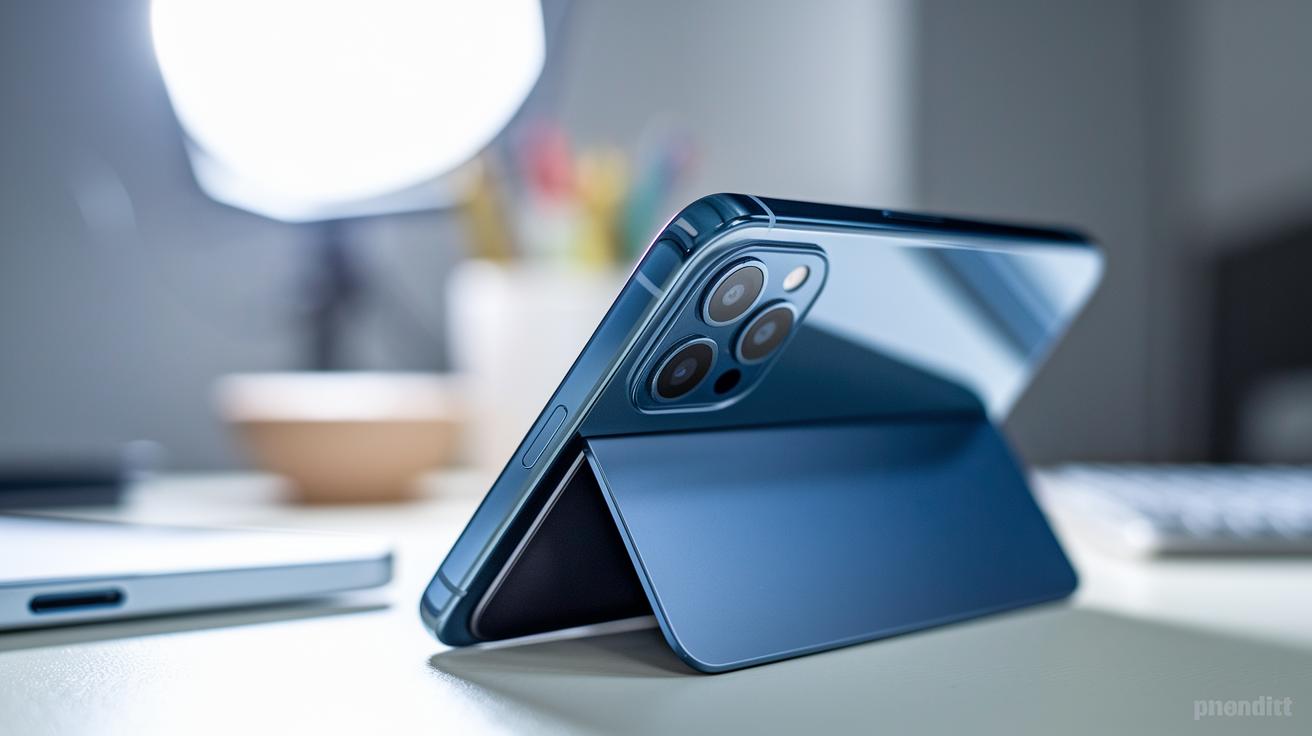
Every flip fold phone hinge is designed to handle everyday use. These hinges are built to withstand thousands of folds while keeping the display neatly aligned. For example, the Samsung Galaxy Z Flip 7 and Z Fold 7 include hinge designs rated for 200,000 folds. In contrast, the Motorola Razr Ultra uses a titanium-reinforced hinge that has been tested to endure 400,000 folds. This level of design shows the thoughtful precision engineers put into these mechanisms for long-lasting performance.
To achieve this durability, manufacturers rely on robust materials like titanium and tough reinforced polymers. These materials work together to support the complex movement of the hinge. Engineers also use advanced sealing techniques that block out dust and moisture. Many devices now achieve water resistance ratings of IPX8 or IP48 by securely sealing every joint. This not only safeguards internal parts but also reinforces the overall strength of the phone.
The consistency of the folding action is maintained by carefully calibrating all moving parts. Tight tolerances and fine engineering reduce unwanted play and distribute pressure evenly when you open or close the device. These thoughtful design details ensure that flip fold phones feel solid in your hand and continue to perform well even after years of regular use.
Flip Fold Phone Displays: Flexible Screen Technology & Improvements
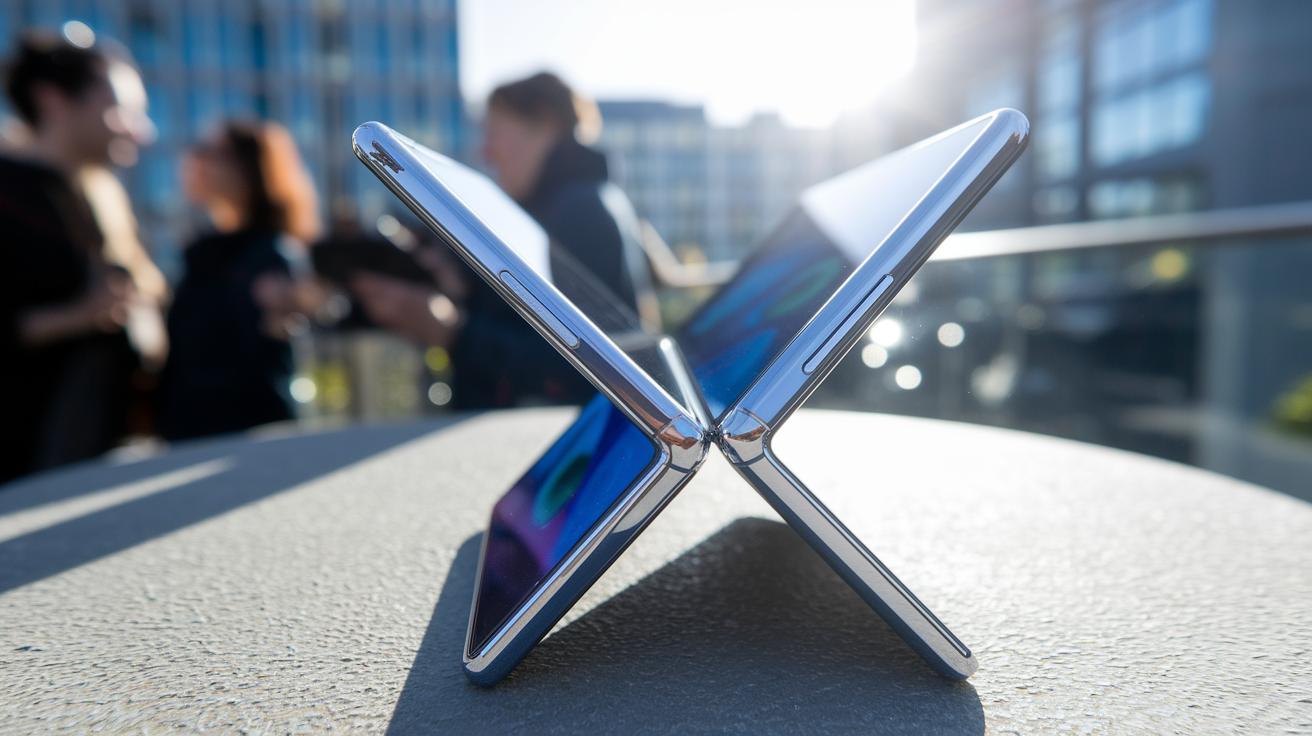
Modern flip fold phones now come with flexible displays made from either ultra-thin glass or lightweight plastic polymers. The inner screen can reach up to 8.0 inches with a 120Hz refresh rate, while the outer cover screens vary from 3.6 to 6.5 inches and can shine brighter than 1,000 nits. This means text and images stay sharp and clear, even in bright outdoor settings.
Advances in engineering have made these screens even better. Early designs had a noticeable crease, but improved hinge magnets and better sealing techniques have nearly erased that issue, making folds almost invisible even after thousands of uses. Rigorous testing shows that these materials now have improved tensile strength and can handle regular bending without wearing out.
Did you know that early prototypes of these displays had major creases? Today's technology blends smart design with long-lasting performance, making flip fold phones a bold choice for anyone who loves innovation.
Flip Fold Phone Performance & Software: Dual‐Mode User Experience
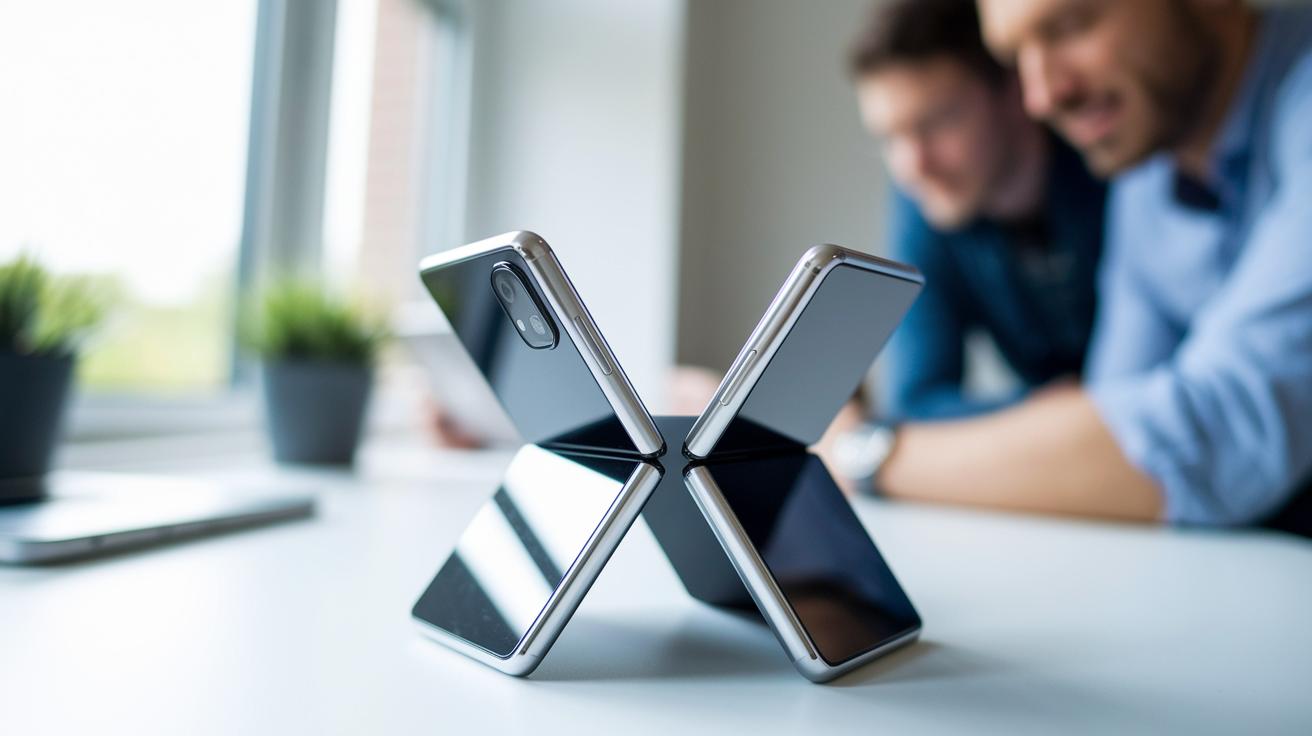
Flip fold phones offer a smooth and practical experience with user-friendly software that changes effortlessly between compact and expanded displays. The Samsung Z Fold 7, powered by the Snapdragon 8 Elite, shows top-notch scores in PCMark and Geekbench, which means apps open quickly and multitasking feels seamless. In contrast, the Z Flip 7 uses an Exynos 2500 in some regions, ensuring everyday tasks run smoothly while providing reliable long-term software support.
The Google Pixel 10 Pro Fold stands out with its clean stock Android interface and Tensor G5 chipset. This setup delivers a responsive experience bolstered by Gemini Live AI features, even if it might not match the speed of Snapdragon-powered devices. Meanwhile, the Motorola Razr 2025 uses the Dimensity 7400x, striking a good balance between impressive battery life and solid performance for those who need day-long endurance without slowing down.
Each model has its own way of handling app transitions between the outer and inner screens. Whether it’s OneUI, MagicOS, or stock Android, the way these interfaces manage app continuity can impact how fast and accurately your apps switch modes. This variation is a key factor in everyday usability and overall satisfaction with dual-mode workflows.
Flip Fold Phone Top Models & Pricing: Key Picks for Every Budget
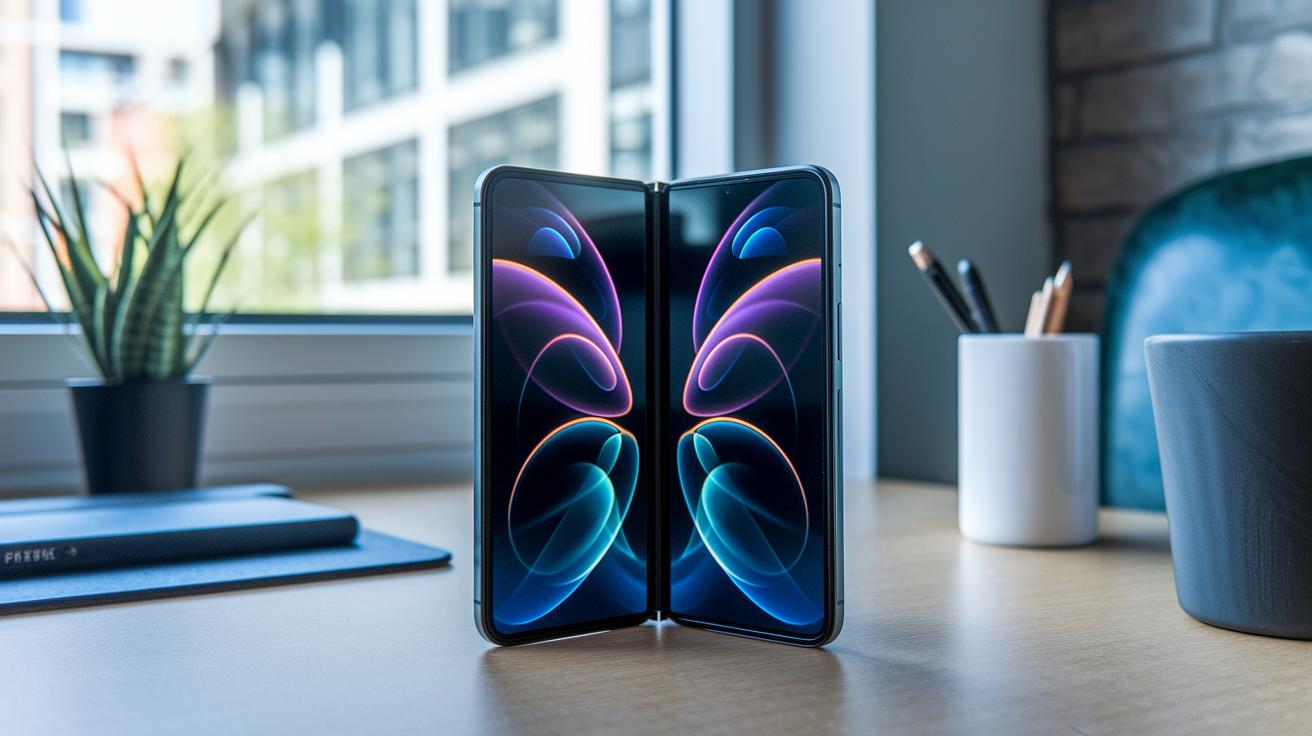
If you’re looking for a flip fold phone that stands out, you’ve got plenty of options. At the top end is the Samsung Z Fold 7, priced at $1,999.99. This model boasts an 8.0-inch inner display and a 6.5-inch outer screen. It’s powered by the Snapdragon 8 Elite processor with 12GB of RAM and features an impressive 200MP camera. Its sleek, notebook-style design and near crease-free flexible screen make it a great choice for multitasking enthusiasts.
If you prefer something more compact, check out the Samsung Z Flip 7 for $1,099.99. It offers a 6.9-inch main display and a handy 4.1-inch cover screen. Running on the Exynos 2500, it provides solid performance, stylish design, and the bonus of long-term software updates.
For those who need a balance between performance and price, the mid-range Google Pixel 10 Pro Fold is a smart pick at $1,499. It features the Tensor G5 chipset along with an IP68 rating, meaning it’s built to be tough. Its clean, stock Android setup makes everyday tasks smooth and simple.
Budget options also shine in this category. The Motorola Razr (2025) is available for $599.99 and offers a 6.9-inch inner display and a 3.6-inch outer screen. Powered by the MediaTek Dimensity 7400x chip, it promises battery life that lasts over 21 hours. Another affordable model is the Nubia Flip 5G at $499, which delivers foldable technology with an efficient design suited for daily use.
Each of these options shows how flip fold phones can cater to everyone, from those wanting top-end features to buyers on a budget who still crave the unique foldable experience.
Flip Fold Phone Buying Guide: What to Evaluate Before Purchase
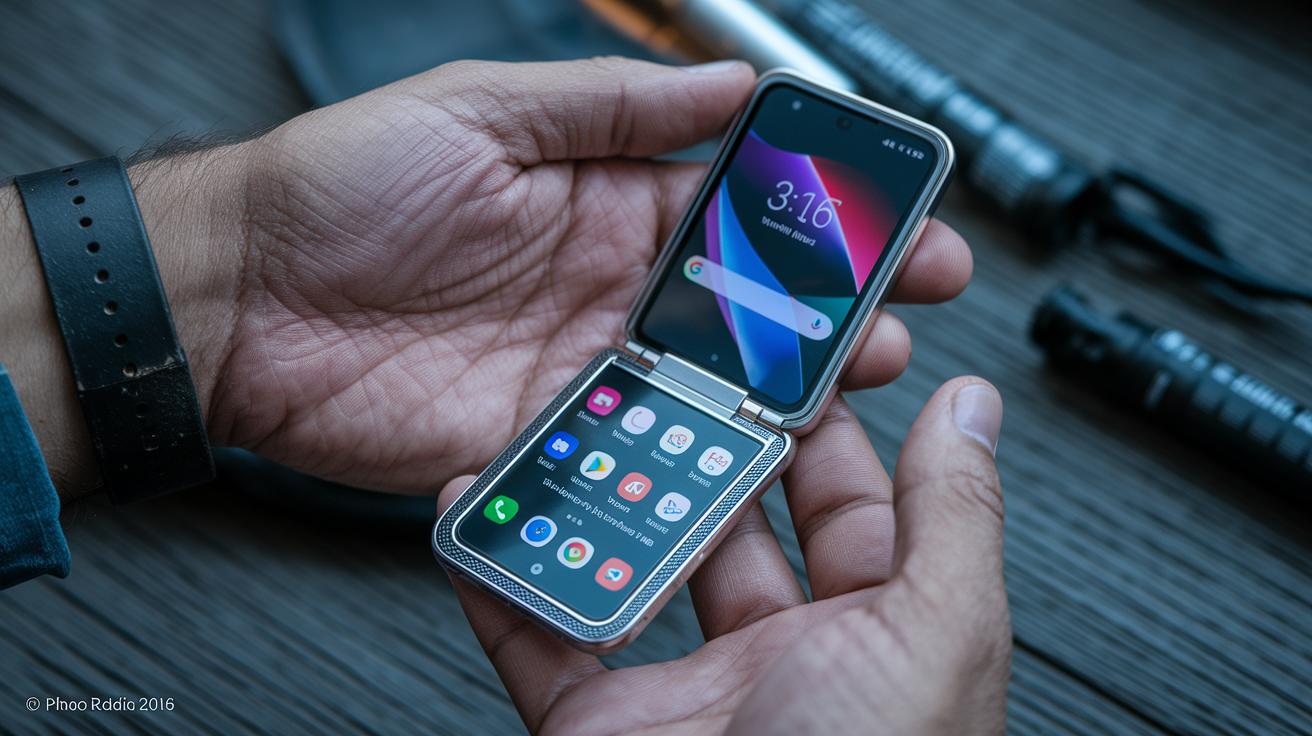
When you're choosing a flip fold phone, keep a few key points in mind. You need a phone that feels strong day after day. Look for a hinge that stands up to more than 200,000 folds and a screen that shows fewer creases even with heavy use. The outer display usually measures between 3.6 and 4.1 inches for everyday checks, while the inner screen offers a fuller, more interactive experience.
Don't forget to check the water and dust resistance ratings. Options like IP68 or IPX8 mean the phone can handle a spill or a bit of dust without trouble. Battery life is a must too, aim for models that easily run for 20 hours with typical use. And a solid update promise, around 4 years, ensures your phone stays secure and up to date.
Also, think about the camera for your daily snapshots and the potential resale or trade-in value down the road.
| Factor | What to Look For |
|---|---|
| Hinge durability rating | Over 200,000 folds |
| Screen crease visibility | Engineered to reduce creases |
| Inner and outer display sizes | Outer: 3.6″–4.1″, Inner: immersive experience |
| Software update support | At least 4 years |
| Battery capacity and endurance | 20 hours typical use or more |
| Water and dust resistance | Ratings like IP68 or IPX8 |
| Price versus trade-in value | Helps offset future costs |
Flip Fold Phone Future Trends & Innovations to Watch
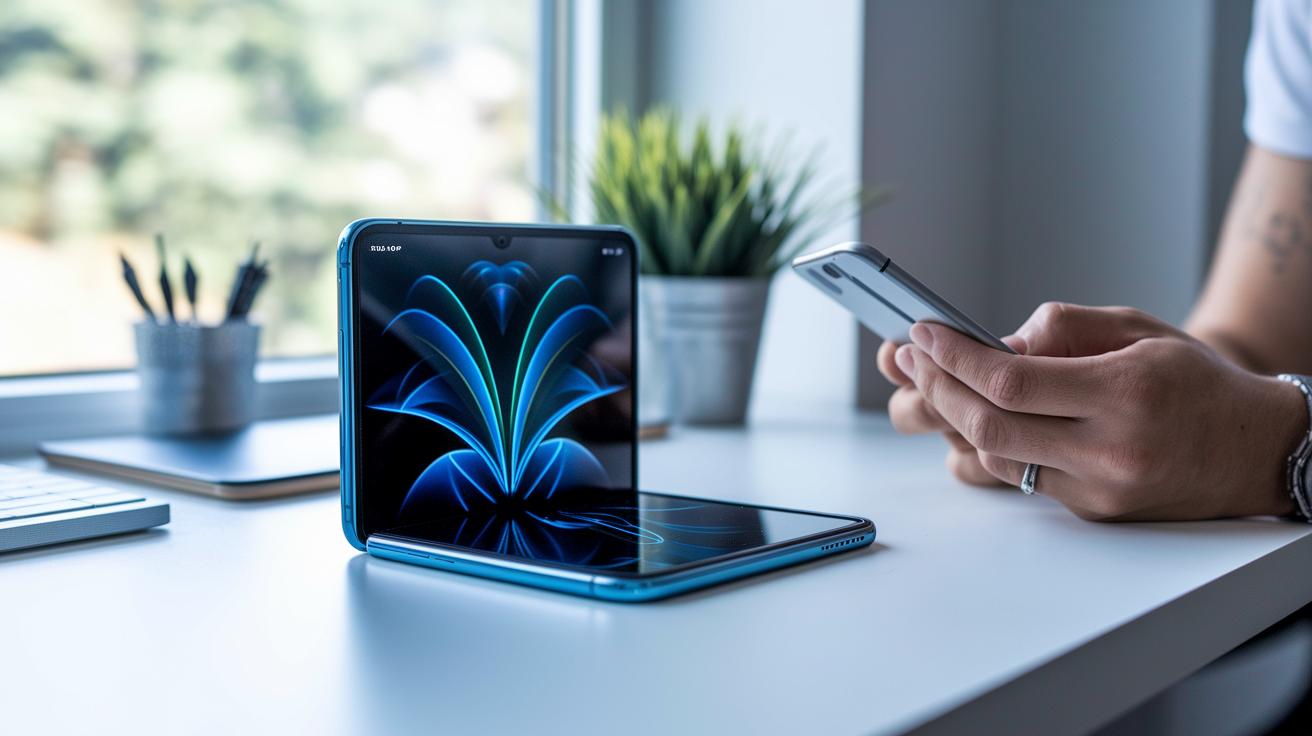
Flip fold phones are set to undergo a major transformation. Rumor has it that Apple might launch its first foldable between late 2026 and early 2027. This device is expected to sport an inner display roughly the size of an iPad mini and carry a price tag of over $2,000, challenging today’s top contenders.
Manufacturers are tackling issues like creases with new hinge designs and experimenting with rollable panels that allow the screen to unfold seamlessly. We can also expect smart AI modes that adjust the display on the fly when switching between dual screens, making multitasking feel natural and smooth.
Another focus is on using next-generation materials. These innovations aim to make flip fold phones both thinner and tougher. Along with this, dedicated accessories like specialized cases and docks are on the way, designed specifically for flexible displays.
In short, these advancements will likely lead to flip fold phones that are slimmer, more durable, and eventually more affordable. This fresh approach means a smartphone that adapts effortlessly to our everyday lives, setting a new standard in mobile technology.
Final Words
In the action, we explored the flip fold phone’s compact dual-display design, comparing clamshell and book-style models. We examined how robust hinges and flexible screens offer practical usability and solid durability for everyday tasks. Key performance benchmarks and software insights provided a clear picture of smart buying strategies while highlighting future trends in flexible tech.
Our analysis aims to help you make informed choices. The evolving flip fold phone stands ready to deliver a fresh, practical experience worth checking out.
FAQ
Q: What is a flip fold phone from Samsung?
A: A flip fold phone from Samsung features a clamshell design that folds vertically, offering both a larger inner display and a handy outer screen, making it compact enough for one-handed use and pocket storage.
Q: What is the price range of flip fold phones and which ones are the most affordable?
A: Flip fold phone pricing ranges from about $499 for budget models like Nubia Flip 5G to over $1,100 for premium devices such as the Samsung Z Flip 7, reflecting differences in features and build quality.
Q: Which design is better: flip or fold?
A: The choice between flip and fold designs depends on user needs. Flip designs (clamshell) are pocket-friendly, while book-style folds offer larger workspaces, so your needs for portability versus screen size will guide the decision.
Q: What is considered the best foldable phone, and how does the Razr compare to the Z Flip?
A: The best foldable phone varies with priorities. The Razr impresses with its stylish, durable hinge, while the Z Flip is celebrated for its robust performance and design. Your choice ultimately depends on balancing aesthetics with functionality.
Q: Why is the Z Fold 4 so expensive?
A: The higher price of the Z Fold 4 stems from its advanced hinge technology, larger internal display, premium materials, and high-end performance components that together deliver an exceptional multitasking and media experience.
Q: What Samsung Galaxy foldable models are available?
A: Samsung offers several Galaxy foldable variants, including the Z Fold series (Fold 4, Fold 5, Fold 6, Fold 7) and the Z Flip series (Flip 6 and Flip 7), catering to different screen size preferences and performance needs.
Q: Where can I buy flip fold phones and are OPPO models available?
A: Flip fold phones are available on major retail platforms like Amazon, and OPPO also offers foldable models, providing options that combine stylish design with innovative functionality suited to various budgets.
Q: What fold phone innovations can we expect by 2025?
A: Fold phone innovations by 2025 are predicted to feature thinner designs, reduced screen creases, improved battery life, and smarter dual-screen functionalities, offering even more practical and enhanced user experiences.