
Ever wonder if dropping a hefty sum on a flagship smartphone is really worth it? Many of these devices start at around $700 and can top $1,200, yet they come with fast processors, top-notch cameras, and batteries that easily last through a busy day. In this review, we take a close look at real-world performance and everyday benefits to see if these premium smartphones truly deliver extra value. We break down key features, pricing trends, and overall value so you can decide if splurging a bit more fits your daily needs.
Flagship Smartphone Value for Money Overview
Flagship smartphones usually come with a high price tag. When they launch, you're looking at spending between $700 and over $1,200. For instance, the Pixel 8 started at $699, the Pixel 9 kicks off at more than $799, and models like the Galaxy S25 Ultra can hit $1,199. Even though you pay more upfront, these phones pack smart features that earn their price. Seasonal discounts can cut costs by 15% to 25% so that, for example, the Pixel 8 might drop to about $599, making these high-end phones a bit more accessible.
We see value in a few key areas:
- Processor: The Pixel 8 runs on a Tensor G3 chip with 8 GB of RAM. This setup handles everyday browsing, multitasking, and some light gaming without slowing down.
- Camera: These phones sport advanced camera systems. They shine in low light and use smart software to boost photo quality.
- Battery: While battery sizes differ, many flagship models comfortably last a full day even if you push them hard.
- Software Updates: Phones like the Pixel 8 promise Android updates and security patches until 2030, so you stay current longer.
- Display: With high-refresh-rate OLED screens, you enjoy sharp images and vibrant colors.
- Build Quality: The mix of metal and glass not only looks premium but also feels sturdy in your hand.
In real-world use, these features help explain why many flagship smartphones offer solid value despite their higher price.
Performance vs Price: Benchmarking Flagship Smartphones
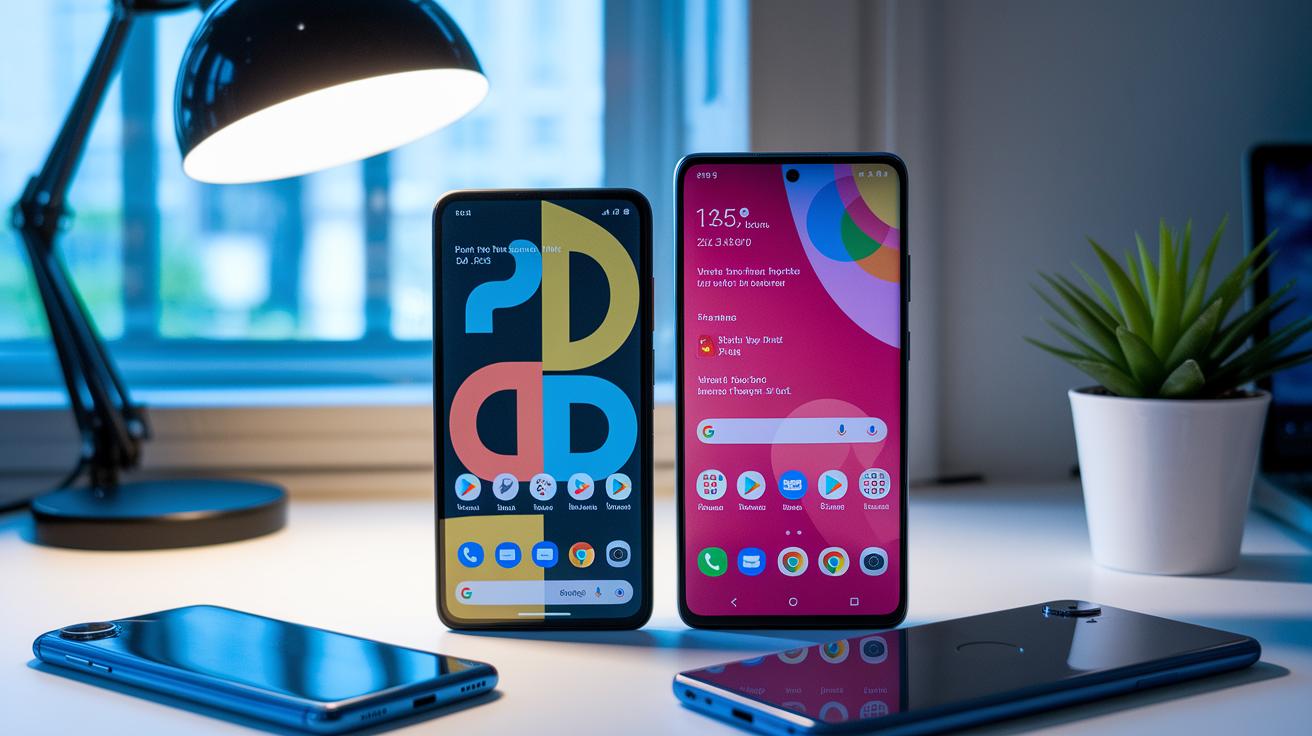
The Pixel 8, running on Google’s Tensor G3 with 8 GB RAM, handles social media and light gaming smoothly. It runs everyday apps effortlessly even when you push it hard. On the other hand, the Galaxy S25 Ultra, powered by Snapdragon 8 Elite, scores higher in multi-core tests, making it a smart option if you need extra processing power. Even older flagship models keep about 90% of their peak performance after a price drop, meaning you still get a lot of bang for your buck. Mid-range phones like the Moto G Play 2026, which use the Unisoc T606 chip, may fall about 40% behind in lab tests, but they manage daily tasks just fine.
| Device | Chipset | RAM | Antutu Score |
|---|---|---|---|
| Pixel 9 | Tensor G4 | 8 GB | 750,000+ |
| Pixel 8 | Tensor G3 | 8 GB | 650,000 |
| Galaxy S25 Ultra | Snapdragon 8 Elite | 12 GB | 820,000+ |
| Moto G Play 2026 | Unisoc T606 | 4 GB | 380,000 |
Our review shows that even though the Pixel 9 sets the bar high, the Pixel 8 still offers a great performance-to-cost ratio. In short, today's flagship devices deliver solid benchmarks even when they come at a more attractive price.
Camera Value Analysis in Flagship Smartphones
Flagship smartphones justify their steeper prices by packing in advanced camera systems that mix large sensors, multiple lens choices, and smart photography features to make everyday shots look amazing. Take the Pixel 8, for instance. It features high-end computational photography that works wonders in low light and captures a wide range of brightness. Its HDR+ and Super Res Zoom (you can check out innovative features here: https://techtallyhq.com?p=1471) give images a clear boost compared to cheaper phones. And then there’s the Pixel 9, which improves on all that with a brighter main sensor and a refined ultrawide lens to capture even more detail.
Meanwhile, budget phones like the Moto G Play stick with a single 32 MP sensor. That sensor performs well in bright settings but loses some detail if you crop your photos. In contrast, flagship models offer more versatility with multiple lenses (wide, ultrawide, telephoto, and depth), optical zoom up to 10x, and optical image stabilization that smooths out any shakes. Add in advanced AI post-processing and you get the option of recording video in stunning 4K or even 8K for those who demand the best video quality.
| Feature | Benefit |
|---|---|
| Larger sensors | Capture clear, detailed shots even in low light |
| Multiple focal lengths | Offer versatile shooting options from wide to telephoto |
| Optical image stabilization | Ensures smoother, shake-free handheld photos |
| Advanced AI post-processing | Enhances images automatically for better quality |
| 4K/8K video capture | Delivers ultra-high video clarity |
Battery Life and Charging Efficiency: Cost-Benefit Perspective
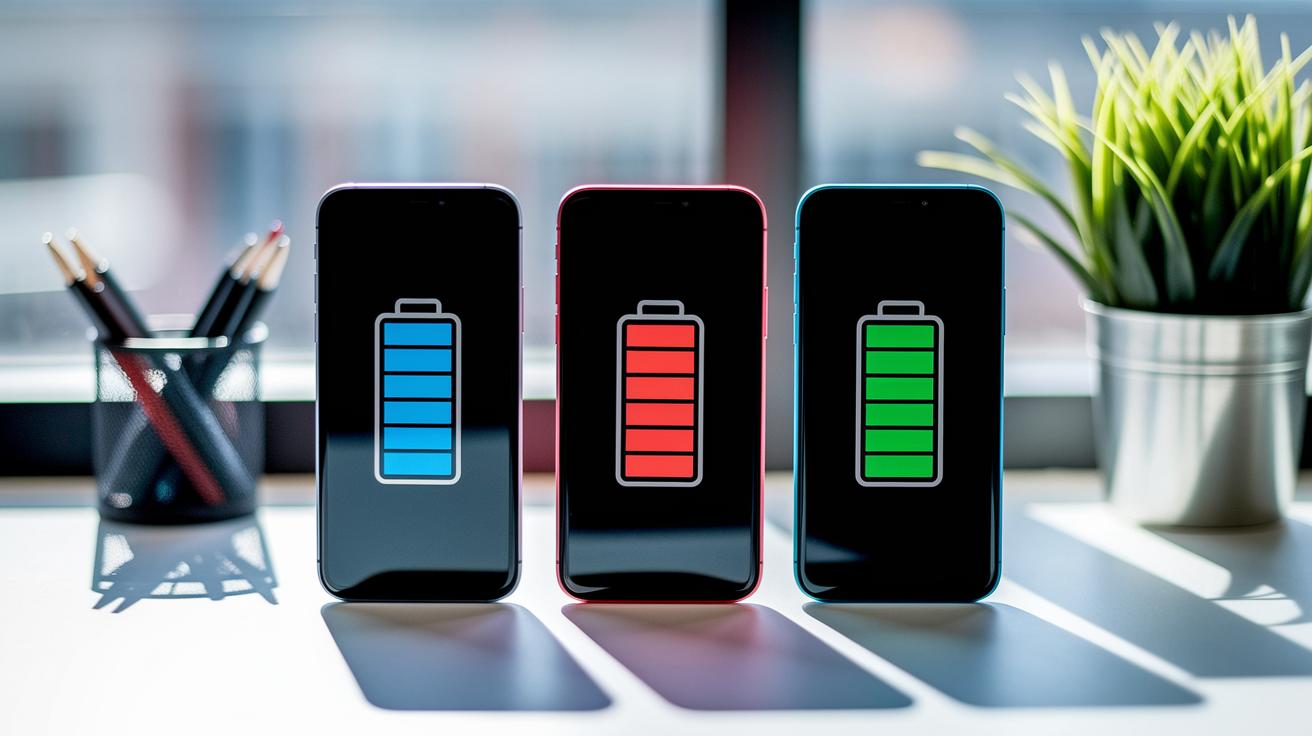
When it comes to battery life and charging, every minute counts, and the differences between flagship and budget models show up fast. Take the Moto G Play: its 5,000 mAh battery can run up to 48 hours, which is impressive for its price. By comparison, the Pixel 8, with a slightly smaller 4,355 mAh battery, handles around 24 hours of moderate use. That’s just enough to get you through a normal day without unexpected shutdowns. Meanwhile, the Galaxy S25 Ultra also sports a 5,000 mAh battery, but its runtime falls between 30 and 36 hours.
Charging speed plays a big role in how much you can actually use your device without waiting around. The Pixel 8 features 27 W fast charging, while the Galaxy S25 Ultra steps it up with 45 W. These faster rates cut downtime significantly. Plus, many high-end phones now include 12 W wireless charging and even reverse wireless charging, adding extra convenience when you’re on the go.
Battery capacity upgrades from one year to the next are pretty modest, around a 5% to 10% increase. This tells us that the real gains in battery endurance and charging efficiency come from a well-balanced design rather than just a bigger battery.
Display and Build Quality vs Retail Cost
Flagship phones pack OLED screens that hit over 1,200 nits, making visuals pop even under bright sunlight. With 120 Hz adaptive refresh and HDR10+ support, transitions feel smooth and colors burst with vibrancy, whether you're watching video or scrolling through your photos. Imagine a screen that outshines the sun, delivering crisp, lifelike images every time you tap the display.
On the other hand, budget models like the Moto G Play use a 6.7″ 720p LCD running at 60 Hz and only reaching about 450 nits. You can really tell the difference during everyday tasks. Flagships also stand out with premium materials. They use Gorilla Glass Victus 2 and feature aluminum or stainless steel frames that not only look refined but also work hard to protect against drops. Take the Galaxy S25 Ultra, for example, it ups its game with Armor Aluminum framing for better drop resistance.
While these top-tier components push the retail price higher, they bring a noticeable boost in display quality and build durability. For those who value a top-notch visual experience and a sturdy design, the extra cost makes a lot of sense.
Software Support and Longevity: Value Proposition Over Time
Software updates keep your phone safe and current, which means you don't have to replace it as often. For example, the Pixel 8 gets seven years of Android and security updates until 2030. That means you'll enjoy new features and strong protection for nearly a decade. Samsung, on the other hand, offers four major Android upgrades and five years of security patches on its flagship models, which helps keep them secure and responsive. Mid-range phones usually get only two major Android updates and three years of security patches, so they might feel outdated sooner.
This long-term support not only protects your digital life but also makes your money go further by delaying the need for a replacement. Continuous software improvements and security fixes boost performance over time, which increases the phone's overall value. When you invest in a flagship device, you're choosing a smart buy that stays reliable well into the future.
Comparative Cost Analysis: Last-Year Flagship vs Current Flagship
Flagship smartphones deliver top performance, but even small price differences can really change the overall value. The Pixel 8 launched at $699 and now often sells for about $599 during seasonal deals, helping you save up to $200. On the other hand, the Pixel 9 starts at $799. It comes with a display that is 15% brighter and features a few improved AI camera functions, but the everyday experience stays almost the same. In simple terms, last year's flagship gives you nearly the same design, processing power, and software support as the latest model but at a lower cost.
High-end models like the Galaxy S25 Ultra begin at $1,199 and see little price drop early on. Choosing a Pixel 8 can offer big savings without cutting corners on performance. This cost-benefit view shows that older flagships still hold a strong price-performance balance. Seasonal promotions and accumulated savings make previous-generation models very appealing for budget-conscious buyers.
In the end, this analysis proves that opting for a last-year flagship provides clear cost benefits, letting you enjoy quality features and reliable performance without paying the premium price of the newest release.
Flagship vs Mid-Range: Value-For-Money Comparative Study
| Feature | Mid-Range (Moto G Play 2026) | Flagship |
|---|---|---|
| Price | ~$180 | $720–$1,080 |
| Battery Life | Comparable endurance in tests | Optimized with premium hardware |
| Display | LCD with basic clarity | High-resolution with vivid details |
| Camera | Single-camera setup for essentials | Versatile multi-lens arrangements |
| Software Updates | Less frequent | Smoother, regular rollouts |
| Build Quality | Function-focused construction | Refined design with premium materials |
| Performance | Sufficient for everyday tasks | Handles intensive apps and multitasking |
This clear-cut side-by-side chart lays out the main differences without repeating details from earlier sections. It shows that while mid-range devices, like the Moto G Play 2026, focus on essential performance and value, flagship models offer extra perks, such as enhanced camera setups and build quality, that could be attractive if you want more than basic functionality.
Final Words
In the action, we reviewed how premium smartphones hold up against their price tags. We covered performance, camera strengths, battery endurance, build quality, and software longevity. Each section compared benchmarks and user experience, giving a clear look at high-end features versus mid-range options. Seasonal deals and last-year flagships can also offer a smart balance of features and cost. This flagship smartphone value for money analysis shows that with the right choice, great tech performance comes with practical savings. Enjoy exploring these options and finding the ideal device for your needs.
FAQ
What do analyses like the Reddit discussion and Samsung reviews reveal about flagship smartphone value for money in 2022?
These analyses show flagship phones offer premium performance, camera quality, and build materials, with seasonal price drops making them better deals over time despite a high initial cost.
What do ranked lists like the Top 10 or Top 30 best phones in the world indicate?
Ranked lists review phones by balancing features, performance, and design, providing consumers with guidance on the most competitive models available across different years and price points.
What are the options for cheap smartphones under $50?
Cheap smartphones under $50 typically offer only basic functionality, suitable for essential calls and messaging but lacking the advanced features, speed, and durability of higher-priced models.
Which smartphones offer the best value for money and hold their resale value?
Smartphones that balance top-tier processing, cameras, software support, and build quality generally offer superior value for money, with brands like Apple and Samsung noted for maintaining higher resale values over time.