
Ever worried that a sleek design might mask a fragile build? In today’s world, your phone needs both style and durability. We check every detail, from solid metal frames to tough glass that stands up to everyday use. Our hands-on tests with flagship smartphones show you exactly how well their design holds up during daily life. The takeaway? Beauty and strength can go hand in hand, ensuring you get a device that's as reliable as it is eye-catching.
Comprehensive Build Dissection and Design Critique for Flagship Smartphones
When we review flagship smartphones, we put them through tough lab tests and real-life use to check every detail of their design and build. We look at how durable the materials are, how comfortable the phone feels in your hand, and how precise its construction is so it can handle your everyday routine. Take the Google Pixel 10 Pro XL, for example. Its CNC-milled metal alloy frame paired with Gorilla Glass Victus gives it a premium feel. Testers found the software runs smoothly and the design is well-balanced, one even said holding it felt almost custom-made for one-handed comfort.
Meanwhile, the Samsung Galaxy S25 Ultra shines with its rock-solid chassis and sturdy build, which neatly houses a large battery and an advanced camera module. Its design isn’t just about looking bold; it boosts durability and everyday usability. Every component is carefully checked so that even the most aggressive design elements don’t reduce its structural strength.
Adding another twist to the conversation is the iPhone 17 Pro Max, which brings a fresh redesign and a surgical-grade steel frame into the mix. It shows that cutting-edge style and tough endurance tests can go hand in hand without losing elegance or performance. Every detail, from the tactile side rails to the seamlessly integrated buttons, has been carefully engineered to give you a device that feels both substantial and refined in daily use.
Glass-Metal Construction and Aluminum Build Material Evaluation in Flagship Models

These days, flagship phones mix high-quality materials to boost both style and strength. Manufacturers have gotten creative with smart material choices that make devices feel solid and last longer.
For example, the Galaxy Z Fold 7 uses slim, flexible glass teamed with tough polymer layers. This combo gives the phone a clear look while standing up to regular wear and tear.
The Pixel 10 Pro XL features a metal alloy frame made with precision CNC milling and is topped with Gorilla Glass Victus. It delivers a premium feel you can notice right away.
Even more budget-friendly models like the CMF Phone 2 Pro use glass-reinforced nylon to achieve a high-end finish without the high price.
| Material | Example Device | Key Benefit |
|---|---|---|
| Foldable Glass & Polymer | Galaxy Z Fold 7 | Ultra-thin design with reinforced clarity |
| Anodized Aluminum | Motorola Razr Ultra | Enhanced hinge durability with composite back |
| Gorilla Glass Victus & Alloy | Pixel 10 Pro XL | Premium feel and precise construction |
| Glass-Reinforced Nylon | CMF Phone 2 Pro | Flagship finishes at budget price |
These material choices not only add a touch of luxury but also improve comfort during daily use. The well-considered mix of glass, metal, and engineered polymers helps ensure that each flagship model meets high standards for both build quality and design.
Durability Testing, Water Resistance, and Scratch Resistance Analysis for Flagship Handsets
Flagship smartphones get real-world tests to see how they hold up against spills, bumps, and everyday wear. For instance, the Samsung Galaxy S25 Ultra earns its IP68 rating after rigorous water and dust trials, proving it can handle splashes and tiny particles. Meanwhile, the Samsung Galaxy Z Fold 7 is praised for its sturdy hinge, yet it hasn't received an official dust-resistance certification, leaving a bit of uncertainty for those in harsher conditions. The ASUS ROG Phone 9 Pro, on its part, undergoes extra military-grade drop and vibration tests to make sure it survives long gaming sessions and regular knocks. These hands-on tests help reveal both the strengths and weak spots of each device, so you know what to expect when you invest.
The testing process follows a set of clear protocols that mimic everyday mishaps and controlled lab conditions. These steps include:
| Test | Purpose |
|---|---|
| Drop tests | Check impact resistance |
| Torque tests | Assess structural stability |
| Water immersion | Verify water resistance under controlled conditions |
| Scratch hardness | Determine resistance to everyday scratches |
| Temperature cycling | Test endurance in varying temperatures |
| Hinge lifespan | Evaluate durability of moving parts |
Using these well-defined tests alongside standards like those for IP certifications gives manufacturers a complete picture of each device's toughness. It also helps them fine-tune the design, ensuring that even with advanced features, the build quality stands up to daily use and the occasional rough treatment.
Ergonomic Engineering and Sleek Form Factor Analysis in Flagship Smartphones

High-end smartphones are built for everyday comfort. For example, the iPhone Air is only 5.64 mm thin and keeps a well-balanced feel centered on its A19 Pro chip, making it easy to use with one hand. The Google Pixel 10 Pro follows this design, with a compact shape that fits perfectly in your hand for quick, single-handed tasks. Every curve, button, and edge is carefully planned to feel natural during long hours of use.
Smartphone makers are also focusing on reducing weight. The Samsung Galaxy Z Fold 7, for instance, is the lightest foldable device available, weighing under 250 g when closed. This design choice eases hand fatigue and gives the phone a nearly weightless feel when opened. Slim bezels and well-placed buttons add to a modern and comfortable design.
Taking minimalist styling even further, the OnePlus 15 uses a silicon-carbon composite to lower its chassis weight while still offering long-lasting battery performance. This mix of smart engineering and sleek design shows how flagship models are made not only to look good but also to be a pleasure to hold and use.
Industrial Styling, Cutting-Edge Aesthetics, and Luxury Finish Appraisal in Flagship Phones
Flagship smartphones today are more than just devices, they're showcases of refined design and tactile innovation. Take the iPhone 17 Pro Max, for example. It sports textured side rails and a frosted glass back that feel both elegant and sturdy. The OnePlus 13 follows suit with a soft gradient matte finish and a small, discreet camera bump that keeps things modern without overdoing it. Every curve and surface is carefully considered to deliver both visual appeal and a comfortable grip.
The Motorola Razr Ultra steps up by offering eye-catching, Pantone-inspired colors within its foldable design, giving a playful twist to a traditional concept. Meanwhile, the ASUS ROG Phone 9 Pro puts gamers in the spotlight with customizable RGB lighting and design accents that scream high performance and style. These innovations show that high-end phones can combine raw power with a luxurious finish, appealing to users who want the best of both worlds.
Overall, these design choices are about more than just looks. Manufacturers are focusing on fine details and new materials to create a premium feel from the first touch. Textured surfaces, vibrant colors, and smart accent choices come together to make smartphones that are as appealing to the eye as they are robust in everyday use.
Frame Robustness Analysis and Precision Fabrication Review for Premium Smartphones
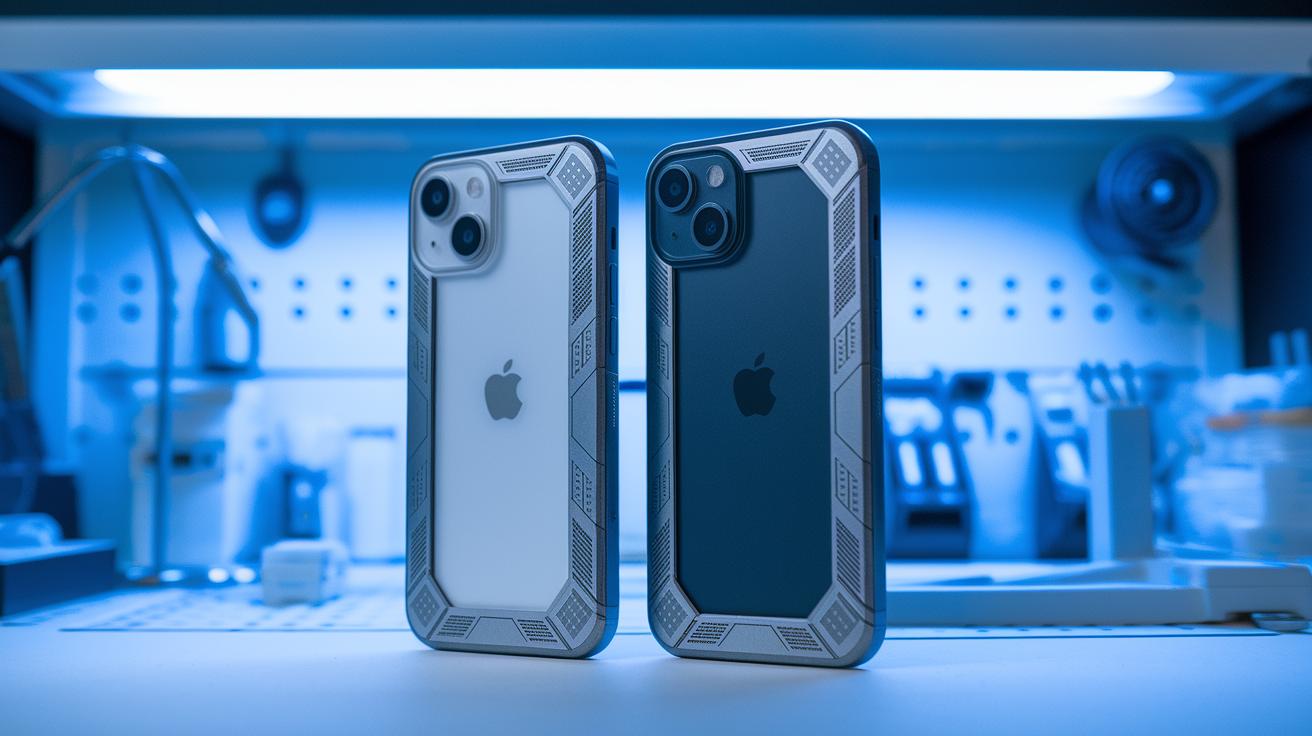
Recent lab tests show these smartphones maintain tight joint tolerances and barely flex under everyday use. In this section, we dive deeper into lab findings that back up the build quality points discussed earlier.
Both the iPhone 17 Pro Max and Google Pixel 10 Pro XL excelled in stress tests. The iPhone's polished stainless steel band barely moved, while the Pixel’s CNC-milled frame kept its seams even under dynamic handling.
Additional tests on the Samsung Galaxy S25 Ultra and Galaxy Z Fold 7 confirmed their durability. The S25 Ultra’s treated aluminum frame resisted surface scratches beyond normal wear, and the Fold 7’s hinge proved strong during extended endurance trials, handling hundreds of thousands of folds.
Comparative Premium Feature Breakdown and Design Innovation Overview of Top Flagship Models
The Pixel 10 Pro XL, Galaxy S25 Ultra, and iPhone 17 Pro Max all show off distinct design choices and high-quality materials. Each model is carefully built to balance weight, durability, and a premium feel that meets everyday needs.
The Galaxy Z Fold 7 really stands out with its clever hinge that transforms the phone into a tablet-like device when needed. Meanwhile, the OnePlus 15 uses a silicon-carbon frame that keeps its weight low without sacrificing strength. The Pixel 10 Pro XL also impresses, thanks to an AI-driven design that makes it more intuitive for everyday use.
Together, these flagship devices mix smart engineering with quality finishes, giving you a range of options to match premium style with reliable, daily performance.
Final Words
In the action, we examined how flagship devices hold up through real-world tests and lab evaluations. We broke down durability, ergonomics, and aesthetics to show what users can expect in everyday use.
Our review provided insights into material choices and long-term reliability. This flagship smartphone design and build quality review ties together practical observations with clear buying advice, leaving you confident and ready to choose your ideal device with a smile.
FAQ
What does the Samsung flagship smartphone design and build quality review assess?
The Samsung review assesses material durability, ergonomic feel, and precision construction using both lab tests and real-world use to confirm a premium experience.
What are the top best phone lists like the top 10 best phone, top 5 best phone, and best Android phone 2026?
These lists rank devices based on cutting-edge design, durability, performance, and premium components, providing a snapshot of standout models in various categories and upcoming trends.
Which phone brand has the best build quality?
The phone brand with the best build quality typically stands out by using premium materials, precision fabrication, and rigorous testing, with brands like Samsung, Apple, and Google often leading in overall robustness.
What is the difference between a flagship phone and a smartphone?
A flagship phone embodies the top-tier model from a manufacturer with advanced features and luxury design, while a regular smartphone may focus on affordability and essential functionality.
What is special about flagship phones?
Flagship phones offer state-of-the-art materials, innovative design, and superior performance due to meticulous testing and refined engineering, marking them as premium choices in the market.
Which mobile company has the best display quality?
Some mobile companies, particularly Samsung, are known for their excellent display quality thanks to advanced screen technology, genuine color accuracy, and consistent performance in various lighting conditions.