
Imagine your smartphone snapping photos as crisp as those from a professional DSLR. We spent two weeks testing top flagship models to see which one delivers the best everyday photography experience. We looked at how each phone handles bright daylight details and low-light clarity in real-life shooting conditions. Our review breaks down the performance you can expect so you can pick the phone that truly fits your photography needs.
flagship smartphone camera performance review: Stellar shots
We spent two weeks putting top flagship camera phones to the test to see how they handle everyday photography. I looked at how each phone captures details, handles zoom, and uses special imaging features. Our focus was on models that work well in different lighting and shooting styles, so you can easily pick the phone that fits your photography needs.
We tried phones with pixel-binned high-resolution sensors and smart, AI-driven camera enhancements. The goal was to feature cameras that offer everything from strong low-light performance to impressive telephoto zoom, ensuring a solid match for various shooting scenarios.
- Samsung Galaxy S25 Ultra: 200MP main sensor pixel-binned to ~12 MP
- iPhone 17 Pro/Pro Max: 48 MP telephoto with 4× optical zoom
- Honor Magic 8 Pro: 50 MP OIS primary with 200 MP macro periscope
- Xiaomi 15 Ultra: 1″ Leica-branded sensor with 200 MP telephoto
- Google Pixel 10 Pro: AI-driven zoom for detailed shots
- Oppo Find X9 Pro: 200 MP Hasselblad periscope offering 9 cm macro
- Tecno Camon 40 Premier: Premium triple-camera at a competitive price
| Model | Main Sensor | Telephoto | Special Imaging Feature |
|---|---|---|---|
| Samsung Galaxy S25 Ultra | 200MP (pixel-binned to ~12 MP) | N/A | High-resolution detail |
| iPhone 17 Pro/Pro Max | N/A | 48MP 4× optical zoom | High-quality cropping |
| Honor Magic 8 Pro | 50MP OIS | N/A | 200MP macro periscope |
| Xiaomi 15 Ultra | 1″ Leica sensor | 200MP telephoto | Creative low-light shots |
| Google Pixel 10 Pro | 50MP | N/A | AI-driven zoom |
| Oppo Find X9 Pro | N/A | 200MP periscope | 9 cm macro focus |
| Tecno Camon 40 Premier | N/A | N/A | Cost-efficient premium imaging |
flagship smartphone camera hardware specifications deep dive
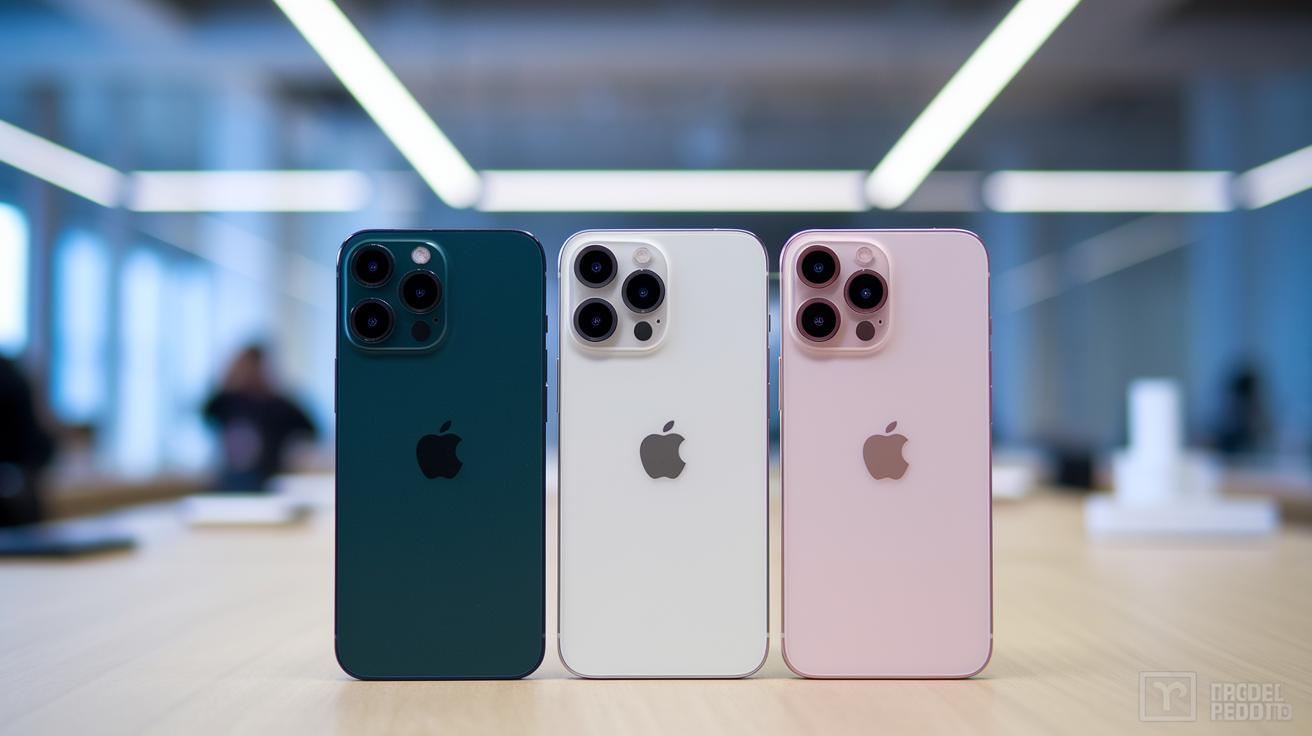
Flagship smartphones pack a serious punch when it comes to camera gear. For example, Samsung’s Galaxy S25 Ultra comes with a 200 MP ISOCELL HP2 sensor. It combines 16 pixels into one (called 16-in-1 pixel binning) to output a clean 12.5 MP image at f/1.7, which helps capture sharp photos even when the light isn’t ideal.
The iPhone 17 Pro takes a balanced route with a 48 MP main sensor that groups four pixels together and an 18 MP TrueDepth front camera. This mix provides great resolution while keeping noise low. Meanwhile, the Honor Magic 8 Pro uses a 50 MP Sony IMX900 sensor with optical image stabilization at f/1.6, plus a separate 200 MP periscope module that nails those detailed macro shots.
Xiaomi 15 Ultra isn’t far behind either. It uses a 1″ IMX989 sensor with Leica optics at f/1.9 and supports a 200 MP telephoto lens, adding extra versatility to its photography suite.
Each smartphone also ups its game with extra lenses. Oppo’s Find X9 Pro, for instance, includes a 200 MP 3× periscope telephoto unit at f/2.3 that makes long-range shots crisp and clear. Meanwhile, the Pixel 10 Pro features a 50 MP main sensor in a 1/1.31″ format, with added ultra-wide and macro modules that allow for creative angles and super close-up detail.
When it comes to sensor sensitivity, finding the sweet spot between high ISO performance and manageable noise is key. Devices like the S25 Ultra and Honor Magic 8 Pro excel in higher ISO settings, while the iPhone 17 Pro and Pixel 10 Pro keep noise down in shadowy scenes. This careful calibration means users can expect reliable performance regardless of the lighting conditions.
flagship smartphone camera imaging quality analysis
In our color accuracy tests, images created through pixel binning from high-resolution 200 MP sensors – which produce files around 12 to 16 MP – showed very natural colors. For instance, the iPhone 17 Pro consistently reproduced skin tones and ambient scenes accurately, even under tricky lighting.
We also checked how well the cameras handle both bright and dark areas in the same shot. The S25 Ultra, with its stacked sensor design, maintained detail in both highlights and shadows. Meanwhile, the iPhone 17 Pro’s ProRaw mode delivered a dynamic range that can compete with entry-level mirrorless cameras, making it easier to fine-tune images later.
To measure detail preservation, we zoomed in on the images at full size. Phones with Hasselblad calibration kept textures and edges sharp. The results show that these cameras hold onto fine details without making photos look soft or over-processed.
Additionally, noise control in shadow areas remains strong. Advanced processing helped keep dark regions clear and reduced grain even when shooting at higher ISO levels.
flagship smartphone camera low-light performance evaluation
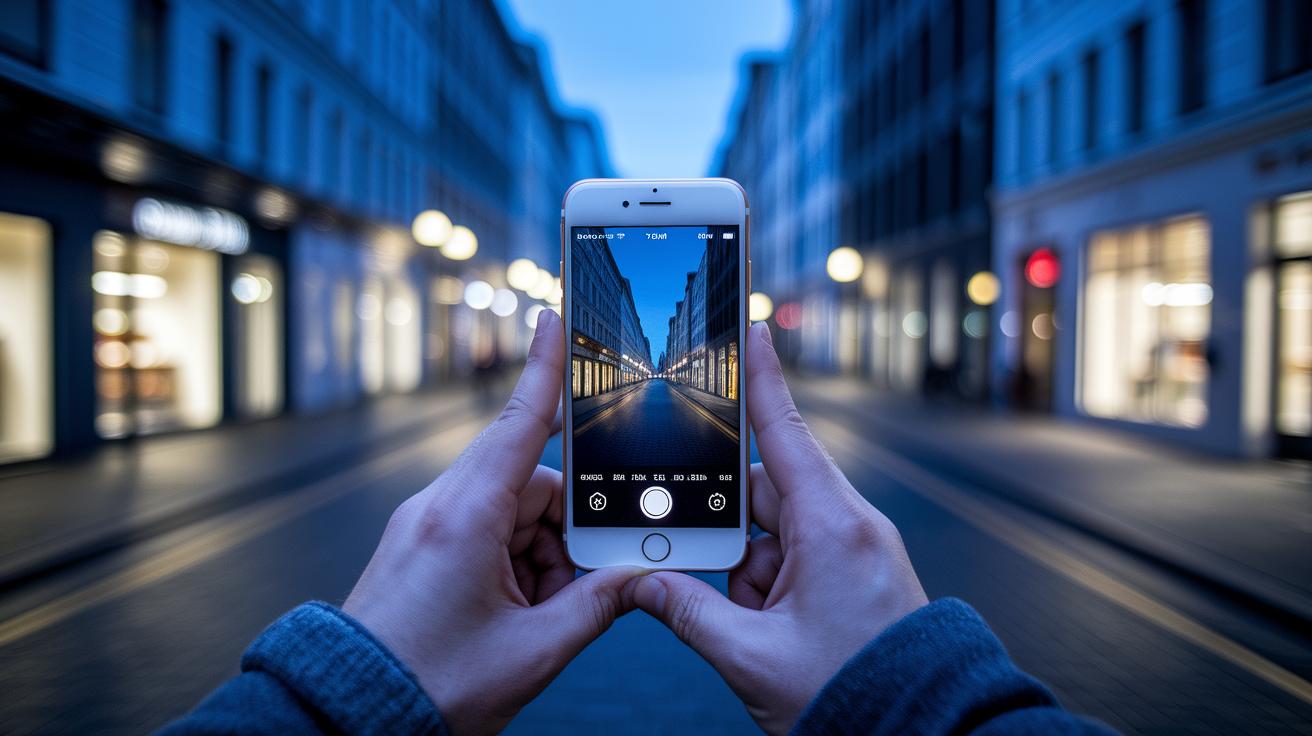
We put each phone through a series of low-light tests to see how they handle urban street scenes, indoor setups, and evening landscapes. Our approach was simple. We set up each device with consistent lighting and stable settings to capture its best performance in the dark. We focused on key specs like the aperture (how wide the lens opens), optical image stabilization (which helps keep images sharp), and how well each phone’s dedicated night mode worked.
| Model | Aperture | OIS | Night Mode Highlights |
|---|---|---|---|
| S25 Ultra | f/1.7 | Yes | Enhanced Nightography on main and ultra-wide |
| iPhone 15 Pro Max | f/1.5 | Yes | Low-light Portrait mode for smoother details |
| Magic 8 Pro | f/1.6 | Yes | Dedicated 200MP macro periscope for night clarity |
| Pixel 10 Pro | f/1.8 | Yes | Multi-frame night algorithms with extended exposure blending |
| Xiaomi 15 Ultra | f/1.9 | Yes | Large 1″ sensor excels in low-light performance |
Every device showed clear improvements in controlling noise, which means images stayed sharp even when it was really dark. The mix of careful aperture settings and smart multi-frame processing minimized grain and kept details crisp. These tweaks make a big difference for anyone snapping photos at night, ensuring that images come out with natural textures and little noise in shadow areas.
flagship smartphone camera video capabilities review
Flagship smartphones are taking video recording to the next level with a mix of resolutions and frame rates. For example, the iPhone 15 Pro Max lets you capture LOG footage at 4K60 and adds a Cinema Mode for portrait videos. This means your videos come out clear and smooth even when the lighting isn’t perfect.
The Samsung S24 Ultra also impresses with its options, offering 8K30 and 4K120 video modes, and it uses dual-telephoto stabilization to keep everything steady. The Vivo X100 Ultra stands out by using its Blueprint Imaging Chip V3+ to deliver 4K cinematic portraits at 30 fps. Meanwhile, the Pixel 10 Pro relies on real-time stitching to produce smooth 4K video, and the OnePlus 13 delivers solid 4K60 through its primary lens along with electronic image stabilization.
Across all these models, video color accuracy and dynamic range are key priorities. Advanced processing helps produce natural colors and keeps details intact even in high-contrast scenes. Many of these systems also come with special modes like LOG recording for more editing flexibility later, slow motion to capture a moment perfectly, and portrait video to add a creative twist to your shots. These features not only improve everyday recordings but also turn flagship smartphones into handy tools for those serious about filmmaking on the go.
flagship smartphone camera software and AI enhancements critique

Flagship smartphones are raising the bar by refining how photos are taken and processed. They use smart software techniques like AI-powered upscaling, smart HDR, and merging multiple frames to ensure even tricky lighting doesn't stop you from getting a great shot.
Pro mode advanced controls analysis
When you switch to pro mode on devices like the iPhone 17 Pro, you unlock a world of manual controls. You can adjust settings such as shutter speed and ISO and choose ProRaw output for higher-quality images with a broader range. Quad-pixel processing helps keep images sharp, even when you're manually tweaking settings. OnePlus also steps in with its freeform lens algorithm to reduce distortions in ultra-wide shots, giving you extra creative freedom. By capturing rich raw data, you have more room to adjust tones and contrasts later on.
HDR stacking & multi-frame noise reduction
HDR stacking and multi-frame processing play a big role in boosting image quality. The Pixel 10 Pro, for example, uses Super Res Zoom with AI detail upscaling to merge several frames. This process increases the dynamic range and reduces noise, making your images smoother. Vivo's Blueprint Imaging Chip V3+ works in a similar way by capturing and merging multiple images in one go to create balanced exposure and lower noise levels. These methods bring out richer shadow details and clearer highlights while delivering vibrant color transitions.
After you capture your image, built-in editing tools and filters let you quickly tweak color, exposure, and contrast. This means your final photo can closely match your creative vision with minimal extra effort.
flagship smartphone camera lens tests and specialized features
Flagship phones have ultra-wide lenses that keep the whole frame sharp, even near the edges. Take the S25 Ultra, for example. Its ultra-wide lens offers a 120° view and stays clear at the edges, so you get natural, straight lines throughout the shot. Fun fact: a single lens can capture an entire room in great detail, much like a panoramic view at a live concert.
Telephoto lenses also deliver impressive results, especially when you need a good zoom. The Oppo Find X9 Pro comes with a 200 MP periscope lens that stays crisp even when shooting subjects as close as 9 cm. Similarly, the Xiaomi 15 Ultra features a 5× optical zoom along with a 50 MP hybrid macro mode, ensuring your photos remain detailed at different distances.
Macro lenses really shine when you want to capture small details up close. The OnePlus 13 has a dedicated macro mode that uncovers textures and fine details you might otherwise miss.
On the other hand, the iPhone 17 Pro uses dual telephoto lenses to create a beautiful background blur, or bokeh. This effect helps separate your subject from the background, adding depth to portraits and creative shots.
flagship smartphone camera field testing and user experience evaluation
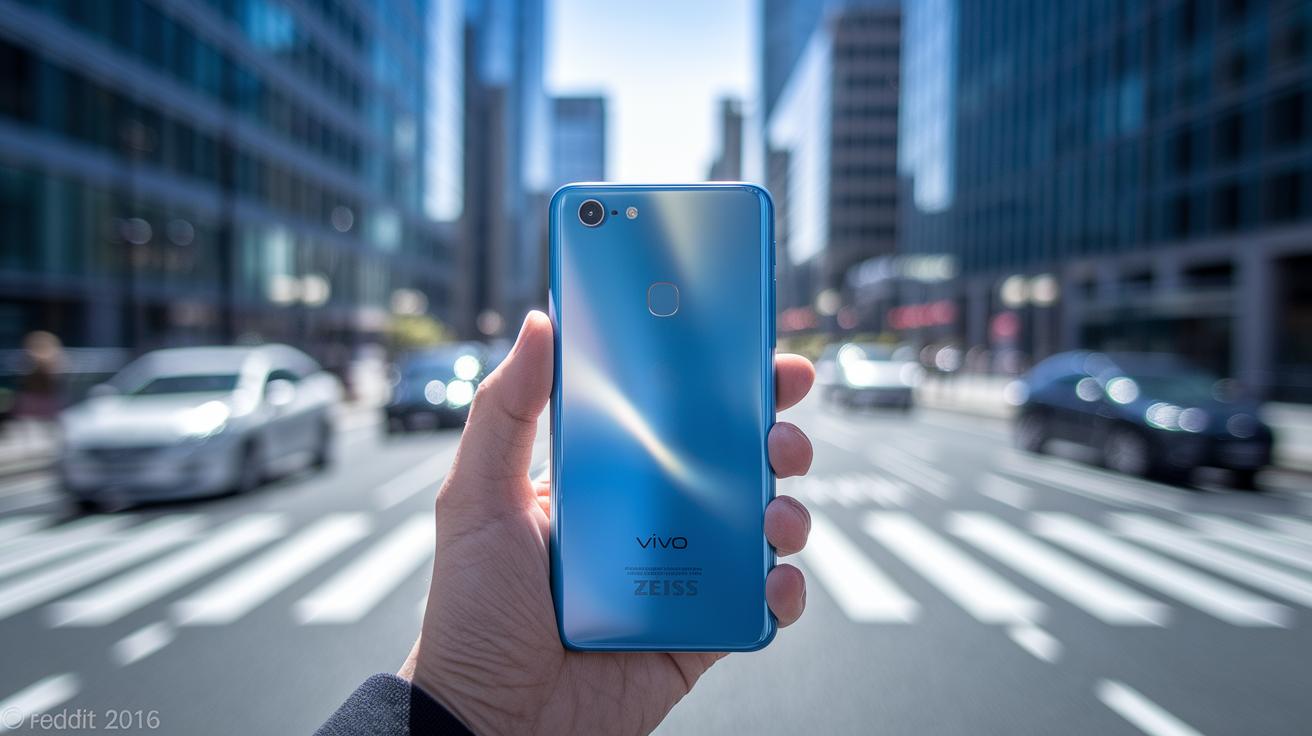
We tested the cameras for more than two weeks in various settings like daylight, low-light, portrait, action, macro, and video. Our aim was to see how each device handled real-life conditions, from lively city streets to calm indoor spaces. The Vivo X100 Ultra, featuring Zeiss optics and a Blueprint chip, delivered excellent image quality time and again.
We also focused on how easy the cameras were to use. We looked at each app's layout and how quickly you could change settings on the fly. A smooth screen transition with almost no delay is key when you're trying to capture a spontaneous moment.
We checked how fast the autofocus kicked in and how well the exposure stayed balanced. Most phones kept subjects clear and evenly lit. While recording in 4K for long periods, the battery dropped about 20% per hour. Despite this, the devices managed heat well enough to keep up their performance.
Final Words
In the action, we put top flagship models through real-world tests covering sensor details, low-light capture, video, and software enhancements.
We compared dynamic range, color accuracy, and specialized features across the leading smartphones. Our review shows that each model offers a unique balance of power and practicality. This flagship smartphone camera performance review helps clarify which device meets your everyday imaging needs.
Enjoy capturing your moments with confidence and choose the device that truly fits your shooting style.
FAQ
Q: What are some of the top camera phones available worldwide?
A: The top camera phones worldwide include models like the Samsung Galaxy S25 Ultra, iPhone 17 Pro/Pro Max, Honor Magic 8 Pro, Xiaomi 15 Ultra, Pixel 10 Pro, Oppo Find X9 Pro, and Tecno Camon 40 Premier, all offering advanced imaging features.
Q: How does Samsung’s flagship camera performance compare to others?
A: Samsung’s Galaxy S25 Ultra features a 200 MP sensor with pixel binning for impressive low-light performance and dynamic range, making it a strong competitor against other flagship models.
Q: Can current camera phones offer DSLR-quality photos?
A: Modern devices such as the iPhone 17 Pro and Xiaomi 15 Ultra deliver DSLR-quality photos using advanced sensors and processing, capturing detailed images with improved dynamic range and excellent clarity.
Q: Which upcoming camera phones are expected to lead in performance for the future?
A: Future models, including anticipated best camera phones for 2026, are expected to use cutting-edge sensors and AI enhancements, building on today’s flagship performance to deliver even more refined imaging.
Q: Which Android phone offers both excellent camera performance and battery life?
A: Android models like the Samsung Galaxy S25 Ultra combine top-notch camera features with efficient power management, ensuring robust imaging performance alongside extended battery endurance for heavy use.
Q: What are reliable options for a best camera smartphone under 20000?
A: Affordable options such as the Tecno Camon 40 Premier deliver premium imaging capabilities and versatile shooting modes at a price point well under 20000, providing great value for budget-conscious buyers.