
Ever wonder if a steep price tag really means you're getting the best phone? Flagship smartphones pack powerful processors, state-of-the-art cameras, and stylish designs for top performance. In this guide, we break down the key features, from camera systems to screen quality, so you can see which models offer the best bang for your buck. We even include a simple checklist to help you compare specs and pick a phone that fits both your lifestyle and budget. Get ready to make a smart choice when the next big flagship drops.
Flagship Smartphone Buying Guide: Stellar Picks
Flagship smartphones are the best each year. Manufacturers use top-quality materials and the latest tech to create these standout devices. They power up with high-end processors like the Snapdragon 8 Elite or Apple A18 Pro. Add in multi-lens camera systems, bright OLED screens, and solid water resistance, and you have a phone that can keep up with almost any task.
We use a clear checklist to compare these models. This approach helps you zero in on what matters, whether it's snapping great photos, enjoying smooth gaming, or staying productive on the go. A detailed look at the specs might reveal subtle differences in performance or design that aren’t obvious at first glance. This way, you can weigh the trade-offs to pick a phone that fits both your expectations and your budget.
- Processor & RAM
- Display type & refresh rate
- Camera system & stabilization
- Battery capacity & charging speed
- Software support & update policy
- Build materials & water resistance
- Storage options
- Connectivity (5G, Wi-Fi 6E)
Using these points gives you a clear picture of each device's strengths and weaknesses, so you can confidently choose a flagship phone that delivers on performance and lasting satisfaction.
Performance Benchmarking and Processor Speed in Flagship Smartphones
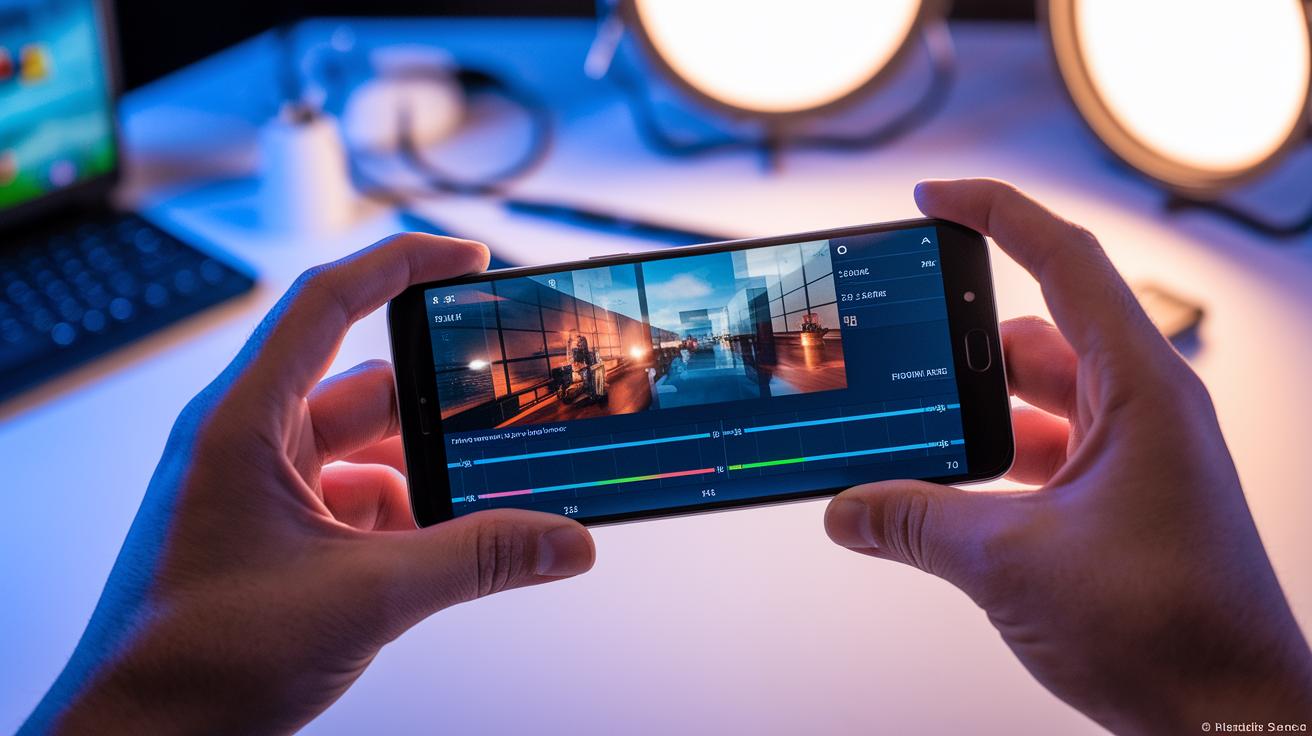
The processing power inside your phone affects everything from smooth gaming to fast video editing and reliable multitasking. If you're playing advanced games or editing vibrant 4K videos, you need a chipset that works fast and accurately. Flagship phones are built to handle demanding tasks without lag, so checking processor speed details is important if you want a device that can easily keep up with creative work or power-hungry apps.
Top smartphones usually use chipsets like Snapdragon 8 Elite, Apple A18 Pro, or Tensor G4. Using tests such as Geekbench 6, these chips show single-core scores that sit around 2,400 to 2,600. Multi-core results can go from 7,800 to 8,500, proving their strength in multitasking. They also come with 8 to 16 GB of RAM to keep background apps running smoothly and manage high-resolution content. A phone with 16 GB of RAM, for example, can tackle 4K video editing and AR gaming without a hitch.
When you match these numbers against your daily needs, whether you're a content creator juggling multiple editing tools or someone who runs several intensive programs, the specs give a clear picture. By comparing processor speeds and RAM, you can see which flagship smartphone is ready to handle your real-world demands.
Camera Quality and Advanced Imaging Features in Flagship Phones
Many people think that more megapixels mean better photos, but that's not the full story. Other factors like sensor size, lens opening, and steadying mechanisms make a huge difference in how clear and sharp your pictures turn out, whether you're in bright sunlight or low light.
Main Camera Systems
Flagship phones typically use large sensors (about 1/1.4″ to 1/1.3″) paired with lens openings between f/1.6 and f/1.8. These phones often use a trick called pixel binning to improve pictures in dim conditions. They also come with optical image stabilization, which helps prevent blurry photos when you're moving. Together, these features deliver smoother and more dependable results than what the megapixel number alone might indicate.
Ultra-Wide and Telephoto Lenses
Many top-tier phones include extra lenses to widen your shooting options. Ultra-wide lenses give you a broader scene, sometimes covering angles from 12° up to 120°. Meanwhile, telephoto lenses let you zoom in on far-off subjects, offering either true optical zoom or a combination of optical and digital zoom that ranges from 3x to 10x. The stabilization on these lenses also helps keep your shots clear even when zoomed in.
Video Recording Modes
When it comes to video, these phones have you covered. They often support high-quality video modes like 4K at 60 frames per second and even 8K at 30 frames per second. Some models offer cinematic options with HDR10+ and slow-motion features that enhance the look of your videos without losing color detail. This means you can record stunning videos in various lighting, whether you're indoors or out.
Matching these camera capabilities to your needs helps ensure you get a phone that performs well for both still photos and video. Whether you're into vlogging, capturing sunsets, or zooming in on distant details, these advanced features are designed to deliver a top-notch experience in real life.
Display Technology Breakdown: OLED vs LCD and Refresh Rate Benefits
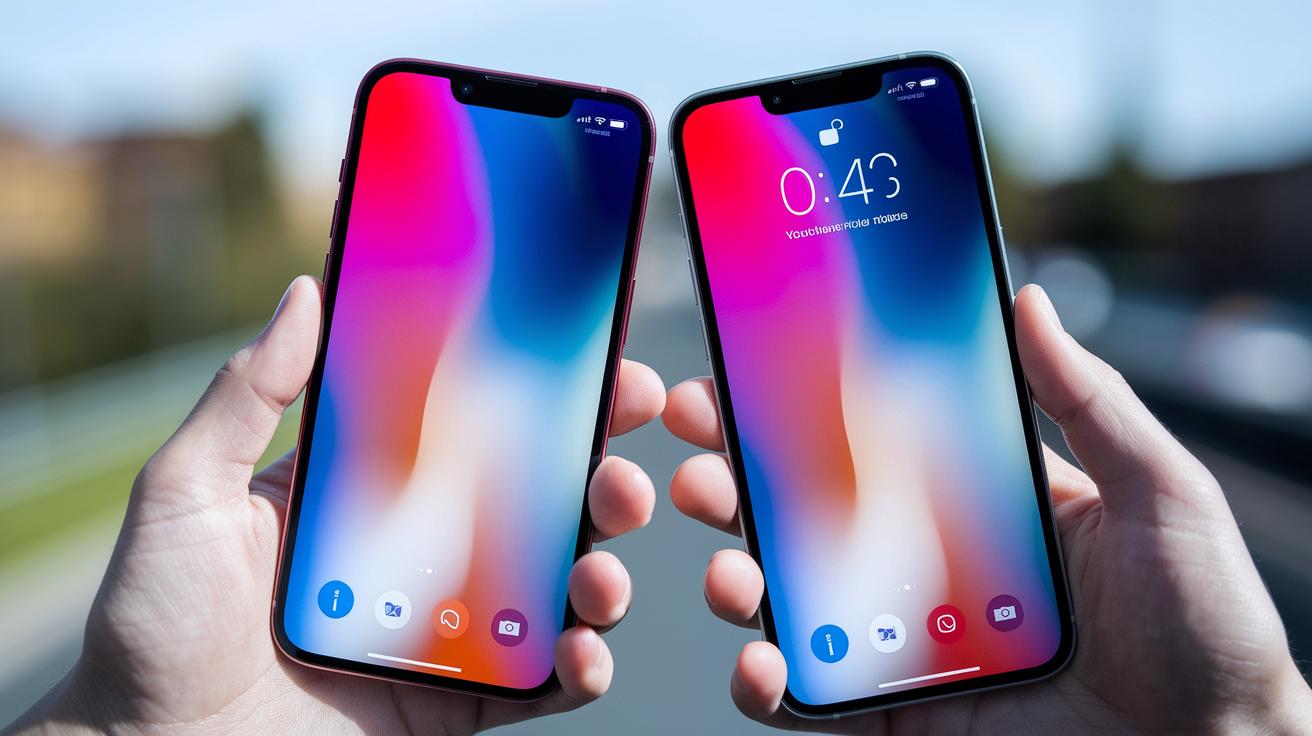
OLED screens light up your world with bright colors and deep contrasts. They hit around 1,200 to 1,600 nits and offer a contrast ratio above 1,000,000:1. In simple terms, they show blacks that are truly dark and colors that pop. LCD screens, which use a backlight for every pixel, usually offer less contrast and use more power. This is why flagships tend to lean toward OLED; they give you a better viewing experience even when the light outside varies.
Here’s a quick look at the main features to consider:
| Feature | Detail |
|---|---|
| Panel Type | OLED vs. LCD |
| Peak Brightness | 1,200–1,600 nits |
| Refresh Rate | Typically 120–144 Hz for flagships |
| Resolution | Options like FHD+, QHD+, 4K |
| Color Gamut | Wide coverage (DCI-P3) |
| Protection | High Gorilla Glass ratings |
Flagship smartphones with OLED displays and high refresh rates make animations look smooth and jitter-free, which is great for games and long video marathons. The advanced resolutions, from 1440p to 4K, mean movies and detailed graphics always look sharp. Plus, impressive color ranges add life to every image, and tough screen protection helps out during your outdoor adventures. All these factors combine to make these devices ideal for competitive gaming, immersive video streaming, and clear outdoor visibility under bright sun.
Battery Life Evaluation and Charging Features in Flagship Devices
Battery capacity is important, but it doesn't always mean you'll get a full day of use. Even though some phones list batteries between 5,000 mAh (like the Pixel 9 Pro XL) and 6,000 mAh (as seen in some split-cell designs such as the OnePlus 13), real life depends on factors like how bright the display is set, how hard the processor works, and what software tweaks are in play. In our tests, screen-on time typically falls between 5 and 8 hours, so that big number only tells part of the story.
Fast charging is a real game changer. Many high-end phones offer wired fast-charge options from 65 W up to 120 W. This means you can quickly top up your battery even if you're putting heavy use on your phone. Wireless charging usually provides up to 50 W and, while it may take a bit longer, it offers a handy alternative for everyday life. Additionally, reverse wireless charging (usually around 10 to 15 W) lets you power small accessories on the go. Which charger you get in the box can vary from one manufacturer to another.
Battery performance isn't just about numbers, though. How a phone manages heat during intensive tasks also matters a lot. Some devices offer extreme battery saver modes that can stretch runtime up to 100 hours by shutting down background activities. Balancing rapid charging with long-term battery health revolves around how well a phone can handle heat during those fast charging sessions. When you shop, keep these details in mind to choose a phone that meets both your endurance and quick recharge needs.
Software Experience, Updates, and Connectivity in Premium Smartphones

A smooth software experience is key for keeping a high-end smartphone running at its best. Phone makers now promise 4 to 5 years of OS upgrades, from Android 14 to Android 19 or iOS 18 to iOS 22, to not only extend the life of your phone but also boost its performance and protect it from new threats.
Regular OS upgrades mean you'll regularly get new features and performance tweaks. Over time, you'll notice a more responsive interface, smarter power management, and better camera software that keeps your phone feeling fresh long after you buy it. Side-by-side comparisons of different OS versions show real improvements that make it easier for you to handle changing digital needs.
Connectivity is just as important. Top-tier smartphones work with both Sub-6 and mmWave 5G bands, delivering real-world download speeds between 200 and 600 Mbps. They also come with dual-SIM or eSIM options along with extras like Wi-Fi 6E and Bluetooth 5.3, ensuring solid and reliable network performance. Plus, features like in-display fingerprint sensors and Face ID keep your device secure while making everyday tasks a breeze.
Pricing Strategy, Value Comparison, and Trade-In Tips for Flagship Phones
When you buy a flagship phone, you’re looking at a cost of around $900 up to over $1,600. But here’s the reality: these top-tier devices can drop in value by 20% to 30% within just a few months. It’s smart to look beyond the sticker price and think about how quickly the phone might lose its resale value. In many cases, a mid-range phone offers about 70% to 80% of the performance of a flagship for roughly half the cost.
Timing is key when considering trade-in programs. We’ve found that the best trade-in offers typically come about 1 to 2 months before a new model launches. At that point, your current device still holds significant value before newer gadgets make it less attractive. It really pays off to compare offers, as carrier buyback programs and manufacturer credits can differ by 10% to 20%. Keeping your phone in good condition and holding on to original accessories can boost your negotiating power even more.
Deciding whether to buy on launch day or wait a few months is all about weighing trade-offs. Launch day buyers get immediate access to the latest technology, which is great if you want the newest features right away and can afford the premium price. However, waiting a little while often saves money thanks to the steep early depreciation and may even bring better trade-in deals. Your choice depends on whether you value having the latest tech immediately or if you’re looking to get the best overall value for your money.
Top Flagship Smartphone Models of 2024: Expert Comparisons
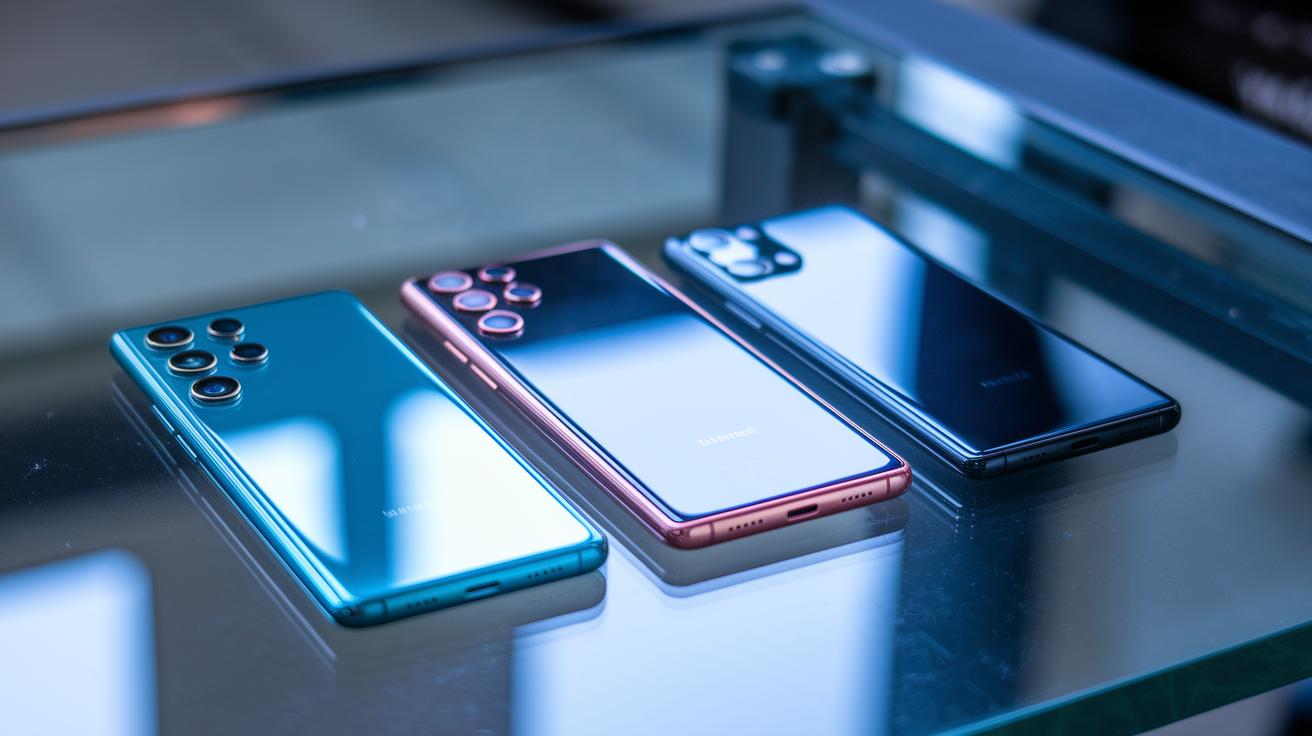
Looking for the ultimate premium smartphone? We've broken down this year's best flagships so you can easily pick the one that fits your lifestyle, whether you love snapping photos, need a powerhouse for work and gaming, or want a balanced all-rounder.
Below is a quick guide to each model's key features and specs:
| Model | Processor & RAM | Battery & Charging | Camera Highlights | Launch Price |
|---|---|---|---|---|
| Samsung Galaxy S24 Ultra | Snapdragon 8 Gen 3, 12 GB RAM | 5,000 mAh, fast charging | Quad-camera system, enhanced OIS | $1,299 |
| iPhone 16 Pro Max | A18 Pro chip, 6 GB RAM | Efficient power management | 48 MP main sensor, cinematic modes | $1,199 |
| Google Pixel 9 Pro XL | Tensor G4, 12 GB RAM | 5,060 mAh, fast wireless charging | Intelligent adaptive imaging | $999 |
| OnePlus 13 | Snapdragon 8 Gen 3, 8 GB RAM | 6,000 mAh dual-cell, 80 W fast charge | Versatile multi-lens setup | $899 |
| Xiaomi 15 Ultra | Snapdragon 8 Gen 3, 12 GB RAM | 5,410 mAh, fast charging | Leica-tuned sensor array | $1,099 |
Experts suggest that if photography is your priority, the Xiaomi 15 Ultra and iPhone 16 Pro Max are top picks thanks to their refined camera systems. For a smooth experience in productivity and gaming, we recommend the Samsung Galaxy S24 Ultra or the OnePlus 13, both of which deliver robust performance. Meanwhile, the Google Pixel 9 Pro XL provides intelligent imaging and all-around solid hardware, making it a dependable choice for most users.
Essential Accessories and Protection for Flagship Smartphones
When you're picking out add-ons for your flagship phone, the first thing to consider is the display. A tempered glass screen protector with a 9H hardness keeps your phone safe from everyday bumps and scratches while still looking clear and vibrant. Next, choose a case that fits your style and needs. Whether you like a sleek silicone feel, a refined leather touch, or a rugged TPU for extra shock absorption, there's an option for you. Many new flagship phones even come with magnetic accessory systems, making it simple to attach extra lenses or wireless charging docks.
Don't forget about power and protection, too. Using a certified USB-C cable rated at 100 W helps your phone charge quickly without overheating or damaging the cable. And consider an extended warranty, which is usually around $120 a year. This extra plan can cover accidental damage and give you peace of mind. By taking care of these details, you not only protect your investment but also boost your everyday phone experience.
Final Words
In the action, we dissected every critical aspect of top flagship smartphones, from design and performance benchmarks to camera quality and battery life. We walked through display specs, software support, and pricing strategies while sharing insights on accessories that keep these devices running at their best.
This flagship smartphone buying guide aims to help you make a well-informed decision that fits your needs. The journey was practical, and the future looks bright with these high performers in your grasp.
FAQ
Q: What are the top best phones in the world, including lists like top 5, top 10, and top 30?
A: The best phones are ranked by experts based on design, performance, camera quality, and battery endurance. These lists help users identify devices that meet a range of needs.
Q: What does a flagship phones list include?
A: A flagship phones list features premium models built with high-end materials, top-tier processors, advanced cameras, high-refresh displays, and robust software support to deliver a balanced performance.
Q: Which smartphone is considered the best overall or the number one phone in the world?
A: The best overall smartphone varies by user priorities but often spotlights models like the latest iPhone or Galaxy series, praised for their performance, design, and comprehensive feature set.
Q: What can we expect from the best smartphones in 2026?
A: Best smartphones in 2026 are expected to evolve current flagship trends, featuring upgraded processors, improved camera systems, brighter displays, and more efficient battery technology for enhanced everyday use.
Q: Which brands are recognized as the top best phone brands in the world?
A: Top phone brands include Apple, Samsung, Google, Xiaomi, and others. They consistently deliver flagship models that excel in design, reliability, and performance, meeting varied consumer demands.