
Ever wondered if your phone could handle a deep-water plunge? A waterproof phone is built tough with sealed ports, water-repellent coatings, and strict water-resistance tests. These features work together to protect your device from spills, dust, and shocks during sudden rainstorms or busy days out and about. In this article, we break down what makes a waterproof phone truly reliable. We'll show you how every detail adds up to give you extra protection and durability when you need it most.
Core Attributes Shaping Waterproof Smartphones
Waterproofing gives your phone an extra edge, protecting it from everyday mishaps like spills, dust, and minor bumps. With these built-in defenses, your smartphone is ready to handle unexpected splashes and outdoor conditions without skipping a beat. Manufacturers use a mix of standard tests and special materials to build phones that last, whether you're on a busy workday or enjoying a weekend adventure.
Here’s what goes into making a phone waterproof:
- IP classification for dust and water ingress
- Sealed ports with O-ring gaskets
- Hydrophobic coatings on both inner and outer surfaces
- Rigorous tests for submersion and shock
Each feature plays its part. The IP rating shows just how well the phone resists water and dust. Sealed ports stop water from sneaking in, and hydrophobic coatings push moisture away at a microscopic level. Tough testing simulates real-life conditions to catch any leaks before the device reaches you. Together, these elements create a reliable shield that keeps your phone safe in wet conditions.
In-Depth IP Rating Certification for Waterproof Smartphones
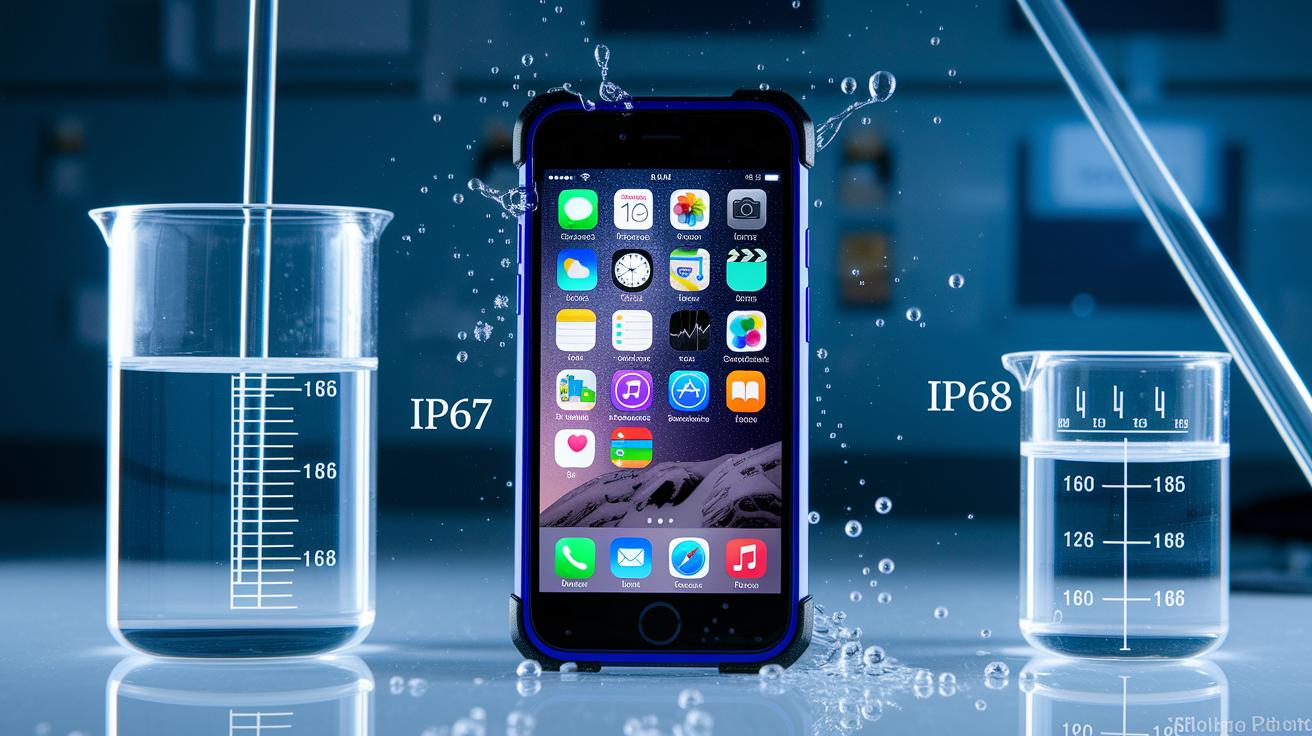
The IEC 60529 standard shows how well a device can keep dust and water out. It assigns ratings like IP67 and IP68 to smartphones. These labels come from tough lab tests that mimic everyday spills as well as more challenging conditions.
| Rating | Dust Protection | Water Protection | Typical Test Depth/Duration |
|---|---|---|---|
| IP67 | Dust-tight | Immersion up to 1 m | 1 m/30 min |
| IP68 | Dust-tight | Immersion beyond 1 m | 1.5 m/30 min |
Smartphones that earn an IP67 rating go through a test where water is poured over them by submerging them in up to 1 meter of water for 30 minutes. This means the device is built to stop water from getting inside, even during unexpected splashes or brief dousing. On the other hand, an IP68 rating shows the device can handle even deeper water, often around 1.5 meters, for about the same amount of time. This extra protection comes from improved sealing techniques and a sturdy internal design.
What does this mean in everyday use? If you work or play in wet environments, choosing a smartphone with an IP68 rating can give you extra confidence. Whether it’s a sudden downpour or a slip into a puddle, these devices are designed to keep water out and protect your daily tech.
In short, knowing these ratings helps you see the care that goes into building your smartphone to handle real-life mishaps.
Sealed Construction Methodology in Waterproof Smartphones
Gasket and Seal Placement
Every water-resistant smartphone relies on carefully placed seals. Manufacturers use silicone and EPDM compounds around key spots like SIM trays, ports, and speaker grills to keep water out. A well-positioned silicone O-ring in the SIM tray, for example, can block water before it reaches vital internal parts. This thoughtful placement of gaskets is what gives these phones their trusted three-proof performance.
Port Cover Systems
Port covers add an extra layer of protection by shielding connectors from accidental splashes and light rain. Designers integrate flip or sliding covers over USB-C ports and speaker openings, so water has fewer paths to sneak in. These covers not only guard the entry points but also help maintain a sleek look. For instance, a sliding port cover can close automatically when not in use, ensuring water stays away without getting in the way when you need access.
Chassis and Frame Engineering
A strong chassis and frame form the backbone of a waterproof phone. Reinforced metal or durable polycarbonate frames, paired with secure adhesives, create a liquid-tight body that resists bending under pressure. Additional reinforcement ribs and precise construction make sure the frame holds up even after drops or stress. Together with smart gasket placement and efficient port covers, this robust frame design stops water from entering and keeps the phone reliable in tough conditions.
Advanced Coatings and Material Choices for Waterproof Smartphones

Manufacturers are now using nano-scale hydrophobic sprays on circuit boards and other key parts to keep water away. These tiny coatings form a barrier that makes water droplets roll off instead of seeping in. They also add a water-resistant mesh over speaker membranes, which blocks any clear path for liquids, and they protect sensitive components with specially designed MEMS sensor layers that prevent short-circuits from moisture.
They don't stop there. Ports and buttons are made with corrosion-proof alloys to avoid chemical damage over time, while silicone gaskets and protective layers seal off weak spots. By combining these advanced nano-coatings with smart material choices, smartphone makers build devices that can handle everyday spills and wet conditions without missing a beat.
Water Performance Testing Protocols for Waterproof Smartphones
Smartphones are put through a series of tough tests in labs to prove they can handle water exposure. Labs follow standards like IEC 60529 to check that a device can handle more than just a quick splash. In one test, a phone is dunked in water, then moved through vibration and humidity chambers to mimic long hours of moisture exposure. They even run quick temperature changes to see how the phone handles moving from a hot place to a cool one.
Beyond those tests, manufacturers also use more realistic methods. Devices are placed in salt-spray booths, rain simulators, and even pool water. This process makes sure any weak spots are found and fixed during design changes. Some high-end labs even check the phone’s functions after it undergoes drops or heavy vibrations to confirm that its waterproof features still work.
These tests mean that when you’re out in the real world – whether you’re swimming, getting caught in a downpour, splashed during outdoor activities, or dealing with a minor drop in damp conditions – your phone’s water protection is proven to perform reliably.
Final Words
In the action, we walked through the core attributes shaping waterproof smartphones. We covered the importance of IP ratings, sealed ports, hydrophobic coatings, and rigorous water performance tests. These elements work together to deliver devices that stand up to everyday conditions.
Our detailed look also highlighted how advanced construction methodologies ensure durability. Focusing on essential features of a waterproof smartphone not only boosts device longevity but also gives you peace of mind when using it in challenging environments. Enjoy using your tech with confidence.
FAQ
What makes a phone waterproof and what is the function of a waterproof mobile?
The design elements that make a phone waterproof include sealed ports with O-ring gaskets, hydrophobic coatings, and rigorous testing protocols. These features work together to prevent water from damaging internal components.
What are the key features of waterproof smartphones?
The essential waterproof smartphone features involve an IP rating for water and dust protection, sealed ports with precision gaskets, hydrophobic treatments, and thorough submersion and shock testing to ensure reliable water resistance.
What is the difference between a water-resistant and a waterproof phone?
The distinction is that water-resistant phones can handle minor splashes and moisture exposure, while waterproof phones are designed for full submersion and typically carry higher IP ratings validated through comprehensive testing.