
Have you ever thought your smartphone might outshine a professional camera? In 2025, advanced imaging isn't just for the high-priced gear anymore. Top models like the iPhone 17 Pro and Galaxy S25 Ultra snap crisp photos with impressive zoom capabilities, making it easy to capture details in any scene. Even more affordable options pack smart sensor technology that delivers quality shots you can count on. In this review, we break down how various phones blend quality with cost-effectiveness for every photographer. Let's explore how modern tech turns everyday moments into vibrant, professional-looking images.
Top Picks for Best Smartphone Camera 2025
2025 brings a mix of high-end flagships and smart budget picks that prove great photography can come at any price. We spent time testing these phones and found that each one offers something unique. For example, the Apple iPhone 17 Pro features a redesigned camera setup with a 48 MP telephoto sensor. It delivers clear shots with 4x optical zoom and 8x digital crop, making it ideal for distant subjects. Meanwhile, the Samsung Galaxy S25 Ultra pushes the envelope with a 200 MP main sensor that uses 16-in-1 pixel-binning and an improved ultrawide lens for stunning clarity and detail.
For those keeping an eye on cost without sacrificing quality, the Google Pixel 9a is a fantastic choice. It packs a 48 MP sensor and provides a reliable 2–3x sensor-crop zoom. This means even a tighter budget can still capture crisp, high-quality images. Every option in our review shows that advanced imaging isn't just about megapixels; it's about combining smart sensors with effective processing.
Below is a table that sums up our top six picks. It highlights key features, price pointers, and what makes each phone stand out. From the balanced triple-lens setup of the OnePlus 15 to the innovative design of the Samsung Galaxy Z Flip 7, every phone is designed to give you a great photography experience.
| Model | Key Specs | Price | Unique Strength |
|---|---|---|---|
| Apple iPhone 17 Pro | 48 MP telephoto (4x optical, 8x digital crop) | Premium | Redesigned system with refined optics |
| Samsung Galaxy S25 Ultra | 200 MP main (16-in-1 pixel-binning), upgraded ultrawide | Flagship | Incredible detail and ultrawide performance |
| Google Pixel 9a | 48 MP sensor with 2–3x sensor-crop zoom | $399 | Best budget performer with crisp imaging |
| OnePlus 15 | Triple 50 MP rear cameras, Snapdragon 8 Elite Gen 5 | Starts at $899 | Well-balanced performance with robust imaging |
| Google Pixel 10 Pro | Flagship camera features, brighter display | $999 | Polished photos with enhanced clarity |
| Samsung Galaxy Z Flip 7 | Foldable design, faster photo-processing engine | Flagship | Innovative form factor paired with solid imaging |
Each of these smartphones is built to push the boundaries of mobile photography. Whether you're an avid selfie-taker, a landscape photographer, or someone who wants to capture life's everyday moments, there's a device here that fits your style and budget. Happy snapping!
Advanced Sensor and Lens Technology in 2025 Smartphone Cameras
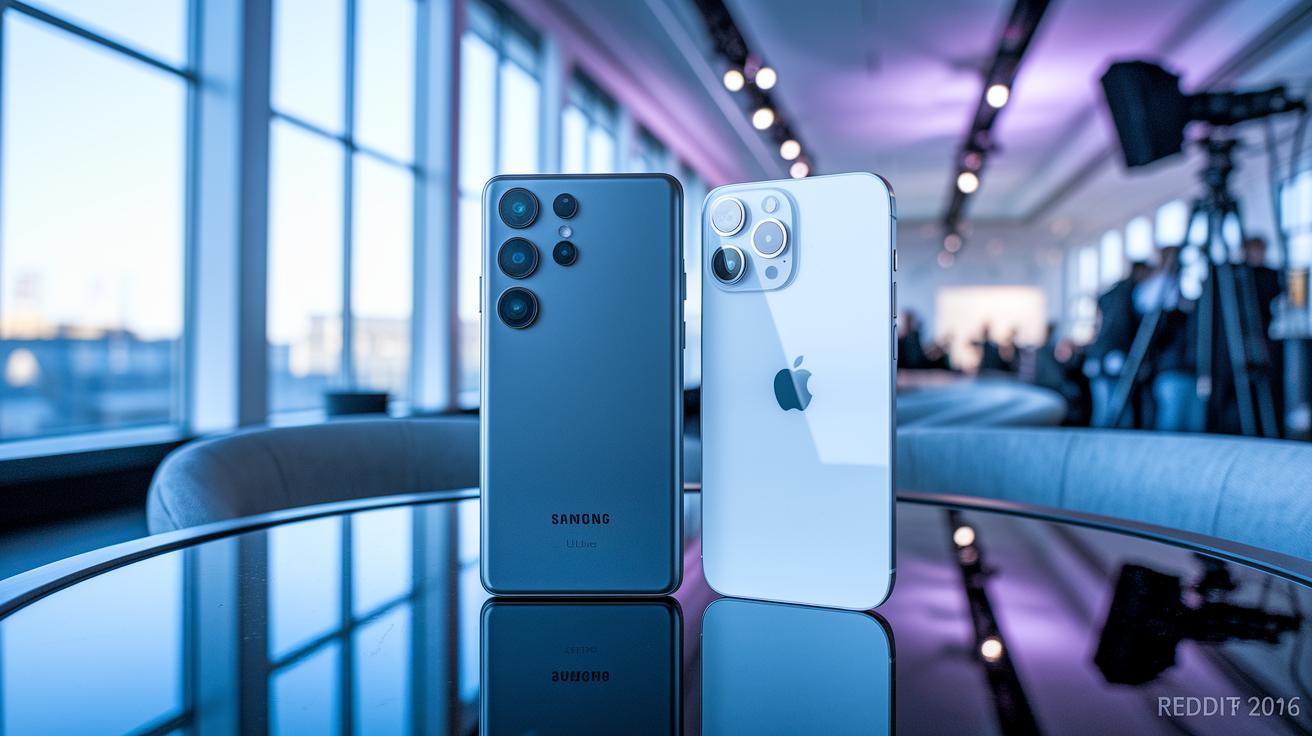
In 2025, flagship smartphones are raising the bar for mobile photography with breakthrough sensor and lens technology. Take the Samsung S25 Ultra; its 200 MP main sensor smartly bins 16 pixels into one to deliver a crisp 12 MP image. Pair that with an improved ultrawide module, and you get detailed photos even in tough lighting.
The iPhone 17 Pro also steps up its game, packing a 48 MP telephoto sensor with optical-quality digital cropping and an 18 MP selfie camera that captures vibrant colors and sharp clarity.
Other top brands are pushing limits by using sensor upgrades that rival compact digital cameras. The OnePlus 15, for example, sports a triple 50 MP array that offers DSLR-like color accuracy, while the Xiaomi 15 Ultra pairs a Leica 1-inch main sensor with a 200 MP periscope telephoto module to deliver impressive zoom capability. These advancements not only boost image resolution and dynamic range but also give photographers more flexibility in different shooting conditions.
Emerging models like the OPPO Find X9 Pro feature Hasselblad-tuned 200 MP telephoto systems that can achieve up to 13.2x lossless zoom. Meanwhile, the Honor Magic V5 brings a fresh twist with ultraclear, ultrawide autofocus macro features housed in a foldable design. Together, these cutting-edge sensor technologies are redefining what you can expect from smartphone photography in 2025.
Evaluating Low-Light and Night Mode Performance of Smartphone Cameras 2025
Smartphones in 2025 have stepped up their game when it comes to capturing images in low light. Manufacturers are blending powerful processing with smart sensor innovations to capture clear, detailed shots even when light is scarce. They use AI-powered multi-frame stacking and pixel-binning (a method that groups pixels to boost sensitivity) to keep indoor and nighttime scenes looking vibrant and detailed.
Each device is tuned for its unique style of photography, whether you’re snapping wide, starlit landscapes or close-up urban scenes. With smarter night-video modes and enhanced sensor abilities, these phones show that you don’t need a fancy camera setup to take great photos after dark.
Here’s a quick look at the top performers for low-light shooting:
- Google Pixel 10 Pro: Uses AI multi-frame stacking for crisp, clear photos even in near-dark conditions.
- Xiaomi 15 Ultra: Combines a 50 MP sensor with an upgraded night mode to cut down noise and boost clarity.
- Samsung S25 Ultra: Uses pixel-binning technology to enhance indoor lighting performance and capture fine details.
- Vivo X200 Pro: Its 200 MP periscope is excellent for high-quality macro shots in dim light.
- Google Pixel 9a: Offers surprisingly sharp nighttime photography while remaining budget-friendly.
Smartphone Videography and Stabilization Features in Camera Phones 2025
The iPhone 17 Pro shines with impressive video features. It can record both 4K and 8K Dolby Vision HDR videos, and its sensor-shift optical image stabilization keeps your shots smooth even when things get a little wild. Whether you're capturing everyday moments or filming a cinematic scene, you get rich detail and vibrant colors that make your videos look professional.
The Google Pixel 10 Pro and its XL version make recording a breeze too. They deliver consistently smooth 4K footage at 60 fps thanks to their advanced electronic stabilization. You'll find these phones perfect for those active days when you’re on the move, whether you're shooting fast-paced events or catching subtle changes in lighting. The result is clear, shake-free video that feels natural in any setting.
The Samsung Galaxy S25 Ultra and OnePlus 15 are also part of the video excellence lineup in 2025. The Galaxy S25 Ultra offers 8K recording at 30 fps with smart AI scene detection that adjusts your shot on the fly. Meanwhile, the OnePlus 15 pairs smart optical image stabilization with its large 6.82-inch display to help you nail the perfect frame every time. And with most top-tier phones coming with 5000 mAh batteries, you can film longer sessions without worrying about charging mid-shoot.
Key Photography Features and Software Enhancements in Best Smartphone Cameras 2025
AI-Assisted Imaging Insights
The Pixel 10 Pro uses smart machine learning, combining zoom and HDR to deliver clear photos even in tricky lighting. The OnePlus 15, on the other hand, keeps up with fast-moving scenes using AI subject tracking, it adapts its settings on the fly to capture action shots perfectly. Both phones adjust in real time to the environment, whether you're snapping a busy cityscape or a quiet portrait. This mix of on-the-go processing and finely tuned sensors ensures each image showcases detailed textures and balanced colors.
Portrait Mode Innovations
The Vivo X200 Pro and iPhone 17 Pro both take portrait mode to the next level. The Vivo uses Zeiss tuning to easily separate subjects from their background with a gentle, natural blur. With iPhone 17 Pro, Smart HDR 5 steps in to tweak exposure and highlight skin tones accurately. These updates mean your portraits feel more lifelike, with a clear sense of depth and natural light that truly stands out.
Macro Photography Advances
The Honor Magic V5 and Xiaomi 15 Ultra are setting a new standard for close-up shots. Their ultra-wide autofocus macro systems capture tiny details clearly and with minimal noise, bringing everyday objects to life. By blending advanced image processing with specialized lens designs, these smartphones reveal textures and intricate patterns that are usually hard to see. This makes even the smallest subjects feel vivid and full of detail.
Budget vs Premium: Comparing Value in 2025 Smartphone Camera Performance
In 2025, smartphone cameras range from premium flagships that pack top-tier tech to budget models that still deliver great results. For example, high-end phones like the iPhone 17 Pro and Samsung Galaxy S25 Ultra cost between $1,099 and $1,299 and push camera tech further with refined optics and better sensor technology. They even include features like smart pixel-binning (a method that combines data from nearby pixels to improve image quality) and improved ultrawide lenses so your shots look great in all kinds of light. This year's photography guide shows that these models earn their higher price by marrying powerful image processing with solid, high-quality build.
Mid-range options, such as the OnePlus 15 starting at about $899, still sport near-flagship camera hardware. They offer a smart balance of cost and performance with multi-lens setups that deliver true-to-life colors and clear details, perfect for everyday use. If value is your main focus, the Google Pixel 10 Pro at $999 stands out by pairing a brighter display with smart processing algorithms that refine your images. Each model brings its own strength, giving you clear choices based on your budget and the camera features you love.
For those who want great photos without a steep price tag, the Google Pixel 9a offers familiar Pixel quality for just $399. It proves that even budget-friendly phones can pack cutting-edge imaging capabilities. Meanwhile, phones like the Tecno Camon 40 Premier 5G deliver a triple-camera setup at roughly half the cost of premium models, ensuring there’s a good option for every kind of user.
Future Trends and Innovations in Smartphone Camera Technology 2025 and Beyond
Smartphone makers are pushing digital imaging to new heights with smart innovations that could change the way we take photos in just a few years. Take the Honor Magic V5, for example, it uses a foldable design that doesn't just look modern but also offers powerful imaging performance. More brands are moving to larger 1-inch-class sensors (bigger sensors mean better detail and color) thanks to collaborations with names like Leica and Zeiss. This trend is all about capturing richer detail and handling a wider range of light in your photos.
Up next, expect to see periscope modules that offer more than 10x optical zoom, so you can get closer without losing quality. These high-tech zoom systems team up with AI-driven super-resolution and real‑time HDR video features to deliver smooth, high-resolution recordings even in challenging conditions. Plus, new cooling methods like vapor-chamber cooling and faster LPDDR5X Ultra+ RAM help the camera keep up during long shoots without overheating.
Looking ahead, manufacturers are also planning to use global‑shutter sensors. This technology lessens the blurry effects seen with fast-moving subjects, making your action shots crisper and clearer. Overall, these advances are set to transform smartphone cameras into even more powerful everyday tools, perfectly balancing design, performance, and smart processing to capture life just as you see it.
Final Words
In the action, we explored top picks by breaking down advanced sensor technology, low-light performance, videography features, and software enhancements that drive imaging excellence. We weighed flagship specifications against budget options and highlighted emerging trends set to reshape mobile photography.
Our hands-on review charts a clear path for every shopper to find the right combination of performance and value. Enjoy the journey as you select your next device, confident in knowing you’re on track to the best smartphone camera 2025.
FAQ
Which are the top-rated camera phones in 2025?
The top-rated camera phones in 2025 include models like the iPhone 17 Pro, Samsung Galaxy S25 Ultra, and Google Pixel 10 Pro, featuring advanced sensors, versatile shooting modes, and standout low-light performance.
What do top communities and brands say about 2025 smartphone cameras?
Top communities and brands emphasize the iPhone 17 Pro, Samsung Galaxy S25 Ultra, and OnePlus 15 for their innovative sensors, AI-assisted imaging, and robust features that suit a range of photography styles.
Which smartphone offers top camera performance for under $20,000?
The best camera smartphone under $20,000 is the Google Pixel 9a, which delivers sharp images, AI-driven low-light photography, and strong performance at an affordable price.
What is anticipated as the best camera phone for 2026?
Early trends suggest the best camera phone for 2026 will build on 2025 innovations with improved sensors, enhanced night modes, and stronger videography, raising the bar even further.
Which smartphone delivers the highest quality camera performance in 2025?
The iPhone 17 Pro often stands out with its revamped camera system, balancing sensor quality, low-light proficiency, and advanced AI enhancements that deliver high-quality photography.