
Ever thought your phone couldn’t capture clear photos after dark? New phones are proving that low-light photography can be both brilliant and detailed. With advanced sensors and smart software, your nighttime snaps can come out sharp and colorful. We’ve put the top 7 smartphones of 2025 to the test to see which one makes it easiest to snap stunning images in low light. Let’s explore which camera phone is best for capturing those vibrant, nighttime moments.
Top 7 Best Low Light Camera Phones of 2025
iPhone 17 Pro/Pro Max
This phone stands out with its ProMotion 120 Hz screen, A19 Pro chip, and advanced cooling system working with vapor chambers. Its one-inch sensor and adjustable dual aperture work together to capture sharp details even when the light is low. Plus, a dedicated manual night mode helps keep colors and contrast vibrant during those nighttime snapshots.
Samsung Galaxy S25 Ultra
Equipped with a five-camera system and a Samsung-tuned Qualcomm processor, this phone is designed for night photography. Its low-light HDR stacking method captures details in both shadowy and bright areas, ensuring that every part of your nighttime scene remains clear and well-balanced.
Xiaomi 15 Ultra
Developed with Leica and precision in mind, this device features a 50 MP, one-inch main sensor enhanced by periscope capabilities that can push the detail up to 200 MP. With 3× optical zoom and a lossless 13.2× zoom option, it makes dark scenes pop with clarity and detail.
Google Pixel 10 Pro/XL
Available in two sizes (6.3 inches and 6.8 inches), these phones carry the Pixel reputation for clean design and solid performance. They handle low-light situations with advanced noise reduction and offer a 2–3× sensor-crop zoom that ensures your night shots stay true to life.
Honor Magic 7 Pro
This innovative foldable phone features a stylish "book style" design and a slim profile. Despite its unique form factor, it delivers impressive results in low-light photography, offering a creative approach for anyone who loves taking photos after dark.
OnePlus 15
Powered by the Snapdragon 8 Elite Gen 5 processor and LPDDR5X Ultra+ RAM, the OnePlus 15 brings a refined night mode to the table. Although the camera hardware upgrade might seem modest, the updated software ensures you get smooth, reliable performance in dim settings.
Google Pixel 9a
As our recommended value option, the Pixel 9a includes a 48 MP sensor that can focus on objects as close as 8 cm. Its well-tuned image processing enhances low-light performance, delivering clear photos even without the higher price tag of more premium models.
Key Camera Specifications for Outstanding Low Light Photography
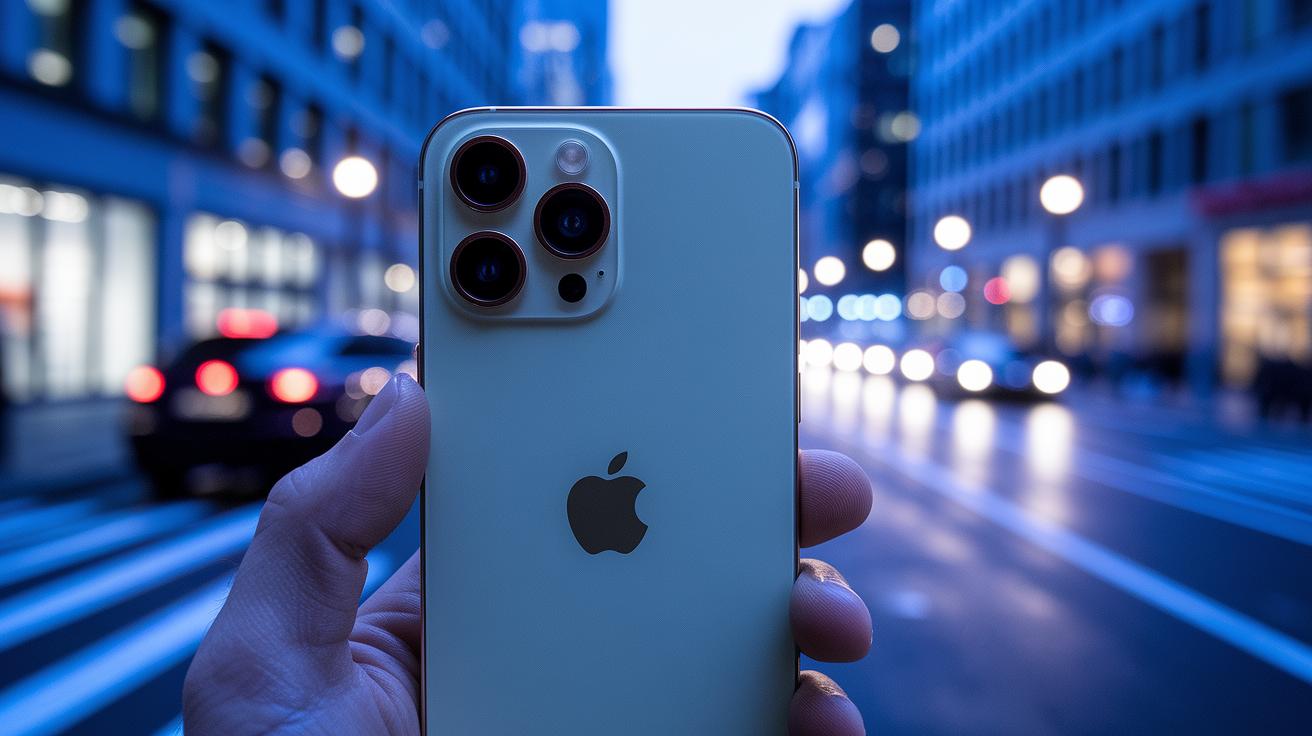
When you're shooting in low light, the sensor size really matters. Phones like the iPhone 17 Pro and Xiaomi 15 Ultra come with sensors that are nearly one inch wide. A larger sensor catches more light per pixel, giving you clearer images with less noise when it's dark.
A wide aperture is key, too. Main lenses with apertures between f/1.4 and f/1.6 let in more light faster. Some models, like the iPhone 17 Pro, even offer a variable 2-step aperture so you can easily switch between settings for wide-angle or zoomed-in shots, depending on the light.
Optical image stabilization (OIS) also plays a big role. It minimizes camera shake during multiple-frame captures, so devices like the Samsung S25 Ultra and Pixel 10 Pro can keep your shots steady even at longer exposures.
Lastly, smart features like pixel-binning and multi-frame stacking merge several exposures to boost clarity and improve the signal-to-noise ratio. On top of that, many top phones use AI-driven noise reduction to keep details intact and grain to a minimum in dim conditions.
Low Light Imaging in Action: Performance Comparison
Google Pixel 10 Pro and XL stand out when shooting in low light. In our tests, they kept shadow details crisp and skin tones natural, making them a reliable choice for minimal illumination. For instance, while capturing a nighttime urban scene, we saw clear details even in dim alleys.
The iPhone 17 Pro Max takes it further with a smooth transition from bright highlights to dark areas. It nails color accuracy under tungsten or incandescent lighting and shows very little noise in dark settings. Imagine taking photos at a cozy indoor gathering, each subtle tone comes through without unwanted grain.
Samsung Galaxy S25 Ultra impresses with its wide dynamic range. It captures both bright highlights and deep shadows well, though we did notice minor sharpening effects that can soften natural textures. If a strong dynamic range is your top priority, this handset offers a compelling performance with only a small trade-off.
Xiaomi 15 Ultra, with its Leica tuning, produces true-to-life colors. Its periscope macro mode is especially effective for close-up low-light shots, bringing out intricate details even in the dark. Picture snapping a detailed photo of a cityscape element at night, the clarity and color balance are commendable.
As a practical and budget-friendly option, the Pixel 9a surprises with a 48 MP sensor that can focus as close as 8 cm. Its macro mode works reliably in low-light conditions, offering a smart alternative without a big compromise in quality.
Software and AI Features that Enhance Night Shots
Night mode stacking boosts your low-light photos by capturing several images with different exposures and blending them together. It lines up each shot to cut down on noise and sharpen the details. Imagine snapping a photo on a dim street, each frame shows a little more of the scene, and when they merge, you end up with one clear, bright picture that beats a single quick shot.
AI scene detection works hand in hand with this process. It automatically spots when you’re in a low-light setting and adjusts the camera settings accordingly, much like tweaking the knobs on a manual camera for the best results. With phones like the iPhone, Pixel, and Xiaomi, pointing your camera at a starry sky seamlessly shifts the device into night mode. This setting makes sure the bright spots and dark areas mix well, so your photo stays balanced even when the lighting isn’t even.
Some models also offer manual controls, letting you adjust ISO, shutter speed, and exposure for those creative low-light shots you might want. Plus, the phone uses special low-light HDR algorithms that focus on keeping both the bright highlights and the subtle shadows intact, ensuring your dark photos capture every important detail.
Budget vs Premium: Choosing the Right Low Light Phone for You
When it comes to snapping great photos in dim scenes, phones come in three clear price ranges and each one has its own strengths for dusk and twilight images.
In the premium bracket, which starts at $1,000, phones like the iPhone 17 Pro Max, Samsung Galaxy S25 Ultra, and Xiaomi 15 Ultra shine with top-notch sensors, powerful processors, and smart heat management. These advanced features bring out impressive details and balance between bright highlights and deep shadows, even in low-light settings. Imagine capturing a night skyline where every light and shadow feels just right.
The mid-range phones, priced between $500 and $900, offer solid low-light performance without the high-end price. Devices like the Google Pixel 10 Pro and OnePlus 15 use smart AI processing paired with good hardware to keep noise low and details sharp. They might not have the wide apertures seen in premium models, but they deliver a balanced performance that works well in places like dim restaurants. One tester even mentioned that the Pixel 10 Pro produced excellent skin tones with hardly any noise during a low-light dinner.
For those on a tighter budget, the value segment under $400 features the Pixel 9a. This phone uses a 48 MP sensor with macro capabilities to control noise effectively, making it a great choice for casual photography without breaking the bank.
- Premium tier: iPhone 17 Pro Max, Samsung Galaxy S25 Ultra, Xiaomi 15 Ultra
- Mid-range: Google Pixel 10 Pro, OnePlus 15
- Value segment: Pixel 9a
Each tier offers a tailored option for low-light shooting, making it easier to match your choice with your budget and needs.
Expert Tips to Maximize Your Smartphone’s Low Light Shots
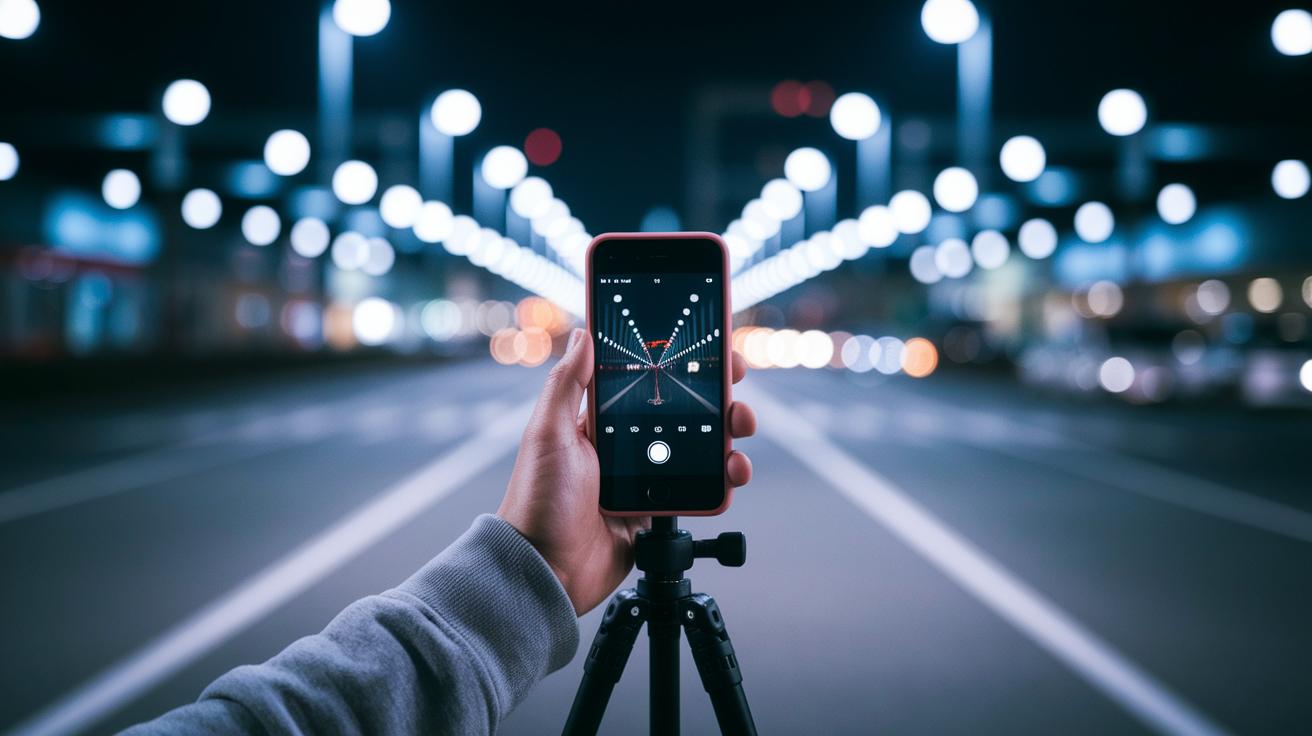
When the lights are low, keeping your phone steady is crucial. Using a tripod or placing your phone on a sturdy surface helps prevent blur when you take multiple shots. For example, set your phone on a flat table or use a mini tripod when snapping a dim street scene.
Another handy tip is to adjust the exposure manually. Tap to focus and then swipe up or down on your camera app to control brightness, which cuts down on ISO noise. Think of it like this: when capturing a nighttime portrait, locking the exposure keeps your subject sharp while giving the background a natural, soft look.
If your phone doesn’t automatically switch to night mode in very dark settings, turn it on manually. This small step makes sure the camera uses its multi-frame stacking and AI noise reduction, resulting in cleaner images. And instead of using digital zoom, move closer to your subject or switch to an optical or telephoto lens to capture better details in low-light conditions.
Finally, add a low-profile LED fill light or reflector to enhance the ambient glow. These simple accessories can subtly brighten your scene, giving your nighttime photos a balanced look without losing that natural feel.
- Stabilize your phone with a tripod or a steady surface.
- Adjust exposure manually to reduce noise.
- Enable night mode for optimal multi-frame stacking.
- Avoid digital zoom, move closer or use an optical lens.
- Consider LED fill lights for a gentle ambient boost.
Final Words
In the action, we explored top low-light camera phones, comparing sensor sizes, aperture versatility, and advanced AI-driven features. We broke down real-world performance, budget options, and practical tips to help you capture clear photos in challenging lighting. Each model from flagship to value picks has its unique strengths in enhancing night shots. Our review offers straightforward insights to guide you in choosing the best low light camera phone, boosting your confidence to snap brilliant images even in the dimmest settings.
FAQ
What is the best low light camera phone according to community feedback on Reddit?
The best low light camera phone according to community feedback often highlights flagship models like the iPhone 17 Pro/Pro Max and Samsung Galaxy S25 Ultra for their advanced sensors, refined software, and exceptional night mode performance.
What is the best budget low light camera phone?
The best budget low light camera phone is recognized in the value segment, with devices like the Pixel 9a offering strong low-light performance and macro capabilities at an attractive price.
What key specifications help a phone perform well in low light?
Outstanding low-light performance relies on a large sensor, wide apertures, optical stabilization, and multi-frame stacking with AI noise reduction to capture detailed images in dim settings.
Which phone is best for capturing night sky photos?
The phone best for night sky photos typically features advanced manual night modes and sensor capabilities, with models such as the iPhone 17 Pro Max and Xiaomi 15 Ultra delivering impressive detail and color in dark environments.
Which phone features top-notch night vision capabilities?
The smartphone with top-notch night vision capabilities employs a powerful night mode and AI scene detection, with flagship devices like the iPhone 17 Pro Max offering minimal noise and excellent color accuracy in low-light scenes.
What expert tips can improve smartphone low light photography?
Expert tips include using a tripod or steady surface, setting manual exposure, triggering night mode when necessary, and avoiding digital zoom to help you capture sharper images in low-light conditions.