
Ever wonder if your smartphone can outdo your camera? New models are making it simple to snap professional-quality photos. We took a close look at the Pixel 10 Pro, Galaxy S25 Ultra, and iPhone 17 Pro, each packed with strong image sensors and handy features for any kind of lighting. This guide breaks down how these devices capture everyday moments in sharp, clear detail, turning simple snapshots into art. Curious to see which one really stands out?
Top-rated camera smartphone models for 2025
We’ve rounded up six standout models that make photography effortless, whether you are chasing spectacular low-light shots or seeking DSLR-quality mobile imaging. The Pixel 10 Pro continues its tradition as the best overall, building on a design nearly identical to its predecessor but benefiting from refined image processing that consistently delivers natural skin tones and robust detail. For enthusiasts looking for a premium experience, the Galaxy S25 Ultra stands apart with a versatile five-camera setup engineered for both impressive long-range shots and crisp everyday photos. The iPhone 17 Pro offers a 48 MP ProRaw sensor that captures wide dynamic range and permits professional creative cropping without loss of quality.
For those on a budget, the Pixel 9a offers reliable imaging with a 48 MP main sensor and excellent low-light performance powered by its Tensor G4 chip, while promising seven years of updates to keep your software current. OnePlus 15 brings a fresh approach by replacing third-party enhancements with its own DetailMax Engine, resulting in sharper textures and improved clarity in varied conditions. Rounding out the selection, Xiaomi 15 Ultra, born from a collaboration with Leica, delivers a quad-lens system that truly feels like carrying a dedicated camera in your pocket.
Below is a quick comparison of these phone stars, detailing main sensor characteristics, aperture details, and zoom capabilities so you can match the device to your imaging needs.
| Model | Category | Main Sensor (MP & size) | Aperture (main lens) | Zoom (optical) | Price Range (USD) | Operating System |
|---|---|---|---|---|---|---|
| Google Pixel 10 Pro | Best Overall | 48 MP (advanced) | f/1.7 | ~4x | $899 | Android |
| Samsung Galaxy S25 Ultra | Premium | 108 MP (large) | f/1.8 | 10x | $1199 | Android |
| Apple iPhone 17 Pro | Pro | 48 MP ProRaw | f/1.8 | ~3x | $1099 | iOS |
| Google Pixel 9a | Budget | 48 MP | f/1.8 | , | $499 | Android |
| OnePlus 15 | Flagship Value | 48 MP f/1.8 | f/1.8 | 3.3x | $699 | Android |
| Xiaomi 15 Ultra | Dedicated Photo | 50 MP 1″ sensor | f/1.9 | 4.3x | $1299 | Android |
Camera hardware specifications on best imaging smartphones
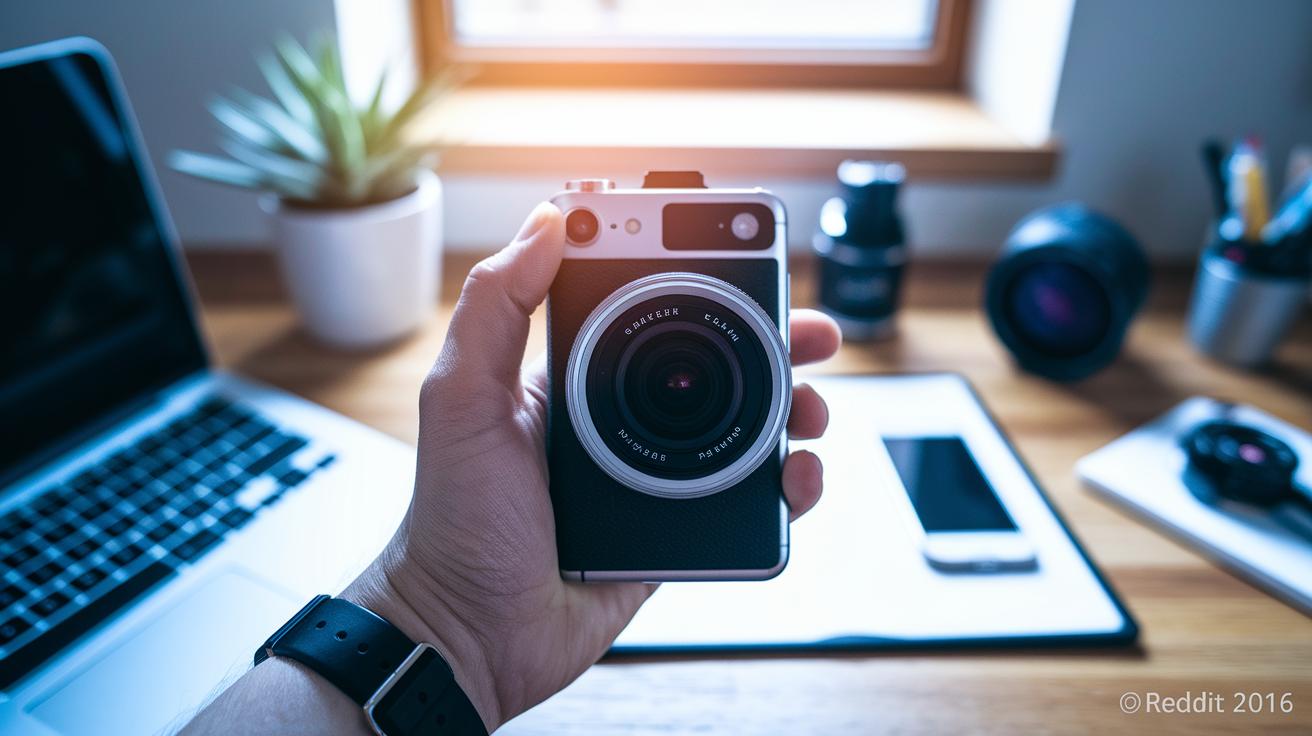
Smartphones today come with advanced camera systems that capture vivid scenes in any light, whether you're indoors or out. Below, we break down six key camera features that matter whether you're snapping everyday moments or serious shoots.
-
Sensor megapixels and size: Phones like the Pixel 10 Pro and its XL model sport a reliable 48 MP setup in 6.3″ and 6.8″ designs. Meanwhile, the Xiaomi 15 Ultra steps it up with a 50 MP sensor in a 1″ size that grabs more light and detail, and the Pixel 9a offers a 48 MP sensor, perfect for macro photography.
-
Aperture and lens coatings: Flagship models use wide apertures like the Pixel 10 Pro’s f/1.7 to brighten your shots in low-light conditions. They also add special lens coatings to reduce flare and keep colors looking true.
-
Ultra-wide focal length and field of view: With a 50 MP ultra-wide lens and an f/2.2 aperture, the OnePlus 10 Pro captures broad scenes with an expansive view and minimal distortion.
-
Telephoto and periscope zoom: The Xiaomi 15 Ultra impresses with a 50 MP telephoto lens that offers 3× zoom, paired with a 200 MP periscope lens that pushes optical zoom to 4.3×, letting you capture far-away details with confidence.
-
Macro and close-focus capability: The Pixel 9a stands out for close-up shots by focusing on subjects as near as 8 cm, which lets you capture fine textures up close.
-
Stabilization hardware: Models like the iPhone 17 Pro use robust optical image stabilization (OIS) and additional gimbal systems to ensure your photos stay sharp even in challenging conditions.
Real-world photo quality and low-light performance on camera phones
When the lights are low, the Pixel 10 Pro uses its Night Sight to brighten details with smart AI, giving your photos a rich, textured look even in near-darkness. Xiaomi 15 Ultra, on the other hand, leans on its 1" sensor that cuts down on noise when you boost the ISO, keeping long-exposure pictures crisp. The Vivo X200 Pro benefits from Zeiss optics, which help it hold onto fine details and accurate colors in shadowy scenes. Meanwhile, OPPO Find X9 Pro relies on Hasselblad-tuned processing to keep colors true during long exposures, and the iPhone 17 Pro preserves bright highlights with an extended dynamic range. Even the budget-friendly Pixel 9a captures everyday low-light moments reliably, despite its smaller sensor and slower charging speed.
Look at the sample shots and you can see clear differences. The Pixel 10 Pro delivers impressive contrast and nearly noise-free shadows, thanks to smart scene analysis. Xiaomi 15 Ultra’s larger sensor really minimizes grain, making it a great choice for night photography. Vivo X200 Pro excels at showing subtle colors under artificial lighting, while the iPhone 17 Pro uses its wide dynamic range to keep bright and dark areas balanced. Each phone takes a different approach to low-light challenges, so your photos stay honest to the scene even in the darkest settings.
Advanced video capture and stabilization on camera smartphones
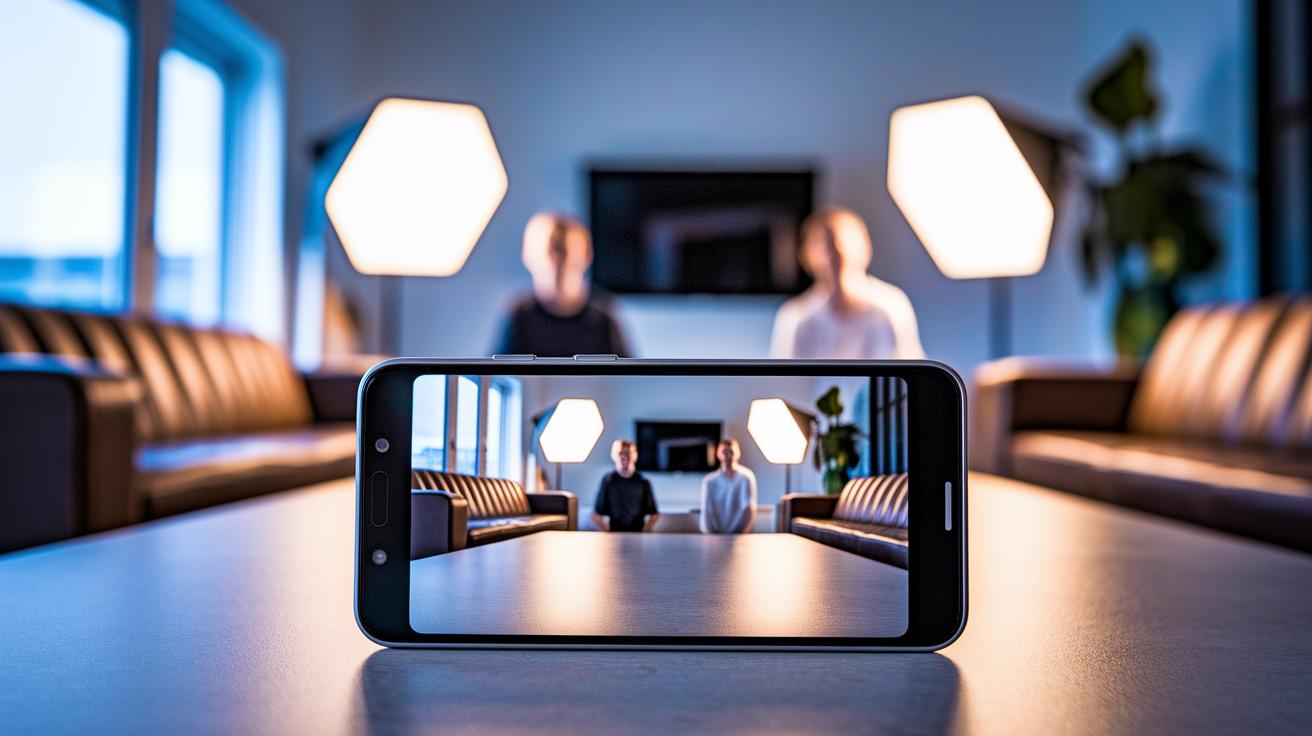
The top camera phones in 2025 now deliver video quality that can compete with traditional cameras. The iPhone 15 Pro Max, for example, lets you record in LOG, a format that preserves detail and dynamic range much like the Sony FX3. This means filmmakers get a wide range of color and contrast straight from their phone. Meanwhile, the Samsung Galaxy S25 Ultra uses a 10× telephoto setup that nails long-range shots for a truly cinematic feel.
Google’s latest flagships take a smart approach by using digital stabilization, resulting in smooth 4K video at 60fps. This makes everyday shooting look polished without any extra fuss. Phones like the OnePlus 15 and Xiaomi 15 Ultra also stand out by offering 10-bit HDR capture, which brings out richer colors and deeper contrasts for images that seem almost lifelike.
Stabilization plays a key role in delivering clear, steady video. Some phones rely primarily on optical technology to counteract hand movements, while others blend that with real-time digital adjustments to smooth out motion. Whether you’re panning quickly or shooting in low light, this mix of traditional and modern stabilization techniques ensures your videos stay sharp, fluid, and true to life.
Computational photography and AI in superior photo-capturing phones
Phones are now using smart image processing to capture your memories in more vivid detail. Manufacturers embed features like intelligent scene recognition and neural processing to turn raw sensor data into polished photos that feel truly special.
The Pixel series maintains its unique look with cutting-edge computation and multi-frame blending that adapts to different lighting and environments. OnePlus 15, for example, now uses its DetailMax Engine to sharpen textures and boost clarity with smart scene detection. Xiaomi 15 Ultra employs Leica-developed algorithms for natural color accuracy while its neural processing fine-tunes the exposure for a balanced contrast. Vivo X200 Pro harnesses its own AI to cut down lens distortions and enhance detail, and OPPO Find X9 Pro leverages Hasselblad calibration to perfect skin tones and achieve a balanced dynamic range. Each phone combines smart scene analysis, multi-frame processing, and AI adjustments that turn hardware capabilities into impressive real-world photography.
Budget and mid-range camera smartphone options
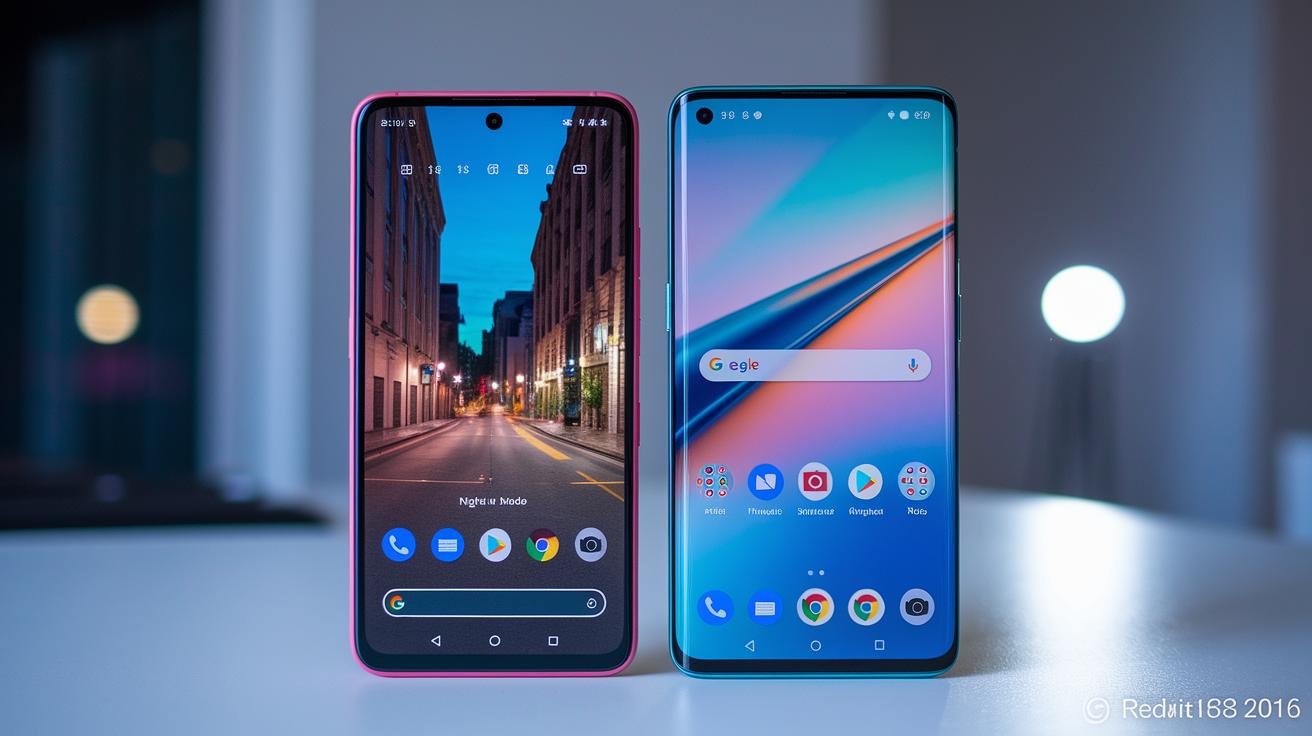
The Pixel 9a impresses with its 48 MP sensor and Night Sight feature, providing clear and reliable shots even in low light. In comparison, the OnePlus 10 Pro uses a multi-lens setup, with a 48 MP main lens, a 50 MP ultra-wide sensor, and extra lenses, to handle both wide-angle scenes and close-up details. It's interesting to note that sometimes a single advanced sensor paired with strong software can beat a multi-lens system in poor lighting.
Pixel 9a runs on Android 15 and promises seven years of updates, ensuring you always have the latest security and features. Its battery holds up well during daily use, even if charging isn’t the fastest. Meanwhile, the OnePlus 10 Pro makes up for it by offering rapid charging and solid 5G connectivity, making it a good choice if staying connected is your top priority. For those looking for budget-friendly phones that still pack 5G, check out the affordable 5G smartphones options available at TechTallyHQ.
How to choose the best camera smartphone for your needs
When picking a camera phone, match what the device does best with how you like to shoot. Maybe you need a phone that takes clear photos for daily moments, records smooth videos, or zooms in well for faraway scenes during travel. For instance, if you love capturing vibrant landscapes, look for a phone with a large sensor and solid image stabilization.
Here are some practical tips to guide you:
- Identify your main use. Do you take mostly photos, videos, or require a strong zoom for travel? If you often record events, video performance should be a priority.
- Check the sensor size and megapixel count. Generally, a larger sensor and higher megapixels help capture more detail.
- Look at the aperture and stabilization features, which keep your shots sharp even in low or changing light.
- Review the phone's AI and software options, such as night mode or scene detection, that automatically enhance image quality.
- Consider your budget, operating system, and update support. Both Android and iOS usually deliver similar imaging features.
- Read expert tests and reviews before buying to see how the phone performs in real-life conditions.
Final Words
In the action, we broke down the top-rated camera smartphone models for 2025, highlighting detailed hardware specs, real-world image quality, and advanced video features. We compared options from flagship powerhouses to budget-friendly choices, providing clear steps to match your photography needs with performance. Our practical guide serves as a roadmap for anyone hunting the best camera smartphone. Enjoy using your new device to capture life’s best moments with confidence and clarity.
FAQ
Q: What is the best camera smartphone under 20,000 and are there affordable Android phones with the best camera?
A: The best budget camera smartphones offer advanced sensors, strong low-light performance, and long update support. Models like the Google Pixel 9a provide excellent imaging while remaining cost-effective.
Q: What are the top-ranked camera phones in the world?
A: The world’s top camera phones combine exceptional hardware and processing. Rankings often feature models like the Google Pixel 10 Pro, Samsung Galaxy S25 Ultra, and iPhone 17 Pro as leaders in overall imaging performance.
Q: What was considered the best camera smartphone in 2021?
A: The best camera smartphone in 2021 featured refined hardware and powerful AI processing, delivering outstanding image quality and strong low-light performance that set a high benchmark for mobile photography.
Q: Which smartphones offer DSLR-quality cameras or photography similar to DSLRs?
A: Today’s top smartphones mimic DSLR quality through larger sensors, versatile lens setups, and advanced processing, delivering detailed images that rival those captured with traditional DSLR cameras.
Q: Which smartphone has the best camera and excels in photography?
A: Leading smartphones blend premium hardware and smart software, with models such as the Google Pixel 10 Pro, Samsung Galaxy S25 Ultra, and iPhone 17 Pro offering superb color accuracy, night mode, and versatile lens configurations for excellent photography.
Q: Is the camera quality better on an iPhone or Samsung?
A: Both iPhone and Samsung models deliver high-quality imaging. Typically, iPhones excel at dynamic range and color fidelity, while Samsung devices offer superior zoom capabilities and adaptable multi-lens systems.