
Ever wonder if your smartphone could handle a rough construction site or a heavy storm? 5G rugged smartphones pack strong internals with a design built to military standards. They shrug off drops, dust, and water splashes while still offering fast 5G speeds for clear video calls and quick downloads. In this article, we show how these tough devices are perfect for field technicians, outdoor pros, and anyone who needs a phone that keeps up even in extreme conditions.
What Are 5G Rugged Smartphones and Who Needs Them
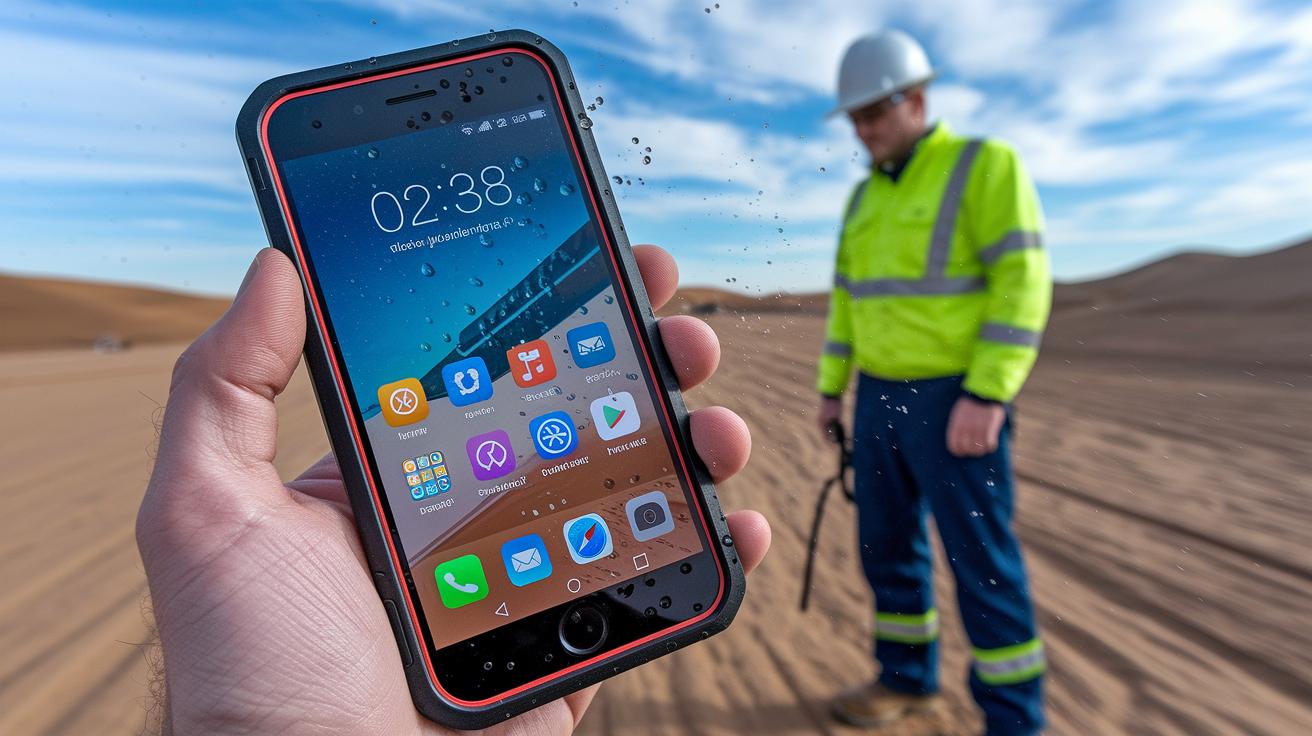
5G rugged smartphones are built to last even in the toughest conditions. They mix regular smartphone internals with a tough, drop-tested design that meets MIL-STD-810H standards and boasts IP68 water and dust resistance. In simple terms, these phones can handle spills, dust storms, and harsh knocks while staying connected on fast 5G networks.
These devices come with a robust build that includes shock-absorbing features and sealed frames to keep water and dust out. They offer speedy 5G connectivity for fast downloads and clear video calls, even when the weather isn’t on your side. Imagine a field technician working in extreme heat or biting cold who needs a phone that never quits, this is exactly the kind of reliability these rugged smartphones provide.
Perfect for outdoor professionals, field technicians, and anyone in tough industrial settings, 5G rugged smartphones help you stay connected and productive when a regular phone might let you down. Whether you’re overseeing a construction site, coordinating emergency services, or handling hands-on industrial work, these phones are designed to stand up to everyday challenges in harsh environments.
Core Durability & 5G Performance Standards
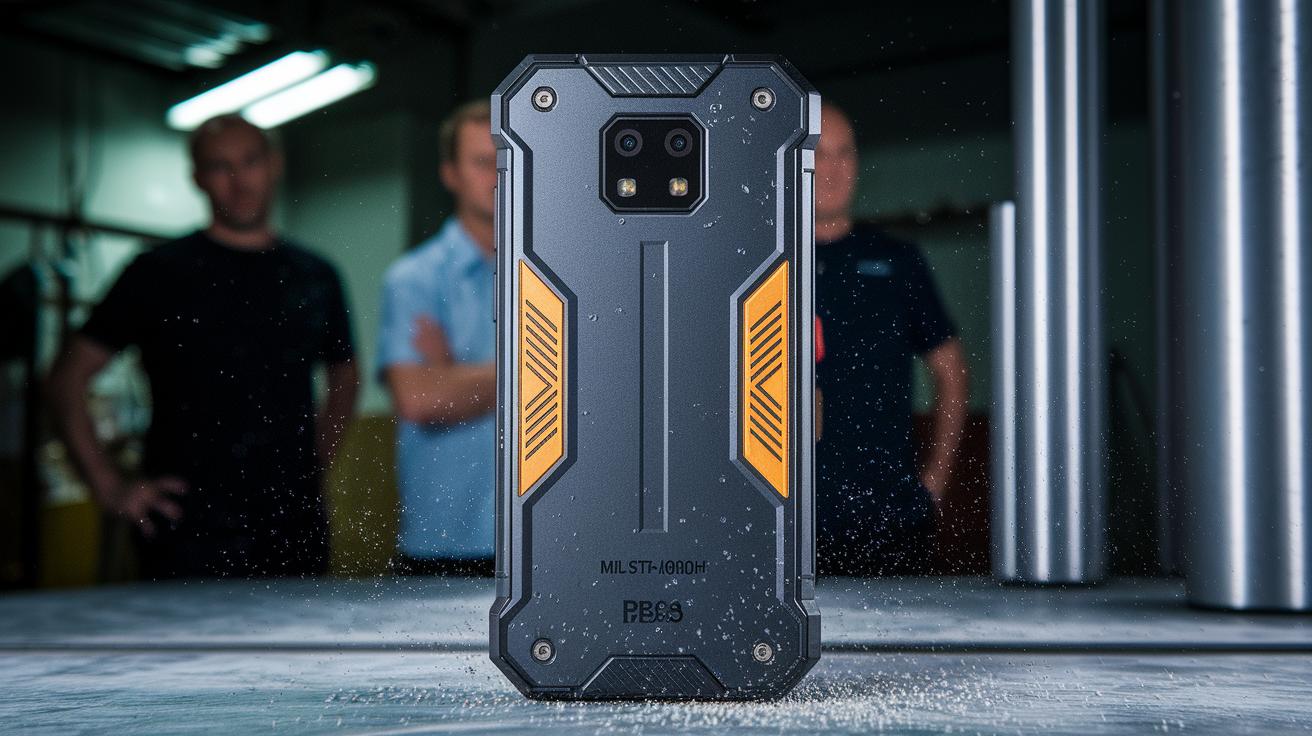
Rugged smartphones prove they’re built tough by meeting standards like MIL-STD-810H and IP68. They face drop tests from 1.5 meters, heavy vibrations, and extreme temperatures so they can handle the bumps and knocks of daily use that most devices worry about.
These phones are engineered to be drop-proof and use built-in vibration dampening to protect their insides during big impacts. This design helps them stay in top shape even when the situation gets rough.
In real-world tests, 5G benchmarks show that these devices keep a steady connection on both sub-6 GHz and mmWave networks, even under stress. Signal tests confirm that they stay connected no matter the conditions, and speed tests show they handle heavy tasks without lag. This makes them a smart choice if you work on a construction site or need to run field inspections in remote areas.
Overall, these rugged smartphones combine strong physical durability with reliable, high-speed connectivity. It’s a mix that proves invaluable for professionals who need a device that won’t let them down in harsh environments.
Photography and Specialized Multimedia on 5G Rugged Smartphones
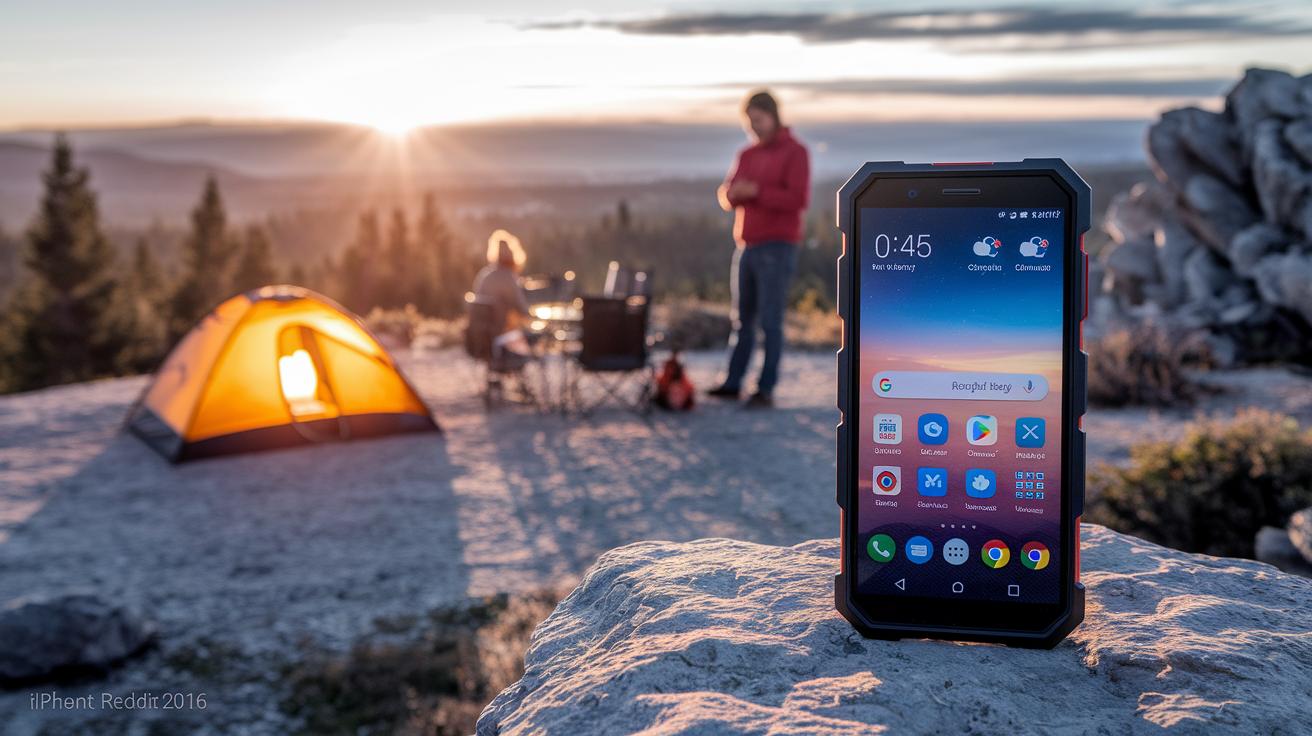
Today’s rugged smartphones come loaded with top-notch imaging tools and 5G speed that work even in harsh environments. These devices pack a variety of features built to handle extreme field conditions while capturing crystal-clear images and videos.
• 100 MP AI Quad Camera using Sony sensors
• 20 MP night vision lens for low-light shots
• 4K video recording for high-detail footage
• Zeiss optics for sharp, natural images
• FLIR thermal imaging (Lepton 3.5, 160 × 120) that turns temperature differences into visible cues
• Biomaster antimicrobial coating for a cleaner surface
• Built-in projector, power bank, and camping light for extra on-the-go functionality
With these tools, the phone becomes a versatile assistant on any worksite. Whether you’re on a construction site needing detailed photos or inspecting equipment with thermal readings, the 100 MP Quad Camera paired with Zeiss optics delivers images that pop. The 20 MP night vision lens means you don’t miss the details when the light is low, and 4K video lets you record every moment with clarity. Meanwhile, the FLIR sensor makes it simple to spot temperature changes, which is essential for industrial tasks. Plus, with extras like a built-in projector and a power bank, you can leave several gadgets at home. These all-in-one features give professionals the practical tools to capture and work with visual data, no matter how tough the conditions get.
Power Management and Battery Durability of Rugged 5G Handsets
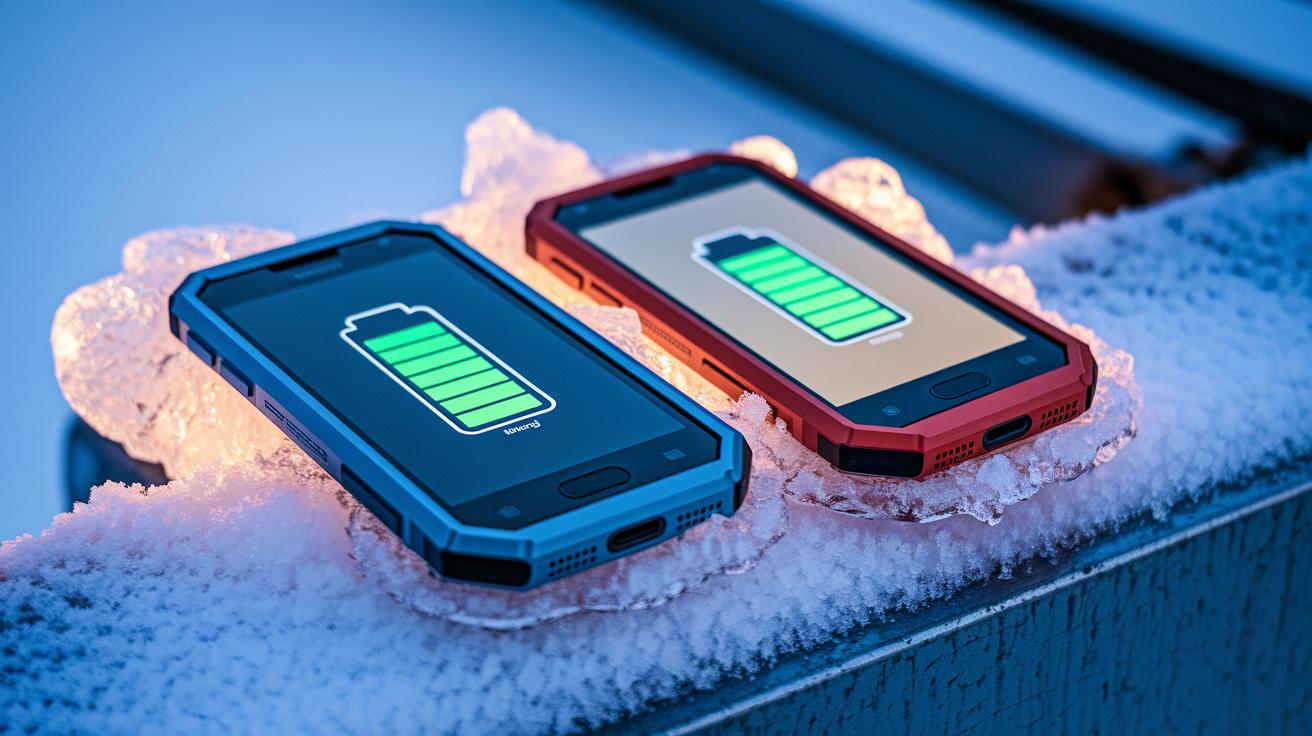
Battery life is key for these tough 5G phones, especially when you're working in harsh conditions. Engineers have designed them with special cold-resistant battery chemistry that keeps them running normally even in freezing temperatures. This means professionals can rely on these devices when regular batteries might fail.
Capacity tests back up their durability. Take the Oukitel WP100 Titan, for example, it comes with a huge 33,000 mAh battery that powers heavy-duty tasks for a long time. Meanwhile, the 8849 Tank 3 Pro is built to keep going for up to seven days on one charge, clearly outpacing standard phones in demanding environments.
Some models also double as external chargers. With built-in circuits that let them operate like a 20,000 mAh power bank, you can recharge other devices on the go. Whether you're out in the field or on an extended mission, these rugged phones not only keep you connected but also help power your other essential equipment.
Top 6 5G Rugged Smartphone Models Compared
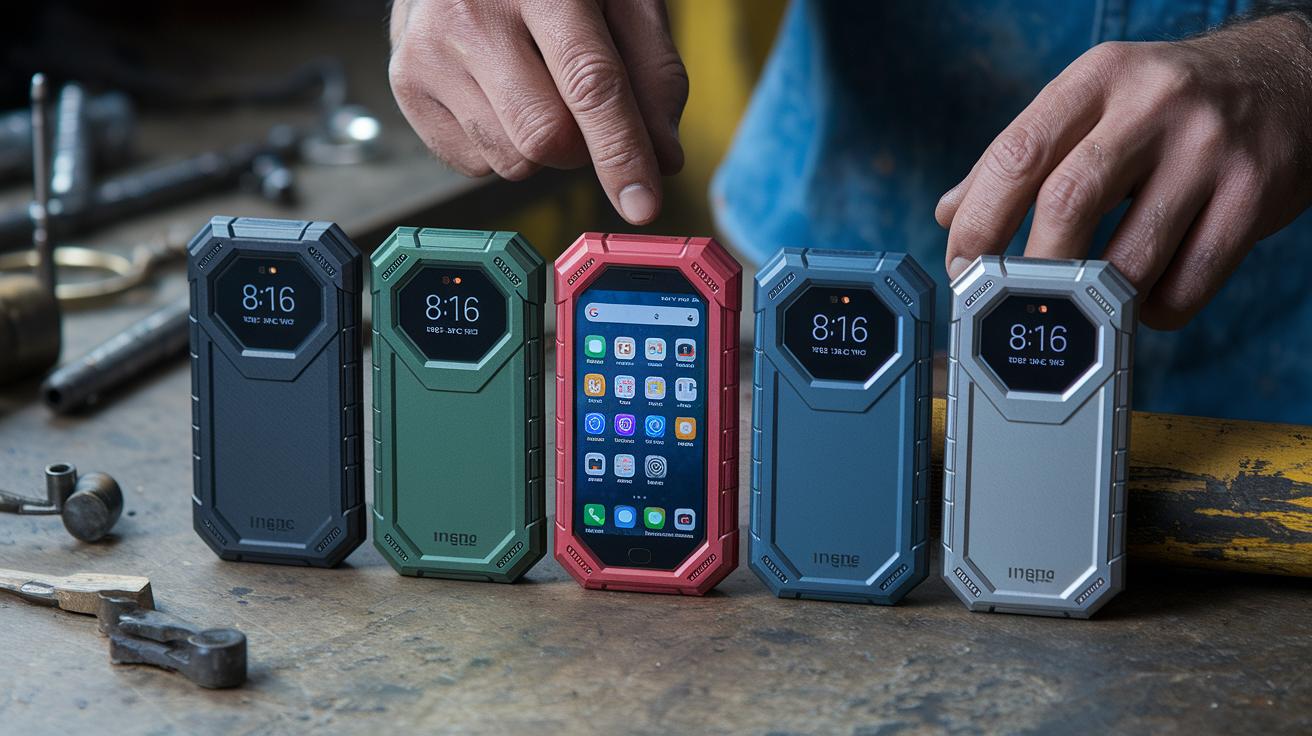
If you work in harsh environments, you need a phone that can stand up to the challenge. We’ve compared six 5G rugged smartphones that combine fast connectivity with tough builds certified by MIL-STD 810H and IP68. Each model is broken down by its key features, battery life, camera abilities, and price to help you pick the one that meets your work's demands.
| Model | Main Advantage | Durability Rating | Battery | Camera | Estimated Price |
|---|---|---|---|---|---|
| Oukitel WP30 Pro | Dual display; best overall | MIL-STD 810H / IP68 | Standard life | High-res quality | $400 |
| Fossibot F102 | Best budget; camping light built-in | Robust shell | Moderate endurance | Reliable imaging | $250 |
| Ulefone Armor 11T 5G | Dependable 5G connection | Sturdy construction | Extended life | Solid performance | $350 |
| Oukitel WP100 Titan | 33,000 mAh battery powerhouse | Heavy duty | 33,000 mAh | Competent capture | $550 |
| Samsung Galaxy XCover7 Pro | Removable battery option | MIL-STD 810H / IP68 | Replaceable unit | Steady imaging | $450 |
| AGM Glory G1 Pro | Built-in FLIR thermal imaging | Durable build | Long-lasting | Advanced sensors | $500 |
If you're watching your budget, the Fossibot F102 delivers a practical design with a handy camping light at a great price. Those who need extra display features and overall versatility might lean toward the Oukitel WP30 Pro. For anyone prioritizing battery endurance, the Oukitel WP100 Titan, with its massive 33,000 mAh battery, is the clear winner. And if you have specialized needs like thermal imaging, the AGM Glory G1 Pro offers unique advanced capabilities. Each phone is built to suit different working conditions, so you can choose the one that fits your work style perfectly.
How to Choose the Right 5G Rugged Smartphone for Your Use Case
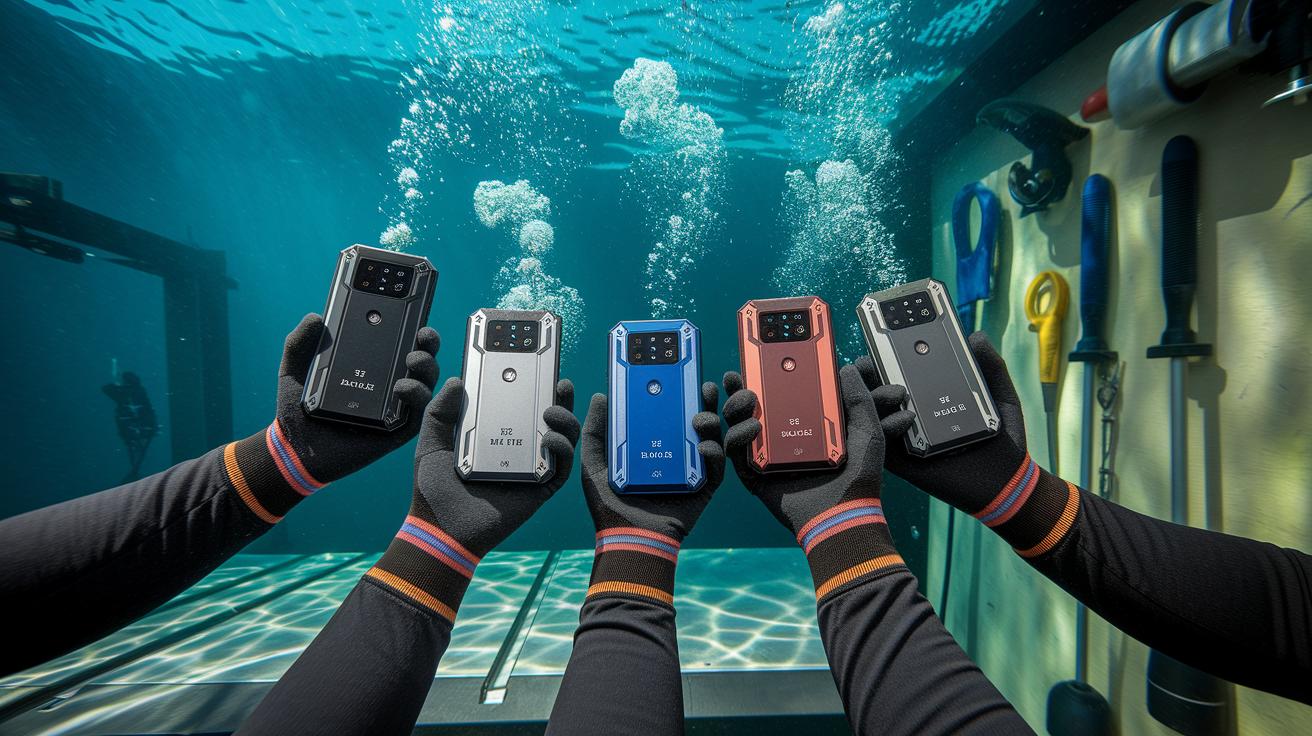
Choosing the right 5G rugged smartphone is really about matching its features to what you do every day. It’s not one-size-fits-all. If you work underwater, for example, the Doogee S200 comes with robust water sealing. If you need your phone to last through long shifts, the 8849 Tank 3 Pro offers extended battery life. For detailed thermal inspections, the AGM Glory G1 Pro stands out, while the Nokia XR20 provides a well-rounded option for everyday industrial needs. And if you value lightness above all, the Cat S62 Pro might be just right for you.
Here are five key factors to consider when making your choice:
- Environmental sealing and IP/MIL ratings: Look for phones that are certified for water, dust, and shock resistance. These certifications ensure the device can withstand harsh environments.
- Battery capacity vs. portability: Decide whether you need a high-capacity battery to last through extended operations or a smaller battery that’s easier to carry day-to-day.
- Camera and sensor modules (thermal/night-vision): Check if the phone has specialized imaging tools like thermal sensors or night-vision features, which can be vital for certain tasks.
- Accessory integration (power bank/projector): Some rugged smartphones offer extra features such as power bank or projector functions to simplify your work setup.
- Price vs. feature set: Weigh your budget against the features that are most important for your work so you can invest in a smartphone that truly meets your needs.
Testing Methodology Behind 5G Rugged Phone Reviews
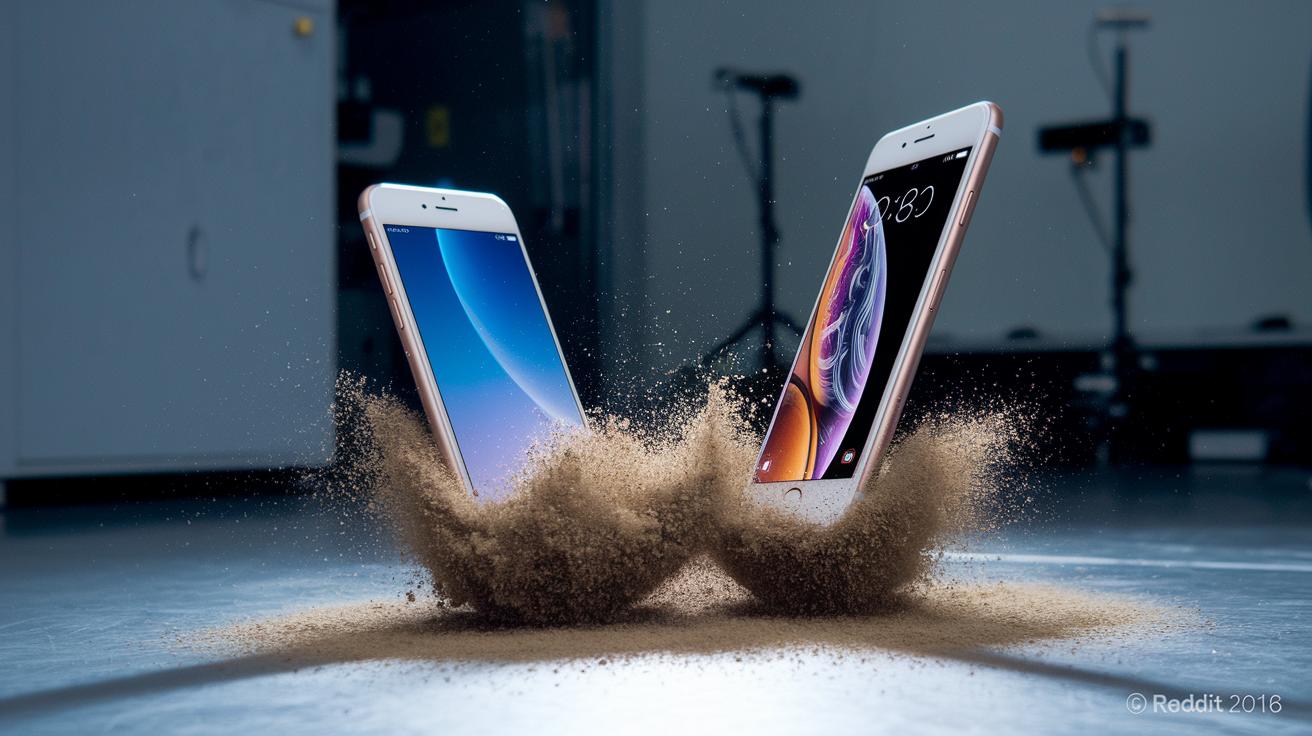
We kick off our review by simulating everyday bumps and knocks. Our team drops the phones from a height of 1.5 m onto concrete using MIL-STD-810H tests. These drop tests show whether the devices can handle regular mishaps and harsher impacts. We also run vibration tests to confirm that all internal parts stay secure and work normally even after regular jostling.
Next, the phones face a series of real-world challenges. They undergo an IP68 immersion test where we submerge them in water at 1.5 m for 30 minutes. We also put them through repeated vibration cycles to mimic dynamic motion. Then, a thermal chamber cycles the temperature from -20 °C to +60 °C, proving that the battery, display, and sensors can perform reliably in extreme conditions.
Finally, extensive network tests round out our evaluation. Field tests measure 5G speed and signal stability to ensure steady connectivity when the phone is stressed. Additional lab trials check image and video quality alongside battery drain to make sure performance stays top-notch, even under tough use cases.
Final Words
In the action, we explored durable 5g rugged smartphones, breaking down their reinforced design, 5G connectivity, and advanced multimedia features. We looked at battery endurance and detailed testing methods that offer real-world reliability. The guide compared top models and provided decision criteria based on environmental sealing, battery capacity, and accessory integration. Every section shows how 5g rugged smartphones deliver value in harsh conditions. It's clear that these devices are a smart pick for anyone needing robust performance with reliable long-term support. Enjoy the benefits of technology built to last.
FAQ
What are unlocked 5G rugged smartphones and what makes them unique?
Unlocked 5G rugged smartphones refer to devices built for harsh environments with reinforced casings and reliable 5G connectivity. They are carrier-free, making them ideal for professionals in outdoor or industrial settings.
Which models rank among the best 5G rugged smartphones available?
Top 5G rugged smartphones include versions like the Nokia XR20, Oukitel WP30Pro, Ulefone Armor, and FOSSIBOT F102. These models balance durability, performance, and battery life to meet demanding use cases.
How do Samsung 5G rugged smartphones compare to other rugged devices?
Samsung 5G rugged smartphones offer strong connectivity with industry-standard durability features, including MIL-STD-810H and IP68 ratings, making them well suited for both industrial and outdoor everyday use.
What distinguishes rugged phones from standard smartphones?
Rugged phones incorporate reinforced structures, water and dust resistance, and pass military-grade testing. These design elements make them capable of withstanding drops, shocks, and harsh weather unlike typical smartphones.
How do 5G rugged smartphones handle power management and battery durability?
Many rugged smartphones emphasize power management with high-capacity batteries—ranging from 11,000 mAh up to over 30,000 mAh—and cold-resistant chemistries, ensuring extended operation under extreme conditions.
What advanced multimedia features can I expect from rugged smartphones?
Rugged smartphones often come with high-resolution cameras, night vision lenses, thermal imaging sensors, and 4K video capabilities, making them effective tools for professional inspections and creative outdoor projects.
How are rugged smartphones tested to ensure they meet extreme conditions?
Rugged smartphones undergo rigorous testing based on MIL-STD-810H and IP68 standards, including drop, shock, vibration, and temperature evaluations, to confirm they can reliably perform in challenging environments.