
Ever wonder if a slim, portable laptop can really deliver powerful performance? AMD ultrabooks prove that a compact design doesn't mean compromising on strength. In our tests, these laptops handled everyday tasks and even some light gaming with ease, showing strong CPU (the chip that processes data) and GPU (the part that handles graphics) performance. The results show that these machines are built to keep pace with long workdays and creative projects without slowing you down. Keep reading to see why an AMD ultrabook could be the upgrade you're looking for.
AMD Ultrabook Performance and Benchmark Highlights
We tested AMD ultrabooks using a mix of synthetic benchmarks and real-world tasks to see how they perform day-to-day. We ran Geekbench to check the CPU's strength and 3DMark to measure the GPU for gaming and graphics. At the same time, we put these devices through everyday tasks like streaming, productivity apps, and a bit of light gaming. Our tests spanned a full workday of mixed use with controlled screen brightness to keep things fair. For example, the Razer Blade 14 kept things fast even when it got a bit warmer than usual.
We also checked how long the battery lasts, how good the display looks, how clear the speakers sound, and how well the device handles heat. We ran the tests over and over to see if they could hit a solid 8-hour battery life target – and many even reached 10 hours or more. This mix of lab-style checks and real-life use shows exactly what to expect when you put these ultrabooks to work.
- Geekbench CPU scores: multicore efficiency measured
- 3DMark GPU scores: graphics and light gaming performance
- Average battery runtime: reflects all-day use under moderate conditions
- Display quality: focused on color accuracy and brightness
- Heat dissipation: shows how well the ultrabook manages temperature
In short, AMD ultrabooks blend power, efficiency, and durability nicely. The latest Ryzen chips handle heavy tasks while still delivering impressive battery life and cooling performance. This makes them a smart choice for professionals tackling demanding software, creatives editing high-resolution media, and everyday users needing a reliable portable system. It's a balance of high-speed performance and real-world endurance that confirms these devices are true portable powerhouses.
Ultrabook AMD vs Intel: System Comparison and Processor Analysis
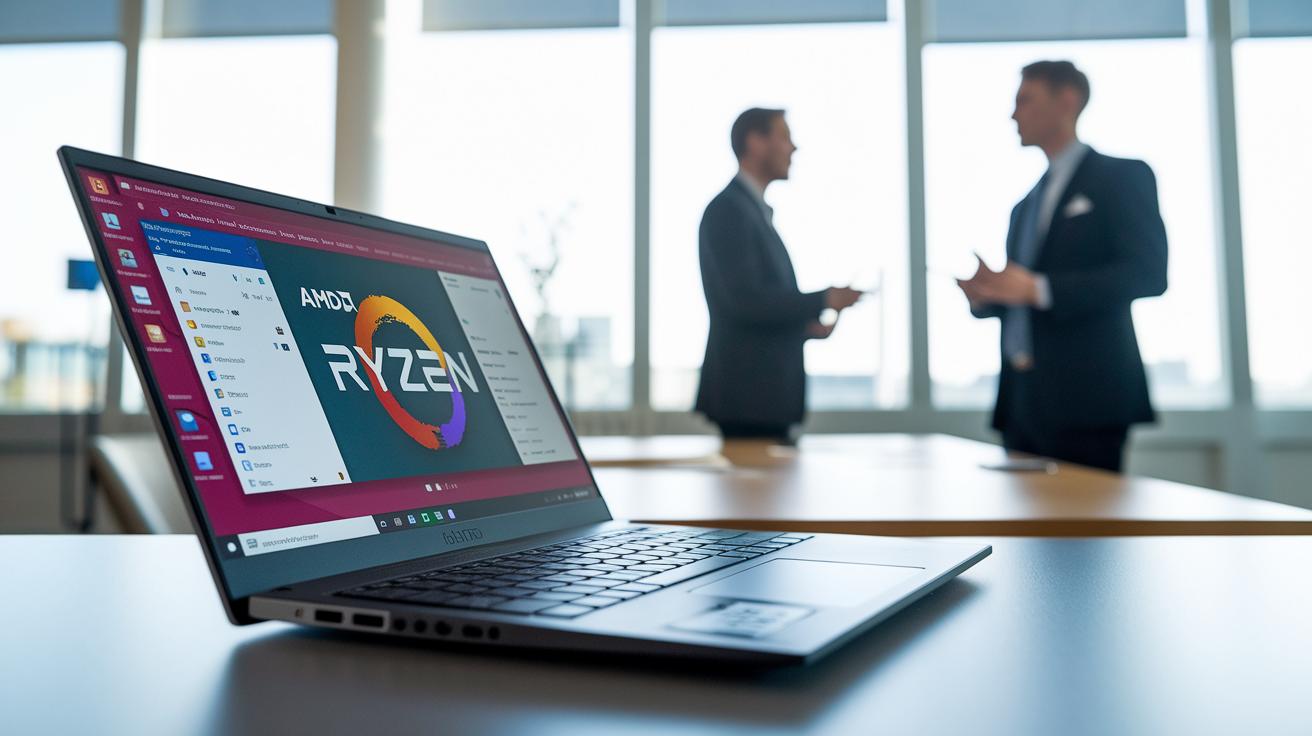
AMD-based ultrabooks, like those sporting the Ryzen AI 9 HX 375, pack impressive multicore power for juggling several tasks at once. In tests that mimic everyday use, these systems shine when handling multiple demanding applications simultaneously. Intel models, on the other hand, often deliver quicker single-core responses that suit lighter tasks and quick bursts of activity.
On the AI front, AMD devices boost graphics and smart applications with special enhancements. For example, the Ryzen AI 9 HX 375 runs advanced algorithms that help creative and productivity software run smoother. While Intel systems feel swift for daily routines, AMD’s blend of solid CPU performance and AI features makes it a strong future-proof option.
Thermal management and battery efficiency also set these systems apart. AMD ultrabooks are built to combine high processing power with smart heat control, which keeps them cool even under heavy workloads. In contrast, Intel machines sometimes stay cooler during light work, so your choice might depend on whether your daily tasks are heavy or light.
Bottom line: If you’re a professional or power user who needs robust multicore performance for serious multitasking, AMD systems are a great fit. For those who mainly run quick, everyday tasks, an Intel ultrabook might be the way to go.
Top Ryzen-Powered Ultrabook AMD Models for 2026
If you’re looking for a fast, portable laptop that can handle heavy-duty tasks, these AMD ultrabooks might be just what you need. They offer a blend of performance and style that works for creative pros, gamers, or anyone who needs a device that keeps up with a busy day.
| Model | Processor | Key Feature | Drawback |
|---|---|---|---|
| Asus Zenbook S16 | Ryzen 9 | Unique chassis design | Slow SSD |
| Asus Zenbook 14 OLED UM3402Y | Ryzen 7 | Excellent audio | Prone to fingerprint smudges |
| Razer Blade 14 (Early 2024) | Ryzen 9 | Snappy performance | Runs hot |
| Asus TUF Gaming A14 | Ryzen 7 | Industry-leading battery life | Sluggish trackpad |
| HP Envy x360 2-in-1 | Ryzen 5 | Colorful OLED | Inconsistent touchpad response |
| Asus ProArt P16 | Ryzen 9 | Stellar graphics | Below-average battery |
These laptops capture what Ryzen-powered performance is all about in 2026. Their standout features range from top-notch design to long-lasting batteries and eye-catching displays. Whether you need a machine for editing, gaming, or everyday computing, there’s a model here to match your workflow and lifestyle.
Ultrabook AMD Design: Slim, Lightweight Efficiency

These ultrabooks show off a smart mix of premium materials and careful engineering. The build feels strong yet light, with every detail measured just right. Many models feature a clean, simple design that looks modern whether you're at the office or on the go.
Real-world measurements make a big difference. For instance, the Asus Zenbook S16 is under 16 mm thick and weighs about 1.3 kg, setting a high standard for portability. The Razer Blade 14 is another great example, with its 14‑inch size that fits easily into a backpack. These specs are key for anyone who needs a tough, lightweight machine for work or travel.
Display options also boost the appeal. Some models, like the HP OmniBook Ultra Flip and Microsoft Surface Pro, offer touchscreen OLED screens. With these, you get sharp, high‑definition visuals and smooth touch response that work well for creative projects and daily tasks. With AMD's technology behind them, these laptops deliver clear images and responsive performance in every situation.
Ultrabook AMD Buying Guide: Key Features and Configuration Tips
When picking an AMD ultrabook, the processor is your starting point. Most of these laptops come with the latest Ryzen chips that handle several apps at once and heavy-duty tasks with ease. They offer a good balance of power and energy savings, making them ideal for those who need a portable yet robust device.
The screen matters, too. Choose a display that suits your eyes and work, options like 1080p, 4K, or even OLED are common. Depending on your viewing habits, you might prefer a 16:9, 16:10, or 3:2 aspect ratio. A high-quality screen boosts visual clarity and helps reduce eye strain during long hours of use.
Another point to consider is upgradeability. Many AMD ultrabooks allow you to add extra RAM or swap in new NVMe storage drives later. This means you can improve performance over time without replacing the whole device, keeping your system current as software demands grow.
Lastly, think about battery life and connectivity. Look for models that last eight hours or more on a single charge, and include fast-charging features for those busy days away from an outlet. A comfortable keyboard, a responsive trackpad, and a mix of ports like USB-C and Thunderbolt also help ensure that your everyday tasks are handled smoothly.
Ultrabook AMD Pricing and Budget-Friendly Options

If you're on a budget but still need a laptop that can handle daily work and travel, AMD ultrabooks between $700 and $1,000 might be just what you're looking for. We found that these devices are lightweight yet pack enough processing power to handle multitasking with ease.
Here are a few affordable options we recommend: the Acer Swift Go offers solid Ryzen 5 performance for under $800, while the Asus VivoBook S14 OLED steps it up with a Ryzen 7 processor for about $850. You can also check out the HP OmniBook Ultra series at around $900, the Pavilion Aero 13 at roughly $700, and the Lenovo IdeaPad Slim 5 Pro featuring a Ryzen 7 chip for nearly $950.
Yes, you might notice trade-offs with some of these models like slower SSD speeds or average display quality, but overall they deliver robust performance. These ultrabooks are a practical pick if you want advanced computing features without spending a fortune.
Ultrabook AMD Pros, Cons, and User Feedback
We've highlighted the key benefits already: robust multicore performance, batteries that last an entire day, and ultra-slim designs, all backed up by our performance tests and system comparisons.
On the flip side, some models come with slower SSDs, screens that easily show fingerprints, higher heat levels under load, and preloaded bloatware. You'll find these issues detailed in our pros and cons table above.
Users have shared their real-world experiences too. For instance, the Zenbook 14 OLED earns praise for its impressive audio quality, while the TUF Gaming A14 impresses with its battery life despite occasional trackpad lag. Meanwhile, some folks have expressed concerns over the bloatware on the OmniBook Ultra. These insights are woven into our model-specific reviews and side-by-side comparisons for a clearer picture.
Final Words
In the action, we explored performance benchmarks, design precision, and real-world user insights that bring every ultrabook amd to life. Our tests covered everything from CPU and GPU scores to battery endurance and thermal control, giving you a clear picture of each model’s strengths and trade-offs.
The review detailed pricing tiers, configuration tips, and side-by-side comparisons with Intel. We hope this guide helps you spot the right device to power your daily tasks and creative work. Enjoy unlocking portability and robust performance with these standout devices.