
Have you ever imagined wearing tech that feels natural rather than intrusive? Smart glasses with heads-up displays show you real‑time info right in your field of vision. Picture receiving turn‑by‑turn directions or weather updates while still keeping your eyes on the road. These glasses mix essential digital cues with everyday life without crowding your view. They offer crisp visuals and a comfy fit, pairing modern style with everyday practicality. It makes you wonder if wearing tech like this is the future.
Overview of Smart Glasses with Heads-Up Display Technology
The smart glasses market exploded in 2025 with many new models featuring heads-up displays. These glasses project digital information right before your eyes, so you stay informed without losing sight of the real world. Unlike full augmented reality, which overlays a lot of digital content, a heads-up display simply adds key details like navigation prompts, messages, or even health data without cluttering your vision.
These displays usually cover about a 30° section of your central view and project images at a distance of roughly 2 meters to keep your eyes comfortable during long use. Picture a commuter cruising downtown while subtle hints on the glasses remind them of the next turn and provide quick weather updates, all without pulling focus from the road.
The real advantage here is getting important information at a glance. Top brands now use true HUD technology that directly overlays visuals for sharper clarity, rather than using indirect methods that can feel sluggish. This design helps support applications that need balanced situational awareness, making these smart glasses a practical and stylish choice for everyday wear.
Key Display Technologies in HUD-Equipped Smart Glasses
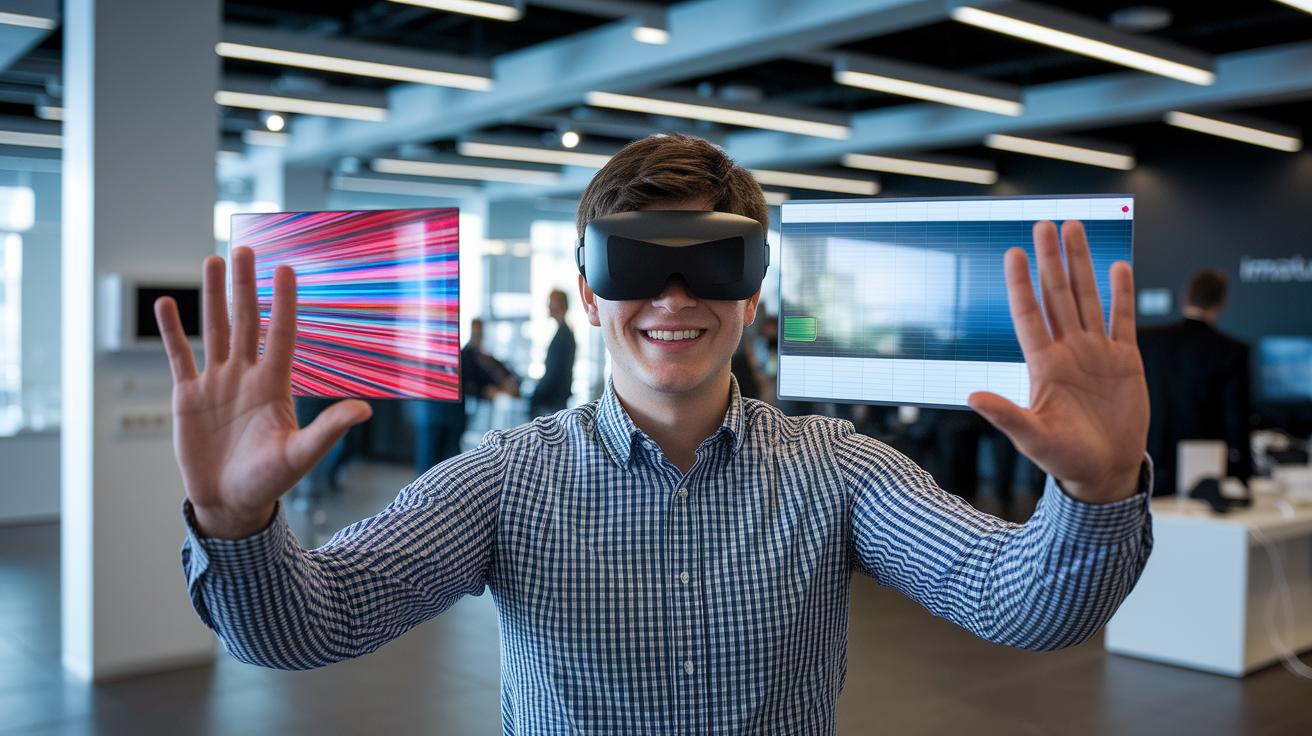
The RayNeo X3 Pro uses Diffractive Waveguide paired with MicroLED and a Firefly Optical Engine to show full-color displays that really pop. Picture getting your directions with natural reds and blues that are clear and distinct, instead of the old single-color, green-only screens.
On the other hand, the RayNeo Air 3s Pro takes a different approach with Birdbath Optics and Micro-OLED to create a virtual monitor effect. This design projects the info like a traditional screen, giving you a smooth and detailed view that's great for work or entertainment, even if it doesn’t pack the same color punch as the X3 Pro.
Also, the choice between binocular and monocular designs matters a lot. With a binocular setup like the X3 Pro, you get stereo 3D imagery for both eyes, making the experience more immersive and comfortable over long periods without the distraction of mismatched visuals.
Top Smart Glasses Models with Heads-Up Display
Smart glasses with heads-up displays are quickly becoming one of the must-have gadgets in wearable tech. These glasses mix everyday style with useful digital info, so you can check messages, get directions, or see performance stats on the fly. For example, the Ray-Ban Meta Gen 2 packs a tiny built-in display along with enhanced audio and camera features, all wrapped in a classic design. Meanwhile, the Oakley Meta Vanguard is built for active users who enjoy a sporty look and need a compact projection system to keep up with their lifestyle.
The Oakley Meta HSTN combines stylish design with practical features so that important details appear without crowding your view. Similarly, the Ray-Ban Meta Display offers a mini heads-up display that fits perfectly with traditional Ray-Ban style while quietly presenting digital cues for a balanced experience.
If you're after something more versatile, the Xreal One Pro doubles as a portable screen with clear virtual monitor visuals that work well for both work and play. On the performance side, the Julbo Evad 2 Spectron Classic is tailored for athletes; its sports heads-up display shows real-time cycling metrics via Strava, keeping you informed while you're on the move.
| Model | HUD Type | Key Display Tech | Battery Life | Unique Feature |
|---|---|---|---|---|
| Ray-Ban Meta Gen 2 | Built-in Small HUD | Optimized digital overlay | Approx. 2 days | Iconic design with enhanced audio and camera |
| Oakley Meta Vanguard | Integrated HUD | Compact projection tech | Approx. 2 days | Sporty design with performance focus |
| Oakley Meta HSTN | Lifestyle HUD | Lightweight projection | Approx. 2 days | Trendy frames for everyday style |
| Ray-Ban Meta Display | Mini HUD | Refined optical overlay | Approx. 2 days | Classic look with subtle digital cues |
| Xreal One Pro | Portable Screen HUD | High-quality virtual monitor | Up to 8 hours * | Dual-use for productivity and entertainment |
| Julbo Evad 2 Spectron Classic | Sports HUD | Integrated digital display | Approx. 2 days | Real-time cycling metrics via Strava |
Practical Use Cases for HUD Smart Glasses
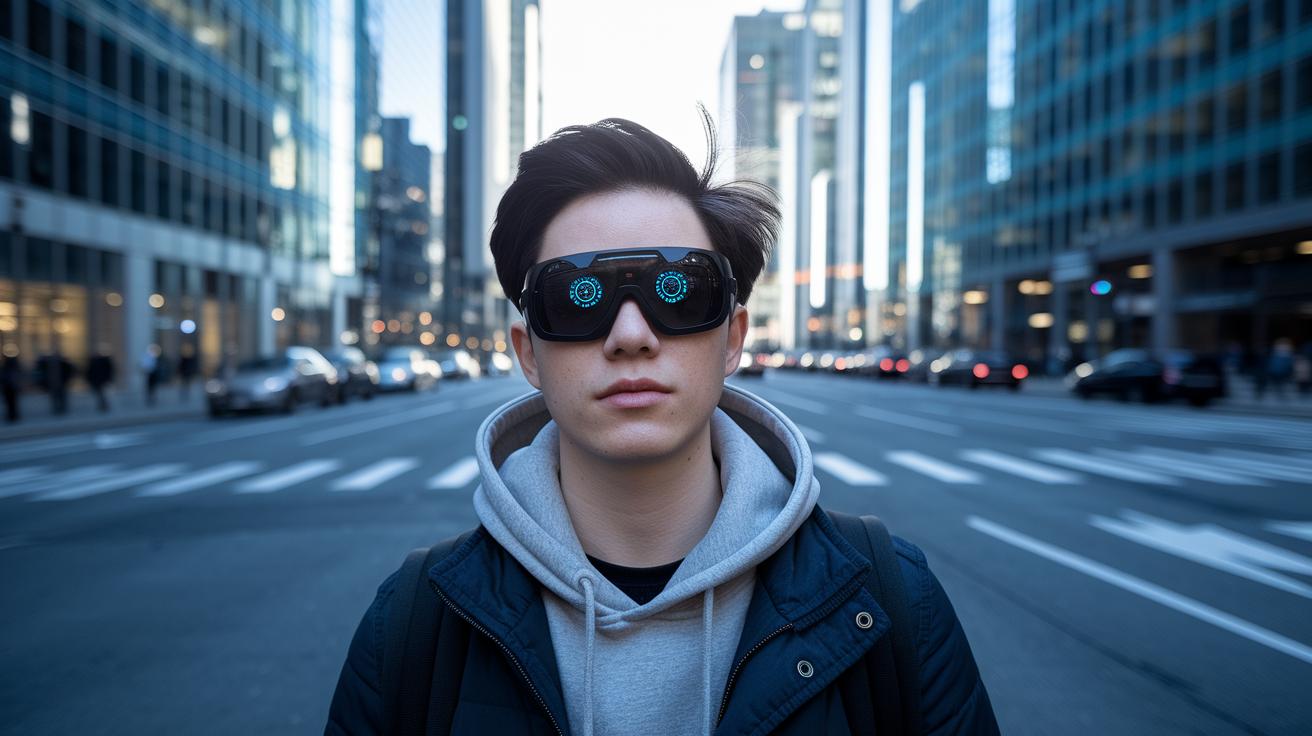
Smart glasses with a heads-up display give you real-time info right in your line of sight. They show digital cues over what you're already looking at so you can handle daily tasks without breaking your focus. With built-in navigation and hands-free communication, you can see directions or messages instantly without reaching for your phone.
These glasses work well for many lifestyles and work settings. In a busy city, you might get turn-by-turn directions and safety warnings as you walk through crowded streets. When you’re abroad, the glasses can instantly translate signs and conversations so language isn’t a barrier. In the office, busy professionals can discreetly view meeting reminders, calendar updates, and important notifications during hectic days. Athletes can check live stats like pace and heart rate through sensors linked to fitness apps. Health-minded users may also see real-time insights on sleep stages or heart rate from connected wearable sensors. And for drivers, in-view directions help you steer safely without losing focus on the road.
- Urban commuters enjoy hands-free, turn-by-turn navigation and instant translations.
- Travelers benefit from real-time language interpretation.
- Busy executives get discreet alerts, calendar updates, and notifications.
- Athletes track live performance metrics via integrated sensors and fitness apps.
- Health enthusiasts monitor vital signs like heart rate and sleep stages.
- Drivers see on-screen directions while keeping their eyes on the road.
Setting Up and Calibrating Your HUD Smart Glasses
First, sync your smart glasses with your phone using a wireless data handshake. Think of it like pairing your favorite Bluetooth headphones, quick and straightforward. Next, adjust the display to match your inter-pupillary distance (the distance between your eyes). This ensures everything appears clear and comfortable without any double images. Once your glasses are connected and calibrated, open the companion app on your Android or iOS device. Through the app, you can easily set up your dashboard by choosing widgets like Health, QuickList, Calendar, Stocks, and News. A simple swipe or tap on the temple touchpad or companion ring lets you navigate the options with ease. You can also use voice commands if you prefer an even more intuitive way to control your settings. Plus, contextual AI alerts keep your notifications relevant, so your interface stays clean. This three-step process creates a smart, interactive display that fits right into your daily life.
Limitations and Considerations of HUD-Enabled Smart Glasses
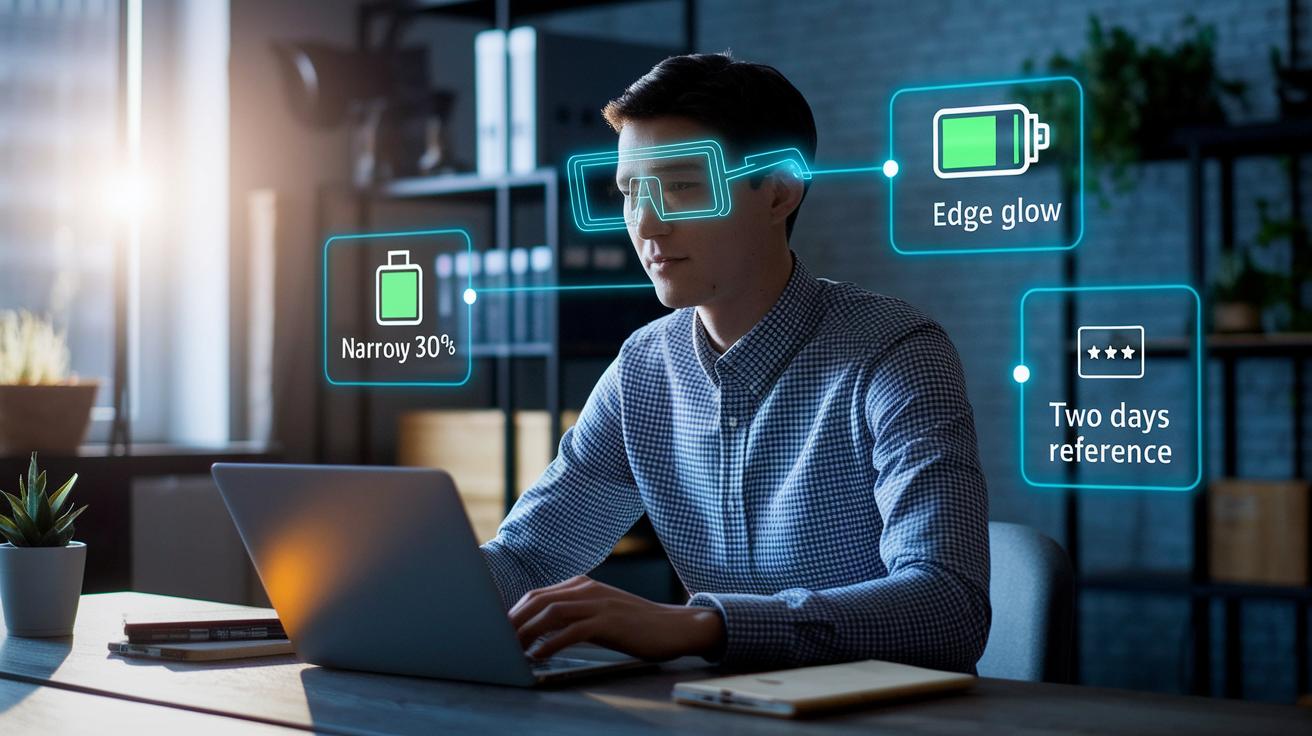
HUD-enabled smart glasses let you see digital info without holding a device, but they come with a few trade-offs. One big challenge is the narrow field of view; most models only display details within a 30° range. This means you might miss out on things at the edges, which can be a concern in active or safety-critical situations. Battery life is another factor to consider. Many devices offer up to two days on a charge, and you can extend that time with a case that gives about seven extra charges. However, using those bright digital overlays a lot can cut the battery life short.
Design and optical quality also matter. Some models stick with a single display, which can sometimes cause your eyes to see competing images, though newer glasses now offer dual displays for a more natural 3D view. Bright displays might also interfere with your natural night vision in low-light settings. For those who need vision correction, magnetic prescription inserts are available to keep the optics aligned without drawing attention. And even when the brightness is maxed out, the see-through screens help keep your information private. Ultimately, you need to weigh these limitations against the style and hands-free convenience smart glasses provide.
Future Trends and Developments in HUD Smart Glasses
The upcoming generation of HUD smart glasses is set to get a boost from smart hardware updates. Expect a wider view along with better battery setups and lighter materials that make them more comfortable. Manufacturers are polishing these devices to be more efficient and pleasant to wear, and better pricing, especially with models like the Ray-Ban Meta Gen 2, in sight.
Looking ahead, AI is set to play a bigger role by adding smart context and built-in voice helpers that adjust digital overlays to your needs. Some experts even see these glasses blending with spatial computing platforms, like the Apple Vision Pro, to offer truly immersive mixed-reality experiences.
There’s also exciting progress in foldable optics and hybrid designs that mix practical features with modern tech. All these advancements aim to deliver sharper visuals, longer battery life, and a more engaging, interactive experience.
Final Words
In the action, this review walked through the innovative display technologies powering smart glasses with heads up display. We explored key models and compared their optical systems and battery performance. Real-world use cases and practical setup tips kept the discussion down-to-earth and relatable. The piece also touched on some design constraints while highlighting promising trends that hint at even better devices ahead. Overall, the insights offer a clear picture for anyone considering smart glasses with heads up display for everyday use.
FAQ
What do smart glasses with heads up display discussions on Reddit reveal?
Smart glasses with heads up display on Reddit reveal active user communities sharing real experiences, troubleshooting tips, and modifications. These discussions help potential buyers gauge performance and usability from real-world feedback.
What are the best smart glasses with heads up display on Amazon?
The best smart glasses with heads up display on Amazon are praised for their clear optical overlays and user-friendly design. Buyers favor models offering reliable performance, innovative HUD features, and value for money based on user reviews.
How does the DIY approach work for heads up display glasses?
Heads up display glasses DIY projects involve assembling custom optical components and digital modules. Enthusiasts combine technical skills and careful calibration to create prototypes that deliver basic overlay functions for experimental or personal use.
What makes the best sunglasses for heads up display unique?
The best sunglasses for heads up display merge traditional UV protection with integrated digital overlays. These designs offer a dual-purpose appeal, providing both fashion and the convenience of real-time information in bright outdoor conditions.
How do Meta Display glasses, including Meta Ray-Ban Display, integrate a heads-up display?
Meta Display glasses, including the Meta Ray-Ban Display, integrate a heads-up display by embedding digital overlays within stylish frames. These devices project key notifications and data directly into the user’s sightline in a subtle manner.
How do smart glasses with HUD and a camera function together?
Smart glasses with HUD and camera combine a heads-up display with an integrated camera, allowing users to record their perspectives while simultaneously viewing digital overlays. This design supports both augmented experiences and documentation.
Which smart glasses feature a heads-up display?
Smart glasses featuring a heads-up display include models like Meta Ray-Ban Meta Gen 2 and Oakley Meta Vanguard. They integrate floating information overlays within the lenses, offering hands-free access to navigation, notifications, and more.
What are Johnny Depp’s glasses known for?
Johnny Depp’s glasses are known for their distinctive, iconic style seen in films. They are fashion-forward eyewear choices rather than devices with integrated heads-up display technology or digital overlays.
Why did smart glasses struggle to succeed in the market?
Smart glasses struggled due to a limited display field, high costs, and design compromises that hindered user comfort. Optical limitations, battery life concerns, and unclear use cases further contributed to their market challenges.