
Ever wish your gaming felt more intense? Gaming smart glasses bring a fully immersive experience to every session. They use micro-OLED displays (tiny, sharp screens) and a speedy 120Hz refresh rate to create a look that feels like a giant 152-inch monitor with super clear details. No more heavy monitors or messy cables, a single USB-C plug delivers lag-free, lifelike visuals that keep up with every move. This upgrade not only changes how you play but also helps sharpen your focus during fast, fierce battles.
How smart glasses for gaming create immersive play experiences
Smart glasses for gaming transform your play into an immersive experience. These wearable devices let you kick the bulky monitor to the curb by turning your line of sight into a vibrant, virtual display. You simply plug them into your console, phone, or PC using USB-C, and you're all set for a game view that feels larger than life.
Thanks to micro-OLED and Sony micro-OLED panels, these glasses serve up a virtual screen that can feel as big as 152 inches with sharp 4K-like details. That means every detail pops, even during rapid action sequences.
They’re designed for gamers who need smooth, lag-free visuals. With a quick 120Hz refresh rate and spatial computing chips like the X1, every move is rendered with responsive precision, ideal for fast-paced gaming battles.
| Feature | Specification |
|---|---|
| Virtual Screen Size | Up to 152 inches |
| Resolution | 4K-like clarity with micro-OLED panels |
| Refresh Rate | 120Hz for fluid visuals |
| Spatial Audio | Immersive sound that matches on-screen action |
| Connectivity | USB-C compatible with multiple devices |
| Portability | Lightweight and comfortable for long sessions |
For gamers, this tech means no more bulky screens blocking up your play space. Its crisp visuals help you catch even the subtlest details in fast, complex scenes, making it a smart upgrade for both competitive and solo gaming adventures.
Comparing the best smart gaming eyewear models

Picking the right smart gaming eyewear is key. Your glasses need to fit your gaming style, your budget, and your overall tech setup. Some models bring top-notch screen quality and smart tracking features to the table, while others offer a more wallet-friendly option without cutting corners on smooth visuals. With choices that range from built-in audio features to standout designs, knowing what each model does best can help you pick a pair that really boosts your gaming experience.
| Model | Price | Display | Key Feature |
|---|---|---|---|
| Xreal One | $499 | Virtual 152-inch screen | Versatile connectivity via USB-C |
| RayNeo Air 3S | $269 | 1080p with 120Hz | Budget-friendly, smooth visual performance |
| Viture Luma Pro | $499 | Sony micro-OLED, 4K-like clarity | Immersive visuals with robust performance |
| Xreal One Pro | $649 (+$99 for 6DoF) | High resolution AR display | Advanced Bose audio and tracking |
| XREAL Air 2s | $499 | Standard AR panel | Novel design with limited engagement |
| Ray-Ban Meta Gen2 | ~$499 | Enhanced smart display | Stylish design with improved low-light camera |
| Oakley Meta Vanguard | $499 | Wrap-around lenses | Durable build with robust sporting features |
| Rokid AR Lite | $749 | 1200p per-eye immersive display | Top-tier spatial computing and excellent audio |
For those keeping an eye on their budget, the RayNeo Air 3S is a solid pick that still delivers smooth visuals. On the other hand, if premium audio and smart tracking are what you’re after, the Xreal One Pro is hard to beat. And if you’re all about a stunning display with impressive spatial computing, if cost isn’t the main issue, then Rokid AR Lite stands out as a frontrunner for next-gen competitive gaming.
Technical specs and AR integration in smart glasses for gaming
These smart glasses feature Sony micro-OLED screens that deliver 1200p per eye and a smooth 120Hz refresh rate. The built-in display expands to a virtual screen size of 152 inches, offering clear images and a wide view that keeps even fast-moving scenes sharp. In short, the high resolution and quick refresh rate work together to make every motion appear fluid, giving you an immersive, responsive gaming experience.
Inside, an X1 chip handles the heavy lifting while Bose audio integration ensures every sound, from gentle background cues to booming in-game explosions, is crystal clear. Future updates will boost these features with enhanced 6DoF tracking (which lets the device follow your head movements precisely) and spatial computing, so your actions sync perfectly with what appears on screen.
| Feature | Specification |
|---|---|
| Display Panel | Sony micro-OLED, 1200p per eye |
| Refresh Rate | 120Hz |
| Virtual Screen Size | 152 inches |
| Processing | X1 chip |
| Audio | Integrated Bose audio |
| Tracking | 6DoF enhancements + spatial computing |
Gaming platform compatibility and accessory support for smart glasses for gaming
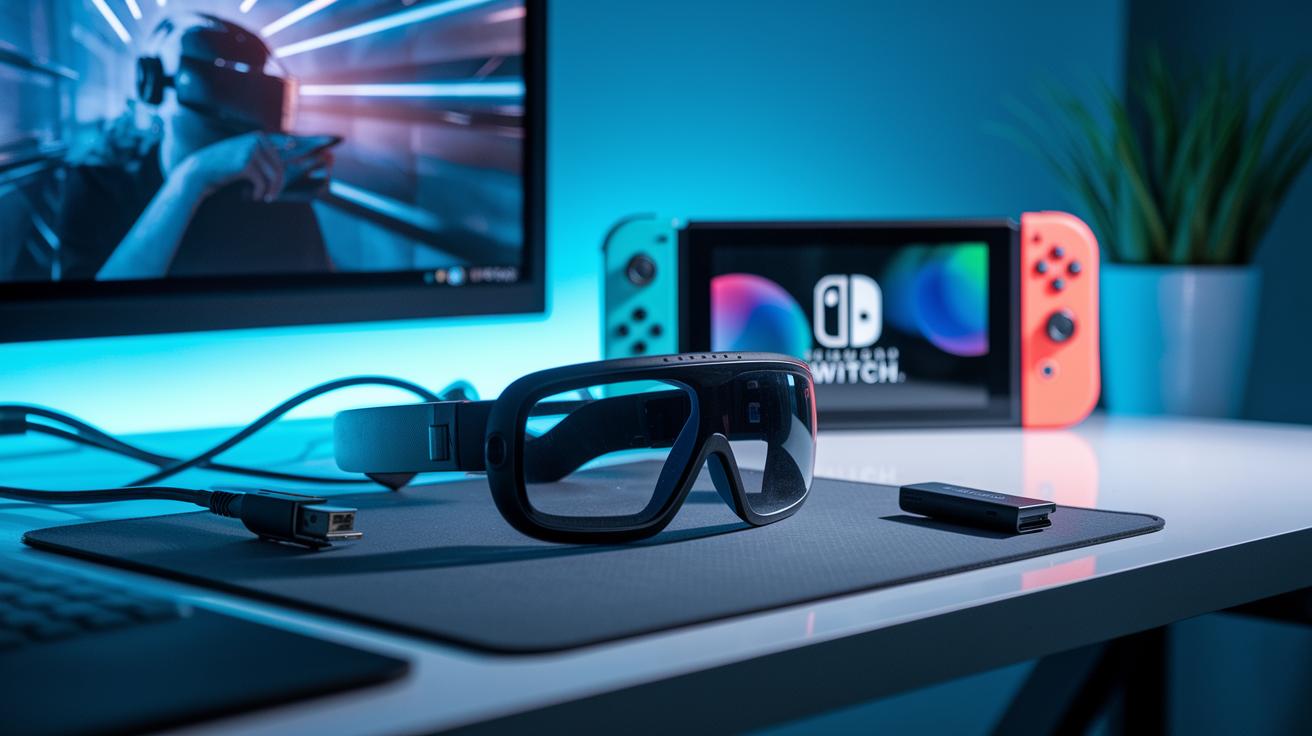
Most smart glasses connect with USB-C, which means you can easily hook them up to your phone, PC, tablet, or console. They work smoothly with Windows and Android devices, offering plenty of flexibility for your gaming setup. If you're a Nintendo Switch user, a $40 USB-C hub bridges the gap so you don't miss out on the fun.
Accessory support is what really amps up the overall experience. Take for example a $64 Mechanism Gaming Pillow, it offers extra comfort and stability when paired with devices like the Steam Deck and smart glasses such as the Xreal One. There are also stands and hubs available that keep everything secure and connected, so you can focus solely on playing. Plus, new options like versatile docks and wireless adapters are making setups even simpler. These accessories not only boost comfort during long gaming sessions but also help you switch between different platforms hassle-free.
Smart glasses for gaming: Immersive Gameplay Awaits
When we put these smart glasses to the test, comfort and design emerged as big factors. The Ray-Ban Meta Gen2 impressed us with a feather-light 50g build, so you barely notice it even after hours of gaming. In contrast, the Oakley Meta Vanguard sports durable wrap-around lenses for extra eye protection, though its heavier case might start to feel a bit clunky. Then there's the RayNeo Air 3S, which skips an adjustable lens shade, a potential drawback when lighting changes, while the Viture Luma Pro offers a sleek design but limits myopia correction to keep your peripheral view sharp.
Performance is another key point here. Fast, low-latency displays are a must for smooth, real-time gaming, and models like the Xreal One Pro come with premium Bose audio that really boosts the sound experience. Some glasses even include optional 6DoF tracking (which means they track head movements in six directions) to ensure your view shifts naturally with your actions. This thoughtful mix of high-performance optics and precise tracking makes your gaming feel more lifelike and immersive.
You also have plenty of budget options to choose from. If you're looking for an affordable entry into AR, the RayNeo Air 3S is priced at about $269. Mid-range choices, falling between $499 and $649, strike a balance between cool features and lasting comfort. Meanwhile, premium devices like the Rokid AR Lite hit around $749 and come packed with cutting-edge features like enhanced tracking. Each price range has its own trade-offs, so you can pick the pair that best fits your style and gaming needs.
Final Words
In the action, smart glasses for gaming brought immersive experiences to life with crisp visuals, high refresh rates, and seamless connectivity. We saw how external displays, advanced audio, and AR integration elevate play across multiple platforms.
The review highlighted models that suit different budgets and preferences while ensuring smooth compatibility, comfort, and performance. Each option offers a unique advantage, making strides in wearable tech for players.
Smart glasses for gaming are reshaping our interaction with games, promising an accessible and exciting upgrade for everyday tech users.
FAQ
What are the best smart glasses for gaming?
The best smart glasses for gaming combine high-resolution micro-OLED displays, low latency, and smooth AR interactions. Top models like the Xreal One Pro and Viture Luma Pro offer immersive visuals and solid performance for gamers.
How do XR and AR glasses for gaming enhance gameplay?
XR and AR glasses for gaming enhance gameplay by overlaying digital content onto your view, creating expansive virtual screens and spatial audio. They provide seamless integration between the physical and digital worlds for immersive play.
What are VITURE or Virtue XR glasses?
VITURE or Virtue XR glasses are smart eyewear designed to bring immersive AR gaming experiences. They offer high-resolution visuals with advanced display technology, making gaming scenes feel larger and more engaging.
What is the price range for Virtue XR glasses?
The price for Virtue XR Glasses generally hovers around $499, though costs may vary based on bundled features or enhancements, offering competitive value for a robust AR gaming experience.
Can you play video games on smart glasses?
Playing video games on smart glasses is possible because they function as external displays with low latency and high refresh rates. They connect easily to consoles, phones, or PCs for various gaming setups.
Do gamer glasses and blue light glasses work effectively for gaming?
Gamer glasses that filter blue light work effectively by reducing eye strain during extended gaming sessions. They maintain visual clarity and performance while helping to ease fatigue and improve comfort.