
Have you ever pictured a piece of tech that helps you "see" the world in a new way? AI-powered smart glasses take everyday scenes and turn them into spoken cues that let users read labels, cross streets safely, and keep track of what’s around them. Using real-time object recognition paired with simple voice commands, these glasses give people the confidence to tackle daily challenges. In this post, we explore how smart vision aids work to boost independence and make the world easier to navigate.
Enhancing independence with AI-powered smart vision glasses for the blind
AI-powered smart vision glasses offer a practical way for blind and low-vision individuals to navigate their daily routines. They use real‑time object recognition and spatial feedback to turn what you see into clear, spoken instructions. Picture hearing a friendly alert when a crosswalk is coming up, that’s how these glasses guide you safely across busy streets, boosting your confidence and control.
The design focuses on ease of use and reliable accuracy. Built‑in machine learning tracks objects, signs, and obstacles, while voice commands let you operate it without using your hands. Whether you’re reading labels at the grocery store or spotting hazards on a busy sidewalk, these glasses simplify complex environments by giving you direct, understandable directions.
Beyond the technology, support programs from organizations like Lighthouse for the Blind of the Palm Beaches help users get the most out of these tools. They provide personalized training and sometimes even loan equipment. Many users say the glasses have made a big difference in their daily life by making it easier to navigate crowded or unfamiliar places. This blend of smart technology and community support makes AI-powered smart vision glasses a transformative aid that empowers people to regain independence and engage more fully with the world around them.
Key features of assistive spectacles: a digital optical assist system
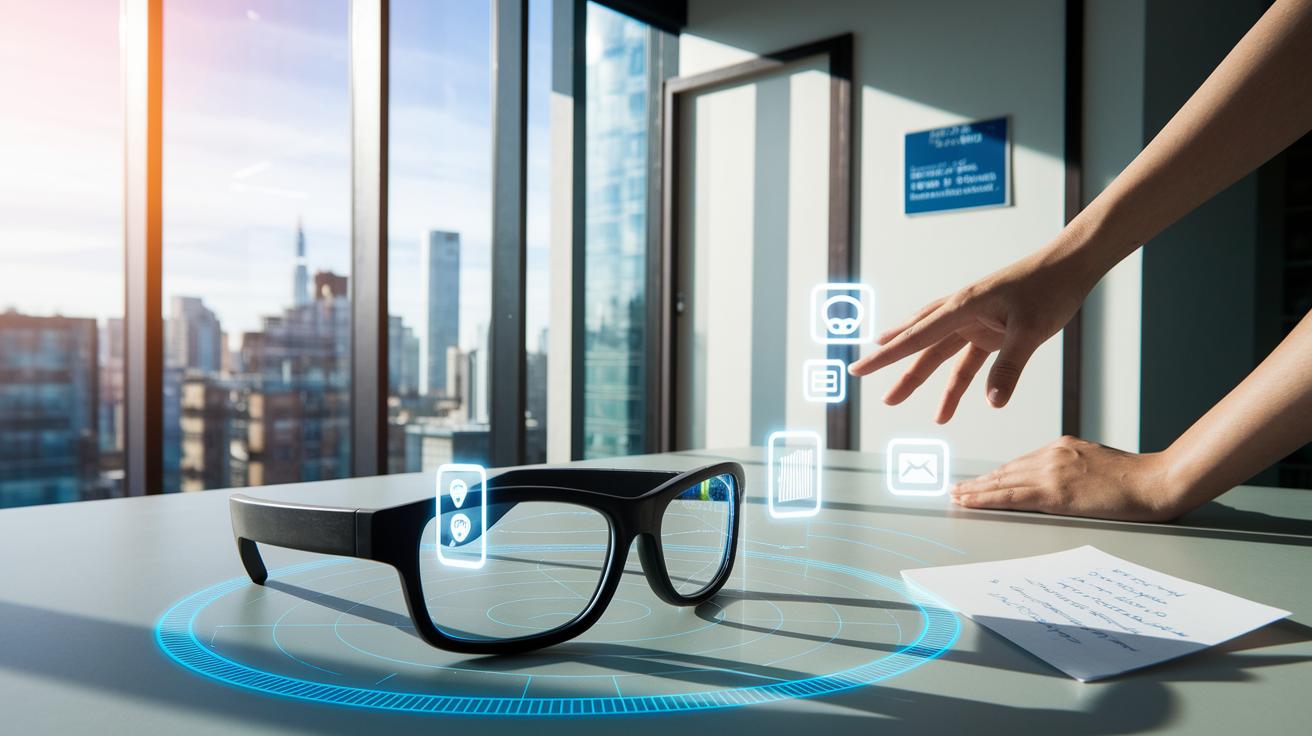
AI-based assistive spectacles use smart machine learning to instantly recognize objects, text, and signs. They work as a digital optical helper by spotting everyday items and cues in your surroundings. Using voice commands, the glasses provide clear spoken instructions to help you manage daily tasks, whether it means noticing a door sign or reading a handwritten note.
These smart glasses also come with Bluetooth navigation optics that connect easily with your smartphone. This connection allows for regular software updates and access to extra features, keeping the device current with the latest technology. The smooth integration of hardware and connectivity not only improves reliability but also offers personalized settings for your needs.
Together, object detection, hands-free voice commands, and reliable Bluetooth connectivity make these assistive spectacles a complete digital tool for the visually impaired. Designed to support both blind users and those with limited vision, the device enhances everyday navigation and orientation. Programs like GEM and non-profit equipment donations help reduce costs, making this voice-activated sight support accessible to more people. In short, this practical solution blends advanced digital technology with real-world support to deliver consistent, life-changing help every day.
Comparing AI-driven ocular devices: top smart glasses for low sight
These smart glasses blend artificial intelligence with hands-free operation to help people with low vision navigate daily life. They use computer vision (the technology that lets a device "see") to recognize objects in real time. With voice command support and machine learning for guidance, they can read text, identify faces, and even highlight routes for easier navigation.
We compared three standout systems: OrCam MyEye, eSight, and Aira. OrCam MyEye excels at recognizing text and faces. eSight offers a high-contrast video display that makes visuals sharp and clear. Aira steps it up with live remote agents who provide guidance as you need it. While prices range from about $3,000 to $10,000, each model is built to serve different needs and budgets. Battery life generally falls between 3 and 8 hours, which means you can count on them to last through a busy day.
| Model | Price | Key Features | Battery Life |
|---|---|---|---|
| OrCam MyEye | $3,000+ | Text and face recognition | 3-6 hours |
| eSight | $7,000+ | High-contrast video display | 4-8 hours |
| Aira | $10,000+ | Remote-agent support | 3-5 hours |
In the end, each device brings its own perks to the table. They all aim to boost independence and ease everyday tasks for low-vision users. Your best pick depends on what features matter most to you, the kind of support you want, and your budget.
Smart glasses for blind people: Empowering vision aid

When shopping for smart glasses that aid vision, think about how you'll use them every day. You want a pair that's light and comfortable enough to wear for hours without causing pressure or discomfort. If you get a chance to try them on, do it to ensure they fit securely and feel natural during your daily activities, whether you're indoors or out on the street.
It's also key to check on power and connectivity features. Look for a device with a battery that can last through your regular indoor and outdoor routines. Make sure it pairs easily with your smartphone, whether you're on iOS or Android, and that it receives regular software updates to stay current. Review the warranty details and customer support options too, as these can make a big difference in your overall experience and help you get the most out of the device.
Key points to keep in mind:
| Feature | What to Look For |
|---|---|
| Fit | Lightweight design, secure and comfortable for long wear |
| Power | Battery life that supports extended indoor and outdoor use |
| Connectivity | Compatible with iOS/Android and includes regular software updates |
| Warranty | Strong coverage to protect your investment |
| Support | Accessible customer service and training programs |
| Environment | Built to handle a range of daily conditions |
Real-life user testimonials: digital optical assist smart glasses in action
Maria is a regular grocery shopper who now tackles busy stores with confidence thanks to her smart glasses. Before using this digital optical assist system, she would steer clear of packed aisles and have trouble reading product labels. Now, with clear spoken guidance and real-time object detection, she quickly finds what she needs and feels more independent on every shopping trip.
Teacher David also praises these assistive spectacles for giving him back control in the classroom. Using simple voice commands and hands‑free operation, he easily manages lesson materials and daily activities without extra help. This boost in independence has made him more confident while reading labels, organizing supplies, and handling his routine tasks on his own.
At Lighthouse for the Blind of the Palm Beaches, community training sessions have helped many users feel comfortable with this advanced tool. One participant, Simon, shared that receiving a donated unit allowed him to use public transit with ease. His experience, along with others, shows how these smart glasses make daily routines smoother and help users regain self‑reliance.
Future advancements in sensor-based directional guidance smart glasses
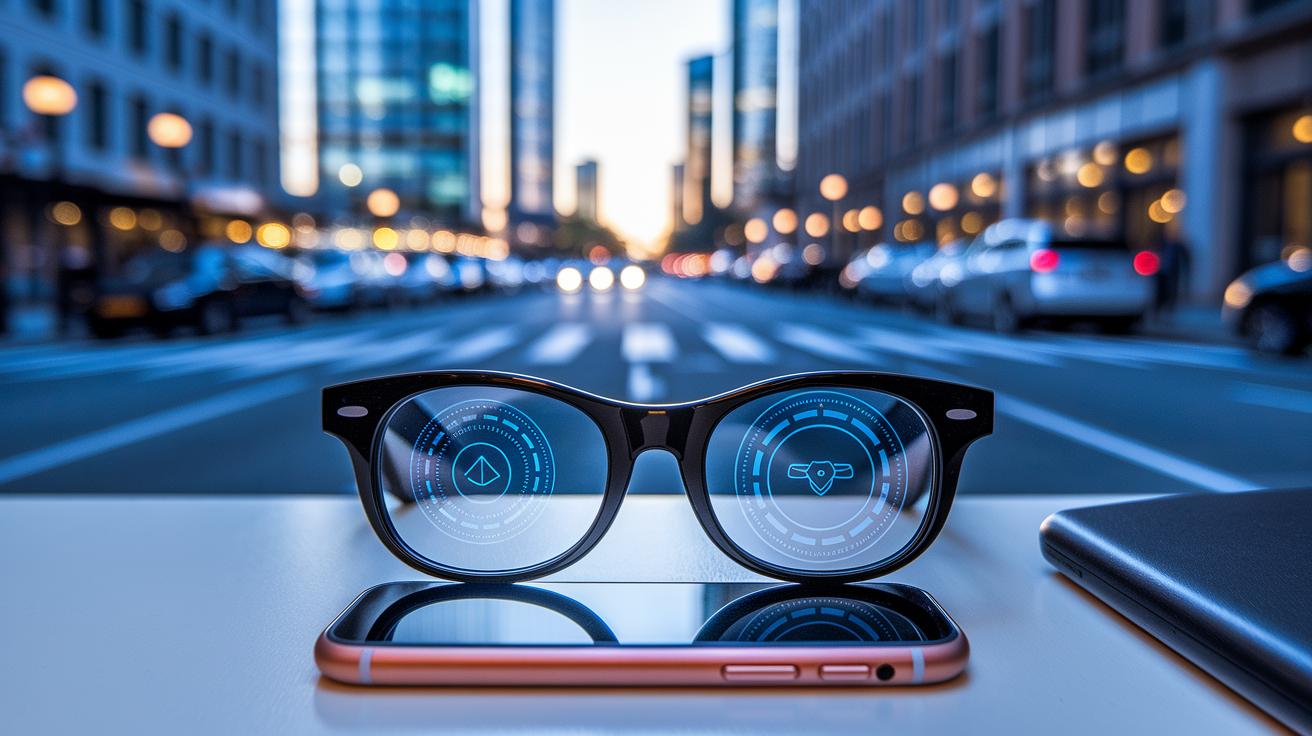
Researchers are exploring new 5G-enabled smart glasses that process data fast and use real-time cloud AI analysis. They focus on delivering quick details about nearby objects and hazards. Future models will use lightweight materials and batteries that last over 10 hours, so you won’t have to worry about recharging during a busy day.
Looking ahead, these smart glasses are set to work with IoT and smart-city setups to transform indoor navigation. Imagine walking through a crowded transit station while your glasses talk to local sensors, guiding you along the safest route. Early prototypes even offer gentle vibrations to alert you to obstacles and dynamic AR overlays that show helpful information about your surroundings. This blend of touch feedback and visual cues not only enhances spatial awareness but also gives users more confidence and independence every day.
Final Words
In the action, we saw how AI-powered smart vision glasses boost independence by offering object detection, hands-free voice commands, and real-time guidance. The review compared models, outlined practical buying tips, and shared uplifting user experiences all aimed at increasing everyday confidence.
These smart glasses for blind people stand as a valuable resource to improve independence. With ongoing advances in connectivity and battery life, future innovations promise even better support and ease of use.
FAQ
What are Envision Glasses?
The Envision Glasses are smart glasses designed to assist blind and low‑vision users by identifying objects, reading text aloud, and providing spatial feedback for increased independence.
What is the smart glasses for blind project PDF?
The smart glasses for blind project PDF outlines the goals and technical details of a wearable assistive system, explaining how AI and sensor-based feedback enhance daily navigation and independence.
What is the price of smart glasses for blind people?
The price of smart glasses for blind people varies, typically ranging from a few thousand dollars up to around $10,000, depending on features, build quality, and accompanying support services.
What are the best smart glasses for blind people?
The best smart glasses for blind people combine real‑time object recognition, voice-guided navigation, and reliable connectivity, all aimed at improving a user’s safety and independence.
What are glasses for the blind called?
Glasses for the blind are often called assistive smart glasses or digital optical assist systems, terms that reflect their use of AI and sensors to enhance environmental awareness for users.
How are smart glasses for blind people made using Arduino?
The smart glasses for blind people using Arduino integrate microcontrollers and sensors to offer basic object detection and spatial feedback, representing a DIY approach with limited functionality compared to commercial models.
What are Black Glasses for blind people?
Black glasses for blind people usually refer to assistive smart glasses with dark‑toned frames designed for everyday use, integrating advanced features like object recognition and audio feedback in a discreet design.
Can smart glasses help blind people?
Smart glasses help blind people by employing AI to recognize objects, read printed text, and provide directional cues, which collectively enhance everyday navigation and personal independence.
What are Meta glasses for the blind?
Meta glasses for the blind refer to advanced smart glasses possibly developed by Meta that incorporate augmented features and smart sensors to assist users, though specific details and availability may vary by market.