
Ever thought your glasses could do more than help you see? Imagine a sleek accessory that not only improves vision but also sends texts, plays your favorite tunes, and even chats with Siri. Apple is working on making this a reality with smart glasses that combine timeless style with modern tech. Expected to launch in 2026, these glasses will sync easily with your iPhone and other devices, adding a practical twist to your daily routine. They might just change the way you interact with technology every day.
smart glasses apple: Bold, Brilliant & Chic
Apple is stepping into the smart wearables market with its upcoming smart glasses, a fresh, AI-focused device that brings a new layer to its ecosystem. Rumor has it that we’ll see a preview in 2026, followed by an official retail launch in early 2027. The glasses will work closely with the iPhone, letting you get notifications, control your music, and chat with Siri, all without taking your phone out of your pocket.
These glasses aren’t just about cool looks. They’re designed to connect smoothly with other Apple products like AirPods and the Apple Watch, so you get a unified experience across your devices.
Apple is betting big on the future by planning to roll out at least seven extended reality projects through 2028, with these smart glasses leading the charge. Instead of getting lost in flashy AR features, Apple is focusing on useful, everyday functions like hands-free notifications, navigation, and media control, all built into a sleek, minimalist design.
And it doesn’t stop there. A next-generation model with augmented reality displays is already on the horizon for 2028. With smart AI handling both simple tasks and more advanced features via your iPhone, these glasses promise to bring together classic Apple reliability and cutting-edge technology in a stylish package.
Design & Ergonomic Features of Apple Smart Glasses

Apple Smart Glasses feature a refined look that mixes high-quality metal with durable plastic. They come in several stylish shades and borrow design hints from the Apple Watch, so even small details, like a soft shift in color along the frame, speak of understated class.
They’re designed for real comfort. The glasses are lightweight with tapered temple arms that help them sit snugly, even during long days of wear. Cleverly hidden electronics inside slim temple modules keep the design clean without any extra bulk.
Plus, with adjustable nose pads and a unisex frame shape, these glasses offer a fit that feels custom-made for any face. You'll adjust them once and then almost forget you're wearing them, making them a perfect everyday tech accessory.
Hardware Components & Optical Systems in Apple Smart Glasses
Apple's smart glasses hide powerful technology behind a sleek design. Deep inside, you'll find a custom chip taken from the Apple Watch that handles AI tasks directly on the device. This means the glasses respond immediately to your commands and blend your digital world with reality.
They also come equipped with a pair of cameras that capture clear, high-definition visuals. This camera duo works with smart software to analyze your surroundings and deliver augmented reality views that mix practicality with crisp optics.
What really sets these glasses apart is their range of sensors. They track your eyes and head and can even recognize objects, making every interaction feel natural. Quick taps to snap a photo or trigger a function depend on these sensors. Meanwhile, tiny speakers placed near your ears pump out clear, spatial sound whether you're getting notifications or watching media.
Each piece works together to offer both technical brilliance and everyday ease in a stylish wearable.
| Component | Function |
|---|---|
| Custom SoC | On-device AI tasks |
| Cameras | Scene capture & AR feed |
| Sensors | Eye/head tracking & object recognition |
| Speakers | Spatial audio output |
Software Interaction & Control Systems in Apple Smart Glasses
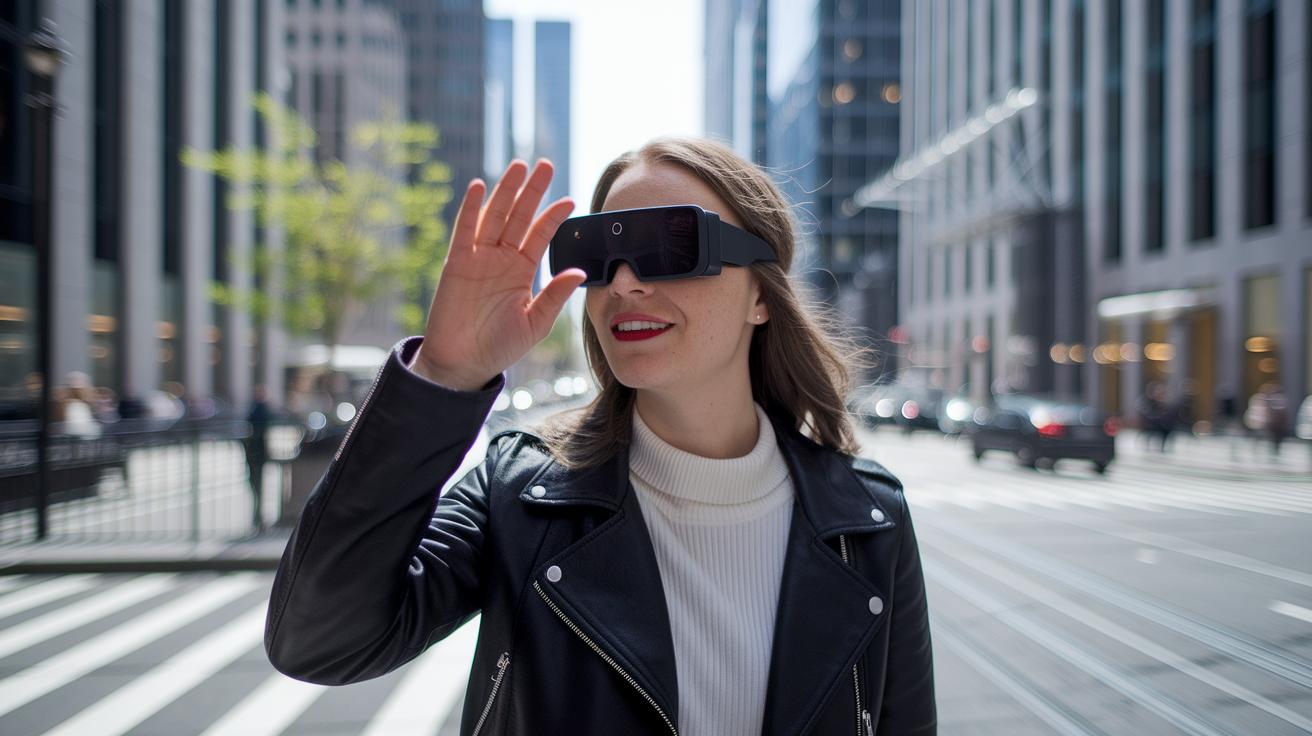
Apple Smart Glasses mix digital features with your everyday life in a natural way. You can use simple gestures like tapping to take a photo while also relying on Siri voice commands to handle tasks, so you don’t need to pull out your iPhone.
Every feature is built to keep distractions low while still packing in plenty of function. For example, a tap gesture quickly records a spatial video with depth mapping, capturing details that ordinary videos might miss. Siri lets you ask for on-the-spot translations or object recognition as you go about your day. The glasses handle basic commands instantly and pass more complex ones to your iPhone for extra processing power.
The glasses work closely with Apple’s suite of apps. They link effortlessly with Maps for live AR navigation, Messages for quick replies, and Health for tracking fitness. This tight integration creates a smooth, immersive experience that keeps you connected without juggling multiple devices.
Key software features include:
- Tap gestures for camera and media controls
- Siri voice commands for everyday tasks
- Spatial video capture with depth mapping
- Live overlays that recognize objects
- Real-time translation subtitles
- AR navigation using Apple Maps
Ecosystem Connectivity & Integration for Apple Smart Glasses
These smart glasses go beyond basic connectivity. They use advanced Bluetooth and Ultra Wideband technology to keep things smooth and nearly instantaneous.
With spatial computing, your devices know exactly where they are, allowing for smart, context-aware interactions. This means switching between your iPhone, AirPods, and Apple Watch feels effortless, while still keeping your workout and health data in sync. (For more details, check out the Apple Watch Setup.)
Pricing, Launch Timeline & Future Roadmap of Apple Smart Glasses
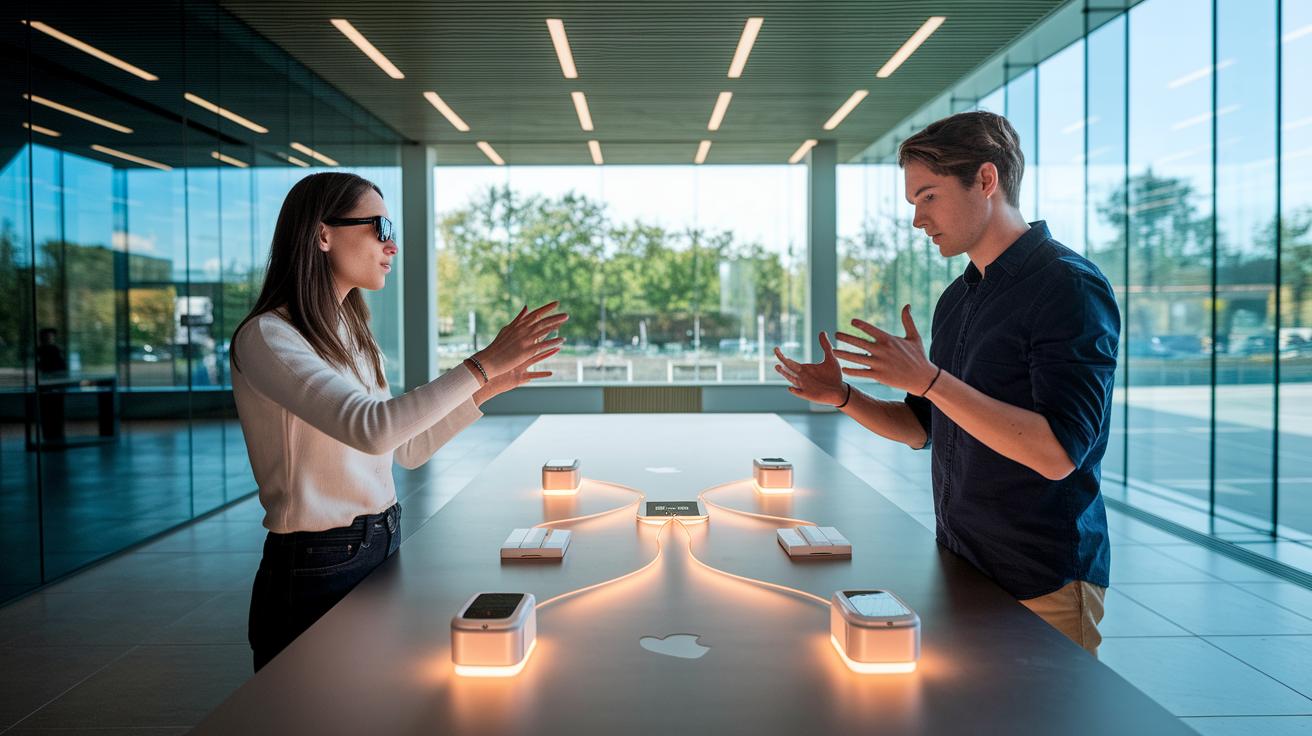
Apple's upcoming smart glasses are set to hit a midrange price that fits neatly between the AirPods Pro at $219 and the Apple Watch starting at $399. This pricing strategy aims to blend premium design with affordability, similar to Meta's Ray-Ban collaboration which kicks off at $380. We believe this approach will appeal both to devoted Apple fans and newcomers excited about wearable tech.
Experts predict that Apple will first reveal the glasses in December 2026, with them appearing in stores by early 2027. This timing fits into Apple’s broader plan to weave more AI-powered features into its lineup. Imagine using a device as natural as slipping on your favorite AirPods, yet one that syncs flawlessly with all your other Apple gadgets.
Looking to the future, Apple's roadmap includes a second-generation model boasting augmented reality displays, anticipated to launch in 2028. The AR market is booming, currently valued at $32.1 billion and growing about 33.5% each year, and it might even top $300 billion by 2030. All of these steps underline Apple’s goal to not only drive tech innovation but also pave the way for the next era of wearable computing.
Comparing Apple Smart Glasses with Meta Ray-Ban & Other AR Wearables
Apple’s smart glasses take a unique direction in a crowded field. While Meta’s Ray-Ban Meta glasses, priced from $380, catch the eye with bold AR effects, Apple opts for simplicity and everyday practicality. This design fits perfectly with other Apple devices like the iPhone, AirPods, and Apple Watch, making it easy to stay connected.
In contrast to Snapchat Spectacles, which focus on social media but fall short on advanced AI object recognition, Apple’s glasses are all about practical functionality. They let you receive notifications, manage your media, and interact with simple touch controls. This friendly design and smooth integration mean you get more than just standalone AR features.
By blending with a well-established ecosystem, Apple delivers a balanced and useful experience. As augmented reality grows in popularity, Apple’s commitment to both cutting-edge technology and seamless connectivity might be exactly what many users are looking for.
Final Words
In the action, we explored how smart glasses apple could redefine everyday experiences. We reviewed the design, hardware, and software that make these glasses an enticing option for practical use. From seamless connectivity with your iPhone and AirPods to a projected release that fits neatly into your tech ecosystem, every detail promises usefulness over gimmicks.
This review shows a promising balance between innovation and everyday reliability. The future looks bright for those ready to embrace smart glasses apple as part of their daily tech toolkit.
FAQ
Q: Are Apple making smart glasses?
A: Apple is developing smart glasses as its first AI-centric wearable, integrating features like notifications, voice control, and AR functions into a sleek design.
Q: When will Apple smart glasses be released?
A: Rumors point to an announcement in December 2026 with retail availability in early 2027, marking Apple’s formal entry into the smart wearable market.
Q: How much are Apple smart glasses expected to cost?
A: Estimates suggest a price point between the AirPods Pro at $219 and the Apple Watch starting at $399, with some reports hinting at a potential $499 model.
Q: What makes Apple’s new $499 glasses special?
A: The glasses blend everyday utility with Apple ecosystem integration, offering on-device AI, intuitive controls like touch and Siri commands, and a design that complements other Apple devices.
Q: What about Apple Vision Pro and its potential successors?
A: While Apple Vision Pro has faced market challenges partly due to pricing and scope, rumors of a Vision Pro 2 imply iterative upgrades, though official details remain unconfirmed.
Q: Are there any Apple Vision Pro glasses?
A: The term “Apple Vision Pro glasses” often refers to anticipated designs that merge AR with eyewear, but Apple’s upcoming smart glasses will likely represent a separate, more practical product.
Q: How do Ray-Ban smart glasses compare to Apple’s approach?
A: Ray-Ban smart glasses, a collaboration with Meta, focus on flashy AR overlays, whereas Apple’s smart glasses prioritize subtle integration and everyday functionality with its established ecosystem.