
Ever wondered if you could create your own smart glasses? With open source smart glasses, you mix technology with creativity and unlock endless possibilities. They bring together tiny computer parts, handy sensors, and a clear optical display that runs on Linux (an open system). This DIY project not only lets makers experiment but also lets you adjust both hardware and software to meet everyday needs. In short, these glasses invite you to dive into wearable tech and redefine what glasses can do.
Understanding the Open Source Smart Glasses Ecosystem
Open source smart glasses mix advanced eyewear with tiny computer parts, smart sensors, and clever optical tech. They use a small optical engine to project clear, detailed images onto a special lens or even straight onto the retina. This design keeps the glasses compact without cutting corners on display quality. Many use boards like the Raspberry Pi or FPGAs to run a full Linux system and manage sensors through simple pin connections. This open setup means you get full control over the code, letting you tweak and add features for uses like interactive learning or augmented reality trips.
These glasses are all about community and customization. Makers and developers can change both the hardware and software to match their needs, making them a true example of crowd-powered tech. With sensors that measure light, detect movement, or gauge depth, these devices can understand both the environment and what you need at the moment. The result is more than just a gadget, it’s a starting point for creative projects and a collaborative space that keeps pushing the limits of smart, wearable tech.
Key features include:
- A compact optical engine that projects detailed images onto a combiner lens or directly onto the retina.
- A capable processing unit often built using Raspberry Pi boards or FPGAs to run a full Linux system.
- An integrated sensor suite with ambient light, motion, and depth sensors that makes the glasses smart about their surroundings.
- Complete code freedom, so you can modify and enhance functionality to meet your needs.
- A community-driven design that makes it easy to customize and improve over time.
Leading Open Source DIY Mixed‐Reality Glasses Kit Projects
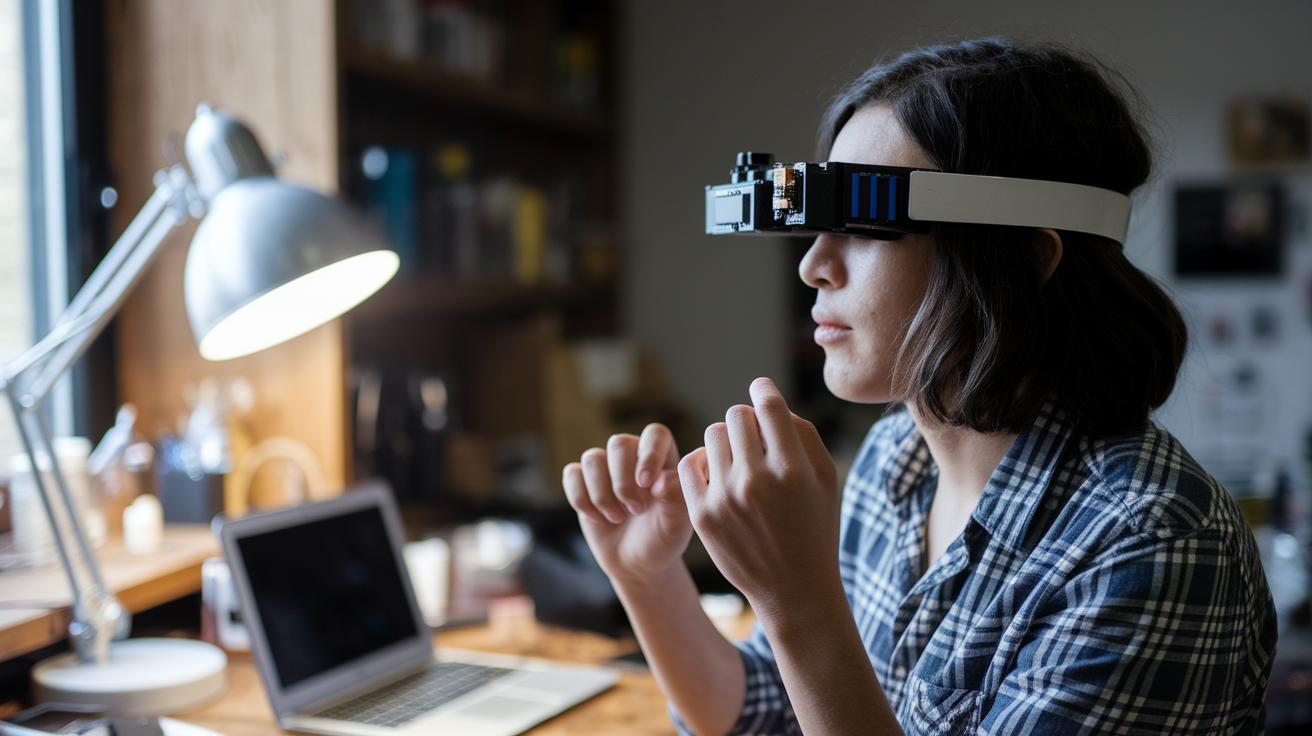
Open source projects are giving makers a fun way to turn everyday glasses into smart AR devices. Two projects really stand out. OpenGlass offers a kit that transforms regular frames into AI-powered smart glasses. It uses common parts like the XIAO ESP32S3 Sense microcontroller, an EEMB LP502030 battery, and even a 3D-printed mount, all for about $20.
Meanwhile, the HALO project takes a fresh spin on AR eyewear. Set to launch on August 1, 2025, HALO mixes AI with creative design and joins a larger ecosystem that covers immersive learning, XR travel, and expert advice.
| Project Name | Main Parts | Cost | Launch Date |
|---|---|---|---|
| OpenGlass | XIAO ESP32S3 Sense, EEMB LP502030 battery, 3D-printed mount | $20 | N/A |
| HALO | AI modules, creative interface design, immersive ecosystem support | N/A | August 1, 2025 |
Both projects make it easy to build personalized AR kits. They allow developers and hobbyists to dive into custom AR experiences, show the power of community-driven tech hacks, and spark creativity in mixed reality design.
Hardware Components of Open Source Smart Glasses
These smart glasses pack a small optical engine, a compact computer board, a host of sensors, and clever power solutions into one design. Because they’re open source, you can easily tweak and upgrade almost every part of them.
Optical Engine
They use micro-LED or LCoS modules to create images. The type of combiner – either a partial mirror or a waveguide – affects how clear the image looks. For more on optical tech, check out this link on smart glasses with camera.
Computational Unit
A Raspberry Pi board usually drives these glasses, running full Linux and managing sensor data through its GPIO pins. You can also add an FPGA to speed up video processing or link the glasses with a smartphone for extra power on tougher tasks.
Sensor Suite
A mix of sensors, including IMUs, depth cameras, and ambient light sensors, helps the glasses understand their surroundings. This setup supports smooth motion tracking and environmental awareness, so the device reacts smartly to changes around you.
Power Systems and Mounting
Rechargeable Li-Po batteries, like the EEMB LP502030, provide steady power. These batteries are often set in a custom 3D-printed mount designed to balance the device’s weight for comfortable wear over long periods.
Display Integration
Display parts like combiners and waveguides merge projected images with what you see in real life. The focal distances are carefully tuned to keep visuals sharp and reduce eye strain, letting you enjoy augmented visuals without distraction.
Software Platforms and Customization Workflow for Open Source Smart Glasses

Starting off, you flash the firmware from the OpenGlass GitHub to get your smart glasses up and running. Developers then add the needed software pieces for the XIAO ESP32S3 Sense microcontroller, setting everything up for more advanced tweaks. Once the firmware is in place, the system taps into APIs from Groq and OpenAI to offer features like life logging, recognizing faces, spotting objects, and translating text. Meanwhile, Linux-based single-board computers run custom modules that handle sensor data from GPIO pins. Easy-to-follow code examples and step-by-step guides let even newcomers start prototyping quickly, all while keeping full control of their digital vision tools.
After the firmware is loaded and the APIs are linked, the focus moves to development tools and contribution workflows. This open platform runs on a robust Linux environment where you can build and test custom modules, even using devices like the Raspberry Pi. Developers can dive into source repositories filled with sample code for digital lens features, which simplifies tasks like sensor calibration and handling live data. Clear guidelines and code samples help with troubleshooting and tweaking designs. Community members work together to improve life logging and object detection modules, creating a true team effort. This transparent approach to firmware and open API modules lets both hobbyists and pros boost functionalities and drive fresh, innovative app ideas for smarter, more versatile eyewear.
Community Resources for Collaborative Open Source Smart Glasses Development
Active Discord channels, detailed OpenGlass academy modules, and bustling GitHub repositories are the heart of our open source smart glasses community. Makers, developers, and enthusiasts come together to swap ideas, share hands-on tips, and work through design challenges. People here discuss everything from small code fixes and hardware upgrades to bold new project ideas that push the limits of what smart glasses can do.
This community is backed by a strong support network. With a 30-day return policy and a one-year warranty on certain community kits, you can experiment with new builds and modifications with confidence. Knowing that help is available gives users peace of mind when trying out new ideas.
Additionally, cross-disciplinary forums invite people from diverse fields, like XR tourism and extended reality apps, to exchange technology insights. These spaces help everyone expand their technical know-how and work together on breakthrough projects. This spirit of crowd-sourced innovation keeps inspiring fresh, practical approaches to developing augmented optics.
Case Study: OpenGlass Project for Maker-Focused Open Source Smart Glasses
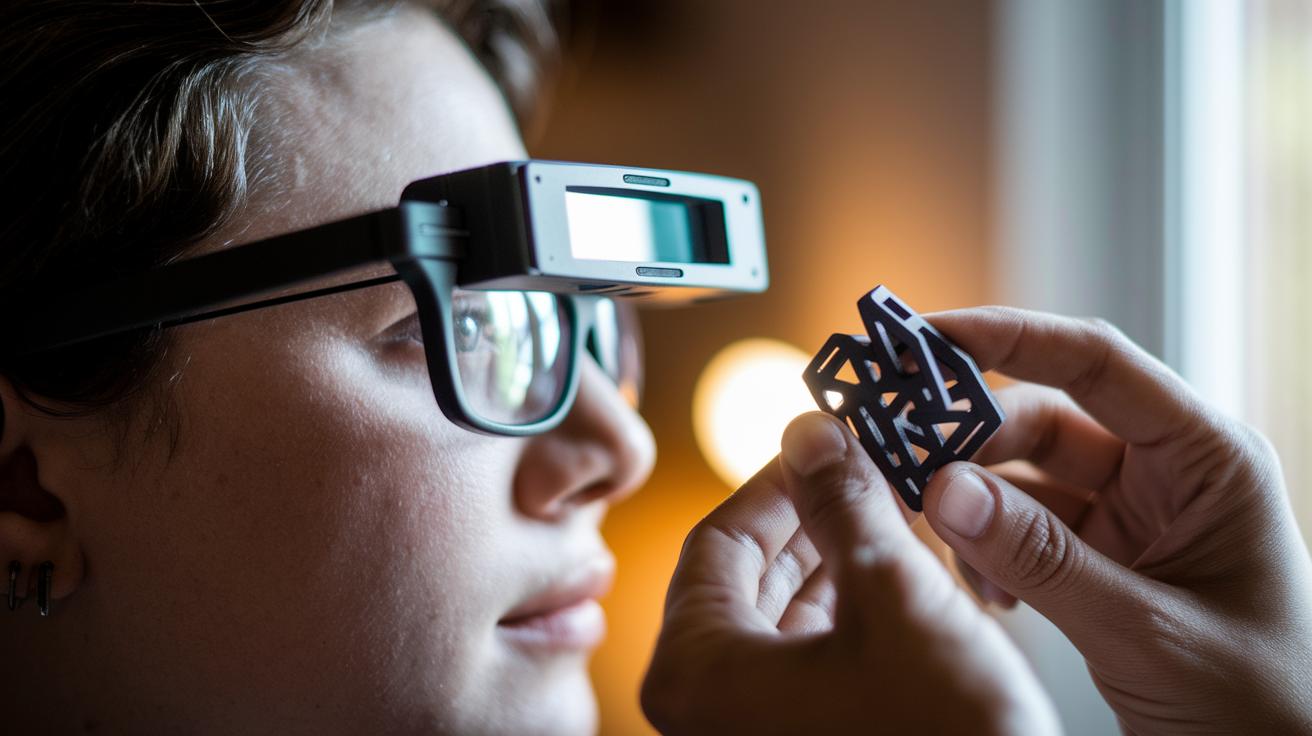
The project brings together a XIAO ESP32S3 Sense microcontroller, an EEMB LP502030 battery, and a custom 3D-printed mount for about $20 total. This setup transforms everyday glasses into a hackable augmented reality device without breaking the bank.
One of the best parts is how fast you can get it running. Makers can load the firmware, add the needed software, and try out features like recording daily life, recognizing faces, spotting objects, and translating text with Groq/OpenAI in less than 30 minutes. This makes it perfect for rapid prototyping.
The project also thrives on community input. Contributors regularly share tweaks and improvements that boost the kit’s performance. This collaborative spirit keeps the design and software fresh and continuously evolving.
Challenges and Future Outlook for Open Source Smart Glasses
Today’s open source smart glasses run into several very practical issues. The small size of the hardware keeps designers from adding too many components without making the glasses uncomfortable. Battery life is another sticking point since fitting a powerful, long-lasting battery into a thin frame pushes current limits. On top of that, software fragmentation creates extra work for developers who must support multiple operating systems and firmware versions. This leaves many potential users questioning whether these glasses can be reliable and easy to use. We need ongoing collaboration to smooth out these bumps so that innovation can truly take off.
Looking ahead, there are plenty of promising changes on the horizon. Tighter integration with smartphones is set to create a more seamless experience and unlock extra features when paired with everyday mobile devices. New low-power computing models will likely improve battery performance, addressing one of today's biggest challenges. And with emerging applications in areas like XR tourism and industrial work, open source smart glasses could soon turn routine tasks into interactive experiences that are both accessible and tailored to different needs.
Final Words
In the action, the article explored the journey of open source smart glasses through hands-on testing and clear component breakdowns. We examined the optical engine, computation, sensor setups, and software customization, while also weighing project comparisons and community support.
Each section brought practical insights and honest trade-offs. This guide shows you how these devices meet everyday needs and future trends. The future looks bright for open source smart glasses, offering real value and innovation for a range of users.
FAQ
What does “open source smart glasses Reddit” refer to?
Open source smart glasses Reddit refers to community threads where users share experiences, troubleshooting tips, and modifications, offering real-world insights into various DIY smart glasses projects.
What are the best open source smart glasses?
Best open source smart glasses combine robust hardware like optical engines and sensor suites with full code freedom, enabling extensive customization and active community support.
What defines open source smart glasses with display?
Open source smart glasses with display incorporate transparent screen technology using combiners or waveguides, providing clear augmented visuals alongside the real world.
What features do open source smart glasses with camera include?
Open source smart glasses with camera include integrated imaging modules, which support live recording, object recognition, and contextual data capture in various environments.
What is the typical price range for open source smart glasses?
Open source smart glasses price varies widely, with entry-level DIY kits starting around $20 and more advanced options requiring higher investments based on added features.
What are open source AR glasses?
Open source AR glasses are augmented reality devices developed by a community, emphasizing flexible code, extensive customization, and continuous innovation through shared development.
What is Brilliant Labs known for in this context?
Brilliant Labs is recognized for contributing to open source smart glasses and mixed reality projects, sharing resources and innovations that support community-driven development.
What is the role of GitHub in open source smart glasses development?
Open source smart glasses GitHub repositories house project codes, blueprints, and guides, enabling collaborative enhancements and easy customization by the maker community.