
Ever wondered if you could track your fitness without strapping on a heavy watch? There are smart fitness trackers that let you move freely without extra gear cluttering your wrist. These devices come in many shapes and sizes, rings, chest straps, and clip-ons, and they record your progress without getting in your way. In this article, we'll explore how these clever tools limit constant notifications while keeping you active. We'll break down each option so you can see how they make tracking your workouts comfortable and modern.
Overview of Non-Watch Fitness Trackers
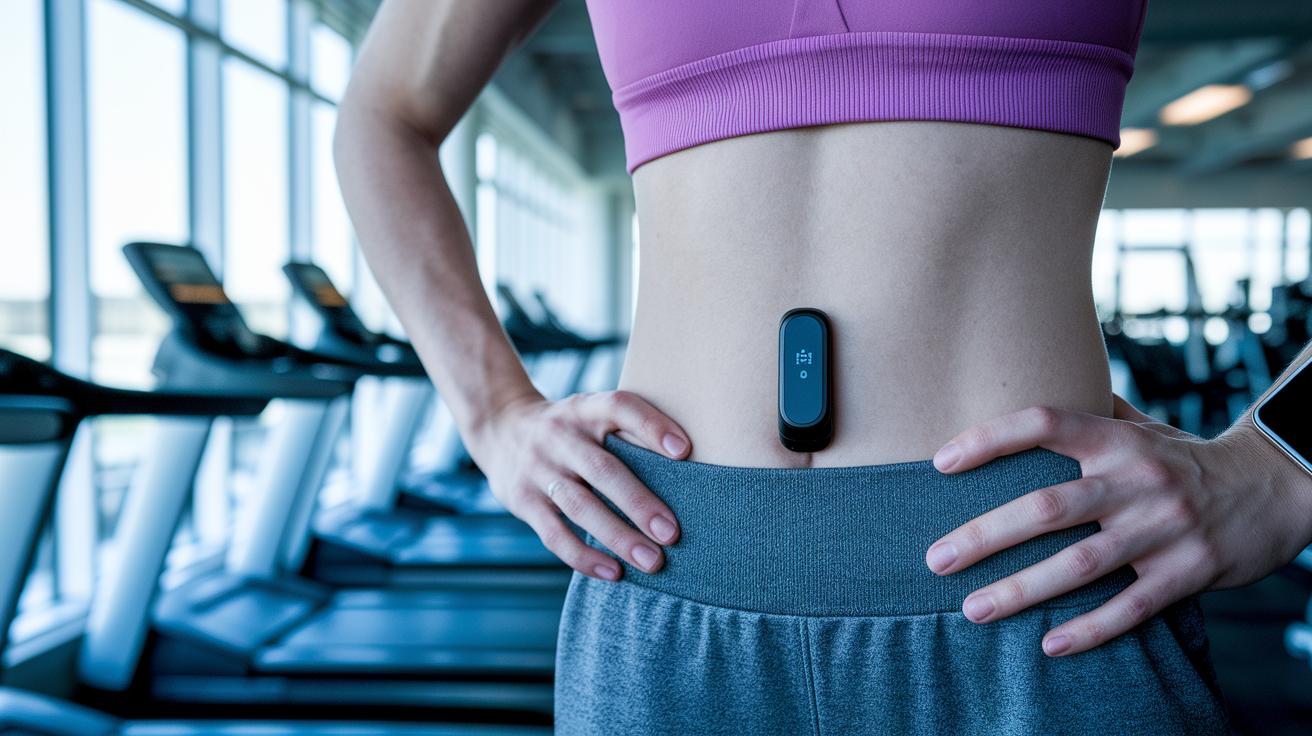
Non-watch fitness trackers give you a way to track your activity without wearing a bulky watch. They feature smart designs like clip-on sensors or slim exercise bands that let you move freely without constant notifications.
These trackers come in many forms, each made for different needs while keeping your wrist free. Their clean, low-profile designs work well for athletes and casual users alike. They deliver real-time data through easy-to-read companion apps so you can focus on your workout without distractions.
Here are some common types:
- Ring: Compact devices, such as the Oura Ring 4, that monitor wellness and sleep through a paired app.
- Chest Strap: Elastic bands with sensors that use electrocardiography (ECG) to measure heart rate accurately during exercise.
- Clip-On: Small sensors that attach to your clothes or shoes, offering versatility and a low-key profile.
- Screen-Free Band: Lightweight bands that provide essential metrics without a power-hungry display.
- Armband: Sensors worn on the upper arm designed for specific metrics like sleep tracking while staying out of the way.
One big plus with these trackers is battery life. Rings and screen-free bands usually last from five to seven days, while chest straps may go up to a month due to their low power use. Though chest straps deliver excellent ECG accuracy compared to wrist sensors, comfort and placement can vary. This blend of long battery life and effective performance helps you pick a tracker that fits your workout style and activity level.
Design Options for Non-Watch Fitness Trackers
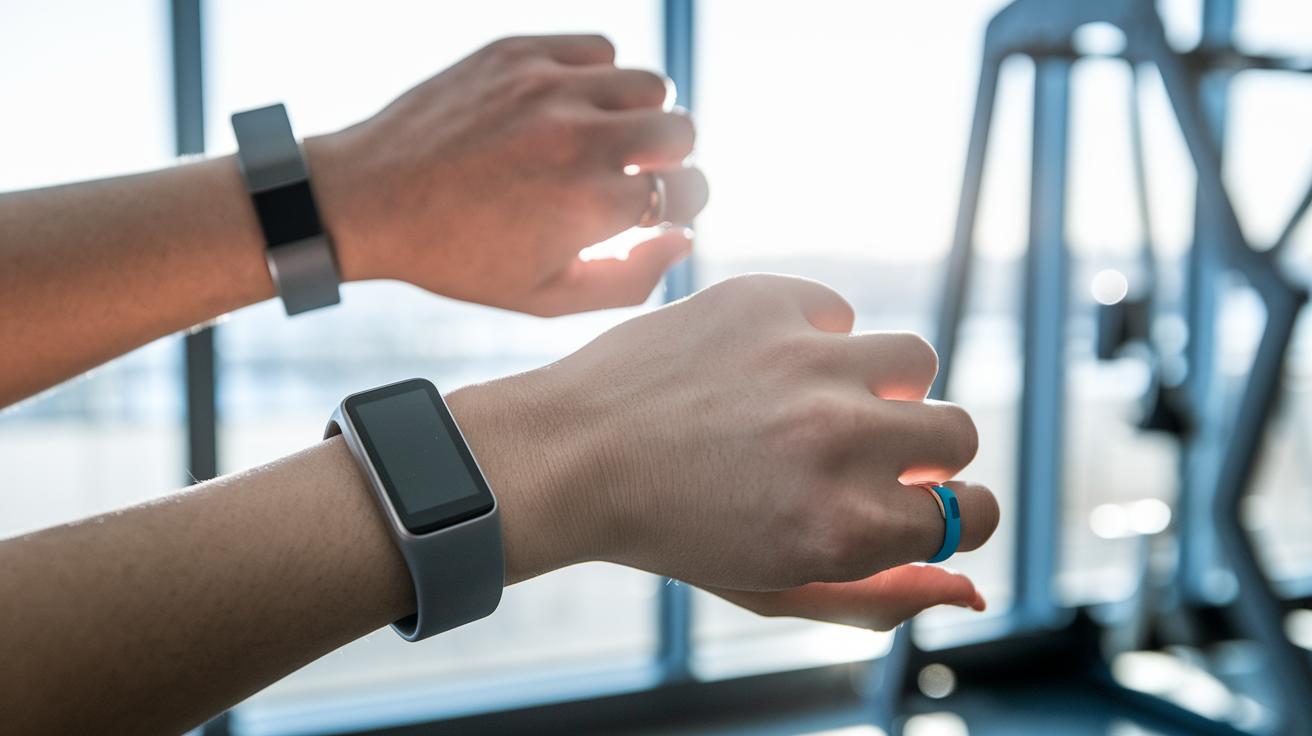
Non-watch fitness trackers come in different shapes and sizes that offer specific functions without getting in your way. For instance, ring trackers sit comfortably on your finger and quietly record sleep and wellness data. Chest straps, fitted with special sensors for ECG (electrocardiogram) readings, are perfect for intense workouts. Clip-on sensors can attach to your clothes or shoes for added flexibility, while screen-free wrist bands focus on essential tracking and help extend battery life. Every design aims to provide accurate sensor placement and comfort so you can concentrate on your exercise, not on fiddling with your device.
| Design Type | Key Features | Typical Battery Life | Primary Use |
|---|---|---|---|
| Ring Trackers | Lightweight, no display, accurate sleep and wellness data | Up to 7 days | Overall wellbeing monitoring |
| Chest Straps | Flexible with ECG sensors, no built-in screen | Several months (with a replaceable battery) | Precise heart rate monitoring |
| Clip-On Sensors | Attaches to clothes or shoes, motion detection | About 1-2 weeks | General activity tracking |
| Screen-Free Wrist Bands | Slim design with optical sensors, low power consumption | Up to 1 month | Daily movement monitoring |
Good design is key to staying comfortable and getting reliable data. A tracker that fits snugly and is light on your wrist or finger means you won't be distracted during your workout, and the sensors stay in steady contact with your skin for more accurate tracking.
Non Watch Fitness Tracker: Enjoy Active Living
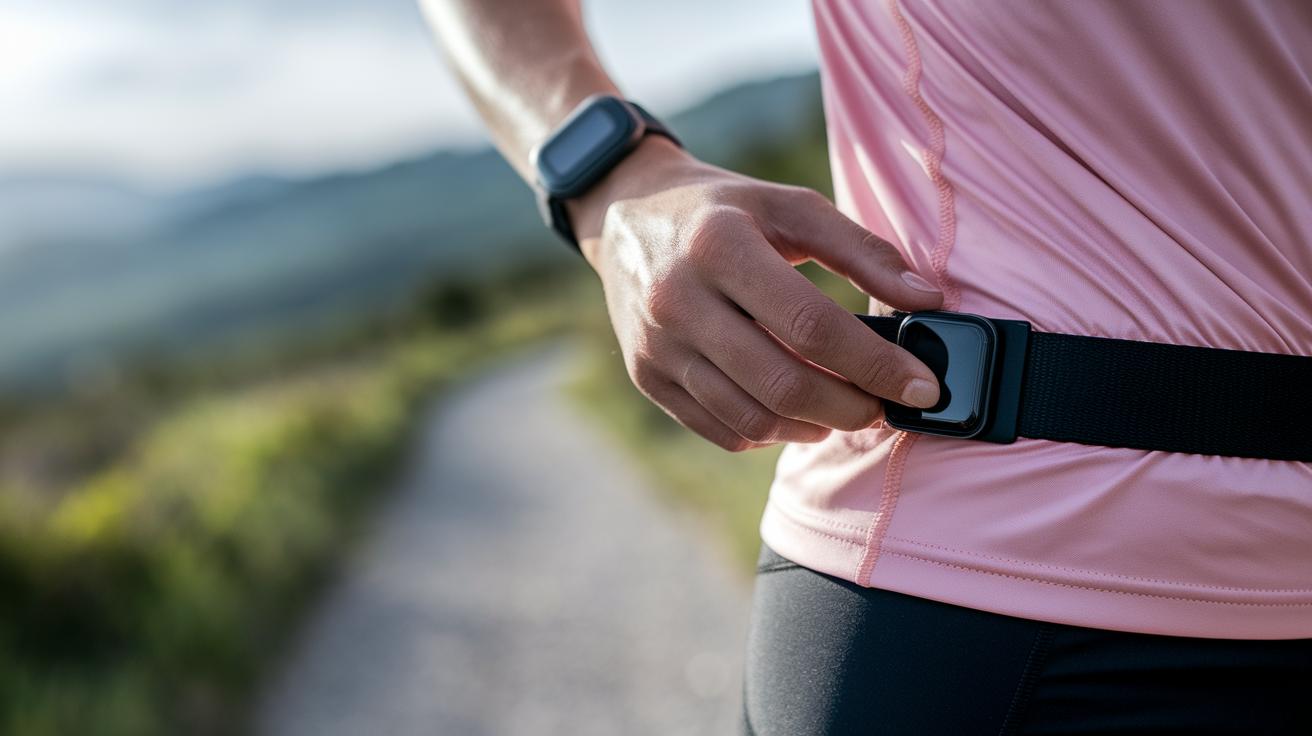
Clipped or banded trackers are perfect for active users who want to stay light and flexible. These devices easily attach to your wrist, clothing, or even shoes, letting you work out without the bulk of a traditional watch. They deliver key health stats and track your exercise so you don't miss a beat. Whether you're doing high-intensity workouts or your everyday routine, a tracker that clips on securely lets you move freely without fuss.
| Model | Wearable Style | Display | Battery Life | Price |
|---|---|---|---|---|
| Fitbit Inspire 3 | Dual-mode (wrist or clip) | Small AMOLED | 7–10 days | Premium |
| Xiaomi Smart Band 10 | Flexible clip-on/band | Color touchscreen | Up to 14 days | Budget-friendly |
| Amazfit Helio Strap | Wrist/arm versatile | None | Approximately 10 days | Economical |
| Garmin Index Sleep Monitor | Upper-arm band | None | Extended (up to 30 days) | Premium sleep tracker |
When picking between a wrist-free band and a clip-on sensor, think about your usual workouts and what feels comfortable. If you need continuous, detailed tracking during varied activities, then a clip-on or dual-mode device like the Inspire 3 is a smart choice. But if you prefer something simple with longer battery life, a basic band or an upper-arm sleep monitor might be the way to go. Matching your device to your lifestyle means you can focus on enjoying your active routine.
Smart Rings and Advanced Wearable Sensors
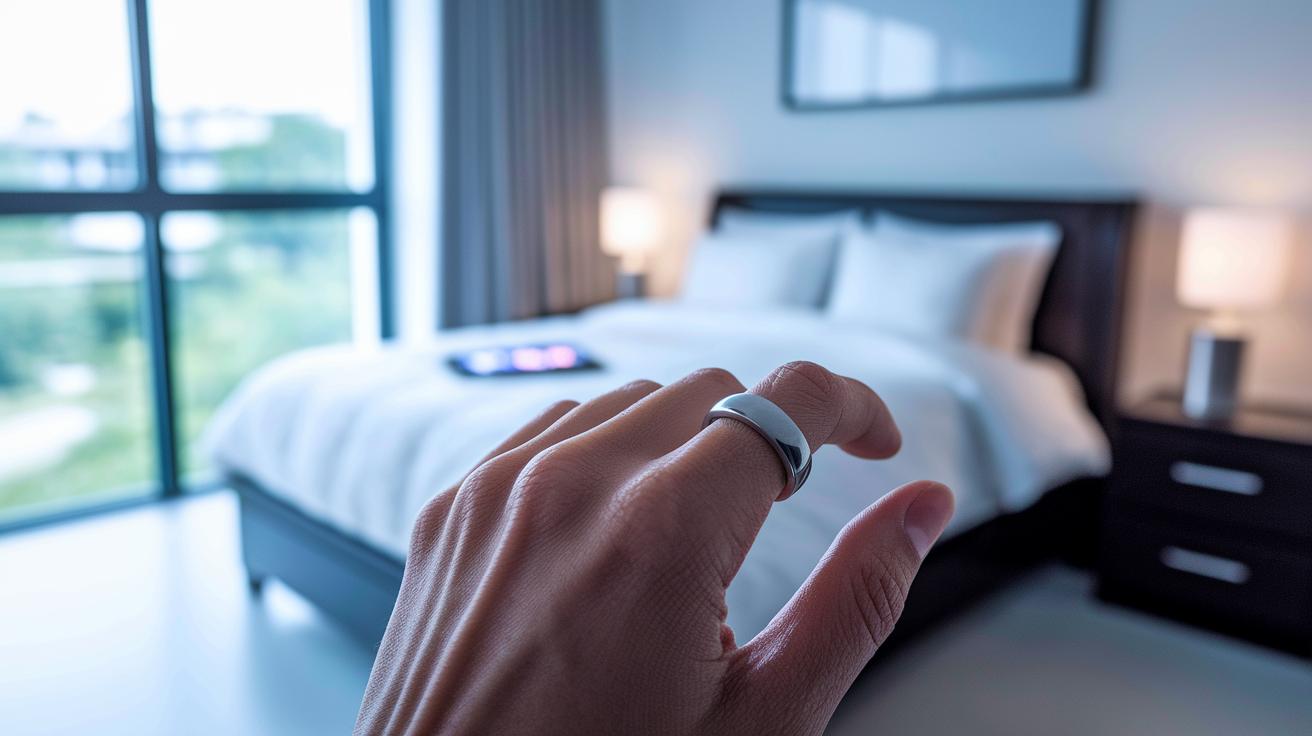
Smart rings are a neat way to keep track of your health without the bulky feel of a smartwatch. They slip on easily to monitor your sleep, activity, and stress levels all day, letting you get useful details without drawing attention.
Oura Ring 4
The Oura Ring 4 comes with a high price, and it shows you’re getting one of the best. Its battery easily lasts around 7 days, which is great for a device that doesn’t have a screen. It works with a companion app to log your sleep, stress, and activity, giving you smart insights even if its design can feel a bit chunky.
Samsung Galaxy Ring
The Samsung Galaxy Ring is a strong pick if you want something that fits both your budget and your daily routine. With no monthly fees and a battery performance that compares well with others in its class, it pairs smoothly with Samsung Health. Its slim design tracks heart rate, sleep, and activity without interrupting your everyday style.
Ultrahuman Ring Air
The Ultrahuman Ring Air is a lightweight titanium option mainly built for sleep tracking and understanding your body’s natural rhythms. It is priced competitively and boasts a battery that lasts several days, making it a solid choice for ongoing health monitoring. Although its circadian rhythm insights work well, the technology is still being fine-tuned a bit.
When you compare smart rings to other wearables that aren’t watches, you find that rings are all about comfort and continuous wear. They stay in close contact with your skin, which is perfect for sleep and wellness tracking. Other devices, like chest straps, might give you more precise heart rate readings using ECG sensors. In the end, smart rings are a subtle yet powerful tool for anyone who wants a low-profile, always-on health monitor.
Chest Strap Monitors for Accurate Heart Rate Tracking
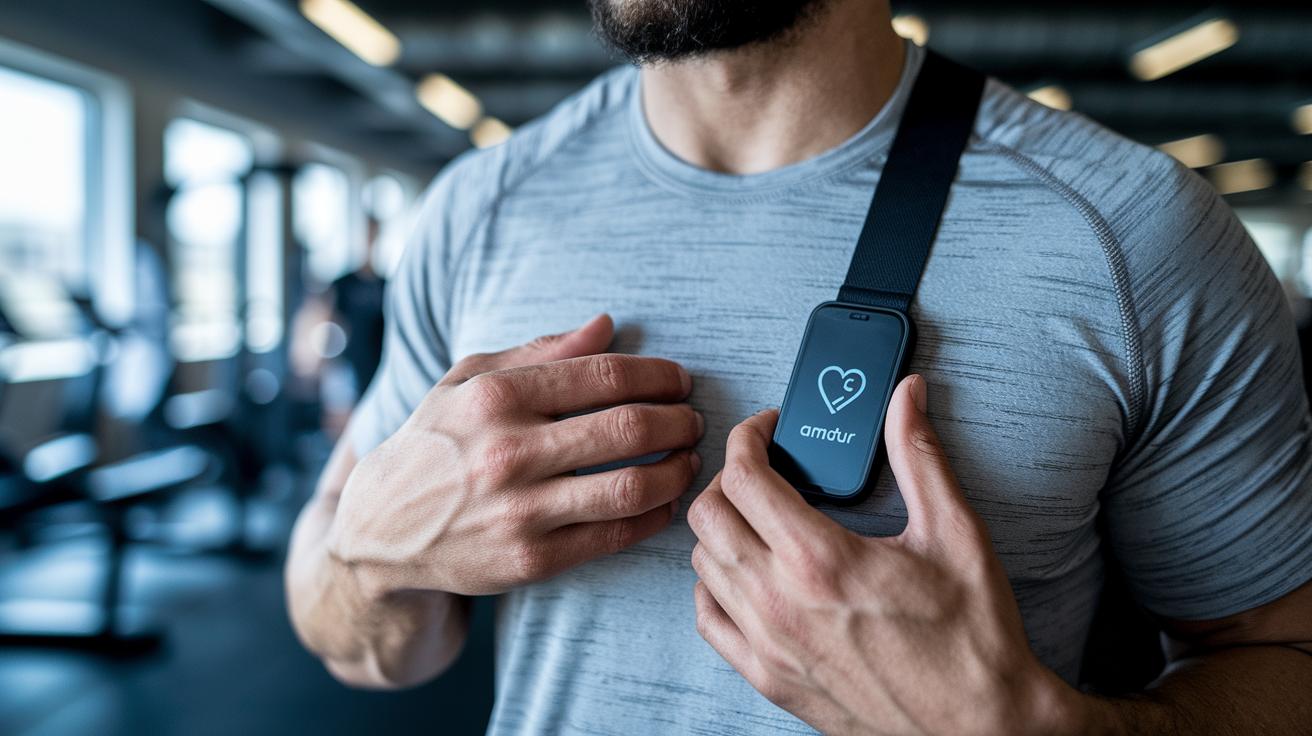
When it comes to tracking your heart rate accurately, chest strap monitors lead the pack. These devices use ECG sensors (that capture the heart's electrical signals) to give you reliable data, especially when you're pushing hard during workouts where wrist sensors can lose their grip.
Polar H10 comes in at $89.95. Its design is clean and simple, with a thin, comfortable strap that holds securely. Athletes love the pinpoint ECG accuracy, and the app runs smoothly to show real-time heart rate and calorie data without any fuss.
Garmin HRM-Pro Plus is priced at $129.99 and is built with a premium feel to endure tough training sessions. It offers detailed heart rate insights, although some users mention that the strap can slip when you're moving vigorously. The companion app fills in with lots of workout metrics and insights, making it a solid choice for those who train hard.
At $35.99, the Coospo H6 is a great entry-level option for those new to chest strap monitors. It tracks your heart rate and calorie burn reliably using ECG technology. The accompanying Heartool app is straightforward, though it can be a bit unstable at times. Even with its basic design, it gives you the essential readings you need to monitor your performance.
These monitors are especially suited for endurance sports and interval training, where steady and precise heart rate monitoring is key to tracking performance and staying safe during high-intensity workouts.
Battery Life and App Integration in Non-Watch Trackers
Battery performance in devices without displays is designed to save energy. For example, ring trackers use low-power sensors that keep them running for about 5 to 7 days. Bands and clip-ons use energy-efficient methods to record body data, often lasting around 10 to 14 days. Screen-free monitors take advantage of their minimal power needs, reaching up to 30 days on a single charge. Chest straps, on the other hand, use sensor data along with a replaceable CR2032 battery that can last between 6 and 12 months. These choices mean each design is built specifically for its monitoring needs without the constant drain of a display.
Companion apps add another layer to the experience by turning raw sensor data into useful insights. For instance, Whoop’s app converts sensor readings into detailed analytics for users who crave in-depth data. The Samsung Galaxy Ring pairs easily with Samsung Health, offering a straightforward exercise tracking experience without extra fees. Other devices that use the Heartool app deliver basic stats in a simpler format, although they might occasionally have sync issues. When you compare these apps, you’ll notice each one has a unique interface and way of handling data, letting you pick the system that suits your style best.
Pricing and Subscription Models for Non-Watch Wearables
Devices you buy once usually cost between $35 and $130. Take the Polar H10 or Garmin HRM-Pro Plus, for example. You pay upfront and get free app updates with no extra monthly or yearly fees. This setup works great if you want a straightforward expense and dependable performance without any hidden costs.
On the other hand, some devices use a subscription model where costs build up over time. The Whoop 4.0, for instance, might set you back around $30 each month or about $359 for an annual pass, which can add up to over $1,000 in three years. In this case, the recurring fee makes the overall price much higher than a one-off purchase. Meanwhile, options like the Samsung Galaxy Ring, Amazfit Helio Strap, and Fitbit Inspire 3 are more budget-friendly. They cost between $40 and $200 initially and don't charge extra after you buy them. This clear pricing difference lets you pick the option that best fits your budget and needs, whether you prefer one clear payment or are okay with ongoing fees for extra analytics.
How to Choose the Right Non-Watch Fitness Tracker
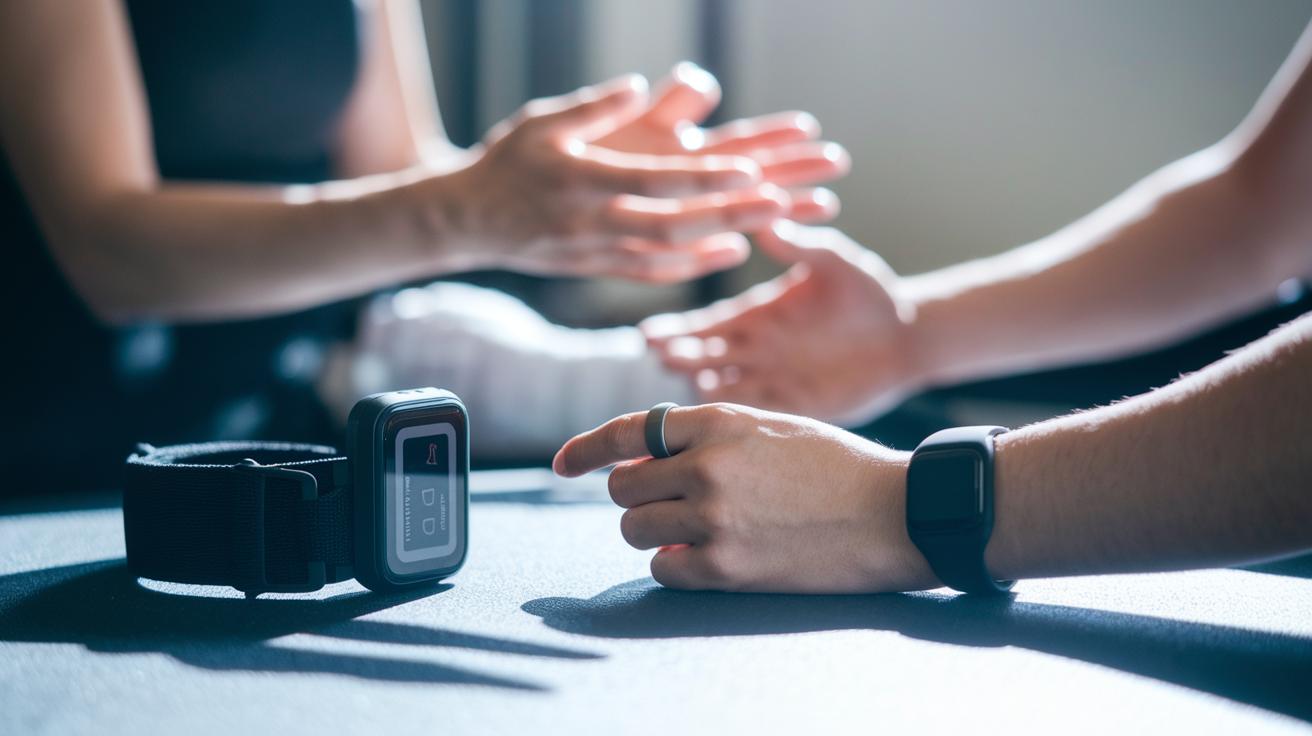
When you shop for a fitness tracker that isn’t a watch, focus on the key areas that make a real difference: how accurate the sensors are, how comfortable the device feels, how long the battery lasts, and the overall cost. We’ve seen that each design offers something different. For example, chest straps deliver really precise heart rate data during workouts, while smart rings can be a win for tracking sleep. Clip-ons can work well too, though their accuracy sometimes depends on where you wear them, and some models offer extra data insights that might come with a monthly fee.
- Sensor accuracy and placement
- Comfort and how it fits your body
- Battery-life expectations
- Features of the companion app (and any fees)
- Up-front cost compared to subscription fees
- The main purpose (sleep, sports, or daily activity tracking)
Think about what matters most to you. If you’re all about getting a detailed heart rate reading during intense exercise, a chest strap might be the best choice. But if you’re looking for everyday tracking of your activity and sleep, a smart ring or clip-on could be a better fit without draining your battery. Also, decide if you really need all the extra insights that may come with recurring fees or if a simpler app will do the trick. This way, you can pick a tracker that fits right into your active lifestyle.
Final Words
In the action, we broke down non-watch fitness trackers, from smart rings and clip-ons to chest straps, and shared real-world insights on design, battery life, and app performance.
Our review gave a clear framework to match your priorities with the right device. With hands-on testing and practical advice, a non watch fitness tracker can be a smart, discreet choice for keeping your health in check. Enjoy finding the perfect fit for your lifestyle.
FAQ
Are there fitness trackers that are not watches and can you track fitness without a watch?
The question about non-watch fitness trackers highlights options like rings, chest straps, clip-ons, and bands that let you monitor heart rate, sleep, and activity without relying on a wrist display.
Are there any fitness trackers without a screen or the smallest fitness trackers with no display?
The question regarding screen-free trackers points to devices that use companion apps for data display, often offering extended battery life and a more streamlined design suited for discreet monitoring.
What is considered the best non-watch fitness tracker according to discussions on Reddit?
The best non-watch fitness tracker depends on personal needs, with many users favoring smart rings for sleep tracking, chest straps for heart rate accuracy, and clip-ons for versatile placement over the body.
What kind of non-watch devices, like Garmin clip-on or fitness tracker bracelets, are available?
The question about various non-watch devices covers a range of designs including minimalist rings, chest straps, clip-on sensors, and discreet armbands, each offering different benefits depending on tracking priorities.
What should I wear instead of a Fitbit if I want a non-watch option?
The question on alternatives to Fitbit suggests exploring devices such as smart rings, chest straps, or clip-on trackers that provide focused health and fitness data without the need for a wrist-worn display.