
Ever wondered how a classic watch might secretly keep you connected in our digital world? Hybrid watches combine the timeless feel of an analog piece with smart features like step tracking and message alerts. They bring together old-school craftsmanship and modern, low-power technology to keep you informed all day. In this article, we explain how these clever devices work, showing that smart timekeeping is as much about practicality as it is about style.
How Hybrid Watch Technology Merges Analog Craftsmanship with Smart Features
Hybrid watches blend classic design with modern smart tech in one wristwear. They feature a traditional dial with real hands while secretly packing a digital module that tracks steps, sends Bluetooth notifications, and monitors basic activities.
Imagine a watch that tells time accurately and also gives you a heads-up when a message arrives. Some models even boost battery life up to six months in smartphone mode, using solar charging and low-power digital displays. This fact shows just how efficient these watches can be.
The analog side uses quartz or mechanical movements to drive the physical hands with solid reliability. Meanwhile, the digital module employs sensors like an accelerometer (a tool that detects movement) to track your daily activity and syncs with your smartphone via Bluetooth without upsetting the classic look. Many models combine both an always-visible digital screen or one that only lights up when needed.
In the end, hybrid watches redefine timekeeping by merging user-friendly smart functions with enduring craftsmanship, giving you a practical yet stylish way to keep time.
Evolution of Hybrid Watch Technology from Quartz to Modern Hybrids

Hybrid watch technology has come a long way since the time when quartz movements shook up Swiss watchmaking in the 1970s. Early quartz watches offered more accurate timekeeping and a friendlier price tag, giving traditional mechanical watches a run for their money. This change set the stage for an exciting mix of classic mechanics and new digital control.
In 1998, Seiko and Grand Seiko surprised us with the Spring Drive. After more than 600 prototypes and over 20 years of work, they replaced the usual balance wheel with a smart braking system. This move combined the best of mechanical accuracy with digital precision, paving the way for more innovative designs that bridge both worlds.
Fast forward to 2016, Piaget introduced the Emperador Coussin XL 700P. They mixed state-of-the-art quartz technology with elegant mechanical looks. Soon after, Urwerk’s EMC mixed in internal electronics to deliver sharper performance. Then, in 2018, Frederique Constant brought out the Hybrid Manufacture, which paired its in-house FC-750 movement with an MMT digital module. This solidified its reputation as a top innovator in the hybrid watch scene.
Hybrid Watch Technology Explained: Elevates Timekeeping
Hybrid watches start with a trusted analog movement that powers the watch hands. They use either a quartz system (a battery-powered oscillator that ticks steadily) or a mechanical setup to keep accurate time. In simple terms, this part is like the watch's heart, giving it a classic look and reliable performance.
Working alongside the analog heart is a smart digital sensor module. This low-power section includes sensors such as an accelerometer and sometimes a heart rate monitor. It teams up with an MIP or OLED display to show subtle notifications and track daily activity. The watch connects to your smartphone using Bluetooth LE, allowing you to get discreet alerts like weather updates or incoming messages, all while looking like a traditional timepiece.
Power is managed through a mix of a standard or rechargeable battery, and some models even add solar-cell dials to keep the battery going for up to six months when used in smartphone mode. A dedicated operating system makes sure power is used wisely and that your data stays secure under strict Swiss privacy rules. This blend of classic design with smart tracking and connectivity shows how traditional timekeeping can be upgraded with modern technology.
Hybrid Watch Technology Explained: Elevates Timekeeping
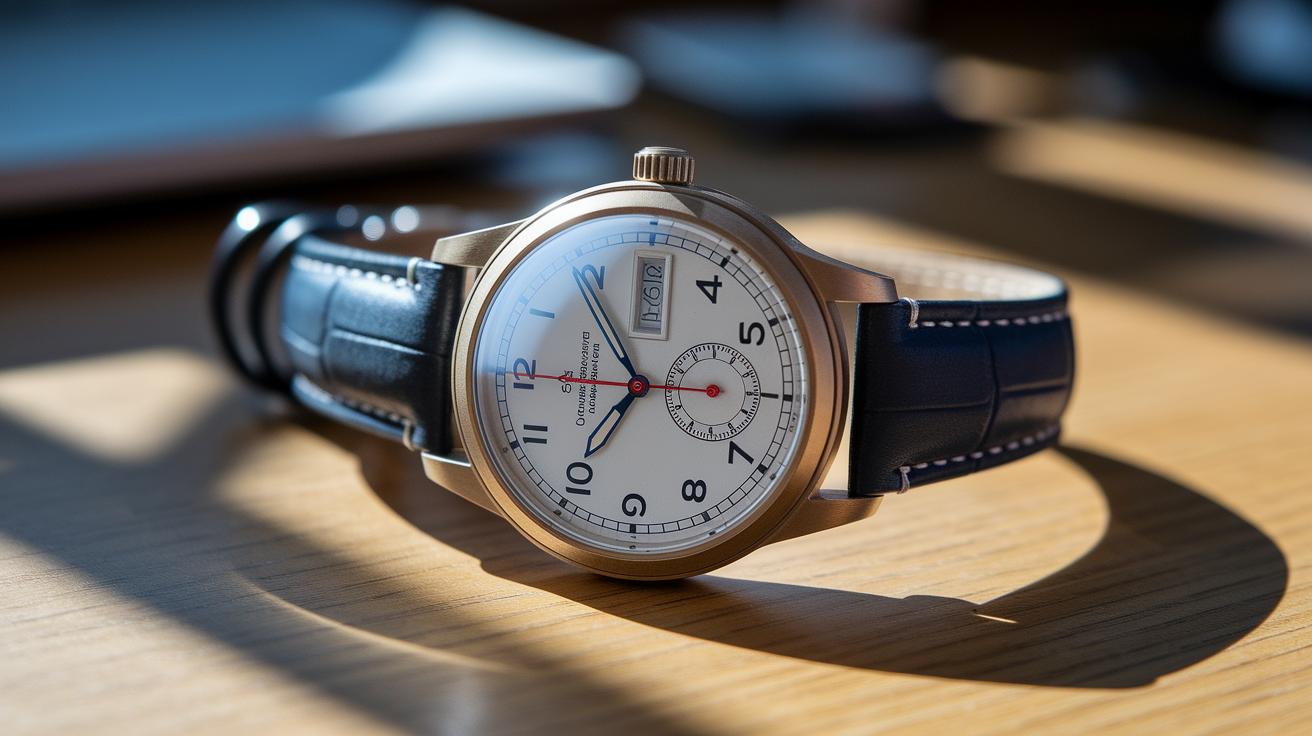
Hybrid watches blend a timeless analog look with a few smart features in one smart package. They keep time using quartz or mechanical movements while adding digital sensors that track your activity and show gentle notifications. This mix means you get a watch that lasts long on a battery and is built to stick around without extra tech bells and whistles.
Pros:
- Timeless analog style with built-in step and activity tracking.
- Subtle digital alerts that appear on a small screen or through gentle hand movements.
- Amazing battery life; some models run up to 6 months with solar and low-power features.
- Runs on a secure, Swiss-made operating system.
- Made from tough materials like titanium, sapphire crystal, and water-resistant up to 100 m.
Cons:
- Offers fewer sensors than a full smartwatch; many models leave out heart-rate tracking.
- The small or hidden displays can make interacting a bit tough.
- Some models are thicker (up to 15 mm) which might feel bulky on your wrist.
Comparative Analysis of Leading Hybrid Watch Models
When we compare hybrid watches, each model brings a unique mix of classic style and smart tech. The Tissot T-Touch Connect Solar, for example, features a bold 47 mm case and is just 15 mm thick. Made from titanium or finished with PVD, and highlighted by a ceramic bezel and sapphire glass, it’s built for those who want a rugged look paired with handy features. It comes with a solar dial, barometer, and GPS step tracking, delivering up to 6 months of battery life. While it doesn’t have heart-rate monitoring, it shines for users who value durability and long-lasting performance.
For those who lean towards a more health-focused watch, the Withings Scanwatch Horizon is a strong contender. With its 42 mm stainless steel case and sapphire crystal cover, this model is equipped with sensors for heart rate, ECG, wrist temperature, and even sleep apnea detection. Its smart features make detailed health tracking possible, although its battery life runs for about 30 days on one charge.
If a minimalistic design with subtle smart features is what you’re after, the Norm Two might be a great pick. With its 40 mm stainless steel case and a discreet black and white OLED display, it delivers basic notifications and step tracking without changing its classic look. Its battery, which lasts up to 30 days, makes it a smart yet understated option for everyday wear.
| Model | Case Size | Battery Life | Key Features |
|---|---|---|---|
| Tissot T-Touch Connect Solar | 47 mm | Up to 6 months | Solar dial, barometer, GPS step tracking |
| Withings Scanwatch Horizon | 42 mm | Up to 30 days | Heart rate, ECG, sleep apnea detection |
| Norm Two | 40 mm | Up to 30 days | Hidden OLED, step tracking & notifications |
Future Directions and Trends in Hybrid Watch Technology
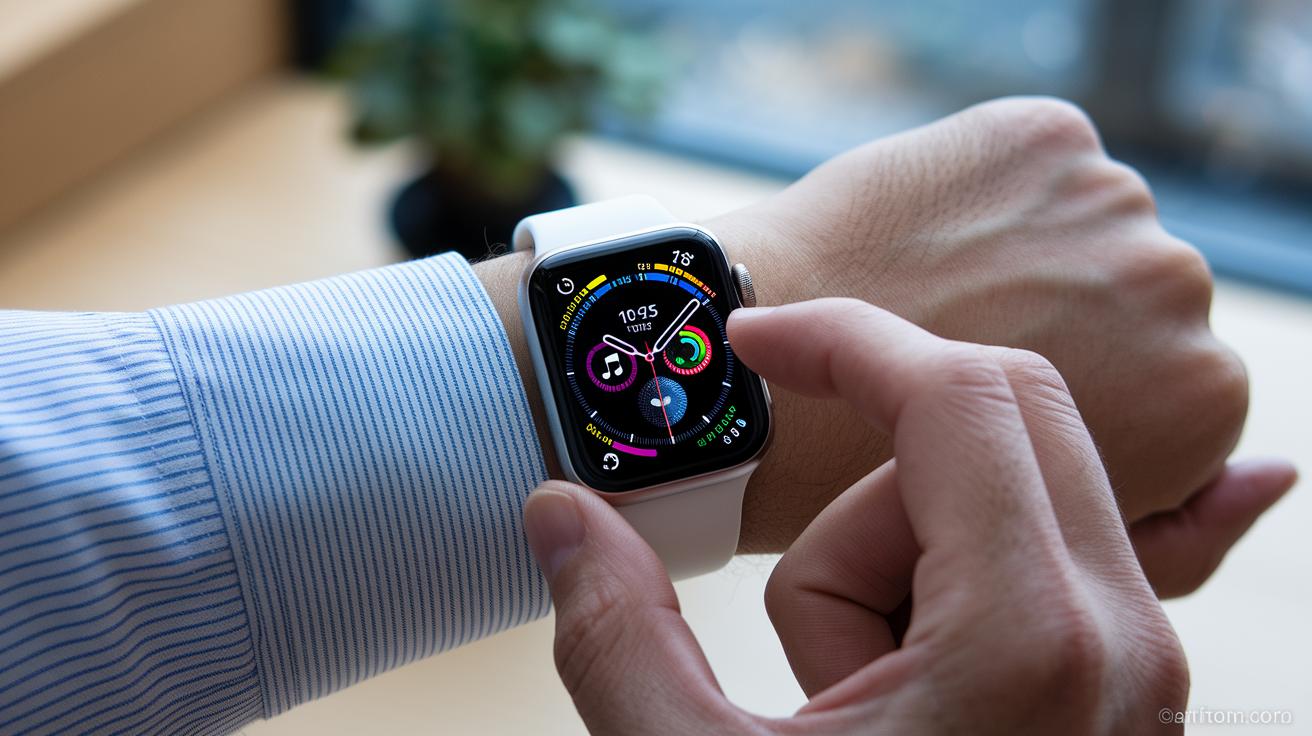
Hybrid watch technology is getting smarter with upgrades in displays, sensors, power systems, and software. In the near future, we expect to see brighter, smaller OLED or MIP screens that boost readability while still keeping the classic analog look. Newer models may also offer advanced health tracking with sensors that measure SpO₂ (blood oxygen level) and body temperature to give you clearer insights into your well-being. AI will play a big role by analyzing your daily movements and health data, offering personalized tips in a simple way.
We are also likely to see a shift toward combining kinetic and solar power to extend battery life by using energy harvesting alongside traditional charging. Better IoT protocols will make it easier for your watch to connect smoothly with other devices. Future models will let you update their software over the air, so you can add new features without needing a service visit. Plus, as parts get even smaller, watches will become slimmer without losing their classic design, making them both comfortable to wear and a stylish accessory on your wrist.
Final Words
In the action, we traced the blend of classic analog design with smart digital features. We mapped out everything from the inner workings of analog movements to the role of low-power sensor modules. You saw a breakdown of pros, cons, and key milestones that mark today’s standout models. We also peeked at future trends and advancements. This post makes hybrid watch technology explained in straightforward, everyday terms that help you spot the right timepiece for your needs. Stay curious and keep an eye on these evolving trends.