
Ever wondered if a classic watch can beat modern smartwatches when it comes to battery life? Hybrid watches blend old-school charm with handy smart features, and they don't sap the battery like some high-tech devices. In our everyday tests, these watches ran anywhere from 10 to 30 days on a single charge. We saw that keeping their displays simple and offering just the occasional heart-rate check really keeps power use low while still delivering solid performance. Join us as we show why hybrid watches offer a dependable, all-day battery life without the need for constant recharging.
Hybrid watch battery life: Strong, Reliable Performance
Hybrid smartwatches bring together a classic analog look with smart features that stay out of your way. They skip the full touchscreen power drain by using tiny displays or even analog hands to show time and simple alerts. This means fewer active components and a longer battery life on a single charge.
Manufacturers might tout up to 30 days of battery life in the lab, but in everyday use you can usually expect somewhere between 10 and 30 days. When features like continuous heart-rate monitoring, brighter screen settings, or regular Bluetooth syncing kick in, the battery tends to hit the lower end of that range.
Overall, these watches deliver a reliable battery performance between 10 and 30 days. If you avoid using power-hungry features too much, you'll likely stay closer to that 30-day mark, keeping your watch strong day after day.
Hybrid Watch Power Consumption Factors

Hybrid smartwatches mix a classic design with smart features while trying to keep battery use low. Still, certain functions can boost energy drain more than you might think. For example, features like nonstop heart-rate checks, GPS tracking, bright screens, and regular Bluetooth syncing all draw extra power. Even though these functions are key for staying healthy and connected, they keep sensors busy and use up energy even when the watch mostly shows the time in its traditional style.
Sensor and Display Impact
Sensors such as heart-rate monitors and ECG trackers often work continuously or at frequent intervals. This steady activity adds a constant load on the battery. Meanwhile, the type of display plays a big part in energy use. Low-power displays like memory-in-pixel (MIP) models and classic analog hands need much less power compared to full-color OLED screens. A watch with a MIP or analog design only lights up what it needs, while an always-on OLED display will pull more power even when dimmed.
Connectivity and Sync Features
Features like Bluetooth syncing, GPS, and smartphone integration also play a big role in battery drain. Every time the watch checks for notifications or syncs with a phone, its wireless modules wake up just for a moment, using extra power. Active GPS tracking, for example, for monitoring routes or pace, can drain the battery even faster. While smart firmware scheduling can help ease these demands, the need to keep these connections active still adds up.
Put together, these factors shape how quickly your hybrid watch uses its battery. Smart sensor scheduling and optimized firmware work hand in hand to help you enjoy a mix of great features and longer battery life.
Hybrid Watch Battery Performance by Model
When looking at hybrid smartwatches today, several models catch our eye because of their design, battery life, and standout features. These watches mix a classic analog look with smart tools while using smart power-saving tricks to help the battery last longer. We picked models that feel sturdy, look sharp, and keep up with daily wear and tear. Check out the table below for a side-by-side look at five top options.
| Model | Case Size | Battery Life | Key Feature |
|---|---|---|---|
| ScanWatch 2 | 38mm/42mm | 10-30 days | Improved durability & better health sensors |
| ScanWatch Light | 37mm | 10-30 days | Sleek design with uneven fitness tracking |
| Vivomove Sport | 40mm | 5 days | Great for budget buyers |
| Instinct 2 Crossover | Varies | 10-20 days | Mix of analog and digital displays |
| T-Touch Connect Solar | 47mm | Up to 6 months (smartphone mode) | Solar dial with low-power screen |
If you need a watch that can really go the distance, the T-Touch Connect Solar is hard to beat with its solar boost and long life in smartphone mode. Health fans will love the ScanWatch 2 for its tough design and precise sensors that keep tabs on your well-being. On the other hand, if you care more about style than perfect fitness tracking, the ScanWatch Light offers a refined look at the cost of slightly less consistent activity data. For those on a budget, the Vivomove Sport might be a smart pick even though its battery only lasts about 5 days. The Instinct 2 Crossover is a good match for active folks who like outdoor features, thanks to its dual display setup, though sometimes the digital part isn’t as clear. Each watch uses thoughtful power management to balance smart features and battery life, so there’s something here for every lifestyle.
Optimizing Hybrid Watch Battery Life: Best Practices
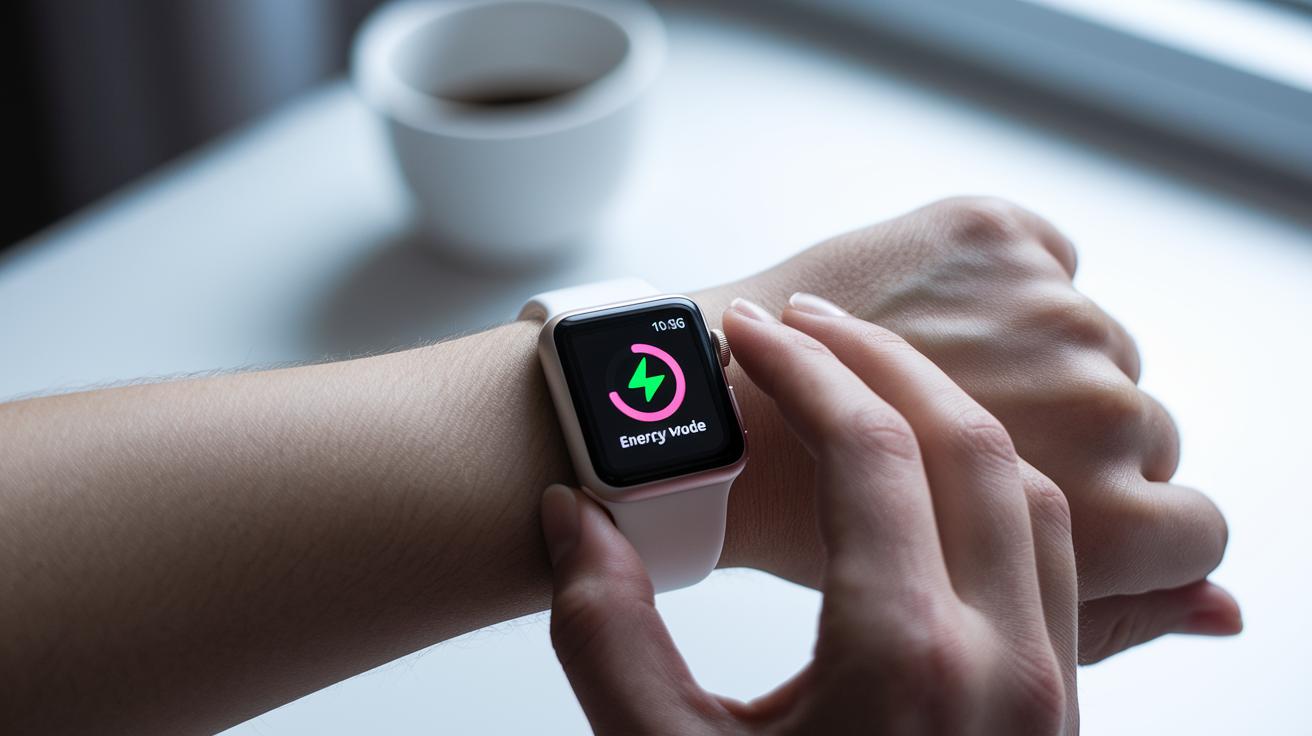
Your daily habits can make a big difference in how long your hybrid watch lasts. When you use energy-heavy features wisely, your device can run smoother and stay ready every day.
Here are some practical tips:
- Turn off sensors when you don’t need them.
- Use power-saving or watch-only modes.
- Lower the screen brightness or switch to an analog display.
- Reduce how often notifications sync.
- Set activity tracking to run at intervals.
- Update your firmware as soon as new versions are available.
For example, if you disable constant heart-rate tracking when it isn’t necessary and use modes that save power, you cut down on wasted energy. Changing notification settings and tracking intervals also eases the strain on your battery. Regular firmware updates help your watch use smart power management techniques that boost efficiency.
By managing these settings, you not only get more use out of each charge today but also help preserve the battery over the long run. These small changes mean less frequent charging and a more dependable performance day after day.
Hybrid Watch Battery Replacement and Maintenance Guide
Hybrid watches use different types of batteries. Many models use either coin-cell or rechargeable batteries that generally work well for 2–3 years. Some models, like the Tissot T-Touch Connect Solar, add a solar-powered dial that gathers energy from sunlight. This setup means you can expect longer runtime compared to regular coin cells while still enjoying a classic timepiece with smart features.
Experts advise checking or replacing your watch battery every 24–36 months. If you notice sudden drops in battery percentage or a faster decline in battery life, it’s time to take a closer look. Try testing the battery in different modes and look out for any firmware alerts that mention power management issues. This process helps you figure out if the battery is really losing capacity or if a software update could solve the problem.
For simple, cost-effective maintenance, store your watch in a cool, dry place when you're not wearing it. This helps keep unnecessary power drain to a minimum. Also, keep your firmware updated since manufacturers often add power-saving improvements. When it’s time to replace the battery, always choose an authorized service center. They use genuine parts and ensure your device continues to charge and discharge properly.
Troubleshooting Hybrid Watch Battery Drain

If your watch seems to lose battery power in just a few days, shows strange percentage drops, or struggles to hold a charge, something might be off. First, check for common issues: make sure none of the sensors are stuck or working too hard, see if the watch isn’t constantly syncing with your phone, and review your settings for any unnecessary battery drain. For example, watch out if heart-rate monitoring or other sensors are running non-stop when you don’t need them.
To narrow things down, try resetting non-critical settings and updating the firmware to take advantage of any built-in power-saving improvements. You can also limit continuous heart-rate tracking and cut down how often Bluetooth syncs. If the battery continues to drain quickly even after these adjustments, it may be time to get a professional to look at the watch for a detailed diagnosis or repair.
Final Words
In the action, we examined hybrid watch battery life expectations by breaking down power consumption, real-world performance, and model comparisons. We offered insights into optimizing battery run time with hands-on tips and maintenance guides.
We also discussed troubleshooting steps to help tackle unexpected battery drain.
This review helps you get a clear picture of how these watches perform daily. Enjoy longer and more reliable use by applying these tips to maximize your hybrid watch battery life.
FAQ
How long do hybrid smartwatch batteries last?
The hybrid smartwatch batteries last from 10 to 30 days under everyday use, as the combination of analog design and selective digital functions reduces power draw.
How does the battery life of Samsung hybrid watches and models claiming 45-day battery life compare?
The battery life of Samsung hybrid watches and those boasting 45-day life benefits from power-efficient analog displays and reduced sensor use, typically delivering from several weeks to over a month in real-world conditions.
What are the pros and cons of hybrid smartwatches?
The pros of hybrid smartwatches include longer battery life and a classic analog look, while the cons involve limited digital interactions and fewer features compared to full-screen smartwatches.
What is the difference between a smartwatch and a hybrid watch?
A smartwatch has a full digital interface with constant syncing, whereas a hybrid watch blends analog hands with digital features to reduce power usage and extend battery longevity.
Can Fossil hybrid watch batteries be replaced?
Fossil hybrid watch batteries can be replaced through authorized service centers, as these models are built with coin-cell or rechargeable batteries designed for extended life and simple maintenance.
How do models like Withings ScanWatch and Tissot T-Touch Connect perform in terms of battery life?
Withings ScanWatch and the Tissot T-Touch Connect rely on efficient power management techniques such as solar dials or minimalist displays, offering battery performance that caters to both daily wear and long-term endurance.
Which hybrid smartwatches are ideal for women seeking long battery life?
There are hybrid smartwatches with refined designs and reliable power performance, specifically catering to women who appreciate both style and extended battery life for everyday use.