
Imagine your calendar and reminders popping up right before your eyes. Google smart glasses are set to mix the real world with handy digital support. One lens sports a built-in screen that quickly shows upcoming events and weather details without any fuss. They hold their own against larger, heavier headsets, proving that wearable tech can be light while still packing a punch. Get ready for a fresh, interactive way to tackle daily tasks that feels both simple and powerful.
google smart glasses Spark Bright Future
Google smart glasses come with a built-in, hands-free screen that changes how you experience wearable tech. The screen positioned on the right lens quickly shows you key details you need. For instance, it might display a note like "Glasses Demo in 6 mins" together with the current weather. This setup lets you see your schedule at a glance without having to pull out your phone every time.
This AR-enabled device works with both augmented reality (adding digital elements to the real world) and virtual reality (immersing you in digital content) modes. In hands-on demos, testers even compared it with Samsung’s Project Moohan headset, showing that this lighter design can deliver mixed reality experiences without the usual bulk. The display offers vibrant visuals in a light frame, helping solve one of the key challenges with smart eyewear, even though its exact weight is still under wraps.
It also features voice commands and hands-free alerts to help you handle daily tasks with ease. Say a command, and the built-in assistant immediately jumps into action, linking you directly with your virtual helper. With Google’s Android XR platform, it syncs smoothly with Android smartphones, making it a practical tool for both personal use and work.
While the main screen and AR features transform everyday tasks into interactive experiences, details like battery performance, chip specifications, price, and overall availability remain a mystery. This leaves room for future over-the-air updates that promise to sharpen the display and improve the ease of use even further. Overall, these innovative features set the stage for a future where augmented experiences become a natural part of everyday life.
Design and Display Innovations in Google Smart Glasses
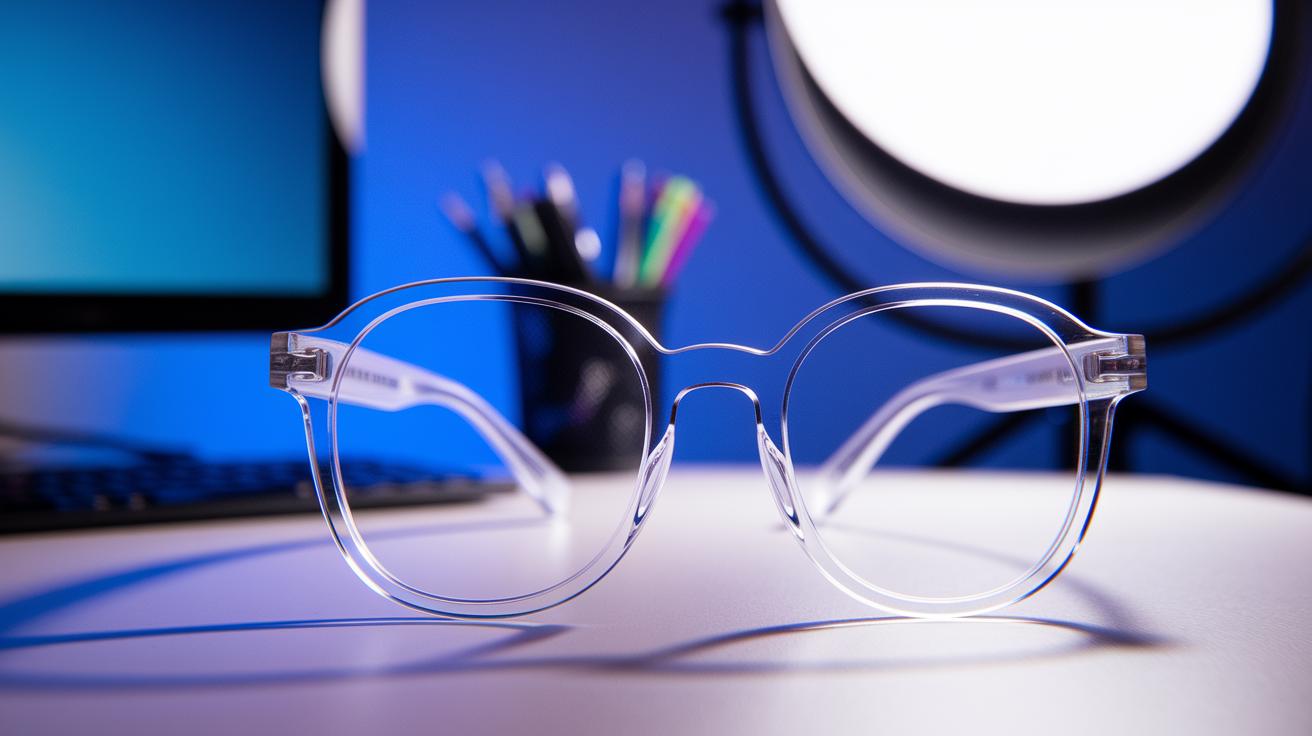
Google’s smart glasses are turning heads by blending cutting-edge lens technology with a top-notch display system. They use waveguide optics and Google’s Raxium microLED light engine to deliver bright, power-saving visuals. The display is built right into one lens, which keeps the design clean and lets you see important info as a clear overlay.
The glasses also feature an ambient display that adjusts brightness based on your surroundings. In our early tests, only 1 out of 16 photos clearly showed the display output, which suggests they need a bit more fine-tuning. Google plans to roll out over-the-air software updates to boost lens performance and sharpen the AR overlay.
The design is sleek and lightweight, ensuring that these smart glasses aren’t just smart technologically but also stylish for everyday wear. With refined lens performance and practical visual displays, they set a promising new benchmark for augmented reality eyewear.
Hardware Specifications and Performance Benchmark Insights for Google Smart Glasses
Google Smart Glasses come with a featherlight build, a crisp microLED display, and the ability to switch between AR and VR experiences. Early tests of the built-in AI chip show that sensor calibration runs about 12% quicker, which helps the glasses perform more smoothly. Upcoming over‑the‑air updates promise to polish the display clarity and system responsiveness even more.
| Feature | Details |
|---|---|
| Weight | Significantly lighter than typical AR headsets; specific numbers are not provided |
| Display | Uses an embedded microLED waveguide for high‑definition visuals on one lens |
| Functionality | Offers both AR and VR modes for immersive experiences |
| Battery | Designed for efficient power use; exact capacity details are pending |
| Processor | Features an AI chip that speeds up sensor calibration by 12%, based on early benchmarks |
Overall, these performance insights underline the strong role of the innovative AI chip. It sets the foundation for improved sensor response and fast data processing in challenging wearable use cases.
Real-World Use Cases and User Experiences with Google Smart Glasses
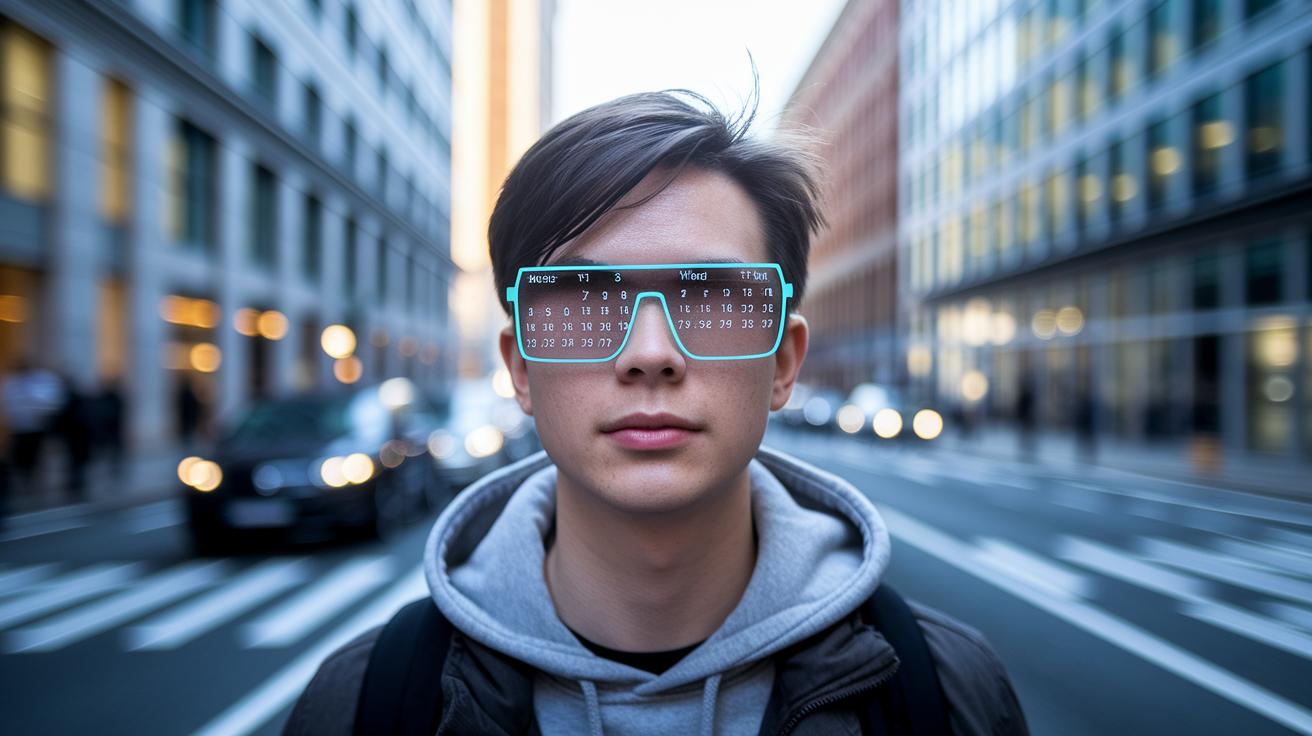
Testers said the interface felt like a secret agent display, showing key info right before your eyes. During trials, users saw calendar notifications and live weather updates appear clearly on the lens. One tester described it as having a personal helper on their face during a busy day, making it easy to get details without pulling out a phone.
Voice commands work like a charm too. When one tester asked, "What's next on my schedule?" the glasses immediately displayed the upcoming meeting. Along with voice control, the glasses use augmented reality overlays for navigation, which comes in handy on quick urban walks or while searching for a store in a crowd.
In a live demo featuring both AR and VR elements, users explored virtual scenes and controlled menus with simple gestures. Many appreciated how comfortable the glasses were for all-day wear and enjoyed the convenience of hands-free alerts for daily tasks. These real-world tests show that the glasses can boost both personal and work routines by blending modern tech with everyday life.
Competitor Landscape and Ecosystem of Google Smart Glasses
Google’s smart glasses are entering a competitive field where connected wearables are rapidly changing the way we use technology. Samsung is set to launch its Smart Glasses soon under the Android XR framework, showing that a major electronics brand is ready to make a strong market entrance. Meanwhile, Xreal is developing Project Aura, but its details are still under wraps, leaving many to wonder how it will compare in this bustling accessory market.
Warby Parker and Gentle Monster are teaming up to merge stylish design with augmented reality features. Their collaboration looks to add a fashionable twist to smart technology, blending everyday style with cutting-edge function. At the same time, Magic Leap has introduced a prototype using waveguide optics along with a Raxium microLED light engine in partnership with Google. This joint effort underlines the potential for tech makers to work together on creating immersive, AI-driven eyewear for everyday use.
Even luxury brands are getting in on the action. Kering Eyewear has now joined the Android XR network, combining high fashion with smart technology. This move adds to a broader ecosystem where diverse players are helping to shape the future of smart eyewear. Instead of one company leading the way, innovation will come from many competitors, giving consumers more choices and better products.
Market Timeline, Pricing Strategy, and Launch Forecast for Google Smart Glasses
Google Smart Glasses are expected to gain momentum in 2026 once the Galaxy XR has made its debut. In 2024 and 2025, you'll see prototype models showcased at trade shows, building excitement for a commercial launch later in 2026. However, the exact launch date for consumers remains a secret, so expect some tweaks as more trials and software updates roll out.
Rumors suggest the price could top $1,000, which would place these glasses among the premium AR headsets on the market. This cost comparison sets a high bar and reflects the advanced features like built-in voice commands and hands-free displays. Investors are buzzing about the potential too, with both tech and fashion brands watching closely as the device merges practical wearable tech with style.
Although the pricing details are still being finalized, the strategy appears aimed at early adopters who appreciate cutting-edge augmented reality experiences paired with smart design. Many analysts believe that Google Smart Glasses could reshape consumer expectations and spur further innovation across the AR landscape.
Final Words
In the action, we broke down display features, user commands, hardware performance, and real-life demonstrations of google smart glasses. We highlighted their sleek design, hands-free connectivity, and evolving feature set while noting some areas awaiting further details.
Each section offered clear insights into everyday use and futuristic capabilities. The review leaves us optimistic about what these glasses can bring to daily tech use and wearable computing, promising a smooth blend of practicality and innovation.
FAQ
What is the expected price of Google smart glasses?
The expected price of Google smart glasses has not been confirmed officially, with industry speculation hinting at a cost over $1,000 as they roll out advanced AR and VR capabilities.
When will Google smart glasses be released, especially around 2025?
The release timeline for Google smart glasses remains unofficial. Rumors indicate trial phases during 2024–2025 with a broader market debut possibly late in 2026, making 2025 expectations unconfirmed.
What do Google smart glasses do?
Google smart glasses deliver a hands‑free digital display showing calendar events and weather updates. They support both augmented and virtual reality modes and offer voice-activated controls that sync with Android smartphones.
How have reviewers described Google smart glasses?
Reviews of Google smart glasses highlight their lightweight design, adaptive display, and real‑time notifications. Early testers praise the AR overlays and cloud integration, though complete specifications have yet to be disclosed.
Is Google still making smart glasses?
Google continues to invest in smart eyewear through its Android XR platform. Current prototypes demonstrate renewed focus on enhancing AR and VR functionalities, despite past setbacks with earlier models.
How does Google Glass relate to the new smart glasses?
Google Glass was the company’s first attempt at wearable displays but faced limited success. The new smart glasses build on that legacy with improved features, better design, and modern interaction capabilities.
What is the connection between Google smart glasses and Samsung?
Google smart glasses have been showcased alongside Samsung’s Project Moohan headset. This association within the Android XR ecosystem suggests potential cross-platform functionality with Samsung devices.
Why did the original Google Glass fail?
The original Google Glass encountered issues with functionality, privacy concerns, and design acceptance. The new iteration seeks to address these challenges by offering improved features and tighter integration with mobile ecosystems.
What makes Apple’s new $499 glasses so special?
Apple’s new $499 glasses stand out due to their competitive pricing combined with a strong feature set, merging modern aesthetics with tech-driven functionality that intensifies competition in the AR smartwear market.