
Ever wondered if your fitness tracker can keep up with your busiest days? A tracker that runs for days means less downtime for charging and more accurate readings during workouts and rest. In this guide, we look at devices built to last even on your most challenging training days. Whether you’re pushing hard at the gym or exploring long outdoor trails, a long-lasting tracker gives you reliable data right when you need it. Let’s explore choices that help you get the most out of every minute of your active lifestyle.
Top Fitness Trackers Offering Long Battery Life
When it comes to fitness trackers, battery life is a big deal. If your tracker can last several days, you'll spend less time charging and more time tracking your health, whether you're at work or out on an extended adventure.
For those who love endurance sports or multi-day challenges, a long-lasting battery truly makes a difference. With a tracker that stays powered throughout long workouts and events, you get a complete look at your performance and recovery, which makes fine-tuning your training much easier.
| Device | Battery Life | Key Features | Approx. Price |
|---|---|---|---|
| Garmin Vivoactive 6 | Up to 11 days | Built-in GPS, multi-sport tracking | $300 |
| Oura Ring Gen 4 | Varies* (Extended sleep & readiness metrics) | Ring-style design, discrete tracking | $350 |
| Fitbit Charge 6 | 7 days | Step, heart rate, sleep tracking, advanced insights via subscription | Under $200 |
| Ultrahuman Ring Air | Variable | No subscription, multiple color options | $250 |
| Withings ScanWatch Light | 17 days (daily) / 45 hrs (GPS) | Hybrid analog display, workout tracking | $275 |
| Garmin Instinct 2X Solar | 40 days (smartwatch mode) | Solar charging, rugged design | $350 |
| Amazfit GTS 4 Mini | 15 days (standard) Up to 24 days in saver mode |
120 workout modes, water resistance | $150 |
When choosing the right tracker, think about what you need most. If you love detailed GPS tracking and a sturdy design, the Garmin Instinct 2X Solar might be the one for you. However, if you prefer a sleek, less noticeable option, ring-style trackers like the Oura Ring Gen 4 or Ultrahuman Ring Air could be a better match. Consider your everyday habits and workout style to pick the tracker that fits perfectly into your lifestyle.
Understanding Battery Performance in Fitness Trackers
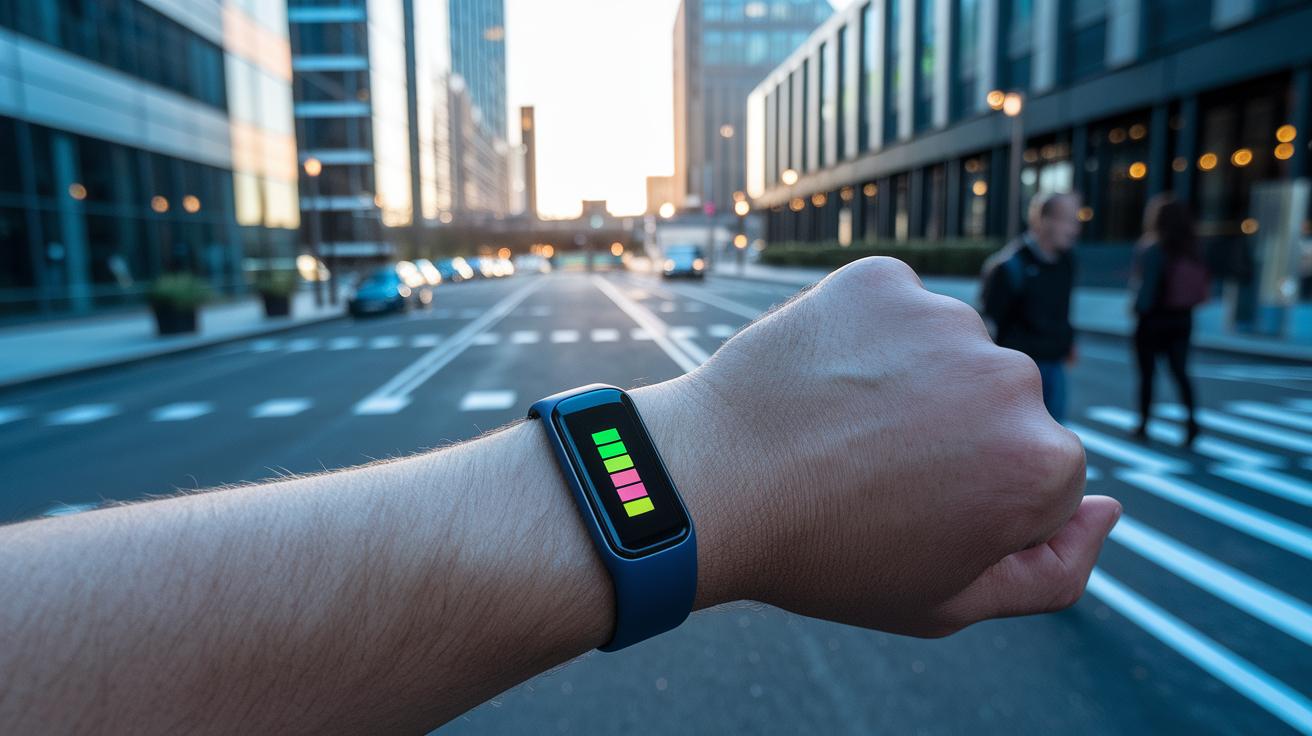
When you pick a fitness tracker, don't just rely on manufacturer claims about battery life. They might say you'll get 17 days of normal use or 45 hours when using GPS, but real-life performance can be different. In everyday use, your tracker is busy keeping track of your heart rate, snapping on GPS now and then, and handling occasional notifications, all of which slow down battery life. Some devices, like ring-style trackers, even skip having a display to save power. That’s a trade-off you’ll want to consider.
Battery performance isn't all about the raw battery capacity, either. How the device manages power, along with environmental factors and how many sensors are running at once, can change how long your tracker lasts on a single charge.
Here's what can impact battery runtime:
| Factor | Impact |
|---|---|
| Display Type | Always-on displays use more power than power-saving modes |
| GPS Usage | Continuous tracking drains the battery faster than periodic checks |
| Sensor Load | Running multiple sensors at once uses up extra energy |
| Temperature | Extreme heat or cold can lower battery performance |
| Charging Cycles | Partial charges help extend overall battery health |
When comparing models, check both the ideal battery numbers and the testing conditions behind those numbers. Understanding these factors will help you choose a tracker that fits your daily routine and exercise needs.
Brand Showdown: Fitbit, Garmin, Amazfit, and Withings Trackers with Long Battery Life
Brands have honed in on their strengths to help you choose the right tracker. Fitbit stands out for its easy-to-use design and clear features. Garmin offers precise tracking and smart outdoor features like solar charging, ideal for adventurers. Amazfit brings great value with energy-saving modes that extend battery life, and Withings mixes a classic look with modern tracking that lasts.
Fitbit Trackers
Fitbit’s Inspire 3 runs for about 10 days and tracks blood oxygen levels , perfect for everyday health checks. The Charge 6, with a 7-day battery life, offers detailed heart rate zones and activity tracking. Just remember, some deeper insights require a premium subscription. These models are a good fit for anyone who values simple, streamlined daily monitoring.
Garmin Trackers
For those who love the outdoors, Garmin is hard to beat. The Vivoactive 6 gives you roughly 11 days on a charge and includes built-in GPS for different sports. If you spend time off the beaten path, the Instinct 2X Solar pushes battery life up to 40 days in smartwatch mode when there’s plenty of sunlight. Meanwhile, the Forerunner 265S is built for athletes, offering 13 days in everyday mode and 24 hours of continuous GPS tracking to capture every bit of your workout.
Amazfit Trackers
Amazfit focuses on affordability without cutting corners. The GTS 4 Mini clocks in at 15 days of battery life under normal settings, stretching to 24 days when you switch to battery-saver mode. It also supports 120 workout modes and can handle water up to 50 meters deep. The Balance series shares these features, making it a strong, budget-friendly option.
Withings ScanWatch Light
Withings’ ScanWatch Light is designed for daily wear with up to 17 days of battery life. Its hybrid design offers a stylish, classic look while delivering modern tracking features, including up to 45 hours of GPS connectivity for your outdoor adventures.
Water Resistance and Durability in Endurance Fitness Trackers
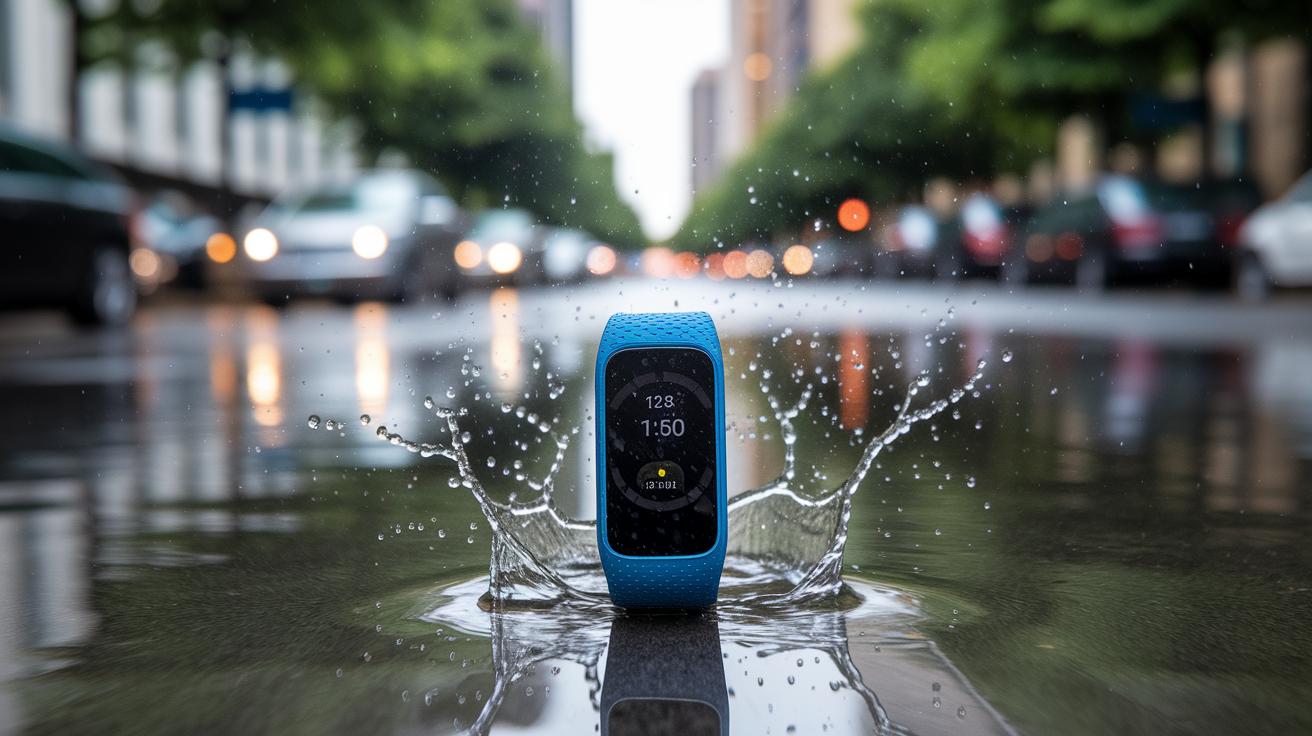
Water resistance is key to keeping your tracker running smoothly. When moisture seeps inside, it can mess with internal parts and drain the battery faster. Keeping your tracker dry, even during a rainy day or a tough, sweat-heavy workout, helps it hold a charge and stay reliable.
This feature really matters if you’re often around water. A tracker that stands up to splashes or brief submersions is less likely to suffer damage that wears out the battery early. By safeguarding its electronics, water-resistant trackers generally give you a longer, steadier performance.
Some models really shine in this area. For example, the Amazfit GTS 4 Mini handles water up to 50 meters, making it a solid pick for both pool swims and a dip in open water. Then there are Garmin Instinct models that boast a 100-meter waterproof rating and even have solar charging for extra outdoor adventures. Ring-style trackers, while naturally water resistant, are better for everyday activities rather than extreme sports. All of these devices use tough materials and well-designed seals to keep water out and protect battery life.
After you expose your tracker to salt or chlorine, just rinse it with fresh water and dry it completely. This little step goes a long way in keeping the seals intact and guarding against corrosion.
User Reviews and Expert Picks for Long Battery Fitness Trackers
Everyday users love fitness trackers that last through the day, measure accurately, and don’t break the bank. Take the Xiaomi Mi Smart Band 7, for example. Priced under $50, it supports 110 workout modes and offers great all-day performance without a high cost. Many users appreciate its budget-friendly pricing and dependable runtime. Equally, the Fitbit Charge 6 earns praise for its comfortable design and solid everyday tracking, even though unlocking its full range of data may require a subscription. On platforms like Reddit, many point out that a long battery life really saves the day by eliminating the hassle of frequent recharging.
Some issues come up across different models. Ring trackers like the Ultrahuman Ring Air and Oura Ring often lead to debates about fit and the sizing kit, along with concerns about balancing free features against subscription options. Similarly, the Whoop 5.0 lacks a display but provides detailed recovery analytics, though its mandatory subscription can feel limiting. When it comes to expert picks, they recommend the Xiaomi Mi Smart Band 7 for buyers keeping an eye on their budget and the Fitbit Charge 6 for those willing to invest a little extra for enhanced comfort and convenience.
Power Management Tips for Fitness Trackers with Optimized Battery
Optimize Sport Modes
When you’re working out, you don’t always need every sensor running nonstop. For example, if you’re indoors or doing a light workout, turn off GPS and continuous heart rate monitoring. Use manual or interval tracking so your device isn’t always on high alert. This gives your tracker a mini-break, which can help it last much longer during the day.
Proper Charging Habits
Taking care of your lithium-ion battery is important for keeping your tracker running well. Rather than letting it drop to zero or charging it to 100% every time, aim to keep it between 20% and 80%. A quick charge during a lunch break and unplugging before a full charge can help keep the battery healthy and extend its overall life.
Leverage Solar & Ambient Light
If your tracker has solar charging features, use natural light to your advantage. Models like the Garmin Instinct 2X Solar can get extra juice from at least 3 hours of bright light each day. When you’re outdoors, try to position your tracker where it can soak up as much light as possible. This extra exposure can add valuable hours to your tracker’s battery life.
Keep Firmware Updated
Manufacturers often improve battery management with firmware updates. Check regularly for updates and install them to benefit from the latest power-saving tweaks. Updated firmware means your tracker uses the most efficient software to manage its energy, so you can get more out of every charge.
Final Words
In the action, we reviewed top models from Garmin, Fitbit, Amazfit, and Withings, shedding light on real-world battery endurance, water resistance, and key features. We also covered power management tips and shared hands-on insights that help you weigh battery life against other functions.
Every recommendation is backed by practical tests, ensuring you find a fitness tracker with long battery life that suits your everyday needs. Enjoy the freedom of devices built for real life and keep powering through your workouts with confidence.
FAQ
What does the Reddit discussion reveal about fitness trackers with long battery life?
Reddit discussions highlight that many fitness trackers offer extended battery performance, real-world durability, and consistent tracking. Users share tips and experiences that help in selecting reliable models for active lifestyles.
How do men’s fitness trackers with long battery life serve their needs?
Men’s fitness trackers with long battery life are designed for durability during intense activities and outdoor use. They provide reliable tracking and extended usage, meeting the needs of active lifestyles without constant charging.
What insights can be drawn from Amazon reviews for fitness trackers with long battery life?
Amazon reviews show that fitness trackers with extended battery life often combine value with durability. Buyers appreciate devices that offer reliable performance, long runtimes, and essential tracking features at competitive prices.
What features does the Fitbit Charge 6 offer regarding battery performance?
The Fitbit Charge 6 offers a 7-day battery life with accurate tracking of steps, heart rate, and sleep. It provides essential fitness insights, although accessing advanced details may need a premium subscription.
What makes Garmin fitness trackers stand out in battery life?
Garmin fitness trackers, including models like Vivoactive 6 and Instinct 2X Solar, deliver impressive battery runtimes. They feature built-in GPS and solar charging options, making them ideal for users seeking long-lasting, outdoor-friendly devices.
What should users know about the WHOOP fitness tracker’s battery performance?
The WHOOP fitness tracker emphasizes deep recovery insights with continuous monitoring, though it relies on a subscription model. Its battery is managed carefully to support intensive usage while maintaining reliable performance.
What defines the best fitness tracker in terms of battery life?
The best fitness trackers balance extended battery life with multifunction features. They cater to both daily monitoring and endurance activities, offering reliable performance and minimal charging interruptions during long use.
What characterizes a vital fitness tracker regarding battery longevity?
A vital fitness tracker features long battery life, ensuring continuous monitoring during workouts. It offers dependable tracking for essential health metrics and supports extended use without frequent recharges.
Which fitness tracker generally has the best battery life overall?
Models such as Garmin Instinct 2X Solar or Withings ScanWatch Light stand out for their exceptional battery performance, providing extended runtimes that reduce the need for constant recharging during prolonged activities.
Which tracker is known for having the longest battery life?
Trackers like the Garmin Instinct 2X Solar boast up to 40 days of battery life in smartwatch mode. These devices are ideal for users who want extended monitoring without the hassle of daily charging.
Which Fitbit model offers the longest battery life?
Among Fitbit devices, the Charge 6 is known for its strong 7-day battery performance. It successfully balances essential fitness tracking with durability, making it a reliable option for everyday use.
Which smartwatch is designed to offer 30 days of battery life?
Some smartwatches are architected to maximize battery efficiency, offering up to 30 days of use with limited features. These models appeal to users who prioritize longer intervals between charges over extensive display functions.