
Ever feel unsure about where to begin with your fitness journey? A basic fitness tracker makes it easy by recording your daily steps, sleep, and heart rate in clear, simple numbers. It transforms everyday actions into small wins that keep you motivated. In this guide, we’ll walk you through setting up an affordable tracker that fits seamlessly into your lifestyle, so you can start building healthy habits with confidence.
Getting Started with Your First Fitness Tracker
Fitness trackers are neat devices that help you keep an eye on your daily activity and health. They watch how many steps you take, how well you sleep, and even your heart rate, giving you clear numbers to aim for as you work toward your health goals.
- Step counting accuracy
- Continuous heart rate monitoring (check out our "heart rate fitness tracker" for details)
- Sleep stage analysis
- Calorie burn estimates
- Goal reminders and alerts
They provide instant feedback and little visual rewards when you hit your targets, which makes it easy for anyone to build healthy habits. Plus, with automatic activity detection, your workouts or daily walks get tracked without any extra effort. You can set simple, personalized goals that match your lifestyle, so even a bit of movement feels like progress. With easy-to-read displays that show your sleep stats and step count, you always know how your day is going. As you get comfortable with the numbers, you can set higher targets to keep challenging yourself without feeling overwhelmed.
Best Budget-Friendly Fitness Trackers for Beginners
Sub-$100 trackers help you keep an eye on your health without a high price tag or ongoing fees. They cover the basics like heart rate and sleep stages and keep things simple, so you can focus on your personal goals instead of getting lost in extra features. These trackers are a smart choice if you're just starting and need dependable performance without any hidden costs.
| Model | Price | Battery Life | GPS | Key Feature |
|---|---|---|---|---|
| Fitbit Inspire 3 | $99 | Up to 5 days | No | Accurate workout tracking and detailed sleep stage logging |
| Amazfit Bip 6 | $99 | Up to 14 days | Yes | 2,000-nit AMOLED display with offline maps |
| Amazfit Band 7 | $50 | Up to 7 days | No | Blood oxygen monitoring with Alexa voice support |
| Samsung Galaxy Fit3 | $70 | About 7 days | No | Basic activity and sleep tracking |
When picking your tracker, decide which features matter most. For example, if a bright, high-resolution display is a priority, the Bip 6 impresses with its 2,000-nit AMOLED screen. A solid heart rate monitor and sleep tracker are essential for building healthy routines, and the Inspire 3 covers both without tying you to a subscription. On the other hand, if you want something lightweight that handles basic fitness tracking and doesn’t include GPS, the Amazfit Band 7 and Galaxy Fit3 are great alternatives. Choose the tracker that fits your needs, whether it's long battery life, a standout display, or precise workout tracking.
Core Fitness Tracker Functionalities Every Beginner Should Know
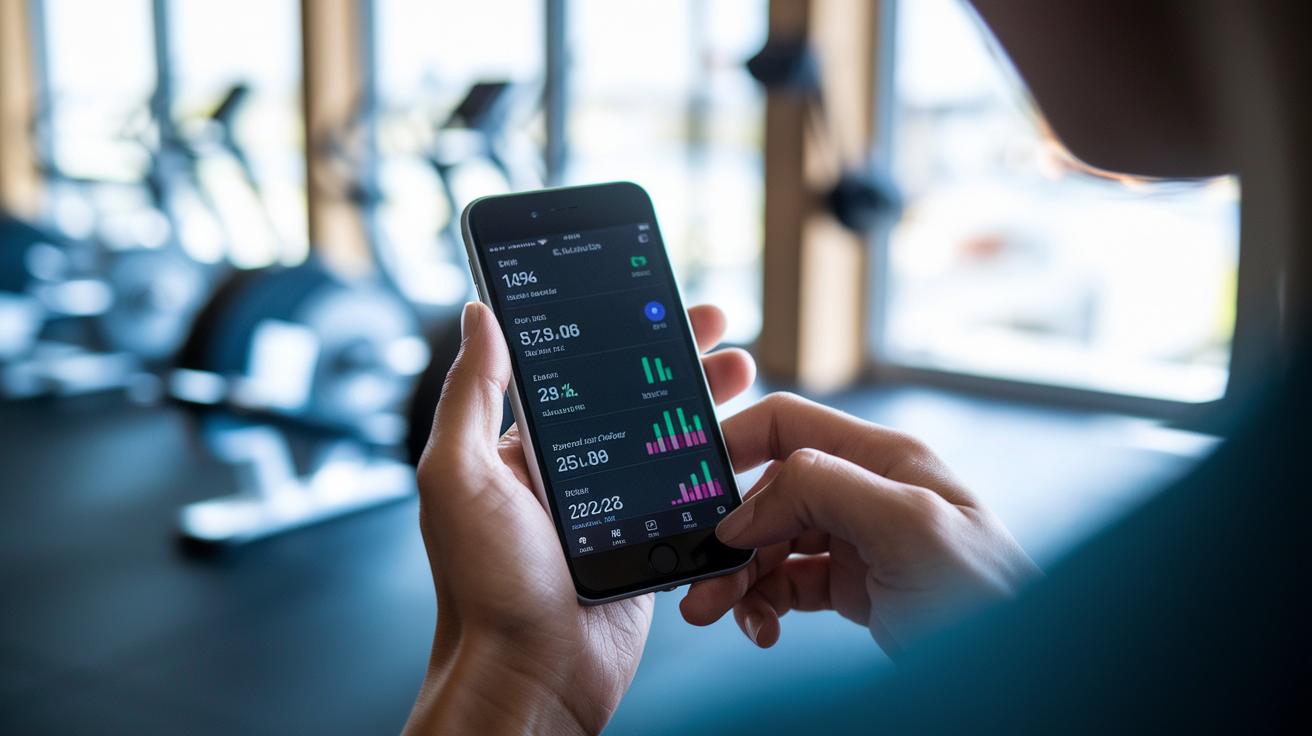
Keeping consistent metrics is the first step in building healthy habits. They give you clear evidence of your progress, turning everyday movements into useful data. With regular feedback, you can quickly learn which parts of your routine work and make small improvements along the way.
Most fitness trackers log key activities that help you stay on course. They count your steps, record the distance you travel, and estimate the calories you burn during different exercises. They also break down your sleep into light, deep, and REM phases so you can tell how restorative your sleep is. If you've been sitting too long, an inactivity alert gently reminds you to move, ensuring you stay active throughout the day. These detailed numbers make it easier to spot patterns and fine-tune your approach to reaching your health goals.
Some devices offer extra wellness insights beyond basic tracking. They check your blood oxygen levels (SpO₂) so you know how well your body is getting oxygen during workouts. Stress monitoring features also help you understand when your body might need a break. This additional information empowers you to balance your physical activity with smart recovery.
Step-by-Step Fitness Tracker Setup Guide for Beginners
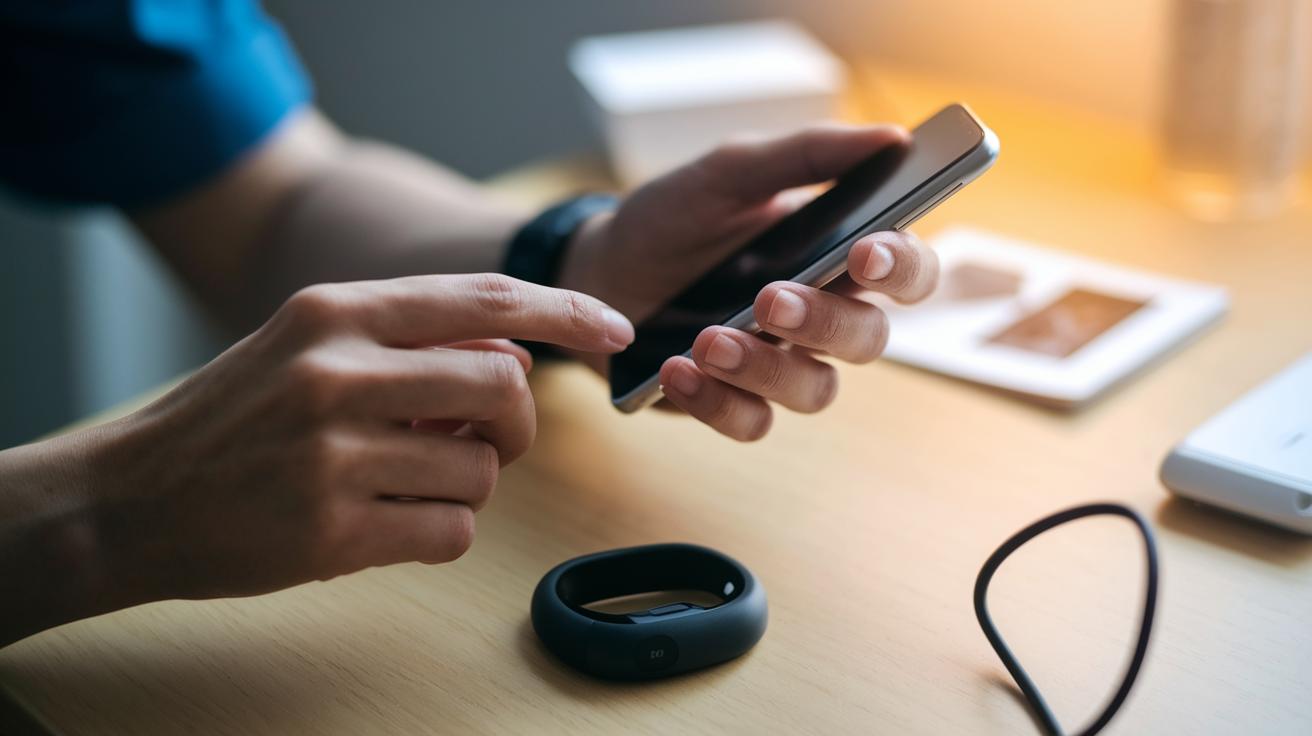
Unbox your fitness tracker and you’ll immediately find a charging cable and a simple quick-start guide. It charges up fast, so you can start tracking your activity in no time.
- Open the tracker’s app on your phone.
- Turn on Bluetooth and pair your device.
- Enter your personal details like age, weight, and height.
- Set up your stride and heart rate zones.
- Choose your daily targets for steps, calories, and sleep.
- Sync your device and check that the firmware is current.
Once everything is connected, explore the customization options. You can adjust alerts, pick your favorite watch faces, and fine-tune notifications that remind you to move throughout the day. Spend a few minutes in the app settings to make sure your tracker fits perfectly into your daily routine.
Garmin Forerunner 55 Fitness Tracker: A Starter Running Watch
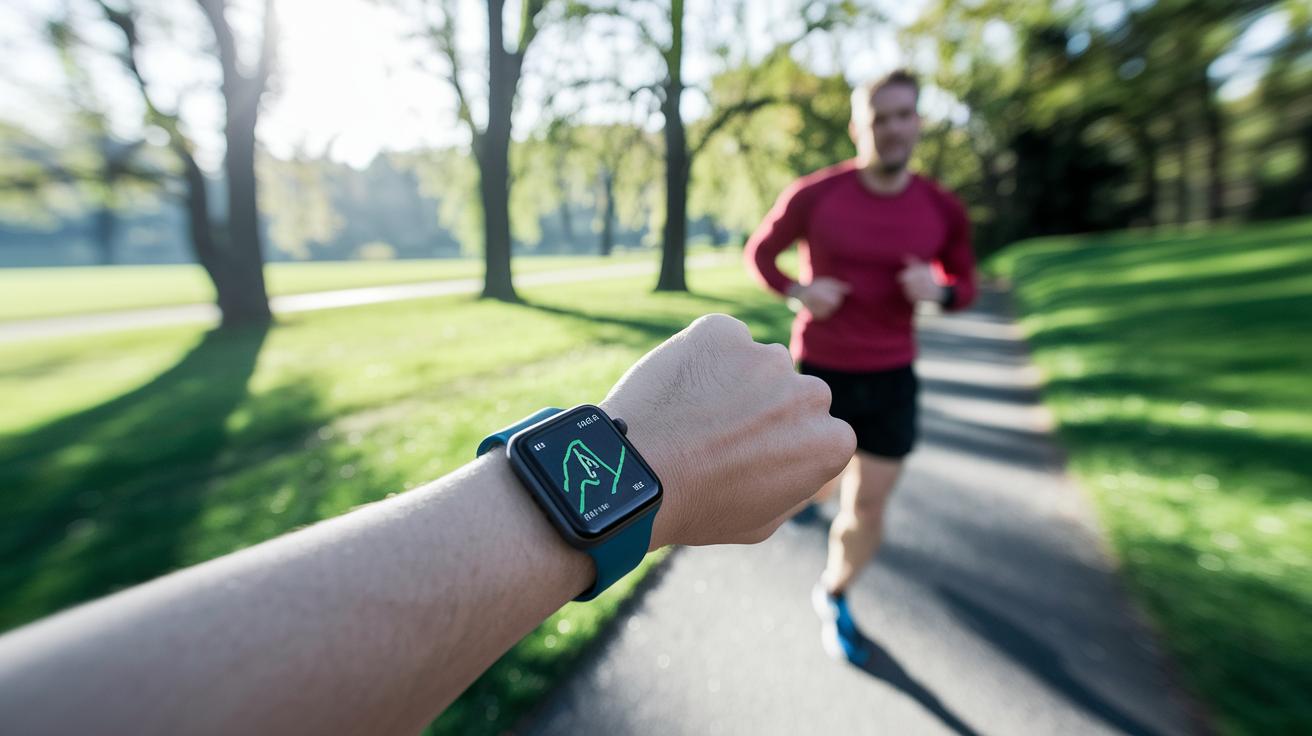
GPS accuracy matters because it records your real pace and maps your route perfectly. When the device tracks each step and turn precisely, you can count on it to help improve your performance and plan your workouts better.
The Forerunner 55 offers easy-to-understand stats like pace, distance, and cadence so you know exactly how your run is going. It delivers accurate GPS tracking without any extra fees, giving you clear route data from day one. Its battery lasts up to 2 weeks in smartwatch mode, which means it’s ready whenever you are. And with added features like recovery time estimates and guided breathwork, it helps you fine-tune your workouts and avoid overtraining.
This watch is especially great for beginners who want to track their run details and plan smarter training. It goes beyond basic trackers by serving advanced, yet simple, metrics that grow with your fitness journey. If you're after a running watch that mixes simplicity with smart features without extra charges, the Forerunner 55 is a solid first pick.
Choosing the Perfect Fitness Tracker for Your Needs
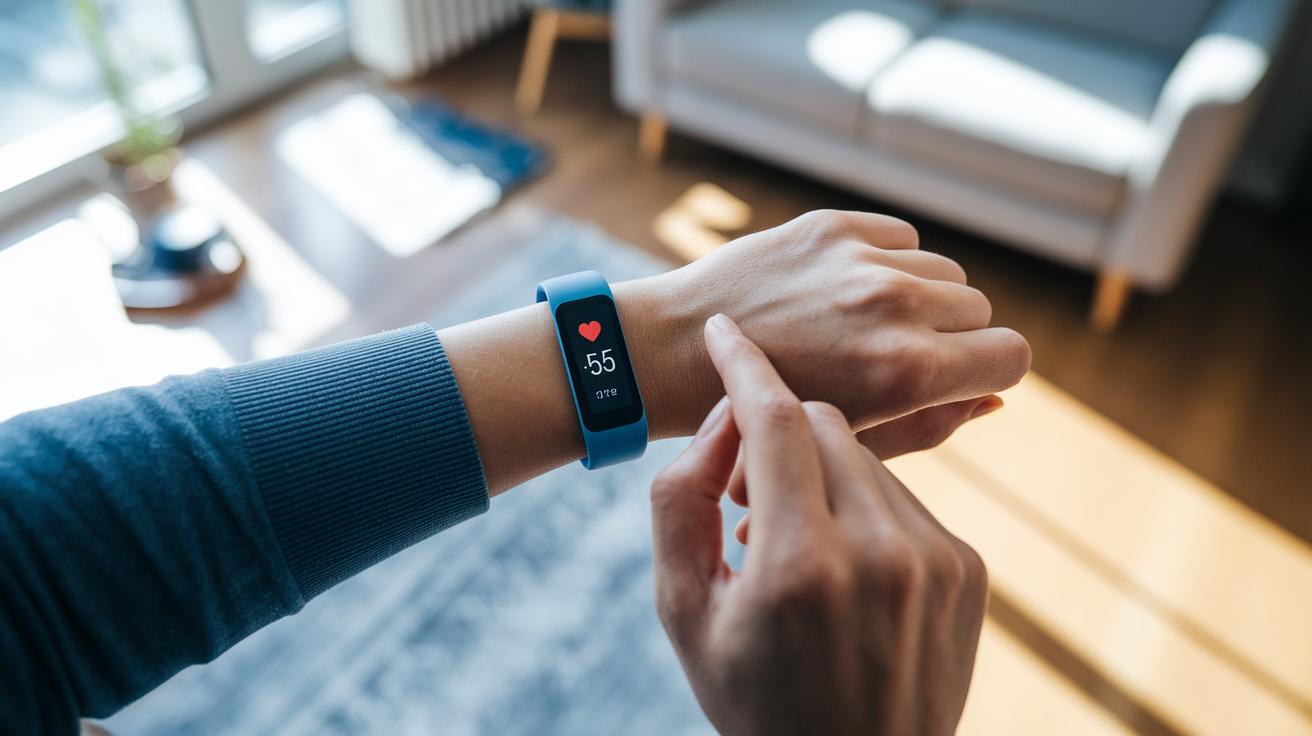
Start by figuring out what you really want from your fitness tracker. Maybe you're just looking to count your steps or perhaps you need more detailed data for planned workouts. Your personal goals help you decide whether you need a simple tracker or one with advanced features.
Once you know what you're after, check out the features that matter most. Look for models that give you accurate readings for things like heart rate, sleep patterns, and calories burned. Don't forget battery life, a tracker that lasts all day without needing a charge can make a big difference. Also, confirm that it works well with your phone's operating system, whether it's Android or iOS. For example, Fitbit devices often provide a smooth experience within their ecosystem. Other factors like water resistance, comfort, and a clear display are key to making sure the tracker fits seamlessly into your daily routine.
Then, think about the trade-offs between simple devices and those loaded with smart features. Simple trackers offer the basics and are great if you're just building new habits. On the flip side, smart-enabled devices might let you make NFC payments or even play music, but they can carry a heftier price tag or extra fees. By weighing these differences, you can pick a device that fits both your current lifestyle and future ambitions.
Final Words
In the action, our guide covered everything from simple metrics to quick setup tips for your first fitness tracker for beginners.
We broke down features like step counting, heart rate monitoring, and sleep tracking to help build healthy habits on a budget.
Each section provided clear steps whether you're considering a basic model or a starter running watch.
Move ahead confidently with practical advice that turns tech specs into real-life benefits.
FAQ
What is the best fitness tracker for beginners?
The best fitness tracker for beginners offers clear metrics like steps, heart rate, and sleep while providing simple goal-setting features that help build and maintain healthy habits from day one.
Are cheap fitness trackers any good?
Cheap fitness trackers effectively cover basic needs such as step counting and sleep tracking, making them a practical choice for those who want an entry-level option without advanced features.
What is the difference between a smart watch and a fitness tracker?
A smart watch usually combines app notifications, customization, and broader functionality with fitness tracking, while a fitness tracker focuses on health metrics like steps, heart rate, and sleep patterns.
What should I consider when choosing a Garmin fitness tracker?
Choosing a Garmin fitness tracker involves considering precise GPS tracking, accurate exercise metrics, and long battery life, making it a strong option for users who demand reliable performance during workouts.
How does a WHOOP fitness tracker perform?
A WHOOP fitness tracker delivers continuous performance and recovery monitoring, offering detailed insights into strain and rest periods, although it typically requires a subscription.
What is the best fitness watch for Android users?
The best fitness watch for Android users seamlessly integrates with Android apps, provides comprehensive health tracking, and delivers clear notifications alongside sport and activity monitoring features.
What defines a stylish or minimalist fitness tracker?
A stylish or minimalist fitness tracker blends a sleek, understated design with essential features like step counting, heart rate, and sleep tracking, ensuring it fits comfortably and looks good during everyday wear.
What is the best entry level smart watch?
The best entry level smart watch combines basic fitness tracking with smartphone features such as notifications and simple app support, making it accessible for newcomers exploring wearable technology.