
Ever wondered if your tracker is truly measuring your sleep and workouts? Many devices claim amazing battery life and pinpoint precision, but not many deliver in real-life tests. We tested a range of fitness and sleep trackers in everyday situations to see which ones are the easiest to use and most accurate with their sensors. If you’re after a budget-friendly option or need a device with advanced sleep analysis, we’ve got choices that work for busy lifestyles. Get ready to explore reliable tools that provide real data and practical performance for your health and fitness journey.
Top Picks for Best Fitness and Sleep Tracker
We rounded up these trackers because they deliver on accuracy, battery life, and ease of use. We put each one through everyday tests to see how well it monitors sleep stages, tracks heart rate, and handles daily activity. Our real-life testing ensures these devices are ready for busy fitness buffs and anyone looking to boost their sleep quality.
We compared options across a range of prices and features. Some models are budget-friendly, while others offer advanced sleep insights in a sleek design. We paid close attention to battery life and sensor precision so you can trust the data and enjoy practical performance.
- Garmin vivoactive 6: Built-in GPS and an 11-day battery in a comfortable design make it perfect for daily tracking.
- Oura Ring Gen 4: This discreet ring gives advanced sleep insights, though it comes with a subscription.
- Fitbit Charge 6: A user-friendly device that tracks your workouts, heart rate, and sleep stages with a touchscreen interface.
- Whoop 5.0: Ideal for athletes seeking detailed recovery and sleep metrics, but it requires a subscription.
- Xiaomi Mi Smart Band 7: Offers more than 110 workout modes at an affordable price, though its accuracy can vary.
Each tracker comes with its own strengths to fit different lifestyles. Whether you want long battery life, advanced sleep analysis, or a friendly price, this lineup has a solid option to help you stay on top of your health and fitness.
Key Features in Top Fitness and Sleep Tracker Selection
Modern fitness and sleep trackers pack in a lot of power for everyday use. We’re talking about a mix of sensor accuracy, battery endurance, detailed sleep tracking, and smooth app integration. Each feature plays a key role in shaping your daily experience.
Tracking Accuracy: Sensors and Real-World Performance
These trackers typically use optical sensors (that measure light reflections to gauge your pulse) and ECG sensors (which record your heart’s electrical activity) to deliver precise heart rate data. In real-life tests, they consistently nail the numbers whether you're pushing through a sweat session or just winding down.
Battery Life & Durability: Long Runtimes and Water Resistance
Battery life can range from 1 day to as long as 11 days, so you can count on them for continuous tracking without constant charging. Many models also boast a 5 ATM water resistance rating, letting you enjoy pool swims or quick showers without a hitch.
Sleep Monitoring: Detailed Sleep Stages and Recovery Scores
Top trackers break down your sleep into light, deep, and REM stages and even provide a recovery score. This clear breakdown helps you see where you might improve your rest and adjust your routine based on real user-friendly data.
App Integration: Seamless Health Insights
These devices link directly to their companion apps, giving you a comprehensive health dashboard. While some models may require a subscription to tap into advanced analytics, others sync freely with major platforms. This means your daily stats are clear, accessible, and actionable.
When picking a fitness and sleep tracker, keep an eye on sensor accuracy, battery performance, precise sleep data, and how well the app fits into your life. This way, you’ll find a device that really matches your lifestyle.
Best Fitness and Sleep Tracker Models Compared
If you're shopping for a fitness or sleep tracker, we've gathered real user insights and notes on long-term performance. We've updated the specs with extra details on durability and how these devices work day-to-day, beyond just battery life, sleep, and exercise stats.
| Device | Battery Life | Sleep Tracking | Fitness Metrics | Price |
|---|---|---|---|---|
| Garmin vivoactive 6 | 11 days | Stress and sleep scores | GPS plus multisport | $349 |
| Oura Ring Gen 4 | 4–7 days | Sleep stages and recovery | No display | $299 plus subscription |
| Fitbit Charge 6 | 7 days | Basic sleep stages | SpO₂ and heart rate | $149 |
| Whoop 5.0 | 1 day | Sleep and strain insights | No display | $30/mo |
| Xiaomi Mi Smart Band 7 | 14 days | Basic sleep tracking | Over 110 modes | $49 |
Our testers found that the Garmin vivoactive 6 kept a steady performance over many months, making it a solid pick for daily multisport tracking. While the Oura Ring Gen 4 gives detailed sleep stage analysis, its subscription fee might add up over time. The Fitbit Charge 6 and Xiaomi Mi Smart Band 7 both focus on everyday health monitoring, and the Whoop 5.0 is a good option if you value deep insights into strain, even though you will need to charge it daily.
Garmin vivoactive 6: Best Overall Fitness and Sleep Tracker
The vivoactive 6 gives you a comfortable fit that stays put whether you're working out or catching some sleep. Its built-in sensors accurately track your heart rate, just like a dedicated heart rate monitor, without any extra setup. Users love how its simple interface makes it easy to keep tabs on both daily activity and sleep habits.
That said, some folks wish it had more detailed training data, like VO₂ Max estimates for high-intensity workouts. In short, if you’re a fitness enthusiast looking for a balanced tool to track everyday activity and sleep, this tracker is a solid choice, even if it doesn’t dive deep into performance analytics.
Oura Ring Gen 4: Unique Deep-Dive Insights
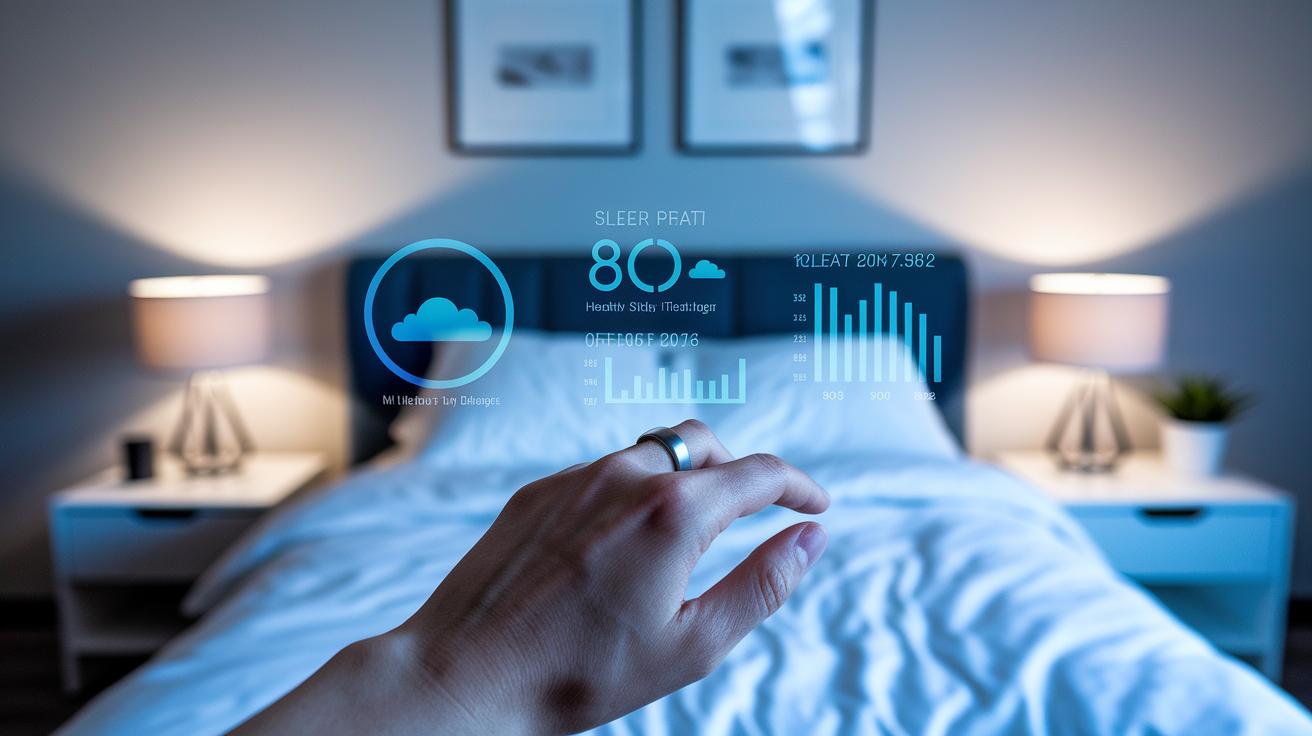
Many users love how the ring fits comfortably on their finger all day, giving it an edge over wrist-based trackers. One tester even said, "It captured every detail of my sleep cycles, even on restless nights." This shows that the sensors pick up small changes between REM and light sleep, giving a clearer picture of sleep quality. Side-by-side tests reveal that the ring’s smart software tracks sleep stages more accurately than many competing devices.
Users also appreciate that the subscription-based analytics go beyond basic numbers. Early everyday use data show clear trends in heart rate variability and stress levels that people find useful. For those mainly focused on sleep, the companion app turns raw data into personal insights, even though it doesn’t offer text alerts or on-screen prompts.
Fitbit Charge 6: Ideal for Everyday Fitness and Sleep Monitoring
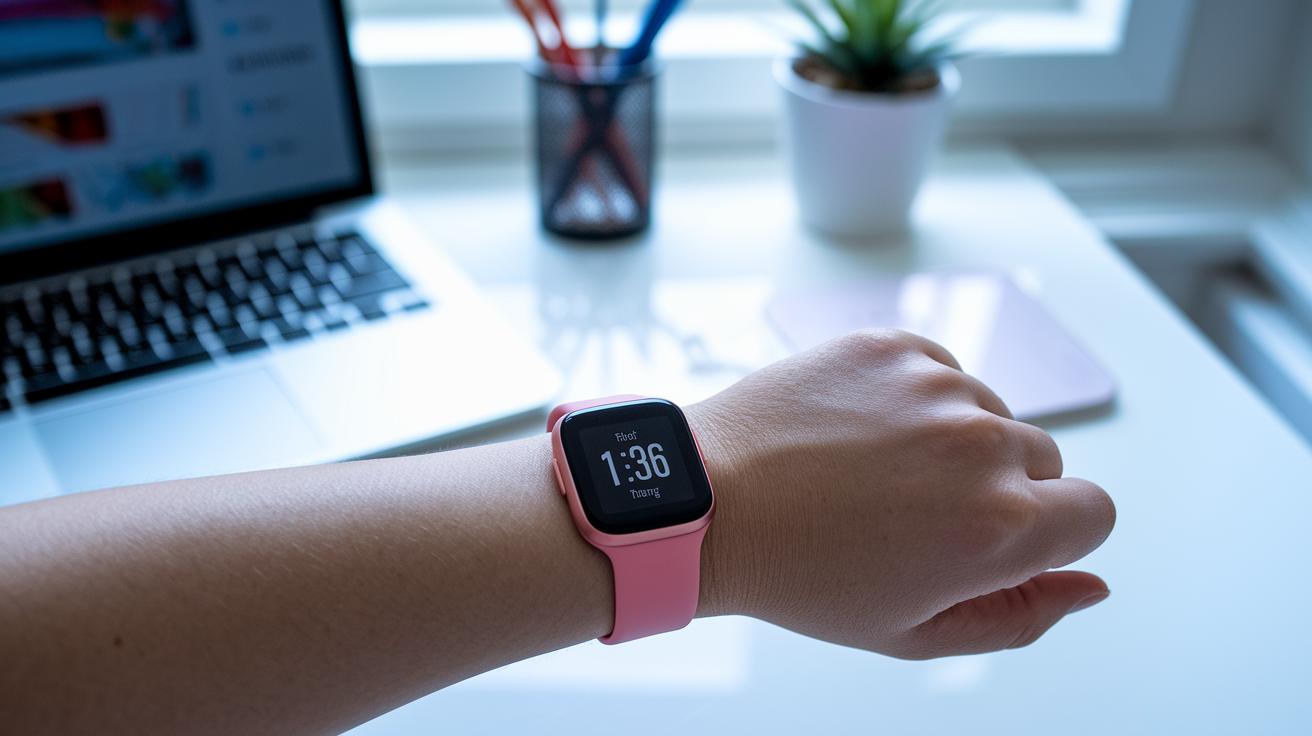
The Fitbit Charge 6 brings you all the essential tracking features in a slim, no-subscription device that comes in at under $200. It keeps track of workouts, monitors your heart rate around the clock, and follows your sleep stages. It even checks blood oxygen levels (SpO₂ means the oxygen in your blood) during the day. The responsive touchscreen makes setup and day-to-day use very simple, and the battery lasts up to 7 days so you’re covered all week. Plus, it connects smoothly with the Fitbit app so you can easily see your progress and insights.
Users have found the Charge 6 reliable for everyday health tracking. They appreciate how clearly the app displays their fitness data. However, a few have mentioned that customer support can be slow when quick fixes are needed.
Subscription vs. Subscription-Free Fitness and Sleep Trackers
When choosing a tracker for fitness and sleep, you essentially decide between paying recurring fees or making one upfront investment. Some users find that a subscription brings extra daily guidance on training and recovery, while others prefer the simplicity of clear, one-time costs.
- Subscription-based options like Whoop 5.0 and Oura Ring Gen 4 usually cost between $5 and $30 each month and offer detailed coaching and recovery insights.
- Subscription-free devices such as the Fitbit Charge 6 and Xiaomi Mi Band 7 deliver essential health metrics without any ongoing fees.
- While many believe that personalized advice justifies the monthly charge, over time these subscriptions can become more expensive compared to a single purchase.
If you're mindful of your budget, a subscription-free tracker gets the job done with solid daily data. But if you're looking for detailed analysis and personalized tips to boost your training, the extra monthly fee might be well worth it.
Battery Life and Durability in Fitness and Sleep Tracker Choices
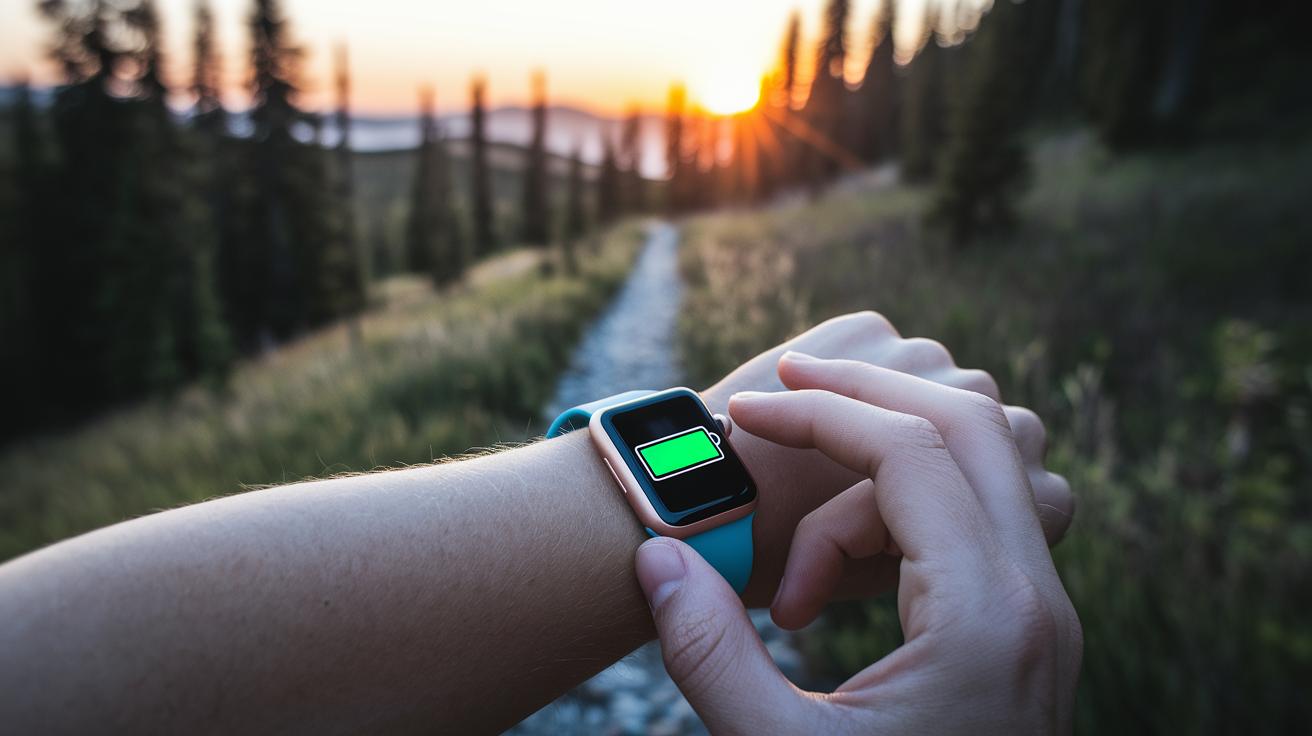
Battery life is key for both everyday use and extended adventures. Some trackers last through a full day of active monitoring, while others can go on for as long as 16 days. This means if you're out hiking or on an overnight trip, you can keep an eye on your health stats without worrying about a mid-journey recharge. One tester shared, "On a weekend camping trip, my device tracked sleep and activity seamlessly for three days without a charge." Keep in mind that battery performance can fade over time, so newer models may handle long-term wear better.
Water resistance and build materials also play important roles in how well a device stands up to your lifestyle. A 5 ATM rating means you can track swim workouts or take a quick shower without worry. Metal cases provide a solid, durable feel for active users, while polymer cases are lighter and can better handle impacts. One reviewer noted, "After a series of intense workouts and exposure to the elements, the device’s polymer case held up well without any signs of wear."
App Integration and Analytics for Best Fitness and Sleep Tracker
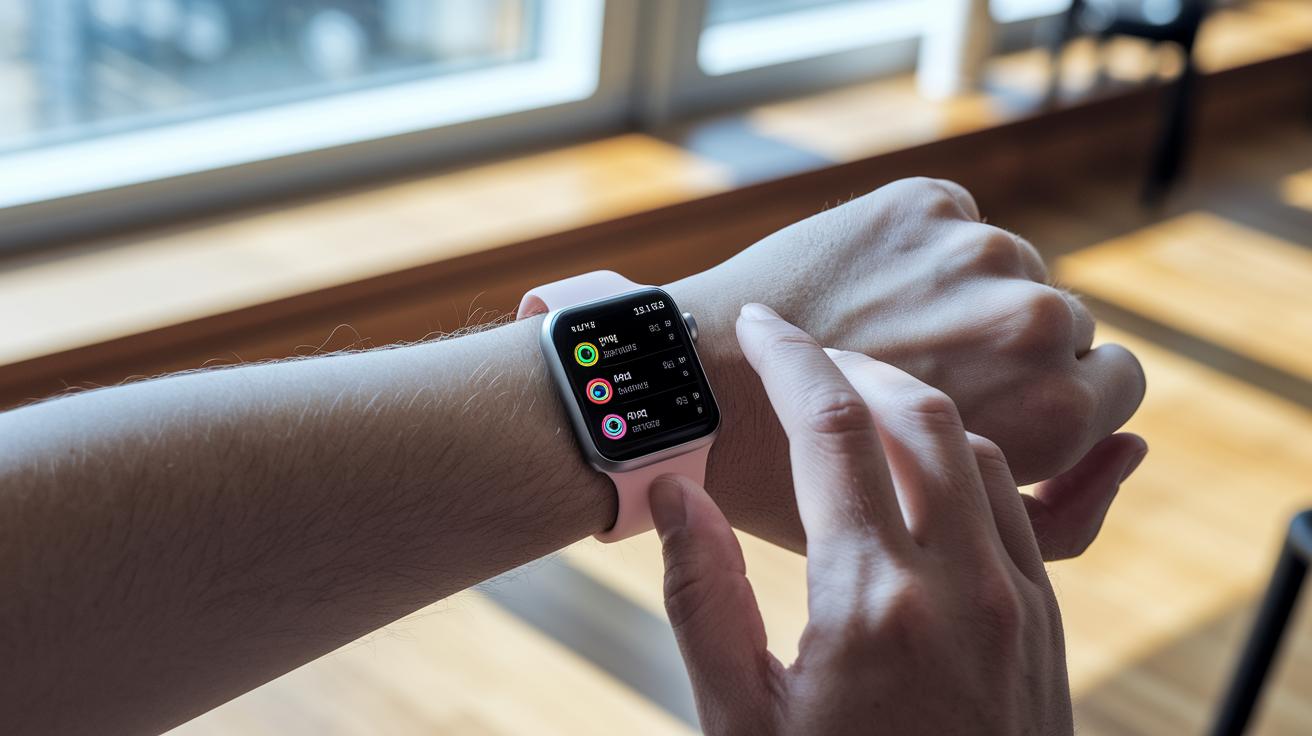
Companion apps transform sensor readings into easy insights. They offer clear dashboards, practical coaching tips, and community support so you can track and boost your daily health. These apps take raw numbers and turn them into plainly useful advice that makes keeping fit and getting good sleep both straightforward and fun.
Garmin Connect stands out with a detailed interface and customizable health reports that update instantly as you move. It keeps your activity data current by syncing in real time. In comparison, Oura and Fitbit offer a simpler view that works seamlessly with Apple Health and Google Fit. Plus, some apps bring in community challenges and coaching sessions, adding an extra push to help you stay on track.
Final Words
In the action, we reviewed standout fitness and sleep trackers by examining design, battery life, sensor accuracy, and app integration. We looked into subscription versus fee-free models to help you match features with everyday needs.
Our hands-on comparisons show each option’s strengths, making your decision easier on budget and performance. With clear data and real-world insights, you can trust these guides to lead you to the best fitness and sleep tracker for your lifestyle. Enjoy making a smart and practical choice for better health monitoring.