
Have you ever thought that your fitness tracker might be hiding an extra benefit? Most of us wear trackers on our wrists, but an ankle tracker offers a refreshing change. It measures your steps, heart rate, and calories burned with solid accuracy so you can see exactly how hard you’re working out. In this article, we take a close look at how this unique device tracks your activity and why it could give your exercise routine a noticeable boost. Get set to discover a new way to monitor your progress and work toward your fitness goals with confidence.
Understanding Ankle Fitness Trackers: What They Are and How They Work

An ankle fitness tracker is a wearable device worn around the ankle that records your steps, distance, calories burned, sleep quality, and heart rate. It uses built-in sensors like accelerometers (which measure movement) and GPS to deliver accurate data. Many models are water resistant up to 5 ATM, so you can wear them in a range of environments without worry.
Wearing the tracker on your ankle means you get more reliable step counts. In tests with devices such as Fitbit, people noticed a boost in accuracy since the ankle experiences less random movement than the wrist. Entry-level options like the Xiaomi Smart Band 10 cover the basics and offer battery life of around 7 to 10 days, while premium models like the Whoop 5.0 also give insights on recovery and readiness, helping you know exactly when your body is ready for more activity.
By focusing on core sensors, an ankle-mounted tracker delivers detailed insights into your workouts. Every step, sprint, and stroll is tracked precisely, making it a smart choice if you depend on clear, data-driven feedback to improve your performance.
ankle fitness tracker: Energize Your Workout
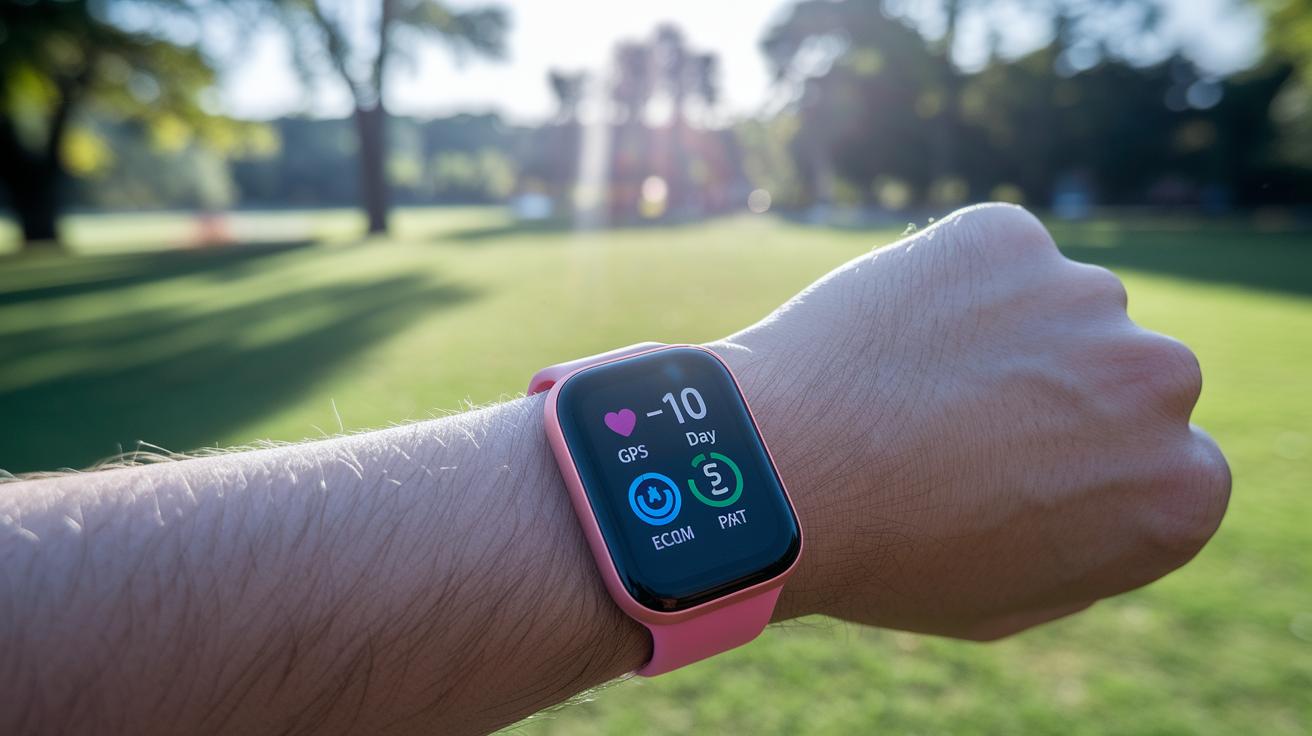
When you're picking an ankle fitness tracker, focus on the features that matter most for your workouts. You’ll want a tracker with a battery that lasts 7–10+ days so you don't have to charge it all the time. A bright AMOLED display (usually between 1.82″ and 1.97″) keeps your stats clear and easy to read. If you enjoy outdoor runs, built‑in GPS helps track your pace and route accurately. Plus, a 5 ATM waterproof rating means it can handle sweat and water without any fuss. Don't forget to check for useful sensors like ECG, optical heart rate, and accelerometers that give precise readings. And a simple, user‑friendly app is a must so you can easily sync and analyze your training data.
| Feature | Benefit |
|---|---|
| Battery Life | Lasts 7–10+ days without frequent charging |
| Display | Bright AMOLED screen (1.82″–1.97″) for clear visuals |
| Built-in GPS | Tracks your pace and route accurately during workouts |
| Water Resistance | 5 ATM rating handles sweat and water-based activities |
| Sensors | ECG, optical heart rate, and accelerometers offer precise monitoring |
By keeping an eye on battery life, display quality, GPS accuracy, water resistance, and sensor precision, you set a solid foundation for your workout gear. This detailed approach ensures your tracker works seamlessly with a handy app, giving you useful insights while keeping your exercise routine on point and fun.
Ankle Fitness Tracker vs Wrist Trackers: Pros and Cons
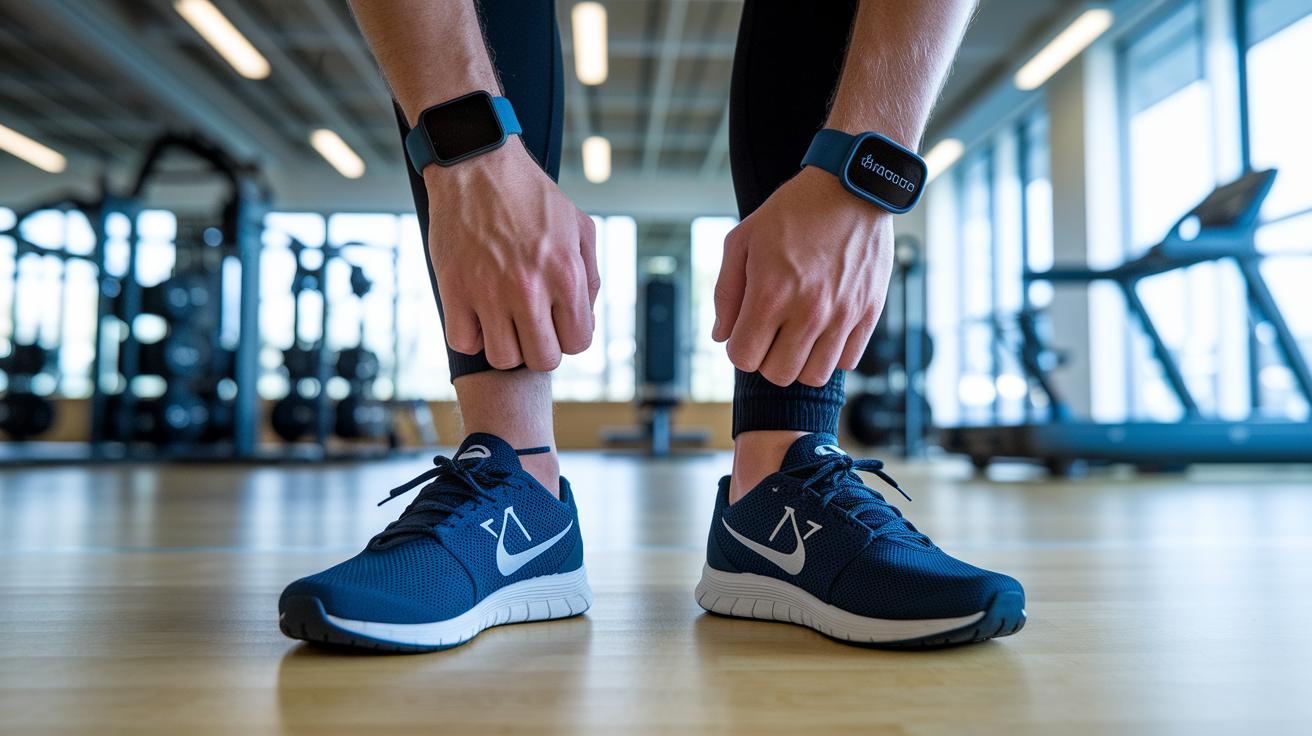
Our tests show that using a tracker on your ankle, like with some Fitbit models, gives a higher step count. This happens because the ankle placement cuts out extra arm movement, so you get a cleaner read of your walking or running. But while ankle trackers nail step counting, they don't capture other vital health details such as sleep quality, heart rate, or app-based features.
Wrist trackers, like the Fitbit Versa 4, cover more ground. They record sleep scores, stress levels, and even notify you about incoming calls. Multiple sensors work together to offer a full view of your wellness. Still, all those extra features can sometimes mean that wrist devices miss the step-by-step precision an ankle tracker provides.
Changing from a wrist to an ankle tracker means keeping your hand free during the day, which can be a real plus if you prefer fewer disruptions while exercising. Just keep in mind that you might lose key readings on heart rate and sleep. Ultimately, your choice comes down to whether you value pinpoint motion accuracy or a more complete snapshot of your overall health.
Top Models of Ankle Fitness Trackers Reviewed

Fitbit Inspire 3 on the Ankle
The Fitbit Inspire 3 strikes a great balance with over a week of battery life and steady tracking for steps, sleep, and stress. When you wear it on your ankle, it counts your steps even more accurately, though the sleep data isn’t as detailed. This model is perfect for anyone who wants solid exercise tracking and doesn’t mind a slight drop in sleep insights.
Xiaomi Smart Band 10 Ankle Compatibility
The Xiaomi Smart Band 10 is a budget-friendly option that covers the basics. Positioned on your ankle, it reliably logs your steps, distance, and overall activity. Its simple design and dependable performance make it a top choice for those looking for accurate step counts without the extra bells and whistles, ideal for light workouts and everyday use.
Whoop 5.0 as an Ankle Strap
Whoop 5.0 is built mainly for recovery and readiness, and wearing it on the ankle focuses its strength on tracking cadence and motion. It excels at monitoring how hard you work out and helps guide your recovery routine. Even though sleep and heart rate tracking can be a bit off when worn on the ankle, it’s still a smart pick for athletes who want detailed recovery metrics.
Garmin Forerunner 165 Ankle Insights
The Garmin Forerunner 165 offers robust features like VO₂ max estimation, pace guidance, and Body Battery tracking. When worn on the ankle, its GPS and step analysis deliver even sharper insights, making it a great tool for runners. If you need comprehensive training data and precise activity measures, this tracker is a practical choice for serious workouts.
Oura Ring 4 Ankle Performance
Although designed as a ring, the Oura Ring 4 offers an option for ankle placement to monitor sleep and body temperature. Its compact, minimal design provides discreet tracking for those interested in clear biometric data. While its step counting isn’t as traditional as other strap devices, it’s still a unique choice if you prefer simple, focused health insights.
Setting Up Your Ankle Fitness Tracker: Step-by-Step Guide
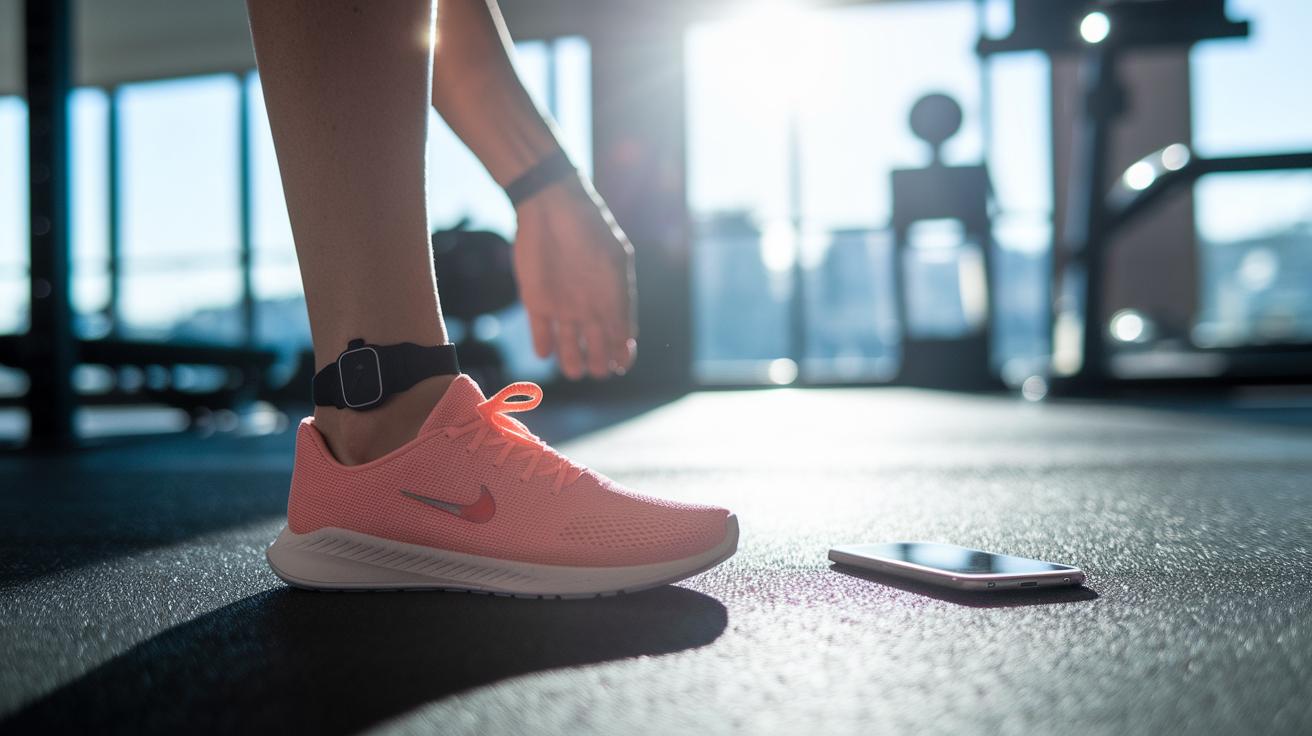
Begin by fully charging your tracker to 100% before you use it. A complete charge helps it perform well during pairing and calibration, preventing issues down the line.
Secure the tracker above your ankle bone using its strap. It should fit snugly, neither too tight nor too loose, for the best motion tracking during your workouts.
Next, install the companion app on your smartphone and connect the tracker via Bluetooth. Enter your personal details in the app to customize your experience and ensure smooth syncing of your daily activity.
Finally, calibrate the tracker by taking a 100-step test. This step confirms that the sensor is accurately capturing your movements, giving you reliable data to enhance your workout.
Using Ankle Fitness Trackers for Training and Rehabilitation

Advanced ankle fitness trackers do more than just count your steps. They come with sports-focused coaching tools that let you keep an eye on your performance and tweak your workouts accordingly. For instance, some models offer recovery metrics, like Whoop’s readiness score, to show if your body is ready for that next hard session. They also track endurance, so you can see your daily output and know how well you're doing.
When it comes to physical therapy and rehabilitation, these trackers are a big help. They accurately monitor your step count and set safe, gradual goals so you don’t push yourself too hard too soon. With up-to-date data, whether you're bouncing back from an injury or managing a long-term condition, they can alert you to signs of overuse and suggest changes to keep your recovery steady and safe.
In training, an ankle tracker turns numbers into practical advice. By watching key performance markers, you can adjust your workouts and steer clear of setbacks. Whether you're striving for peak athletic performance or easing back into exercise, these sensors give clear, factual feedback to guide your training and help you stay on track.
Final Words
In the action, we explored how ankle fitness trackers measure steps, distance, and more with practical tests and side-by-side comparisons with wrist devices. We reviewed top models, setup tips, and training guidance, showing how each option works in real-life scenarios.
These insights reveal that an ankle fitness tracker can offer accurate tracking and useful metrics for training and recovery. Use these tips to choose a device that fits your budget and exercise needs, and enjoy the boost it brings to your daily routine.
FAQ
What is the best ankle fitness tracker?
The best ankle fitness tracker combines precise step counting, waterproof design, and advanced sensors, giving you accurate data for training and rehabilitation in a durable, user-friendly device.
Can I wear my fitness tracker on my ankle?
Wearing a fitness tracker on your ankle can enhance step count accuracy since it tracks leg movement directly, providing more reliable data for fitness and rehabilitation.
Are ankle fitness trackers available and reliable?
Ankle fitness trackers are available and offer reliable performance by using sensors like accelerometers and GPS, which provide accurate step counts and relevant fitness metrics.
How accurate are ankle pedometers compared to wrist trackers?
Ankle pedometers generally record more accurate step counts because they capture leg motion directly, while wrist trackers may miss certain movements and reduce overall accuracy.
Is there a Fitbit I can wear on my ankle, and what models are offered?
Some Fitbit models, including the Inspire 3, can be adapted for ankle use, while other popular options like Fitbit Flex 2, Charge 6, and Zip Wireless Activity Tracker also deliver varied, reliable fitness data.
What options do Garmin and similar brands offer for ankle fitness tracking?
Brands like Garmin offer trackers such as the vivofit 3, which, when adjusted for ankle use, provide dependable step counting and added features like GPS for enhanced activity monitoring.
Are there women’s ankle fitness trackers available?
Women can find ankle fitness trackers designed for a better fit and style, ensuring accurate step counts and health metrics while accommodating unique body shapes and comfort preferences.